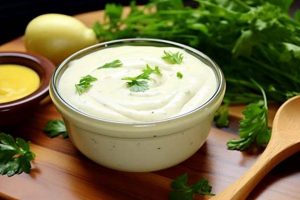
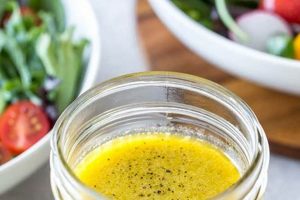
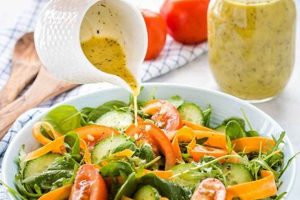
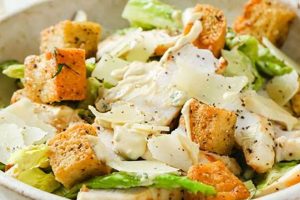
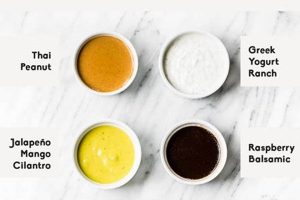
Salad dressings without added sugars offer a flavor-enhancing alternative for health-conscious individuals and those following specific dietary restrictions. These dressings typically rely on the natural flavors of ingredients like vinegar, citrus juices, herbs, spices, and healthy fats for their taste profiles. Examples include a simple vinaigrette made with olive oil, lemon juice, and herbs or a creamy dressing based on avocado, Greek yogurt, and spices.
The elimination of added sugars can significantly contribute to overall health and well-being. Dressings without added sugar often contain fewer calories and carbohydrates compared to their conventional counterparts, aligning with dietary goals focused on weight management and blood sugar control. Historically, salad dressings were simple concoctions using oil, vinegar, and herbs, predating the widespread use of refined sugars. The modern resurgence of interest in sugar-free options reflects a broader trend towards cleaner eating and a return to more natural food preparation methods.
Further exploration of this topic will delve into various recipes and techniques for creating delicious sugar-free salad dressings, addressing diverse flavor preferences and dietary needs. This will encompass ingredient selection, preparation methods, storage guidelines, and tips for pairing dressings with different salad components.
Tips for Crafting Delicious Sugar-Free Salad Dressings
Creating flavorful salad dressings without added sugar requires a thoughtful approach to ingredient selection and balancing flavors. These tips offer guidance for achieving delicious results.
Tip 1: Embrace Acidity: Acidity provides brightness and complexity. Lemon juice, vinegar (balsamic, apple cider, red wine), and citrus zest are excellent choices. Experiment with different types to discover preferred flavor profiles.
Tip 2: Explore Healthy Fats: Extra virgin olive oil, avocado oil, and flaxseed oil contribute richness and texture. High-quality oils also offer health benefits.
Tip 3: Maximize Fresh Herbs and Spices: Freshly chopped herbs like parsley, dill, mint, and cilantro add vibrancy. Spices such as garlic powder, onion powder, paprika, and cumin provide depth.
Tip 4: Harness the Power of Umami: Nutritional yeast, Dijon mustard, and Worcestershire sauce (ensure sugar-free varieties) contribute savory umami notes, enhancing flavor complexity.
Tip 5: Consider Creamy Alternatives: Greek yogurt, avocado, and tahini offer creaminess without added sugar. These options also boost nutritional value.
Tip 6: Taste and Adjust: Tasting throughout the preparation process is essential. Adjust seasonings as needed to achieve balanced flavors. Start with small amounts and gradually increase until desired intensity is reached.
Tip 7: Proper Storage: Store dressings in airtight containers in the refrigerator. Most dressings will keep for up to a week, allowing for convenient meal preparation.
By incorporating these tips, individuals can create a wide variety of dressings tailored to specific tastes and dietary needs, promoting healthier eating habits and enhancing enjoyment of fresh salads.
These techniques provide a foundation for exploring the limitless possibilities of flavorful, sugar-free salad dressings, empowering individuals to make healthier choices without compromising on taste.
1. Health Benefits

Consuming no-sugar-added salad dressings offers various health advantages, particularly for individuals managing weight, blood sugar levels, or overall dietary intake. These benefits stem from eliminating refined sugars often found in conventional dressings.
- Weight Management
Dressings without added sugar typically contain fewer calories, supporting weight management goals. By reducing overall calorie consumption, these dressings can contribute to creating a calorie deficit, essential for weight loss. For example, a two-tablespoon serving of a typical vinaigrette without added sugar might contain 120 calories, while a similar serving of a sugar-sweetened dressing could contain upwards of 180 calories. This difference can accumulate over time, impacting weight.
- Blood Sugar Control
Added sugars contribute to rapid spikes in blood glucose levels. Sugar-free dressings help mitigate these fluctuations, promoting stable blood sugar. This is especially beneficial for individuals with insulin resistance or diabetes. For those monitoring carbohydrate intake, sugar-free options often align better with dietary guidelines.
- Reduced Risk of Chronic Diseases
Excessive sugar intake is linked to an increased risk of various chronic diseases, including heart disease, type 2 diabetes, and certain cancers. Opting for sugar-free dressings can contribute to a lower overall sugar intake, potentially mitigating these risks. Furthermore, the focus on whole food ingredients in many sugar-free recipes often translates to increased intake of beneficial nutrients like healthy fats and antioxidants.
- Improved Nutrient Profile
Many no-sugar-added dressings emphasize whole food ingredients, such as fresh herbs, spices, and healthy oils. These ingredients contribute valuable nutrients, vitamins, and antioxidants, enhancing the overall nutritional value of meals. For example, dressings utilizing extra virgin olive oil provide heart-healthy monounsaturated fats. This shift towards nutrient-rich ingredients supports overall well-being beyond simply reducing sugar intake.
The cumulative effect of these benefits positions no-sugar-added salad dressings as a valuable component of a health-conscious diet. By making informed choices regarding dressings, individuals can positively impact their overall health and wellness while still enjoying flavorful and satisfying meals.
2. Flavor Profiles

Flavor profiles in no-sugar-added salad dressings demonstrate that taste and health can coexist. The absence of refined sugar necessitates a nuanced approach, leveraging the interplay of various ingredients to achieve complex and satisfying flavor combinations. Exploring these flavor profiles provides a deeper understanding of how to create delicious and healthy dressings.
- Acidity as a Foundation
Acidity forms the backbone of many no-sugar dressings. Vinegar, particularly apple cider, balsamic, and red wine varieties, contributes sharpness and depth. Citrus juices, like lemon and lime, offer brightness and a refreshing tang. The level of acidity influences the overall balance and can be adjusted to complement different salad ingredients. For example, a robust balsamic vinaigrette pairs well with heartier greens like kale, while a lighter lemon vinaigrette complements delicate lettuces.
- The Role of Healthy Fats
Healthy fats provide richness, texture, and mouthfeel. Extra virgin olive oil imparts a peppery fruitiness, while avocado oil offers a neutral base that allows other flavors to shine. These oils also contribute to satiety, making salads more satisfying. The ratio of oil to acid significantly impacts the dressing’s consistency and flavor delivery. A higher oil content creates a creamier emulsion, while a higher acid content results in a thinner, more tart dressing.
- Herbs and Spices for Complexity
Fresh herbs like parsley, dill, mint, and cilantro add vibrant, fresh notes. Dried spices, including garlic powder, onion powder, paprika, and cumin, contribute deeper, more concentrated flavors. The careful selection and combination of herbs and spices allow for a wide range of flavor profiles, from classic Italian to zesty Southwest. Layering flavors by using both fresh and dried herbs can create particularly complex and nuanced profiles.
- Umami for Savory Depth
Umami, the fifth taste, adds savory depth and complexity. Ingredients like nutritional yeast, Dijon mustard, and sugar-free Worcestershire sauce contribute these savory notes, enhancing the overall flavor profile. Incorporating umami allows for a richer, more satisfying taste experience, particularly when aiming to replace the sweetness of sugar. For example, a dressing with nutritional yeast can mimic the cheesy notes of a traditional Caesar dressing without relying on added sugars or dairy.
By understanding the interplay of these elements, crafting balanced and flavorful no-sugar salad dressings becomes achievable. This allows for the creation of dressings that not only support health goals but also elevate the culinary experience of enjoying fresh salads.
3. Ingredient Selection
Ingredient selection is paramount in crafting successful no-sugar-added salad dressings. Careful consideration of each component contributes not only to flavor but also to the overall nutritional profile and health benefits. Exploring key ingredient categories illuminates their respective roles and impact on the final product.
- Oil Selection
The choice of oil significantly impacts a dressing’s flavor, texture, and health benefits. Extra virgin olive oil offers robust flavor and monounsaturated fats. Avocado oil provides a neutral base and a high smoke point, suitable for both dressings and cooking. Flaxseed oil, rich in omega-3 fatty acids, adds a slightly nutty flavor but is best used in dressings consumed immediately due to its susceptibility to oxidation. The oil forms the foundation of the dressing, influencing its mouthfeel and how it coats salad ingredients.
- Acidic Components
Acidity balances the richness of the oil and provides brightness. Vinegars, such as apple cider, balsamic, red wine, and white wine, each contribute unique flavor profiles. Citrus juices, including lemon, lime, and orange, offer a refreshing tang. The type and amount of acid influence the final dressing’s tartness and how it interacts with other flavors. For example, balsamic vinegar adds a sweetness that complements roasted vegetables, while lemon juice brightens delicate greens.
- Flavor Enhancers
Fresh herbs, spices, and other flavor enhancers contribute depth and complexity. Fresh herbs, including parsley, dill, mint, chives, and cilantro, introduce vibrant, fresh notes. Spices, such as garlic powder, onion powder, paprika, cumin, and chili flakes, add warmth and intensity. Other flavor enhancers like Dijon mustard, nutritional yeast, and sugar-free Worcestershire sauce contribute umami and savory notes. The careful combination of these elements builds a layered and nuanced flavor profile.
- Emulsifiers (Optional)
Emulsifiers help combine oil and water-based ingredients into a stable mixture. While not always necessary, emulsifiers like Dijon mustard, egg yolks (for classic Caesar dressings), or a small amount of tahini can create a creamier, more cohesive dressing. The choice of emulsifier, if used, can also subtly influence the flavor and texture of the final product.
The synergistic relationship between these ingredient categories determines the final character of a no-sugar-added salad dressing. By understanding the role and impact of each component, individuals can make informed choices to create dressings tailored to specific flavor preferences and dietary needs. This empowers informed decision-making and facilitates the creation of dressings that are both flavorful and health-conscious.
4. Preparation Methods

Preparation methods for no-sugar-added salad dressings influence the final texture, emulsion stability, and flavor integration. Understanding these methods allows for greater control over the final product and facilitates customization based on individual preferences and available equipment.
- Whisking
Whisking, a fundamental technique, combines ingredients through vigorous agitation. Ideal for vinaigrettes, whisking emulsifies the oil and acidic components into a temporarily stable mixture. This method is particularly suited for dressings with a thinner consistency and those featuring finely chopped herbs and spices. While the emulsion may separate over time, a quick whisk before serving restores its consistency. This method requires minimal equipment and offers immediate results.
- Blending
Blending, using a blender or immersion blender, creates a smoother, more thoroughly emulsified dressing. This method effectively incorporates ingredients like nuts, seeds, fruits, and vegetables, resulting in a creamy texture. Blending is ideal for dressings requiring a stable emulsion, such as those containing tahini or avocado. This method offers greater control over texture and allows for the creation of more complex flavor profiles. However, over-blending can sometimes result in a slightly bitter taste from certain ingredients.
- Shaking
Shaking, typically in a sealed jar, provides a convenient method for emulsifying and combining ingredients. This technique is well-suited for vinaigrettes and dressings with a thinner consistency. Shaking is portable and requires minimal cleanup. However, it may not be as effective as blending for incorporating thicker ingredients or achieving a completely smooth emulsion. This method offers convenience and is particularly useful for preparing dressings in advance for on-the-go meals.
- Mortar and Pestle
Using a mortar and pestle offers a traditional approach to creating dressings, particularly those emphasizing fresh herbs and spices. Grinding ingredients in a mortar and pestle releases their aromatic oils and intensifies their flavors. This method allows for precise control over ingredient integration and creates a unique textural experience. While more time-consuming than other methods, it offers a deeper connection to the ingredients and allows for nuanced flavor development.
The chosen preparation method directly impacts the final characteristics of a no-sugar-added salad dressing. Selecting the appropriate method depends on desired texture, ingredient complexity, and available equipment. Understanding these nuances allows for greater control over the final product and enhances the ability to create dressings perfectly suited to individual preferences and culinary goals.
5. Storage Techniques

Proper storage techniques are essential for maintaining the quality, flavor, and safety of no-sugar-added salad dressings. These techniques prevent spoilage, preserve freshness, and maximize the shelf life of homemade dressings, promoting both resourcefulness and enjoyment. Understanding optimal storage practices ensures that dressings retain their desired characteristics and contribute to healthy and flavorful meals.
- Container Selection
Selecting appropriate containers plays a crucial role in preserving dressing quality. Airtight containers, such as glass jars or plastic containers with tight-fitting lids, minimize oxidation and prevent the absorption of unwanted flavors from the refrigerator. The size of the container should match the volume of dressing to minimize air exposure. For example, a small glass jar is ideal for storing a single serving of vinaigrette, while a larger container suits a batch prepared for the week. Proper container selection safeguards against flavor degradation and maintains freshness.
- Refrigeration
Refrigeration is essential for inhibiting microbial growth and preserving the quality of no-sugar-added dressings. Dressings should be stored at or below 40F (4C) to slow down enzymatic activity and maintain optimal flavor. Placing dressings towards the back of the refrigerator, where the temperature is most consistent, further safeguards against spoilage. Refrigeration extends the shelf life of dressings and ensures food safety.
- Separation Management
Separation of oil and water-based ingredients is a natural occurrence in many no-sugar-added dressings, especially vinaigrettes. A quick whisk or shake before serving typically recombines the emulsion. For dressings containing thicker ingredients like tahini or avocado, a gentle stir may be more appropriate. Understanding that separation is normal and easily remedied minimizes concerns about spoilage and maintains the desired consistency.
- Shelf Life Considerations
While refrigeration significantly extends shelf life, homemade no-sugar-added dressings typically maintain optimal quality for up to one week. Factors influencing shelf life include ingredient freshness, storage temperature, and container effectiveness. Regularly inspecting dressings for signs of spoilage, such as off-odors or mold growth, is crucial. Adhering to recommended storage times minimizes the risk of foodborne illness and ensures optimal flavor and quality. Proper labeling with preparation dates facilitates inventory management and promotes the consumption of dressings within their peak timeframe.
Implementing these storage techniques maximizes the longevity and enjoyment of no-sugar-added salad dressings. Proper storage preserves the carefully crafted flavors, supports healthy eating habits, and minimizes food waste. By understanding and applying these principles, individuals can confidently create and enjoy fresh, flavorful dressings as part of a balanced and health-conscious diet.
6. Recipe Variations
Recipe variations within the realm of no-sugar-added salad dressings offer adaptability to diverse palates, dietary needs, and seasonal ingredient availability. This versatility ensures that avoiding added sugar does not limit culinary creativity or flavor experiences. The ability to adapt recipes expands the practicality and appeal of a sugar-free approach to salad preparation. For instance, a basic vinaigrette can transform through the incorporation of different herbs, spices, or acidic components, yielding a spectrum of flavors ranging from bright citrus to herbaceous and earthy.
This adaptability also facilitates the incorporation of specific dietary requirements. Vegan dressings utilize ingredients like tahini or blended avocado for creaminess, while those seeking to increase protein intake might incorporate Greek yogurt or silken tofu. Seasonal variations allow for the utilization of fresh produce, such as berries in summer or roasted squash in autumn, further enhancing flavor complexity and nutritional value. These variations demonstrate that no-sugar-added dressings can seamlessly integrate into a wide array of dietary patterns and culinary preferences. A simple lemon-herb vinaigrette, for example, can adapt to a creamy avocado-lime dressing by substituting avocado for some of the oil and adding lime zest and juice, demonstrating how simple ingredient swaps create entirely new flavor profiles.
Mastery of recipe variations empowers individuals to move beyond pre-formulated dressings and embrace culinary exploration. This understanding fosters creativity in the kitchen, promotes the consumption of fresh, whole ingredients, and ensures that healthy eating remains enjoyable and adaptable. While challenges may arise in balancing flavors or achieving desired textures, experimentation and a foundational understanding of core ingredients allow for the development of personalized recipes. Ultimately, the ability to adapt no-sugar-added salad dressing recipes ensures their ongoing relevance and integration into a diverse and evolving culinary landscape.
Frequently Asked Questions
This section addresses common inquiries regarding no-sugar-added salad dressings, providing clear and concise information to facilitate informed choices and address potential concerns.
Question 1: Are all no-sugar-added dressings suitable for individuals with diabetes?
While eliminating added sugar is beneficial, it’s crucial to consider the overall carbohydrate content and glycemic index of all ingredients. Some sugar-free dressings might still contain ingredients that impact blood sugar. Consulting a healthcare professional or registered dietitian is recommended for personalized guidance.
Question 2: How can one ensure a no-sugar-added dressing emulsifies properly?
Proper emulsification depends on the balance of oil and acid, as well as the presence of an emulsifying agent. Dijon mustard, egg yolks (in non-vegan options), or a small amount of tahini can stabilize the emulsion. Vigorous whisking, blending, or shaking also aids in creating a cohesive mixture.
Question 3: What are suitable alternatives to refined sugar for sweetness in dressings?
Rather than seeking direct sugar substitutes, focusing on balancing flavors through acidity, herbs, spices, and umami-rich ingredients is recommended. This approach creates complexity without relying on sweeteners.
Question 4: How can the shelf life of homemade no-sugar-added dressings be maximized?
Storing dressings in airtight containers in the refrigerator at or below 40F (4C) is crucial. Minimizing air exposure and promptly refrigerating after preparation helps maintain optimal quality and prevents spoilage. Most dressings will last up to a week when stored properly.
Question 5: Can no-sugar-added dressings accommodate various dietary restrictions, such as vegan or gluten-free diets?
Adapting recipes to specific dietary needs is achievable. For vegan dressings, ingredients like tahini, avocado, or cashew cream can replace dairy-based components. Ensuring all ingredients, including spices and condiments, are certified gluten-free caters to gluten-free diets.
Question 6: Where can one find reliable no-sugar-added salad dressing recipes?
Reputable cookbooks, health-focused websites, and culinary blogs often provide a wealth of reliable recipes. Prioritizing recipes with whole food ingredients and clear instructions generally yields the best results.
Careful consideration of ingredient choices, preparation methods, and storage techniques ensures optimal results when creating and enjoying no-sugar-added salad dressings. These practices support both health goals and culinary satisfaction.
The subsequent section will delve into specific recipe examples, demonstrating the practical application of these principles and providing tangible guidance for incorporating no-sugar-added dressings into a variety of meals.
Conclusion
Exploration of no-sugar-added salad dressing recipes reveals a path to flavorful, health-conscious eating. Eliminating refined sugars reduces caloric intake and promotes stable blood glucose levels, offering significant benefits for weight management and chronic disease prevention. Emphasis on fresh, whole ingredients, including high-quality oils, flavorful vinegars, vibrant herbs, and spices, elevates nutritional value and taste. Understanding preparation methods, from simple whisking to blending, empowers informed choices regarding texture and emulsion stability. Proper storage techniques maintain freshness and maximize shelf life, promoting resourcefulness and enjoyment. The adaptability of these recipes accommodates diverse dietary needs and preferences, demonstrating that healthy eating need not compromise flavor or satisfaction.
Culinary exploration within this domain offers a pathway to a more balanced and health-conscious lifestyle. Shifting away from reliance on commercially produced, sugar-laden dressings towards homemade alternatives empowers individuals to take control of their dietary choices. This transition contributes not only to individual well-being but also fosters a deeper appreciation for the inherent flavors of fresh, whole foods. Continued exploration and experimentation within this culinary space promise further discovery and innovation, enriching the landscape of healthy and flavorful cuisine.