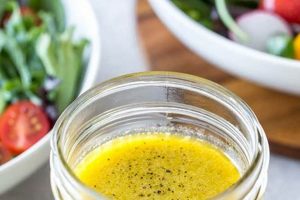
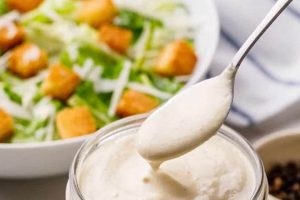
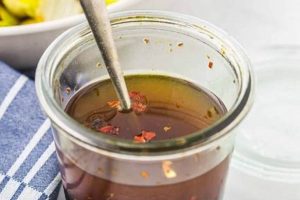
Recipes for salad dressings without fat typically utilize ingredients like vinegar, lemon juice, herbs, spices, and water to create flavor and texture. For instance, a simple vinaigrette can be made with a base of balsamic vinegar, Dijon mustard, and a variety of fresh or dried herbs. Thickeners, such as xanthan gum or a cornstarch slurry, might be incorporated to emulate the mouthfeel of traditional, full-fat dressings.
Dressings that exclude fat offer a lower-calorie alternative for health-conscious individuals seeking to manage their dietary fat intake. Historically, as awareness of the health implications of high-fat diets increased, demand for lighter alternatives to traditional mayonnaise and oil-based dressings grew. This prompted the development of creative recipes emphasizing flavor without relying on fat. Such dressings can contribute to weight management and overall cardiovascular health. They also accommodate various dietary restrictions, including vegan and low-fat diets.
Exploring different approaches to creating flavorful, healthy dressings involves examining specific ingredient combinations, preparation techniques, and the nutritional profiles of the ingredients themselves. Understanding the roles of acids, emulsifiers, and flavor enhancers is key to crafting satisfying dressings that meet specific dietary needs.
Tips for Crafting Delicious Low-Fat Salad Dressings
Creating flavorful salad dressings without relying on fat requires careful consideration of ingredients and techniques. The following tips offer guidance for achieving delicious results.
Tip 1: Embrace the Power of Acid. Acidity forms the backbone of many low-fat dressings. Vinegars, such as balsamic, red wine, or apple cider, provide brightness and complexity. Citrus juices, like lemon or lime, offer a refreshing tang. Experimenting with different acid profiles is crucial for achieving desired flavor nuances.
Tip 2: Explore Flavorful Herbs and Spices. Fresh or dried herbs and spices can elevate a simple vinaigrette. Consider incorporating dill, parsley, chives, oregano, basil, or mint. Spices like paprika, cumin, or chili powder can add warmth and depth.
Tip 3: Enhance Texture with Mustard. Mustard contributes not only flavor but also body to low-fat dressings. Dijon mustard, in particular, acts as an excellent emulsifier, helping to bind ingredients together.
Tip 4: Utilize Thickeners Strategically. Ingredients like xanthan gum or a cornstarch slurry can help create a more substantial texture, mimicking the mouthfeel of traditional dressings. Use these sparingly to avoid a gummy consistency.
Tip 5: Balance Sweetness and Savory Notes. A touch of sweetness can balance the acidity of the dressing. Consider incorporating a small amount of honey, maple syrup, or a pinch of sugar. Alternatively, savory elements like garlic or onion powder can add complexity.
Tip 6: Experiment with Flavor Combinations. Don’t be afraid to try different combinations of herbs, spices, and acids to discover unique flavor profiles. Consider creating a flavor profile chart to document successful blends.
Tip 7: Taste and Adjust. Continuously taste and adjust seasoning throughout the preparation process. Balancing the flavors is crucial for achieving a harmonious final product.
By employing these techniques, flavorful and satisfying dressings can be created without the need for added fats. These approaches not only enhance the nutritional profile of salads but also open doors to culinary creativity.
With a foundational understanding of these techniques, one can embark on a journey of culinary exploration, creating dressings that perfectly complement any salad.
1. Flavorful Base (Vinegar, Citrus)

The foundation of any successful non-fat salad dressing lies in its flavorful base. Acidity, provided by ingredients like vinegar and citrus juice, is crucial not only for flavor but also for emulsification and preservation. This section explores the multifaceted role of these acidic components in creating dressings that are both healthy and delicious.
- Acidity as a Flavor Enhancer
Acidity brightens and sharpens the overall flavor profile of a dressing. It cuts through the richness of other ingredients, creating a balanced and refreshing taste. For example, the tartness of lemon juice complements the sweetness of a fruit salad, while the tang of red wine vinegar enhances the savory notes of a vegetable salad. Without this crucial acidic component, dressings can taste flat and uninspired.
- Emulsification and Texture
While oil is traditionally used to create creamy textures in dressings, acidic ingredients can contribute to emulsification in non-fat versions. Vinegar, particularly when combined with an emulsifying agent like mustard, helps bind the ingredients together, preventing separation and creating a more cohesive texture. This contributes to a more palatable and visually appealing dressing.
- Preservative Properties
The acidic nature of vinegar and citrus juice also acts as a natural preservative, extending the shelf life of the dressing. This is particularly important for non-fat dressings, which are more susceptible to spoilage than their oil-based counterparts. Proper acidity levels contribute to food safety and reduce waste.
- Variety and Versatility
The wide array of vinegars and citrus fruits available offers extensive versatility in crafting non-fat dressings. From the mellow sweetness of apple cider vinegar to the robust tang of balsamic vinegar, and from the bright notes of lemon to the zesty flavor of lime, each option imparts a unique character to the final product. This variety allows for endless experimentation and customization to suit individual palates and specific salad ingredients.
By understanding the crucial role of vinegar and citrus juice as a flavorful base, one can craft non-fat dressings that are not only healthy but also vibrant and flavorful. The interplay of acidity, emulsification, preservation, and the sheer variety of available options make these ingredients essential for creating dressings that elevate any salad.
2. Herbs and Spices

Herbs and spices play a critical role in non-fat salad dressing recipes, compensating for the absence of fat-soluble flavor compounds typically found in oil-based dressings. Their strategic inclusion elevates flavor complexity, offering diverse aromatic profiles and enhancing the overall sensory experience. This exploration delves into the multifaceted contributions of herbs and spices in creating vibrant and satisfying non-fat dressings.
- Flavor Enhancement and Depth
Herbs and spices introduce a wide spectrum of flavors, from the bright, peppery notes of fresh dill to the warm, earthy tones of dried oregano. They add depth and complexity to dressings that might otherwise taste bland due to the lack of fat. For example, a simple lemon vinaigrette gains significant complexity with the addition of chopped chives and a pinch of red pepper flakes. The interplay of these flavors creates a more satisfying and nuanced culinary experience.
- Aromatic Complexity
Beyond taste, herbs and spices contribute aromatic complexity, engaging the olfactory senses and enriching the overall dining experience. The fragrant oils present in these ingredients release volatile compounds that enhance the aroma of the dressing, stimulating appetite and creating a more immersive sensory perception. The bright, citrusy aroma of lemon zest combined with the herbal fragrance of basil elevates a simple vinaigrette, transforming it into a more complex and engaging culinary creation.
- Visual Appeal and Freshness
The inclusion of fresh herbs, particularly, enhances the visual appeal of non-fat dressings. Speckled flecks of green parsley or vibrant sprigs of thyme add a pop of color and freshness, making the dressing more visually appealing and enticing. This visual enhancement contributes to the overall presentation of the salad, making it more appetizing.
- Nutritional Benefits
Many herbs and spices offer potential health benefits, aligning with the health-conscious nature of non-fat dressings. Ingredients like turmeric, ginger, and garlic are known for their anti-inflammatory properties, while herbs like oregano and rosemary are rich in antioxidants. Incorporating these ingredients not only enhances flavor but also adds nutritional value to the overall dish.
The strategic incorporation of herbs and spices is essential for crafting non-fat salad dressings that are both flavorful and healthful. They provide depth of flavor, aromatic complexity, visual appeal, and potential health benefits, compensating for the absence of traditional fat-based ingredients. Understanding the nuances of flavor pairings and the interplay of different herbs and spices allows for the creation of dressings that elevate any salad, demonstrating that healthy eating can be both delicious and satisfying.
3. Texture Enhancers

Texture enhancers play a vital role in non-fat salad dressing recipes, compensating for the absence of the creaminess and body typically imparted by fats. These ingredients contribute to a more satisfying mouthfeel and prevent the watery consistency often associated with fat-free options. Understanding their function and application is crucial for developing palatable and enjoyable non-fat dressings.
- Emulsifiers
Emulsifiers help bind the water-based ingredients of a non-fat dressing, preventing separation and creating a more stable emulsion. Mustard, particularly Dijon mustard, acts as an effective emulsifier due to its lecithin content. This helps create a smoother, more cohesive texture, preventing the dressing from becoming thin and watery. Other emulsifiers suitable for non-fat dressings include soy lecithin and xanthan gum, used sparingly to avoid a gummy texture.
- Thickeners
Thickeners increase the viscosity of non-fat dressings, providing a more substantial mouthfeel. Xanthan gum, a common thickener derived from fermented sugar, is highly effective in small quantities. A cornstarch slurry, created by whisking cornstarch with cold water and then heating it until thickened, can also be used. These agents contribute to a richer, creamier consistency, mimicking the texture of traditional dressings without the added fat. Overuse, however, can result in an undesirable gummy texture, so careful portioning is essential.
- Pureed Fruits and Vegetables
Blended fruits and vegetables, such as pureed avocado, cooked carrots, or roasted red peppers, can add both texture and flavor to non-fat dressings. These ingredients contribute a natural creaminess and thickness, while also introducing vibrant colors and unique flavor profiles. For instance, a roasted red pepper puree not only thickens the dressing but also imparts a smoky sweetness, enhancing both its texture and taste.
- Textural Ingredients
Finely chopped ingredients like onions, shallots, or garlic can introduce subtle textural variations within the dressing. These additions offer a mild abrasive texture that contrasts with the smoothness of the base, creating a more interesting and dynamic mouthfeel. Furthermore, these ingredients contribute additional layers of flavor, enhancing the overall complexity of the dressing.
By strategically incorporating texture enhancers, non-fat salad dressings can achieve a satisfying mouthfeel and overall appeal. Emulsifiers, thickeners, pureed produce, and textural ingredients each contribute distinct properties, allowing for the creation of dressings that are both healthy and enjoyable. The careful balance of these elements ensures that flavor and texture are not compromised in the pursuit of a healthier dietary choice.
4. Strategic Sweetness

Strategic sweetness plays a crucial role in balancing the flavor profile of non-fat salad dressings. The absence of fat often accentuates the acidity of vinegar or citrus juice, which can result in a dressing that tastes overly sharp or tart. Judicious use of sweeteners tempers this acidity, creating a more harmonious and palatable flavor profile. This careful balancing act is essential for producing dressings that are both healthy and enjoyable. For example, a balsamic vinaigrette, typically made with a high proportion of vinegar, benefits from a touch of honey or maple syrup to mellow the sharp acidic notes. This measured sweetness allows the other flavors, such as garlic or herbs, to shine through without being overpowered by the vinegar.
The choice of sweetener and its quantity significantly impact the final flavor profile. Natural sweeteners like honey, maple syrup, or agave nectar offer subtle flavor nuances beyond mere sweetness. Honey, for instance, adds floral notes, while maple syrup imparts a caramel-like complexity. These nuances can complement specific flavor profiles within the dressing. Furthermore, the quantity of sweetener must be carefully calibrated. Too little sweetness leaves the dressing overly tart, while excessive sweetness can mask the other flavors and create an unbalanced profile. The goal is to achieve a balanced flavor where the sweetness complements and enhances the other components of the dressing, rather than dominating them. A raspberry vinaigrette might benefit from the delicate sweetness of agave nectar, which complements the fruit’s tartness without overpowering its delicate flavor, whereas a robust dressing featuring Dijon mustard and herbs might require a touch of honey to balance the savory and acidic notes.
Achieving balanced flavor in non-fat dressings requires careful consideration of the interplay between acidity and sweetness. The inherent tartness of vinegar or citrus juice must be tempered with an appropriate level of sweetness to create a harmonious profile. Understanding the nuances of different sweeteners and their impact on the overall flavor allows for the creation of non-fat dressings that are not only healthy but also delicious. The successful execution of this balance elevates a simple salad into a more complex and satisfying culinary experience.
5. Creative Combinations
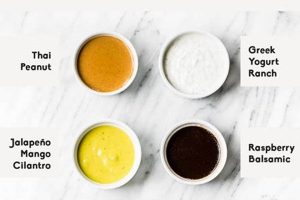
Creative combinations of ingredients are essential for developing flavorful and appealing non-fat salad dressings. The absence of fat, which typically carries flavor and contributes to a rich mouthfeel, necessitates innovative approaches to flavor building. Strategic pairings of ingredients can compensate for the lack of fat, resulting in dressings that are both healthy and satisfying. For instance, combining the smoky flavor of roasted red peppers with the tang of balsamic vinegar creates a complex and flavorful dressing without relying on oil. Similarly, a combination of fresh herbs, such as mint and cilantro, with lime juice and a touch of jalapeo can produce a vibrant and refreshing dressing ideal for summer salads.
The success of creative combinations in non-fat dressings relies on understanding the interplay of different flavor profiles. Balancing acidity, sweetness, savory notes, and contrasting textures creates a more dynamic and enjoyable sensory experience. Combining ingredients with complementary flavors, such as pairing sweet fruits with tart citrus, builds a foundation of balanced flavor. Introducing contrasting elements, such as a hint of spice to a predominantly sweet dressing, adds depth and complexity. Furthermore, incorporating ingredients with varying textures, like crunchy nuts or seeds, can elevate the overall sensory experience. A non-fat dressing featuring pureed mango, ginger, and a touch of rice vinegar exemplifies a successful balance of sweet, spicy, and acidic notes. The mango’s sweetness is complemented by the ginger’s warmth, while the rice vinegar provides a balancing acidity.
Developing successful non-fat salad dressings requires a departure from traditional reliance on oil and embraces creative exploration of flavor combinations. By understanding the interplay of different flavor profiles and textures, one can craft dressings that are not only health-conscious but also exciting and flavorful. This approach allows for a broader range of culinary possibilities, demonstrating that healthy eating does not necessitate sacrificing flavor or satisfaction. The potential for creative combinations in non-fat dressings is vast, offering endless opportunities for culinary innovation and personalized flavor experiences.
Frequently Asked Questions
This section addresses common inquiries regarding non-fat salad dressing recipes, providing clear and concise information to facilitate informed culinary choices.
Question 1: How can non-fat salad dressings achieve a desirable texture without oil?
Texture can be enhanced through the use of emulsifiers like Dijon mustard or xanthan gum, as well as by incorporating pureed fruits or vegetables for added body.
Question 2: Are non-fat dressings inherently less flavorful than traditional options?
Not necessarily. Strategic use of herbs, spices, and acidic ingredients like vinegar or citrus juice can create complex and vibrant flavor profiles.
Question 3: What is the role of acid in non-fat dressings?
Acid, from vinegar or citrus, provides essential brightness, aids emulsification, and acts as a natural preservative.
Question 4: How can sweetness be incorporated into non-fat dressings without excessive sugar?
Small amounts of natural sweeteners like honey or maple syrup can balance acidity, while also contributing subtle flavor nuances.
Question 5: How can one prevent non-fat dressings from being watery?
Proper emulsification and the use of thickening agents, such as a small amount of xanthan gum, help achieve a more desirable consistency.
Question 6: Do non-fat dressings offer any specific health benefits?
They typically contain fewer calories and less fat than traditional dressings, contributing to weight management and improved cardiovascular health when part of a balanced diet.
Understanding these aspects of non-fat salad dressing preparation allows for informed choices that support both health and culinary satisfaction. Experimentation with various ingredients and techniques can lead to the discovery of personalized flavor combinations that enhance any salad.
By addressing these common questions, individuals can approach non-fat dressing creation with confidence and embark on a journey of culinary exploration that aligns with health-conscious goals. The following sections will delve into specific recipe examples and offer further guidance on ingredient selection and preparation techniques.
Conclusion
Exploration of recipes for dressings that exclude fat reveals a diverse landscape of flavor and culinary technique. Careful consideration of acid profiles, the strategic deployment of herbs and spices, and the utilization of texture enhancers are critical for achieving satisfying results. Balancing these elements allows for the creation of dressings that are not only health-conscious but also contribute nuanced flavor dimensions to a variety of dishes.
The evolution of salad dressing recipes reflects broader dietary trends and an increasing awareness of the impact of dietary choices on well-being. Further exploration and experimentation with ingredients and techniques will undoubtedly continue to expand the repertoire of flavorful, health-conscious options. This ongoing culinary evolution promises a future where healthy eating remains synonymous with culinary enjoyment and satisfaction.