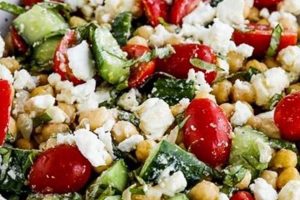
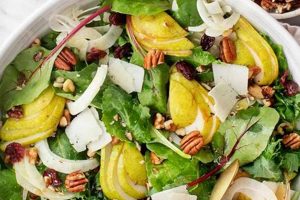
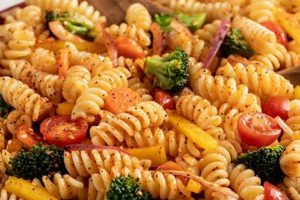
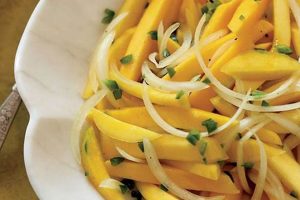
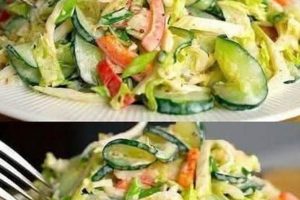
Salads crafted with ingredients low in fermentable oligosaccharides, disaccharides, monosaccharides, and polyols (FODMAPs) offer a nutritious and flavorful way to manage digestive discomfort for individuals with irritable bowel syndrome (IBS) or other related conditions. These recipes emphasize fresh produce, lean proteins, and healthy fats while carefully excluding high-FODMAP culprits like onions, garlic, wheat, and certain fruits. An example might include a salad featuring grilled chicken, spinach, cucumber, carrots, and a vinaigrette made with olive oil and lemon juice.
Adhering to a low-FODMAP diet can significantly reduce symptoms such as bloating, gas, abdominal pain, and irregular bowel movements often associated with IBS. By minimizing the intake of fermentable carbohydrates, these dietary strategies allow the gut to rest and recover. This approach has gained increasing recognition within the medical community as a valuable tool for managing gastrointestinal disorders and improving overall quality of life for those affected. The development of low-FODMAP resources, including recipe collections, represents a significant advancement in dietary management.
The subsequent sections will delve into specific ingredient choices suitable for low-FODMAP salads, provide practical tips for recipe adaptation, and offer a selection of delicious and easy-to-follow examples.
Tips for Low-FODMAP Salad Preparation
Creating delicious and symptom-free salads while adhering to a low-FODMAP diet requires careful ingredient selection and preparation. The following tips offer guidance for navigating potential challenges and maximizing flavor and nutritional value.
Tip 1: Focus on Leafy Greens: Spinach, lettuce (excluding iceberg), and rocket are excellent low-FODMAP choices. These provide essential vitamins and minerals while forming a satisfying base for the salad.
Tip 2: Choose Safe Vegetables: Carrots, cucumbers, bell peppers (red and yellow), and tomatoes are well-tolerated. Portion control remains important, as some low-FODMAP vegetables can become problematic in larger quantities.
Tip 3: Incorporate Lean Protein: Grilled chicken, fish, tofu, and hard-boiled eggs add protein and enhance satiety. Avoid processed meats which may contain high-FODMAP ingredients.
Tip 4: Select Permitted Fats: Olive oil, avocado oil, and small portions of avocado itself contribute healthy fats and flavor. Limit or avoid high-FODMAP nuts and seeds.
Tip 5: Create Flavorful Dressings: Homemade dressings using olive oil, lemon juice, vinegar, and permitted herbs (such as chives, parsley, and basil) offer the best control over ingredients. Avoid commercially prepared dressings that may contain hidden high-FODMAP additives.
Tip 6: Read Labels Carefully: Pre-packaged salad ingredients, including croutons and dressings, often contain high-FODMAP ingredients like onion and garlic powder. Thorough label review is crucial.
Tip 7: Introduce New Ingredients Gradually: Even low-FODMAP foods can cause sensitivities in some individuals. Introducing new ingredients one at a time allows for better identification of potential triggers.
By adhering to these guidelines, individuals can enjoy flavorful, nutrient-rich salads while effectively managing digestive health. This approach promotes long-term dietary success and enhances overall well-being.
The concluding section offers a collection of sample low-FODMAP salad recipes to inspire culinary creativity and provide practical meal solutions.
1. Leafy Greens (Base)

Leafy greens constitute the foundation of a successful low FODMAP salad. Their importance stems from several factors. First, they contribute substantial volume and texture without introducing high levels of FODMAPs, unlike certain grains or legumes often used as salad bases. This allows for a satisfying portion size while minimizing digestive distress. Second, leafy greens offer a wealth of nutrients, including vitamins A, C, and K, as well as folate and iron, crucial for overall health. Spinach, romaine lettuce, and butter lettuce are particularly suitable choices due to their low FODMAP content. Arugula and baby spinach, while generally accepted, should be consumed in moderation as some individuals may experience sensitivity to these greens in larger quantities.
The choice of leafy greens impacts not only the nutritional profile but also the overall flavor and aesthetic appeal of the salad. For instance, a robust spinach base pairs well with heartier toppings like grilled chicken and roasted vegetables, while delicate butter lettuce complements lighter additions such as flaked fish and citrus segments. Careful selection allows for customization based on individual preferences and dietary needs. Furthermore, the structural integrity of leafy greens contributes to the salad’s presentation. They provide a bed for other ingredients, preventing a watery or homogenous mixture, and enhancing visual appeal. This is particularly relevant for meal prepping, where the greens help maintain the salad’s freshness and prevent wilting.
Understanding the role of leafy greens as a cornerstone of low FODMAP salads enables informed dietary choices. Proper selection and portioning contribute not only to symptom management but also to nutritional intake and overall enjoyment. This knowledge empowers individuals to create diverse and satisfying meals within the constraints of a low FODMAP diet, supporting long-term adherence and improved quality of life. It also allows for greater flexibility and creativity in recipe development, transforming dietary restrictions into an opportunity for culinary exploration.
2. Low FODMAP Vegetables
Low FODMAP vegetables play a crucial role in creating flavorful and gut-friendly salads suitable for individuals following a low FODMAP diet. Careful selection of these vegetables ensures both nutritional value and symptom management. Understanding their properties and incorporating them strategically contributes significantly to dietary success.
- Variety and Nutritional Value
A wide range of low FODMAP vegetables offers diverse flavors, textures, and nutritional benefits. Options like bell peppers (red and yellow), carrots, cucumbers, eggplant, and spinach provide essential vitamins, minerals, and antioxidants. Incorporating a variety of these vegetables ensures a balanced nutrient intake while adding visual appeal and culinary interest to salads.
- Portion Control and Potential Pitfalls
While classified as low FODMAP, certain vegetables can trigger symptoms if consumed in large quantities. For example, a small serving of cherry tomatoes is generally well-tolerated, but a large portion might cause digestive discomfort. Understanding appropriate serving sizes for different low FODMAP vegetables is essential for symptom management. Consulting a FODMAP guide or a registered dietitian can provide specific recommendations.
- Preparation Methods and FODMAP Content
Preparation methods can influence the FODMAP content of some vegetables. For instance, canning or pickling certain vegetables can reduce their FODMAP load. However, added ingredients in canned or pickled products, such as high fructose corn syrup or onion powder, can introduce other FODMAPs. Careful label reading and selection of plain varieties are crucial.
- Building Flavor and Texture Combinations
Low FODMAP vegetables contribute significantly to the overall flavor profile and textural complexity of a salad. The crispness of cucumbers, the sweetness of carrots, and the peppery notes of bell peppers create a dynamic sensory experience. Combining different vegetables strategically enhances both the nutritional value and the culinary enjoyment of a low FODMAP salad.
The strategic incorporation of low FODMAP vegetables forms the cornerstone of successful low FODMAP salad creation. Understanding their individual characteristics, appropriate portion sizes, and potential preparation considerations empowers individuals to compose nutritious, flavorful, and symptom-free meals. This knowledge enhances dietary adherence and promotes long-term digestive health.
3. Suitable Proteins

Protein plays a vital role in low FODMAP salad recipes, contributing to satiety, nutritional balance, and overall meal satisfaction. Choosing appropriate protein sources ensures dietary adherence and symptom management while enhancing the culinary experience. Careful selection is crucial, as some protein-rich foods contain high levels of FODMAPs.
- Animal-Based Options
Lean poultry, such as chicken and turkey breast, offers a readily available and versatile low FODMAP protein source. Fish, including canned tuna and salmon, provides additional nutritional benefits, including omega-3 fatty acids. Hard-boiled eggs are another convenient and portable option. Portion sizes should be considered, as excessive intake of certain animal proteins can sometimes lead to digestive discomfort even in the absence of high FODMAP content.
- Plant-Based Alternatives
Firm tofu, tempeh (in moderation), and canned chickpeas (rinsed thoroughly) offer plant-based protein alternatives suitable for low FODMAP salads. These options provide valuable nutrients and contribute to dietary diversity. However, some plant-based proteins, like lentils and certain beans, are high in FODMAPs and should be avoided. Careful selection is essential to ensure compatibility with a low FODMAP diet.
- Protein Preparation Methods
Grilling, baking, or poaching are preferred cooking methods for low FODMAP protein sources. These techniques minimize the addition of high FODMAP ingredients often found in marinades or sauces. Flavor can be enhanced through the use of low FODMAP herbs, spices, and permitted oils, ensuring a delicious and gut-friendly meal.
- Balancing Protein with Other Ingredients
The proportion of protein in a low FODMAP salad should be balanced with other components, such as leafy greens and low FODMAP vegetables, to create a nutritionally complete and satisfying meal. Overemphasis on protein at the expense of other essential nutrients can negatively impact digestive health and overall well-being.
Integrating suitable proteins into low FODMAP salads enhances their nutritional value, promotes satiety, and contributes to long-term dietary adherence. Careful selection and preparation of these protein sources ensure compatibility with dietary restrictions while maximizing flavor and enjoyment. This mindful approach empowers individuals to create delicious and gut-friendly meals that support both digestive health and overall well-being.
4. Permitted Fats/Oils

Dietary fats and oils play a crucial role in low FODMAP salad recipes, contributing to satiety, nutrient absorption, and flavor enhancement. However, not all fats are created equal concerning their FODMAP content. Careful selection of permitted fats and oils is essential to avoid triggering digestive symptoms while maximizing nutritional value and palatability.
- Types of Permitted Fats and Oils
Several fats and oils are well-suited for low FODMAP diets. Olive oil, a staple in Mediterranean cuisine, is a versatile and flavorful choice. Avocado oil offers a mild flavor and high smoke point, making it suitable for various cooking applications. Other options include macadamia oil, walnut oil (in moderation), and infused oils made with permitted herbs like chives or rosemary.
- Benefits and Nutritional Considerations
Permitted fats and oils provide essential fatty acids, support vitamin absorption, and contribute to a feeling of fullness. Olive oil, in particular, is rich in monounsaturated fats, associated with various health benefits. Incorporating these healthy fats into low FODMAP salads enhances their nutritional profile and contributes to overall dietary balance.
- Portion Control and Potential Pitfalls
Even permitted fats and oils should be consumed in moderation. While generally low in FODMAPs, excessive intake can contribute to digestive discomfort. Portion control remains crucial for managing overall caloric intake and maintaining digestive health. Furthermore, certain seemingly innocuous additions, such as flavored oils containing garlic or onion, can introduce hidden FODMAPs and should be avoided.
- Enhancing Flavor and Texture
Fats and oils contribute significantly to the sensory experience of a salad. They enhance the flavor of other ingredients, create a more appealing texture, and promote satiety. The judicious use of permitted oils and fats elevates the culinary appeal of low FODMAP salads, making them more enjoyable and promoting dietary adherence.
The strategic incorporation of permitted fats and oils is essential for creating flavorful and satisfying low FODMAP salads. Understanding the properties, benefits, and potential pitfalls associated with different options empowers individuals to make informed choices that support digestive health while maximizing nutritional value and culinary enjoyment. This careful selection ensures that dietary restrictions do not compromise the overall quality and satisfaction derived from meals.
5. Safe Dressings/Flavorings
Salad dressings and flavorings play a pivotal role in the palatability and overall enjoyment of low FODMAP salads. However, many commercially available dressings contain high FODMAP ingredients, such as onion, garlic, honey, and high fructose corn syrup. Consequently, individuals following a low FODMAP diet must exercise caution and prioritize safe alternatives to avoid triggering digestive symptoms. The connection between safe dressings/flavorings and successful adherence to low FODMAP principles is direct and significant. Failure to utilize appropriate options can negate the benefits of carefully selecting low FODMAP salad ingredients.
Creating homemade dressings using permitted oils (e.g., olive oil, avocado oil), vinegar, and low FODMAP herbs and spices offers maximum control over ingredients. A simple vinaigrette made with olive oil, lemon juice, and fresh chives provides a flavorful and safe option. Alternatively, using a base of plain yogurt or lactose-free milk combined with permitted herbs and spices can create creamy dressings without the risk of high FODMAP ingredients. For example, a dressing made with lactose-free yogurt, dill, and lemon zest adds a refreshing tang to a salad without compromising dietary adherence. Understanding ingredient composition is paramount. Even seemingly safe options like pre-made spice blends can contain hidden high FODMAP components like onion or garlic powder. Careful label reading and ingredient awareness are crucial.
Successfully incorporating safe dressings and flavorings into low FODMAP salads hinges on informed decision-making and ingredient awareness. This careful approach ensures that flavor enhancement does not come at the expense of digestive health. Prioritizing homemade options or meticulously reviewing ingredient lists empowers individuals to enjoy flavorful and symptom-free salads while adhering to the principles of a low FODMAP diet. This attention to detail is crucial for maximizing the efficacy of dietary management and improving overall quality of life for those with FODMAP sensitivities.
6. Careful Preparation

Careful preparation is paramount in creating successful low FODMAP salad recipes. It directly impacts symptom management and ensures the efficacy of dietary restrictions. Meticulous attention to detail during preparation prevents accidental introduction of high FODMAP ingredients, preserving the integrity of the low FODMAP approach and maximizing its benefits for digestive health.
- Ingredient Selection and Verification
Thoroughly reviewing ingredient lists for hidden high FODMAPs is essential. Products like spice blends, sauces, and pre-packaged salad mixes can contain unexpected sources of FODMAPs, such as onion or garlic powder. Cross-referencing ingredients with a reliable FODMAP guide ensures compliance and minimizes the risk of symptom flares. Overlooking this step can inadvertently introduce problematic ingredients, undermining the entire low FODMAP approach.
- Cross-Contamination Prevention
Preventing cross-contamination is crucial, especially in kitchens where both high and low FODMAP foods are prepared. Using separate cutting boards, utensils, and cooking surfaces for low FODMAP ingredients prevents the transfer of trace amounts of high FODMAP substances. Thorough cleaning of shared equipment further minimizes the risk of cross-contamination and subsequent digestive discomfort.
- Proper Food Storage and Handling
Proper storage and handling of low FODMAP ingredients maintain their freshness and prevent spoilage, which can exacerbate digestive sensitivities. Storing prepared salads in airtight containers in the refrigerator minimizes exposure to air and moisture, preserving their quality and preventing bacterial growth. Adhering to safe food handling practices further reduces the risk of foodborne illnesses, which can compound existing digestive issues.
- Portion Control and Recipe Adaptation
Even low FODMAP ingredients can trigger symptoms if consumed in excessive quantities. Adhering to recommended serving sizes for various low FODMAP foods is essential. Modifying recipes to accommodate individual tolerances and portion preferences ensures dietary adherence and symptom management. Careful portioning prevents inadvertent FODMAP overload and maintains the efficacy of the low FODMAP diet.
Careful preparation represents the critical link between low FODMAP recipes and successful symptom management. It transforms theoretical dietary guidelines into practical, actionable steps that empower individuals to take control of their digestive health. Meticulous attention to detail in each stage of preparation ensures that the intended benefits of the low FODMAP diet are fully realized, contributing to improved well-being and a higher quality of life for those with FODMAP sensitivities.
Frequently Asked Questions
This section addresses common inquiries regarding low FODMAP salad preparation and consumption, providing clarity and guidance for individuals seeking to implement this dietary approach effectively.
Question 1: How does following low FODMAP salad recipes benefit individuals with IBS?
Low FODMAP salads minimize the intake of fermentable carbohydrates known to exacerbate IBS symptoms. This reduction can alleviate digestive discomfort, including bloating, gas, and abdominal pain.
Question 2: Are all salad ingredients low FODMAP?
No. Common salad components like onions, garlic, and certain fruits are high in FODMAPs. Careful selection of permitted ingredients is essential for successful low FODMAP salad creation.
Question 3: Can commercially prepared salad dressings be used in low FODMAP salads?
Many commercial dressings contain high FODMAP ingredients. Homemade dressings using permitted oils, vinegar, and herbs offer greater control and minimize the risk of symptom triggers.
Question 4: How can cross-contamination be avoided when preparing low FODMAP salads?
Using separate cutting boards, utensils, and cooking surfaces for low FODMAP ingredients prevents the inadvertent transfer of high FODMAP substances. Thorough cleaning of shared equipment further mitigates this risk.
Question 5: What are suitable protein sources for low FODMAP salads?
Grilled chicken, fish, tofu, and hard-boiled eggs are excellent low FODMAP protein choices. Avoiding processed meats, which may contain high FODMAP additives, is recommended.
Question 6: Are there any specific portion size recommendations for low FODMAP salad ingredients?
Even low FODMAP foods can trigger symptoms in large quantities. Consulting a registered dietitian or referring to a reputable FODMAP guide can provide specific portion recommendations for various ingredients.
Understanding these fundamental aspects of low FODMAP salad preparation contributes to effective symptom management and dietary success. Adherence to these principles allows individuals to enjoy flavorful and nutritious salads while minimizing digestive distress.
The information provided herein serves as a general guideline. Consulting with a healthcare professional or registered dietitian specializing in gastrointestinal health provides personalized dietary recommendations tailored to individual needs and sensitivities.
Low FODMAP Salad Recipes
Exploration of low FODMAP salad recipes reveals the potential for dietary management of digestive discomfort. Careful ingredient selection, focusing on permitted leafy greens, vegetables, proteins, fats, and dressings, forms the foundation of this approach. Emphasis on avoiding high FODMAP culprits, coupled with meticulous preparation techniques, minimizes symptom triggers. Understanding portion control and individual tolerances further refines dietary efficacy. This knowledge empowers informed choices that support digestive health without compromising nutritional value or culinary satisfaction.
Low FODMAP salad recipes represent more than a collection of ingredients; they offer a pathway to improved quality of life for those experiencing digestive distress. Embracing this dietary strategy, combined with guidance from healthcare professionals, unlocks opportunities for long-term symptom management and enhanced well-being. Continued research and resource development promise further advancements in understanding and addressing digestive health challenges through dietary interventions.