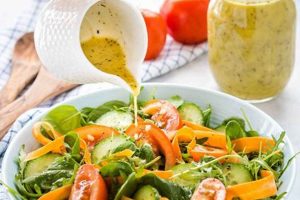
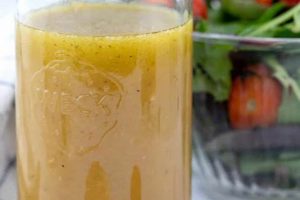
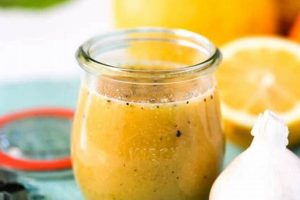
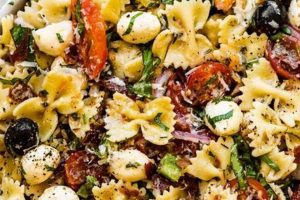
A vibrant and tangy emulsion of apple cider vinegar, oil, and seasonings creates a light yet flavorful dressing perfect for salads featuring leafy greens, fruits, or roasted vegetables. A typical preparation involves whisking together the vinegar, oil, and sweeteners like honey or maple syrup, then incorporating complementary flavors such as Dijon mustard, shallots, or herbs.
This type of dressing offers a refreshing alternative to heavier, cream-based dressings, contributing brightness and acidity that balances richer ingredients. The use of fruit-based vinegar introduces complex flavor profiles and can complement a wide range of culinary creations. Historically, vinaigrettes have been a staple in various cuisines, prized for their simplicity and versatility. The incorporation of apple cider vinegar specifically adds a touch of sweetness and tartness that aligns well with seasonal autumnal dishes.
Exploration of specific ingredient combinations, techniques for achieving optimal emulsification, and suitable food pairings will further illustrate the versatility and appeal of this culinary staple.
Tips for Crafting a Superior Vinaigrette
Achieving a well-balanced and flavorful vinaigrette requires attention to detail and an understanding of the interplay between ingredients. These tips offer guidance for creating a dressing that elevates any salad.
Tip 1: Balance Sweetness and Acidity. The ratio of vinegar to oil influences the dressing’s overall character. Start with a standard 1:3 ratio (vinegar to oil) and adjust based on personal preference. A touch of honey or maple syrup can temper excessive tartness.
Tip 2: Emulsify Thoroughly. A stable emulsion prevents the dressing from separating. Whisk the vinegar and sweetener together before slowly drizzling in the oil while whisking constantly. Alternatively, a blender or food processor can create a smoother, more homogenous emulsion.
Tip 3: Select High-Quality Ingredients. The flavor of the dressing depends heavily on the quality of the components. Use fresh, cold-pressed oil and good quality apple cider vinegar for optimal results.
Tip 4: Experiment with Flavor Combinations. Dijon mustard adds a creamy texture and tangy flavor, while minced shallots or garlic contribute sharpness. Fresh or dried herbs, such as thyme or rosemary, can further enhance the complexity of the dressing.
Tip 5: Season Carefully. Salt and freshly ground black pepper are essential for enhancing the flavors of the other ingredients. Taste and adjust seasoning as needed.
Tip 6: Make Ahead and Store Properly. Vinaigrettes can be prepared in advance and stored in an airtight container in the refrigerator for up to a week. Shake well before serving as some separation may occur.
Tip 7: Consider Complementary Pairings. This style of vinaigrette complements salads with robust greens like kale or spinach, as well as those featuring fruits like apples, pears, or berries. It also pairs well with roasted vegetables or grilled chicken.
By following these guidelines, one can consistently create a delicious and versatile dressing that enhances the flavor of any salad.
Ultimately, crafting a successful vinaigrette allows for culinary creativity and personalization, transforming a simple salad into a memorable culinary experience.
1. Apple Cider Vinegar

Apple cider vinegar constitutes a foundational ingredient in apple vinaigrette salad dressing recipes, contributing significantly to the characteristic flavor profile. Its presence provides a complex interplay of sweetness, tartness, and subtle fruit notes that distinguishes this dressing from other vinaigrettes. Understanding the various facets of apple cider vinegar deepens appreciation for its role in culinary applications.
- Acidity and pH:
The acidity of apple cider vinegar, derived from acetic acid, provides the foundational tartness essential for balancing the richness of the oil and sweetness of any added sugars. This tartness also complements the flavors of fresh vegetables and other salad components. The specific pH level influences the overall balance and preservation of the dressing.
- Flavor Profile:
Beyond its primary tartness, apple cider vinegar offers nuanced flavors derived from the apples used in its production. These notes can range from bright and crisp to mellow and sweet, depending on the apple variety and fermentation process. This complexity contributes depth to the vinaigrette, moving beyond simple acidity.
- Health Considerations:
While not a primary focus in culinary applications, apple cider vinegar is often associated with potential health benefits, including improved digestion and blood sugar regulation. While further research is needed to substantiate these claims, its inclusion in a salad dressing might offer ancillary advantages.
- Interaction with Other Ingredients:
Apple cider vinegar interacts dynamically with other vinaigrette components. It emulsifies with oil to create a stable dressing, and its acidity balances the sweetness of honey or maple syrup. It also complements the flavors of herbs, spices, and other aromatics commonly included in such recipes.
The properties of apple cider vinegar contribute significantly to the overall sensory experience of an apple vinaigrette. Its acidity, nuanced flavor profile, and interaction with other ingredients create a harmonious balance that enhances the taste and texture of salads. Selection of a high-quality apple cider vinegar is crucial for maximizing its beneficial attributes within the dressing.
2. Oil (e.g., extra virgin olive)

Oil forms the foundation of an apple vinaigrette salad dressing recipe, contributing body, texture, and flavor. The choice of oil significantly impacts the dressing’s overall character, influencing its mouthfeel, nutritional value, and compatibility with other ingredients. Exploring the various aspects of oil selection provides a deeper understanding of its role in creating a successful vinaigrette.
- Flavor Profile
Different oils possess distinct flavor profiles that can either complement or clash with the other ingredients. Extra virgin olive oil, a popular choice, offers a fruity, peppery flavor that pairs well with the tartness of apple cider vinegar. Other options, such as avocado or grapeseed oil, provide a more neutral flavor, allowing the other ingredients to shine.
- Texture and Viscosity
The oil’s viscosity contributes to the dressing’s mouthfeel and emulsification properties. A thicker oil, like extra virgin olive oil, creates a richer, more substantial dressing, while a thinner oil, like grapeseed oil, yields a lighter, more delicate texture.
- Nutritional Content
Different oils offer varying nutritional profiles. Extra virgin olive oil is rich in monounsaturated fats and antioxidants, while other oils may offer different fatty acid compositions and micronutrient content. The choice of oil contributes to the overall nutritional value of the salad.
- Emulsification Properties
The oil’s ability to emulsify with the vinegar determines the dressing’s stability and texture. Certain oils, like extra virgin olive oil, emulsify more readily than others, creating a smoother, more homogenous dressing that resists separation.
Careful selection of oil is crucial for achieving the desired flavor, texture, and nutritional balance in an apple vinaigrette. The oil interacts with the other ingredients, contributing significantly to the dressing’s overall character and its ability to enhance the flavors of the salad.
3. Sweetener (honey or maple syrup)
Sweeteners, primarily honey or maple syrup, play a crucial role in apple vinaigrette salad dressing recipes, balancing the tartness of the apple cider vinegar and contributing to the overall flavor profile. Their presence bridges the gap between acidity and richness, creating a more harmonious and palatable dressing. The choice and quantity of sweetener influence the final taste and texture, impacting the dressing’s interaction with other ingredients and its suitability for various salad combinations.
Honey, with its complex floral and fruity notes, adds depth and richness to the vinaigrette. Its viscosity also contributes to the dressing’s texture, enhancing its ability to coat and cling to salad ingredients. Maple syrup, alternatively, offers a distinct caramel-like sweetness and a slightly thinner consistency. Its unique flavor profile complements the apple cider vinegar, creating a balanced and nuanced taste. The quantity of sweetener depends on personal preference and the desired level of sweetness. A small amount may suffice to temper the vinegar’s sharpness, while a larger quantity can create a sweeter, more dessert-like dressing. Over-sweetening, however, can mask the other flavors and make the dressing cloying. Careful consideration of the sweetener’s intensity and the other ingredients’ flavors ensures a balanced and well-rounded vinaigrette. For instance, a salad featuring bitter greens might benefit from a slightly sweeter dressing, while a salad with sweet fruits might require less added sugar.
Understanding the impact of sweeteners on apple vinaigrette allows for precise control over the final product. Careful balancing of sweetness, acidity, and other flavors ensures a dressing that complements the salad ingredients and enhances the overall dining experience. The interplay between these elements contributes significantly to the vinaigrette’s versatility and appeal.
4. Dijon Mustard
Dijon mustard, a key ingredient in many apple vinaigrette salad dressing recipes, contributes significantly to the overall flavor profile and texture. Its inclusion provides a nuanced complexity, bridging the gap between the sweetness of the apples and the acidity of the vinegar. Understanding the role of Dijon mustard is crucial for crafting a balanced and flavorful vinaigrette.
- Emulsification and Texture
Dijon mustard acts as an emulsifier, helping to bind the oil and vinegar together, creating a stable and creamy dressing. The mustard’s texture also contributes to the overall mouthfeel, adding a subtle thickness and richness to the vinaigrette. This emulsification prevents the dressing from separating, ensuring a consistent flavor and texture in every bite.
- Flavor Complexity
The distinct flavor profile of Dijon mustard, characterized by its tanginess and subtle heat, adds depth and complexity to the vinaigrette. The mustard’s pungency balances the sweetness of the apple cider vinegar and any additional sweeteners, creating a more well-rounded and nuanced flavor profile. The specific type of Dijon used, whether whole grain or smooth, can further influence the final taste.
- Balancing Acidity
Dijon mustard helps to temper the acidity of the apple cider vinegar, creating a more balanced and palatable dressing. Its slightly alkaline nature counteracts the vinegar’s sharpness, resulting in a smoother, less acidic flavor. This balance allows the other flavors in the vinaigrette, such as the sweetness of the apples and the herbs, to shine through.
- Complementary Flavor Pairings
Dijon mustard complements the other ingredients commonly found in apple vinaigrette, such as shallots, herbs, and spices. Its flavor profile works harmoniously with these components, creating a cohesive and balanced taste. For example, the sharpness of Dijon enhances the sweetness of caramelized onions or the earthiness of roasted vegetables often paired with apple vinaigrette.
The inclusion of Dijon mustard elevates the apple vinaigrette beyond a simple mixture of oil and vinegar, adding depth, complexity, and textural richness. Its emulsification properties, distinct flavor profile, and ability to balance acidity contribute significantly to the dressing’s overall quality and versatility. Understanding these facets allows for a more informed approach to crafting a superior apple vinaigrette salad dressing.
5. Shallots or Garlic

Shallots or garlic, while optional additions to an apple vinaigrette salad dressing recipe, contribute a pungent and savory depth that elevates the overall flavor profile. These alliums offer distinct characteristics that, when used judiciously, enhance the complexity and balance of the vinaigrette, creating a more nuanced and sophisticated culinary experience. Their presence provides a crucial counterpoint to the sweetness of the apples and the acidity of the vinegar.
Shallots, with their mild and slightly sweet flavor, offer a delicate sharpness that complements the other ingredients without overpowering them. Their subtle oniony notes blend harmoniously with the apple cider vinegar, creating a layered and balanced flavor profile. Finely minced shallots disperse evenly throughout the dressing, ensuring their flavor permeates every bite. Alternatively, garlic, with its more assertive and pungent flavor, provides a bolder counterpoint to the sweetness and acidity. Its sharp, almost spicy notes add a depth and complexity that can be particularly appealing in salads featuring robust greens or roasted vegetables. The quantity of garlic used must be carefully considered, as too much can easily dominate the other flavors.
The choice between shallots and garlic, or even a combination of both, depends on the desired intensity and overall flavor profile. Shallots provide a subtle elegance, while garlic offers a more robust and assertive presence. Understanding these nuances allows for a tailored approach to creating an apple vinaigrette that perfectly complements the chosen salad ingredients and individual preferences. This judicious use of alliums demonstrates a sophisticated understanding of flavor balance and culinary artistry.
6. Herbs (fresh or dried)
The judicious use of herbs elevates an apple vinaigrette salad dressing recipe from simple to sophisticated. Carefully selected herbs contribute aromatic complexity and depth, enhancing the interplay of sweet, tart, and savory flavors characteristic of this vinaigrette. The choice between fresh and dried herbs, as well as specific varietals, allows for customization and nuanced flavor profiles.
- Fresh Herbs: Vibrant and Delicate
Fresh herbs offer a bright, vibrant flavor and delicate aroma. Common choices include chives, parsley, tarragon, and thyme. Chives impart a mild onion flavor, while parsley contributes a clean, fresh taste. Tarragon adds a subtle anise-like note, and thyme offers an earthy, slightly lemony flavor. Fresh herbs should be added towards the end of the preparation process to preserve their delicate flavors and avoid bruising.
- Dried Herbs: Concentrated and Earthy
Dried herbs provide a more concentrated, earthy flavor. Options such as oregano, marjoram, and rosemary impart robust, savory notes that complement the apple cider vinegar’s tartness. Dried herbs benefit from steeping briefly in the vinaigrette to rehydrate and release their full flavor potential. Due to their concentrated nature, smaller quantities of dried herbs are required compared to fresh.
- Balancing Flavors
The selection of herbs should complement the other vinaigrette ingredients and the salad components. For instance, a salad featuring delicate greens might benefit from the subtle flavors of chives or parsley, while a salad with roasted root vegetables might pair well with the more robust flavors of rosemary or thyme. Careful consideration of these pairings ensures a harmonious and balanced flavor profile.
- Herb Combinations
Experimentation with herb combinations can yield exciting and nuanced flavors. A blend of fresh parsley and chives offers a classic combination, while a mix of dried oregano and marjoram provides a more Mediterranean-inspired profile. The possibilities are vast, allowing for culinary creativity and personalized flavor combinations.
The incorporation of herbs adds a crucial layer of complexity to apple vinaigrette salad dressing recipes. Whether fresh or dried, the careful selection and combination of herbs elevates the vinaigrette, transforming it into a nuanced and flavorful complement to a wide variety of salads. Understanding the characteristics of different herbs empowers culinary exploration and personalized flavor profiles.
7. Seasoning (salt and pepper)
Seasoning, primarily with salt and pepper, constitutes a crucial step in finalizing an apple vinaigrette salad dressing recipe. Proper seasoning elevates and balances the other flavors, ensuring the vinaigrette complements, rather than overwhelms, the salad components. A thoughtful approach to seasoning enhances the overall dining experience.
- Salt’s Role in Flavor Enhancement
Salt amplifies the inherent flavors of the other ingredients, including the sweetness of the apple cider vinegar and any added sweeteners, the sharpness of the Dijon mustard, and the aromatics of the herbs and alliums. Salt also reduces bitterness and enhances perceived sweetness, creating a more balanced and palatable flavor profile. Different types of salt, such as kosher salt or sea salt, offer varying textures and mineral complexities that can subtly influence the final taste.
- Pepper’s Contribution to Complexity
Freshly ground black pepper adds a layer of complexity and subtle heat to the vinaigrette. Its pungent and slightly spicy notes contrast with the other flavors, creating a more dynamic and interesting sensory experience. The coarseness of the grind influences the intensity of the pepper’s flavor, with finer grinds offering a more pronounced heat and coarser grinds providing a milder, more textural presence.
- Balancing Flavors through Seasoning
The interplay between salt and pepper, along with the other ingredients, requires careful balancing. Too much salt can overpower the delicate flavors of the vinaigrette, while too little can leave it tasting flat and uninspired. Similarly, an excessive amount of pepper can create an unpleasant burning sensation, while too little fails to provide the desired complexity. Achieving the right balance enhances the overall harmony of the vinaigrette.
- The Importance of Tasting and Adjusting
The final seasoning process involves tasting and adjusting according to personal preference and the specific ingredients used. The inherent sweetness of the apples, the acidity of the vinegar, and the pungency of the other components influence the amount of salt and pepper required. Incremental additions, followed by careful tasting, ensure a balanced and well-seasoned vinaigrette that complements the chosen salad.
Proper seasoning with salt and pepper represents a fundamental step in creating a successful apple vinaigrette. This seemingly simple act elevates the other flavors, creating a harmonious and balanced dressing that enhances the overall culinary experience. The careful consideration of salt and pepper’s impact on the other vinaigrette components and the salad itself underscores the importance of this final step in the recipe.
Frequently Asked Questions
This section addresses common inquiries regarding apple vinaigrette salad dressing recipes, offering concise and informative responses to facilitate a deeper understanding of this versatile culinary staple.
Question 1: What type of apple cider vinegar is best suited for vinaigrette preparation?
Raw, unfiltered apple cider vinegar, often labeled “with the mother,” is generally preferred for its richer flavor and potential health benefits. Filtered versions are acceptable, but may lack the same depth of flavor.
Question 2: Can alternative oils be substituted for extra virgin olive oil?
Yes, oils such as avocado, grapeseed, or sunflower oil can be substituted. However, the flavor profile of the vinaigrette will be affected. Neutral oils allow other ingredients to shine, while oils like avocado oil offer a creamy texture.
Question 3: How long can apple vinaigrette be stored?
When stored properly in an airtight container in the refrigerator, apple vinaigrette typically lasts for up to one week. Separation may occur, so shaking well before use is recommended.
Question 4: How can excessive tartness in the vinaigrette be remedied?
Additional sweetener, such as honey or maple syrup, can be added incrementally to balance excessive tartness. Tasting after each addition is crucial to avoid over-sweetening.
Question 5: Can this vinaigrette be used for purposes beyond salad dressing?
Its versatility extends to marinades for poultry or fish, as a glaze for roasted vegetables, or as a dipping sauce for bread. The balanced flavor profile complements a wide range of culinary applications.
Question 6: What salad ingredients pair particularly well with apple vinaigrette?
Leafy greens like spinach and kale, fruits like apples and pears, cheeses such as goat cheese and feta, and roasted vegetables like Brussels sprouts and sweet potatoes all complement the flavors of apple vinaigrette.
Understanding these frequently asked questions provides a foundation for successful apple vinaigrette preparation and utilization, enabling culinary exploration and personalized flavor experiences.
Further exploration of specific recipe variations and advanced techniques can enhance culinary expertise and unlock the full potential of this versatile dressing.
Apple Vinaigrette Salad Dressing Recipe
Exploration of apple vinaigrette salad dressing recipes reveals a versatile and nuanced culinary creation. From the foundational balance of apple cider vinegar and oil to the considered inclusion of sweeteners, Dijon mustard, alliums, and herbs, each component contributes distinct characteristics to the final product. An understanding of ingredient interactions, proper emulsification techniques, and thoughtful seasoning practices allows for consistent creation of a balanced and flavorful dressing. Adaptability to various flavor profiles and culinary applications further underscores the value of mastering this classic recipe.
The potential for customization within apple vinaigrette formulations invites culinary creativity and personalized flavor experiences. Continued exploration of ingredient combinations and techniques promises further enhancement of salads and other culinary creations, solidifying the apple vinaigrette’s place as a versatile and enduring staple in gastronomy.