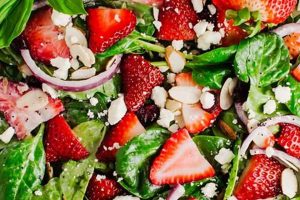
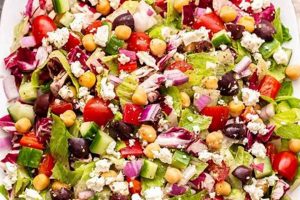
Crisp and refreshing salads centered around romaine lettuce offer a versatile canvas for culinary creativity. These dishes can range from simple preparations with minimal ingredients to complex combinations featuring diverse flavors and textures. For instance, a classic Caesar salad showcases romaine’s sturdy leaves paired with creamy dressing, Parmesan cheese, and crunchy croutons, while other variations might incorporate grilled chicken, roasted vegetables, or a variety of fruits and nuts.
Such salads provide significant nutritional value, offering a good source of vitamins A and K, folate, and dietary fiber. Romaine’s robust texture allows it to hold up well to various dressings and toppings, making it a popular choice for both light lunches and substantial side dishes. Its refreshing character has contributed to its long-standing presence in cuisines worldwide, from the ancient Romans who cultivated lettuce to modern culinary trends emphasizing fresh, healthy ingredients.
The following sections will explore diverse approaches to preparing romaine-based salads, encompassing classic recipes, innovative flavor combinations, and tips for selecting and preparing ingredients. Detailed instructions and suggested variations will empower readers to create flavorful and nutritious salads suited to their individual preferences.
Tips for Preparing Romaine Lettuce Salads
Achieving optimal flavor and texture in romaine-based salads requires attention to key preparation techniques. The following tips offer guidance for creating exceptional dishes.
Tip 1: Selecting Romaine: Choose heads of romaine that are vibrant green with crisp, unblemished leaves. Avoid lettuce with wilted or browned edges.
Tip 2: Proper Washing: Thoroughly wash romaine leaves individually under cold running water to remove any dirt or debris. A salad spinner can effectively dry the leaves.
Tip 3: Crispness Preservation: Store washed and dried romaine in a sealed container lined with paper towels to maintain crispness in the refrigerator.
Tip 4: Strategic Chopping: Tear romaine leaves into bite-sized pieces or chop them crosswise for easier handling and even distribution of dressing.
Tip 5: Dressing Application: Add dressing just before serving to prevent the leaves from becoming soggy. Toss gently to ensure even coating.
Tip 6: Ingredient Balance: Consider the flavor profiles of other ingredients when selecting toppings. Complementary combinations enhance the overall taste experience. For example, strong cheeses pair well with robust dressings, while delicate herbs complement lighter vinaigrettes.
Tip 7: Flavor Layering: Introduce textural variety and flavor complexity through the inclusion of croutons, nuts, seeds, or other crunchy elements.
By following these guidelines, one can consistently produce fresh, flavorful salads that highlight the appealing qualities of romaine lettuce. Attention to these details elevates the dish from simple to exceptional.
These techniques provide a foundation for successful romaine salad preparation. Further exploration of specific recipes will expand upon these principles.
1. Fresh, Crisp Romaine

Fresh, crisp romaine provides the essential foundation for successful romaine lettuce salad recipes. The structural integrity of crisp romaine allows it to maintain its shape and texture when combined with other ingredients and dressings. A lack of freshness results in wilted, limp leaves that detract from the overall appeal and compromise the sensory experience. For instance, a Caesar salad prepared with crisp romaine maintains a satisfying crunch, while wilted lettuce creates an unappetizing, soggy texture. The crispness also contributes to a more refreshing and palatable eating experience. This highlights the direct causal relationship between the lettuce’s condition and the final dish’s quality.
Recipes emphasizing fresh, crisp romaine often incorporate ingredients and techniques designed to preserve and enhance this desirable characteristic. Thorough washing and drying, proper storage, and the timing of dressing application all contribute to maintaining optimal crispness. Furthermore, the choice of complementary ingredients, such as croutons, nuts, or other crunchy vegetables, can further enhance the textural contrast and overall appeal. Recipes highlighting grilled or roasted romaine, where slight charring enhances the inherent sweetness, offer an alternative approach that still relies on the initial freshness of the lettuce.
Ultimately, the importance of fresh, crisp romaine in these recipes extends beyond mere aesthetics. It directly impacts the dish’s palatability, enjoyment, and overall success. Recognizing this connection enables informed ingredient selection, appropriate preparation techniques, and a heightened appreciation for the crucial role that fresh, high-quality produce plays in culinary endeavors. This understanding empowers informed choices, ensuring a more satisfying culinary experience.
2. Complementary Ingredients
Complementary ingredients play a crucial role in elevating romaine lettuce salad recipes from simple to exceptional. The inherent neutrality of romaine provides a versatile backdrop for a wide range of flavors and textures. Thoughtful ingredient selection creates balanced, harmonious compositions that engage the palate. The interplay of contrasting or complementary elements adds depth and complexity. For example, the sharpness of Parmesan cheese offsets the richness of creamy Caesar dressing, while the sweetness of dried cranberries complements the peppery notes of a balsamic vinaigrette. The strategic inclusion of complementary ingredients transforms a basic salad into a multi-dimensional culinary experience.
The selection of complementary ingredients directly impacts the nutritional value and overall health benefits. Adding protein-rich components such as grilled chicken, fish, or beans elevates the salad from a side dish to a complete meal. Incorporating a variety of colorful vegetables increases the intake of essential vitamins and minerals. The addition of healthy fats from avocados, nuts, or seeds contributes to satiety and provides a range of beneficial nutrients. Thus, ingredient choices significantly influence the nutritional profile and contribute to a balanced diet. Understanding these relationships empowers informed decision-making, promoting healthier eating habits.
Successful romaine lettuce salad recipes leverage complementary ingredients to create harmonious flavor profiles and maximize nutritional value. This understanding facilitates the creation of well-rounded, satisfying dishes that contribute to a balanced and enjoyable dietary experience. Recognizing the interplay of flavors and textures empowers culinary exploration and encourages a deeper appreciation for the art of combining ingredients effectively. This knowledge base allows for greater creativity and control in recipe development and adaptation.
3. Balanced Dressings

Balanced dressings are essential for successful romaine lettuce salad recipes. They provide flavor, moisture, and can significantly enhance the overall culinary experience. A well-balanced dressing complements the romaine’s neutral flavor without overpowering it, allowing other ingredients to shine while contributing to a cohesive and satisfying dish. Understanding the components of a balanced dressing allows for informed choices and recipe customization.
- Acidity
Acidity, often derived from vinegar or citrus juice, provides brightness and cuts through the richness of other ingredients. Lemon juice in a Caesar salad, for example, balances the creamy dressing and richness of Parmesan cheese. The level of acidity influences the overall flavor profile and can be adjusted to complement other components.
- Sweetness
Sweetness, often incorporated through honey, maple syrup, or fruit juices, adds depth and complexity. A touch of honey in a vinaigrette, for example, can balance the sharpness of vinegar. Careful balancing prevents excessive sweetness, ensuring the dressing complements rather than overwhelms the other flavors.
- Fat
Fat, typically from olive oil or other vegetable oils, contributes richness and helps distribute flavors evenly. The type of oil influences the flavor profile. Extra virgin olive oil, for example, lends a peppery note, while avocado oil offers a milder flavor. The amount of fat impacts the dressing’s texture and its ability to coat the lettuce leaves effectively.
- Seasoning
Seasoning, including salt, pepper, and herbs, enhances the overall flavor profile. Freshly ground black pepper adds a subtle spice, while herbs like parsley, chives, or dill contribute distinct aromatic notes. Proper seasoning elevates the dressing and complements the other salad components. The balance of seasonings ensures a harmonious and flavorful final product.
The interplay of these elements in a balanced dressing elevates romaine lettuce salad recipes. Understanding their individual contributions and how they interact allows for informed choices and creative customization. A well-crafted dressing enhances the overall dining experience, transforming a simple salad into a flavorful and satisfying culinary creation. This understanding empowers creativity and ensures the dressing complements the romaine and other ingredients harmoniously.
4. Proper Preparation Techniques

Proper preparation techniques are integral to successful romaine lettuce salad recipes. These techniques directly impact the final dish’s quality, influencing texture, flavor, and overall presentation. Careful attention to each step, from washing to chopping, ensures optimal results and maximizes the enjoyment of the salad. Neglecting proper techniques can compromise the salad’s appeal, resulting in a less satisfying culinary experience. For instance, improper washing can leave residual grit, while careless chopping can lead to unevenly sized pieces and uneven dressing distribution. These seemingly minor details can significantly affect the overall enjoyment and perceived quality of the final product. Furthermore, proper preparation contributes to food safety by minimizing the risk of contamination.
Specific techniques play crucial roles in achieving desired outcomes. Thoroughly washing romaine leaves individually under cold running water removes dirt and potential contaminants. Drying the leaves completely, preferably with a salad spinner, prevents the dressing from becoming diluted and the leaves from wilting. Tearing or chopping the romaine into bite-sized pieces ensures even distribution of dressing and facilitates easier handling. Storing washed and dried romaine in a sealed container lined with paper towels maintains crispness. Adding the dressing just before serving prevents the leaves from becoming soggy and maintains the desired texture. These practical steps, though seemingly simple, significantly influence the final result.
Mastery of proper preparation techniques elevates romaine lettuce salad recipes from ordinary to exceptional. These techniques, while fundamental, are crucial for achieving optimal texture, flavor, and presentation. They demonstrate a commitment to culinary excellence and contribute to a more satisfying dining experience. Consistent application of these techniques ensures predictable results and allows for greater control over the final product. This understanding empowers culinary exploration and enhances the appreciation for the impact of proper technique on overall dish quality.
5. Creative Flavor Combinations

Creative flavor combinations distinguish exceptional romaine lettuce salad recipes from standard preparations. Romaine’s neutral flavor profile provides a versatile canvas for culinary exploration. Strategic combinations of ingredients, textures, and dressings elevate the sensory experience, transforming a simple salad into a complex and satisfying dish. The interplay of sweet, savory, acidic, and spicy elements creates depth and intrigue. For instance, the combination of grilled peaches, crumbled goat cheese, toasted pecans, and a balsamic vinaigrette offers a dynamic interplay of sweet, tangy, savory, and crunchy elements that complement the romaine’s crisp texture. Similarly, a salad featuring roasted corn, black beans, avocado, cotija cheese, and a lime-cilantro dressing provides a vibrant Southwestern flair, demonstrating the versatility of romaine as a base for diverse flavor profiles. Such creativity expands the culinary possibilities, moving beyond traditional concepts and encouraging experimentation.
Understanding the principles of flavor pairing allows for informed ingredient selection and the development of innovative combinations. Consideration of complementary and contrasting flavors, textures, and temperatures enhances the overall dining experience. The addition of unexpected elements, such as toasted spices, unique herbs, or fruit-based salsas, can further elevate the salad’s complexity and appeal. Manipulating cooking methods also contributes to flavor development. Grilling romaine, for example, imparts a smoky char, while roasting vegetables intensifies their natural sweetness. These techniques add depth and complexity, transforming simple ingredients into dynamic components of a well-composed salad. Furthermore, awareness of seasonal ingredients allows for optimal flavor and nutritional value, reflecting a commitment to culinary excellence.
Culinary innovation within romaine lettuce salad recipes hinges on creative flavor combinations. This approach transforms a basic dish into a culinary expression, showcasing the versatility of romaine and the potential for innovative pairings. Such experimentation fosters a deeper appreciation for the art of flavor composition and encourages ongoing exploration within the culinary realm. This understanding empowers the creation of distinctive and memorable salads that engage the palate and elevate the dining experience. Ultimately, creative flavor combinations unlock the full potential of romaine lettuce, transforming it from a simple staple into a versatile ingredient capable of supporting a wide range of culinary creations.
Frequently Asked Questions
This section addresses common inquiries regarding romaine lettuce salad recipes, offering practical guidance and clarifying potential misconceptions. The information provided aims to empower informed choices and enhance culinary experiences.
Question 1: How can one prevent romaine lettuce from becoming soggy in a salad?
Sogginess can be prevented by thoroughly drying the romaine after washing and adding the dressing immediately before serving. Storing the leaves in a sealed container lined with paper towels also helps maintain crispness.
Question 2: What are some suitable protein options to add to a romaine lettuce salad?
Suitable protein options include grilled chicken or fish, shrimp, beans, lentils, tofu, and hard-boiled eggs. The choice of protein can be tailored to dietary preferences and desired flavor profiles.
Question 3: Can romaine lettuce be grilled or roasted for salads?
Grilling or roasting romaine adds a smoky char and enhances its inherent sweetness. Halved or quartered heads can be grilled or roasted until slightly tender and then incorporated into salads.
Question 4: What are some healthy dressing alternatives to creamy dressings?
Vinaigrettes made with olive oil, vinegar, and herbs offer a lighter and healthier alternative to creamy dressings. Flavor variations can be achieved through the addition of citrus juices, spices, or different types of vinegar.
Question 5: How long can prepared romaine lettuce salad be stored in the refrigerator?
Prepared romaine lettuce salad, without dressing, can typically be stored in the refrigerator for up to three days. Adding dressing just before serving maintains optimal freshness and prevents sogginess.
Question 6: How can one incorporate seasonal ingredients into romaine lettuce salad recipes?
Utilizing seasonal fruits and vegetables enhances flavor and nutritional value. Summer salads might include berries and tomatoes, while fall salads might incorporate apples and roasted squash. Adapting recipes to seasonal availability maximizes freshness and flavor complexity.
Addressing these common queries provides a foundation for successful romaine lettuce salad preparation. Understanding these aspects allows for informed decision-making and enhances the overall culinary experience. This knowledge promotes culinary confidence and encourages experimentation with various ingredients and techniques.
This concludes the frequently asked questions section. The following segment will offer a selection of specific romaine lettuce salad recipes for practical application.
Conclusion
Exploration of romaine lettuce salad recipes reveals the versatility and potential of this culinary staple. Emphasis on fresh, high-quality romaine, balanced dressings, complementary ingredients, proper preparation techniques, and creative flavor combinations yields exceptional results. Understanding the interplay of these elements allows for informed choices, culinary innovation, and the creation of dishes that satisfy both nutritional and aesthetic requirements. From classic preparations to innovative interpretations, the potential for diverse and flavorful salads featuring romaine lettuce is considerable. The adaptability of romaine supports a wide range of flavor profiles, accommodating diverse culinary traditions and personal preferences.
Culinary exploration within the realm of romaine lettuce salad recipes offers a pathway to healthier eating habits and heightened culinary appreciation. The simplicity of preparation combined with the potential for complex flavor combinations makes these salads accessible to a wide range of culinary skill levels. Continued experimentation with ingredients, dressings, and techniques further expands culinary horizons and promotes an ongoing appreciation for the versatility of fresh, wholesome ingredients. The adaptability of romaine lettuce ensures its continued relevance within the evolving culinary landscape, offering a timeless foundation for culinary creativity and innovation.