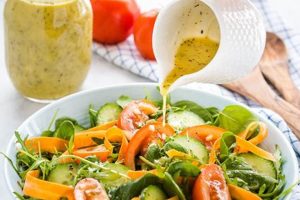
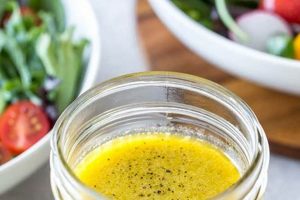
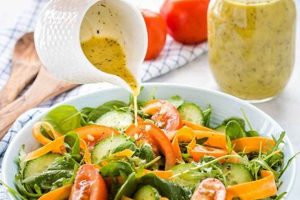
Plant-based dressings that eschew oil offer a lighter alternative to traditional emulsified dressings. These recipes typically rely on ingredients such as nut butters, silken tofu, tahini, or avocado for creaminess and body, while flavor is derived from fruits, vegetables, herbs, spices, and acidic components like vinegar or citrus juice. For example, a vibrant dressing might combine blended raspberries, apple cider vinegar, and Dijon mustard.
Oil-free preparations can be advantageous for individuals seeking to reduce their fat intake or adhere to specific dietary guidelines. Eliminating oil also often results in a dressing with a brighter, fresher flavor profile that allows the natural tastes of the salad ingredients to shine. Historically, many cultures have utilized oil-free methods for creating flavorful sauces and condiments, often relying on techniques like fermentation or the incorporation of starchy vegetables for thickening and emulsification.
Further exploration will cover various techniques for creating these dressings, highlight popular flavor combinations, and offer practical tips for achieving desired textures and consistencies. Specific recipes will be provided, along with suggestions for ingredient substitutions and adaptations to suit individual preferences.
Tips for Crafting Delicious Oil-Free Vegan Salad Dressings
Creating flavorful and satisfying oil-free vegan dressings involves understanding the roles of different ingredients and employing specific techniques to achieve desired textures and consistencies.
Tip 1: Embrace the Power of Acidity: Acidity balances sweetness and adds brightness. Lemon juice, lime juice, apple cider vinegar, and rice vinegar are excellent choices. Experiment to find complementary flavor pairings.
Tip 2: Explore Creamy Bases: Silken tofu, blended cashews or sunflower seeds, tahini, and avocado create a creamy texture without oil. Soaking nuts and seeds beforehand yields a smoother result.
Tip 3: Harness the Versatility of Fruits: Blended fruits like berries, mangoes, or even apples contribute sweetness, vibrant color, and a naturally thick consistency.
Tip 4: Don’t Underestimate Herbs and Spices: Fresh or dried herbs and spices elevate flavor profiles. Nutritional yeast adds a cheesy note, while smoked paprika provides depth.
Tip 5: Adjust Consistency with Water: Start with a small amount of water and gradually add more to reach the preferred consistency, whether it’s a drizzle or a thicker coating.
Tip 6: Seasoning is Key: Salt and black pepper are essential, but consider experimenting with other seasonings like garlic powder, onion powder, or cumin for more complex flavors.
Tip 7: Taste and Adjust: Before serving, taste the dressing and adjust seasonings as needed. Balance is crucial for a harmonious flavor profile.
By following these tips, one can create a diverse array of dressings that are both healthy and delicious, enhancing the overall salad experience.
The following section will delve into specific recipes, offering practical examples of how to combine these elements into flavorful, oil-free vegan dressings.
1. Plant-based ingredients

Plant-based ingredients form the foundation of vegan salad dressing recipes that omit oil. Understanding their roles and potential combinations is crucial for creating flavorful and texturally satisfying dressings.
- Fruits and Vegetables:
Fruits and vegetables provide sweetness, acidity, and vibrant color. Blended berries contribute sweetness and body, while tomatoes offer a savory base. Citrus fruits and vinegars introduce acidity, balancing flavors and enhancing preservation.
- Nuts and Seeds:
Nuts and seeds, when soaked and blended, create creamy textures without relying on oil. Cashews, sunflower seeds, and almonds offer neutral bases, while tahini (sesame seed paste) adds a distinct nutty flavor. These ingredients also contribute healthy fats and protein.
- Herbs, Spices, and Aromatics:
Herbs, spices, and aromatics are essential for building complex flavor profiles. Fresh herbs like parsley, dill, and mint add brightness, while spices like cumin, coriander, and smoked paprika introduce depth. Garlic and onion, whether fresh, powdered, or granulated, provide savory foundations.
- Thickeners and Emulsifiers:
Certain plant-based ingredients assist in thickening and emulsifying dressings, creating a stable and cohesive texture. Silken tofu provides creaminess and body, while blended avocado adds richness and emulsifies the ingredients, preventing separation.
The strategic combination of these plant-based components allows for the creation of diverse and flavorful oil-free vegan salad dressings. By understanding the unique contributions of each ingredient category, one can develop recipes that are both nutritious and delicious, enhancing any salad experience.
2. No oil or animal products

The exclusion of both oil and animal products is the defining characteristic of vegan salad dressing recipes without oil. This restriction stems from the core principles of veganism, which seeks to avoid all forms of animal exploitation and cruelty. Oil, while plant-derived in many cases, is sometimes processed using animal products, and its high fat content is a concern for some individuals. Therefore, omitting oil aligns with the broader health and ethical considerations often associated with veganism. For example, a traditional Caesar dressing contains anchovies and egg yolks, while many vinaigrette recipes rely on olive oil. Vegan, oil-free alternatives would utilize ingredients like nutritional yeast for a cheesy flavor, blended cashews for creaminess, and lemon juice for acidity.
This dual exclusion presents specific formulation challenges. Oil traditionally acts as an emulsifier, binding ingredients together and creating a smooth, cohesive texture. It also contributes to the richness and mouthfeel of the dressing. Animal products like egg yolks and dairy similarly provide emulsification and richness. Therefore, crafting vegan, oil-free dressings requires careful selection of alternative ingredients and techniques to replicate these functionalities. For instance, silken tofu or avocado can act as emulsifiers and create a creamy consistency, while flavor depth can be achieved through the use of miso paste, smoked paprika, or dried mushrooms.
Understanding the rationale behind omitting oil and animal products is fundamental to developing successful vegan salad dressing recipes without oil. This knowledge informs ingredient selection, formulation strategies, and ultimately, the final flavor and texture of the dressing. By embracing plant-based alternatives and employing specific culinary techniques, one can create dressings that are not only aligned with vegan principles but also offer diverse and satisfying flavor profiles.
3. Flavorful combinations

Flavorful combinations are paramount in vegan salad dressing recipes without oil, compensating for the absence of richness typically provided by oil and creating satisfying sensory experiences. Strategic blending of diverse plant-based ingredients unlocks a wide spectrum of flavor profiles. The interplay of acidity, sweetness, savoriness, and spice is crucial. For example, the tang of lime juice can balance the sweetness of maple syrup in a ginger-lime dressing, while the earthiness of tahini complements the brightness of lemon and herbs in a tahini-dill dressing. Umami can be introduced through ingredients like miso paste, nutritional yeast, or sun-dried tomatoes, adding depth and complexity. The careful calibration of these elements distinguishes a simple dressing from a truly memorable one.
Building flavor profiles requires an understanding of complementary and contrasting tastes. The sharpness of Dijon mustard can be tempered by the sweetness of blended dates, creating a balanced and nuanced flavor profile. Similarly, the heat of chili flakes can be offset by the cooling properties of cucumber and mint. Layering flavors is another key technique. A base of blended cashews can be enhanced with the addition of roasted garlic, lemon zest, and fresh thyme, creating a multi-dimensional flavor experience. Experimentation is encouraged, as individual preferences and the specific salad ingredients influence optimal flavor pairings.
Mastering flavorful combinations elevates vegan, oil-free salad dressings from functional to exceptional. Thoughtful ingredient selection and the skillful balancing of contrasting tastes are essential for creating dressings that enhance the overall salad experience. The absence of oil necessitates a heightened focus on flavor development, ensuring that the dressing complements rather than overpowers the other salad components. This understanding allows for the creation of dressings that are not only healthy and ethically aligned but also contribute significantly to culinary enjoyment.
4. Creamy Textures
Creamy textures in vegan salad dressings, without the use of oil or dairy, present a unique culinary challenge. Achieving this desirable consistency requires understanding the properties of various plant-based ingredients and employing specific techniques. A creamy texture enhances the palatability of the dressing, allowing it to coat salad ingredients effectively and contribute to a satisfying mouthfeel. This aspect is crucial for creating dressings that are both flavorful and enjoyable.
- Nut and Seed Bases:
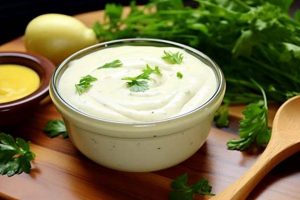
Soaked and blended nuts, such as cashews, macadamias, and sunflower seeds, create a smooth, creamy base for dressings. The soaking process softens the nuts, facilitating a smoother blend and releasing their natural oils, which contribute to the creamy consistency. For example, cashew cream, made by blending soaked cashews with water, provides a neutral base that can be flavored with various herbs, spices, and acidic components. The resulting texture mimics the richness of traditional dairy-based dressings without the use of any animal products.
- Silken Tofu:
Silken tofu, with its smooth and neutral flavor profile, offers an excellent alternative for achieving creamy textures. Its high water content contributes to the desired consistency when blended. Unlike regular tofu, silken tofu does not require pressing, simplifying the preparation process. Its mild flavor allows other ingredients, such as herbs, spices, and citrus juices, to shine through.
- Avocado:
Avocado’s naturally creamy texture and high fat content make it a suitable ingredient for creating rich and decadent dressings. When blended, avocado emulsifies with other ingredients, resulting in a smooth and stable dressing that adheres well to salad greens. Its subtle flavor complements a variety of other ingredients, from lime juice and cilantro to tomatoes and red onion.
- Thickening Agents:
Ingredients like cooked and pureed white beans or potatoes can be incorporated to add body and creaminess to dressings. These starches act as natural thickeners, contributing to a more substantial texture without altering the flavor significantly. For instance, white beans blended into a lemon-herb dressing can create a heartier consistency that clings to salad components effectively.
By understanding the roles of these ingredients and techniques, one can create vegan, oil-free salad dressings that possess the desirable creamy texture typically associated with richer, traditional dressings. This exploration demonstrates that achieving a satisfying mouthfeel and a visually appealing consistency is entirely possible without compromising on dietary restrictions or ethical considerations.
5. Versatile applications
The versatility of vegan, oil-free salad dressings extends beyond their primary function as salad enhancements. Their adaptable nature stems from the diverse range of ingredients and flavor profiles achievable without relying on oil or animal products. This characteristic allows them to function as more than just dressings, broadening their culinary applications. For example, a vibrant mango-lime dressing can serve as a marinade for tofu or tempeh, adding a tangy and tropical twist. Similarly, a creamy cashew-based dressing can be used as a dipping sauce for vegetables or as a spread for sandwiches and wraps. A spicy peanut dressing can transform a simple noodle dish into a flavorful and satisfying meal. This adaptability makes them valuable components in a variety of culinary contexts.
The inherent flexibility of these dressings is further amplified by their compatibility with different dietary needs. Their oil-free nature makes them suitable for individuals seeking to reduce fat intake or manage specific health conditions. The absence of animal products aligns with vegan and vegetarian diets, broadening their appeal. This inclusivity contributes to their versatile application in diverse culinary settings. For instance, a tahini-based dressing can be used in both raw and cooked dishes, making it a flexible option for those following different dietary approaches. A simple lemon-herb dressing can be used to dress grain salads, roasted vegetables, or even as a topping for baked potatoes, demonstrating its adaptability in various meal preparations. This versatility extends to different cuisines, allowing for creative fusion and experimentation.
Understanding the versatile applications of vegan, oil-free salad dressings expands their culinary potential. They transcend their traditional role, offering creative solutions for flavor enhancement, ingredient substitution, and dietary accommodation. This adaptability positions them as valuable assets in a wide range of culinary scenarios, from simple everyday meals to more elaborate culinary creations. Their ability to perform multiple functions in the kitchen underscores their importance as adaptable and flavorful components in a plant-based diet.
6. Health-conscious choice
Health-conscious individuals often seek ways to reduce dietary fat, eliminate processed ingredients, and increase nutrient intake. Vegan salad dressing recipes without oil align with these goals, offering a nutritious alternative to traditional dressings often laden with saturated fats, added sugars, and artificial additives. This connection positions such recipes as a valuable tool for those prioritizing health and well-being. Exploring the specific health benefits associated with these dressings provides further insight into their value in a health-conscious diet.
- Reduced Fat Intake:
Eliminating oil significantly reduces the caloric density and fat content of salad dressings. Traditional oil-based dressings can contribute substantial amounts of fat, particularly saturated and monounsaturated fats, which, while having some health benefits, should be consumed in moderation. Oil-free options, utilizing ingredients like fruit purees or blended silken tofu, provide a lighter alternative without compromising flavor or texture. This reduction in fat intake can be beneficial for individuals managing weight or aiming to lower their risk of cardiovascular disease. For example, a typical vinaigrette can contain upwards of 10 grams of fat per serving, whereas an oil-free lemon-herb dressing might contain less than 2 grams.
- Increased Nutrient Density:
Oil-free vegan dressings often incorporate whole-food ingredients rich in vitamins, minerals, and antioxidants. Ingredients like blended fruits, vegetables, herbs, and spices contribute valuable nutrients often absent in conventional dressings. For instance, a dressing made with blended raspberries provides antioxidants and vitamin C, while a tahini-based dressing offers calcium and iron. This increased nutrient density enhances the overall nutritional value of the salad, contributing to a more balanced and health-promoting meal.
- Avoiding Processed Ingredients:
Many commercially available salad dressings contain processed ingredients, including added sugars, artificial flavors, and preservatives. Oil-free vegan recipes prepared at home allow for complete control over ingredients, ensuring the absence of these additives. This focus on whole, unprocessed foods aligns with a health-conscious approach to eating, minimizing exposure to potentially harmful substances. By preparing dressings from scratch, individuals can prioritize natural ingredients and avoid the unnecessary additives often found in processed foods.
- Improved Blood Sugar Control:
Oil-free dressings, particularly those that avoid added sugars, can contribute to better blood sugar control compared to traditional dressings high in sugar and unhealthy fats. This benefit is particularly relevant for individuals with insulin resistance or diabetes. By opting for dressings made with whole fruits, vegetables, and natural sweeteners like maple syrup in moderation, individuals can enjoy flavorful salads without the drastic blood sugar spikes associated with high-sugar, high-fat dressings. This approach supports more stable blood glucose levels and contributes to overall metabolic health.
Adopting vegan salad dressing recipes without oil represents a proactive step towards a more health-conscious dietary pattern. The combined benefits of reduced fat intake, increased nutrient density, avoidance of processed ingredients, and improved blood sugar control contribute significantly to overall health and well-being. Incorporating these dressings into one’s diet aligns with a preventative approach to health management, emphasizing whole foods and mindful ingredient selection. This shift towards healthier choices can contribute to long-term health benefits and a more balanced lifestyle.
7. Creative culinary exploration
Vegan salad dressing recipes without oil provide a fertile ground for creative culinary exploration. The absence of traditional ingredients necessitates innovative approaches to flavor and texture development, encouraging experimentation with a diverse range of plant-based components. This inherent challenge fosters ingenuity and allows for the discovery of unique and satisfying flavor combinations often overlooked in conventional dressing preparations. Exploring the facets of this creative process reveals the potential for culinary innovation within the constraints of a vegan, oil-free framework.
- Flavor Profiling through Unconventional Ingredients
Developing complex flavor profiles without relying on oil requires exploring unconventional ingredients and their interactions. Ingredients like miso paste, nutritional yeast, liquid smoke, and various spice blends offer unique flavor dimensions. For example, incorporating smoked paprika into a cashew-based dressing introduces a smoky depth, while a touch of miso paste adds umami. Experimenting with these less common ingredients allows for the creation of dressings that transcend typical flavor profiles, expanding the boundaries of culinary creativity.
- Texture Manipulation through Plant-Based Techniques
Achieving desirable textures without oil necessitates exploring plant-based thickening and emulsifying techniques. Utilizing ingredients like silken tofu, avocado, or cooked and pureed white beans allows for the creation of creamy, smooth dressings without compromising dietary restrictions. For example, blending soaked cashews with water creates a versatile cashew cream that can be adapted to various flavor profiles. These techniques showcase the resourcefulness of plant-based cuisine and its ability to replicate traditional textures through innovative methods.
- Global Inspiration and Flavor Fusion
Drawing inspiration from global cuisines expands the creative possibilities within vegan, oil-free cooking. Exploring flavor combinations from different culinary traditions, such as the bright and herbaceous flavors of Mediterranean cuisine or the complex spice blends of Southeast Asia, can inspire unique dressing creations. Adapting these traditional flavor profiles to a vegan, oil-free context fosters culinary fusion and cross-cultural exploration, resulting in innovative and exciting flavor combinations.
- Seasonal Adaptability and Ingredient Exploration
Embracing seasonal ingredients encourages creativity and allows for continuous exploration of flavor profiles throughout the year. Utilizing fresh, locally sourced produce not only enhances the flavor of the dressings but also promotes sustainable culinary practices. For example, a spring dressing might feature fresh herbs and lemon juice, while a fall dressing could incorporate roasted root vegetables and maple syrup. This adaptability to seasonal variations fosters a dynamic and evolving approach to recipe development, ensuring a constant stream of new flavor experiences.
The absence of oil and animal products in vegan salad dressings, rather than being a limitation, becomes a catalyst for creative culinary exploration. By embracing unconventional ingredients, innovative techniques, and global inspiration, individuals can develop unique and flavorful dressings that enhance not only their salads but also their overall culinary experience. This exploration fosters a deeper appreciation for the versatility of plant-based cuisine and its potential for continuous innovation.
Frequently Asked Questions
This section addresses common inquiries regarding the creation and utilization of plant-based, oil-free salad dressings.
Question 1: How can creamy textures be achieved without oil or dairy?
Creamy textures are achievable through various plant-based methods. Silken tofu, blended soaked cashews or sunflower seeds, avocado, and tahini provide excellent creamy bases. Soaking nuts and seeds before blending contributes to a smoother consistency.
Question 2: What can replace the richness typically provided by oil?
Richness can be achieved through the incorporation of ingredients like tahini, nutritional yeast, avocado, or blended nuts and seeds. These ingredients provide depth of flavor and a satisfying mouthfeel.
Question 3: How can these dressings be prevented from separating?
Proper emulsification is key to preventing separation. Utilizing ingredients with emulsifying properties, such as silken tofu or avocado, helps create a stable emulsion. A high-speed blender aids in thoroughly combining ingredients, preventing separation over time. Storing dressings in airtight containers in the refrigerator also helps maintain their stability.
Question 4: Are these dressings suitable for all types of salads?
Their adaptability makes them suitable for a wide variety of salads. From leafy greens to grain salads, these dressings can complement diverse flavor profiles. Consider the intensity of the dressings flavor when pairing with delicate greens versus more robust ingredients.
Question 5: How long can these dressings be stored?
Properly stored in airtight containers in the refrigerator, these dressings typically last for 5 to 7 days. Always check for any signs of spoilage before consuming. The shelf life may vary depending on the specific ingredients used.
Question 6: Can these dressings be frozen?
While freezing is possible, the texture may change upon thawing. Freezing is generally not recommended for dressings containing fresh herbs or fruits, as their texture and flavor can be negatively affected. Dressings with a nut or seed base generally freeze better.
Understanding these common concerns and their corresponding solutions facilitates successful preparation and utilization of oil-free, plant-based salad dressings. Experimentation and adaptation to individual preferences are encouraged.
The following section will provide several specific recipe examples, offering practical applications of these principles.
Conclusion
Exploration of plant-based, oil-free salad dressing recipes reveals a versatile and health-conscious approach to culinary practice. Achieving desirable textures and robust flavors without reliance on oil or animal products requires an understanding of ingredient functionalities and creative combination strategies. From creamy cashew-based dressings to vibrant fruit-infused variations, the possibilities are extensive. Emphasis on whole foods, reduced fat content, and increased nutrient density aligns with contemporary dietary preferences prioritizing health and well-being. Furthermore, adaptability to various cuisines and culinary applications positions these dressings as valuable assets beyond the salad bowl.
The elimination of oil and animal products, rather than a constraint, fosters culinary innovation. This approach encourages exploration of diverse plant-based ingredients and techniques, leading to unique flavor profiles and expanded culinary horizons. Continued experimentation and refinement of these recipes promise further development within this exciting and evolving area of culinary practice, contributing to a more sustainable and health-conscious future for food enthusiasts and culinary professionals alike.