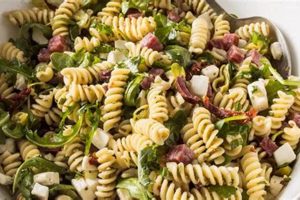
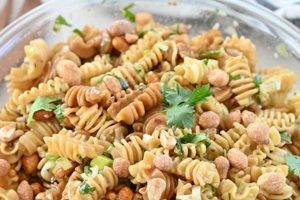
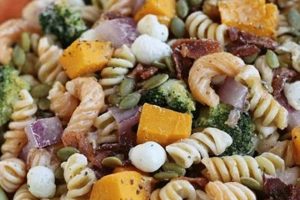
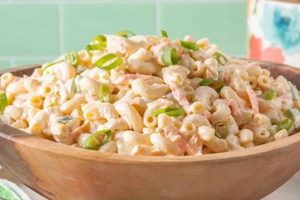
A desirable combination of ingredients and preparation techniques results in a cold pasta dish that is flavorful, visually appealing, and texturally satisfying. A well-balanced example might include cooked pasta, crisp vegetables, a flavorful protein (such as cheese, meat, or beans), and a vibrant dressing that complements the other components.
Successfully creating this dish offers several advantages. It provides a versatile and customizable meal suitable for various occasions, from potlucks and picnics to light lunches and side dishes. Its adaptability allows for seasonal variations using fresh produce and offers the opportunity to incorporate different flavors and dietary preferences. Historically, cold pasta dishes have evolved from simple preparations using leftover pasta to more complex and elaborate creations, reflecting culinary innovation and cultural influences.
The following sections will explore key elements contributing to the creation of a successful cold pasta dish, including pasta selection, ingredient pairing, dressing options, and tips for achieving optimal texture and flavor.
Tips for an Excellent Pasta Salad
Creating a memorable pasta salad involves attention to detail and a balance of flavors and textures. These tips provide guidance for achieving optimal results.
Tip 1: Select the Right Pasta: Shapes that hold their form and provide surface area for clinging to the dressing are ideal. Rotini, fusilli, farfalle, and penne are excellent choices. Avoid long, thin pastas like spaghetti or angel hair.
Tip 2: Cook Pasta al Dente: Slightly firm pasta holds its shape better in a salad and prevents a mushy texture. Cook according to package directions, reducing the cooking time slightly.
Tip 3: Rinse and Cool the Pasta: Rinsing cooked pasta with cold water stops the cooking process and removes excess starch, preventing the pasta from sticking together. Ensure the pasta is thoroughly cooled before adding other ingredients.
Tip 4: Embrace Colorful Vegetables: A variety of vegetables adds visual appeal, texture, and nutritional value. Consider bell peppers, cherry tomatoes, cucumbers, red onion, broccoli florets, and chopped carrots. Blanching certain vegetables, like broccoli, can enhance their color and maintain crispness.
Tip 5: Choose Complementary Proteins: Incorporating protein adds substance and flavor. Cubed cheese, chickpeas, cooked chicken or shrimp, and salami are popular options. Consider the overall flavor profile when selecting a protein.
Tip 6: Create a Flavorful Dressing: The dressing binds the ingredients together and provides a cohesive flavor profile. Vinaigrettes, creamy dressings, and pesto-based dressings are all suitable options. Taste and adjust seasonings as needed.
Tip 7: Chill Before Serving: Allowing the pasta salad to chill for at least 30 minutes allows the flavors to meld and enhances the overall experience.
Tip 8: Garnish Thoughtfully: Fresh herbs, a sprinkle of cheese, or a few reserved vegetables can elevate the presentation and add a final burst of flavor.
By following these guidelines, one can create a pasta salad that is both delicious and visually appealing. Attention to these details ensures a balanced and enjoyable culinary experience.
The following section will offer specific recipe variations incorporating these principles.
1. High-quality Pasta
The foundation of a successful pasta salad rests upon the selection of high-quality pasta. This choice directly impacts the final dish’s texture, flavor absorption, and overall appeal. Understanding the nuances of pasta quality is essential for achieving a superior culinary outcome.
- Pasta Composition:
Premium pasta is typically made from 100% durum wheat semolina. This hard wheat variety yields a firm, resilient pasta that holds its shape well during cooking and maintains a pleasant texture in the salad, preventing a mushy or gummy result. Lower-quality pasta, often made with all-purpose flour or blends, may become overly soft and clump together, detracting from the overall appeal.
- Drying Process:
The drying process significantly influences pasta quality. Slow drying methods preserve the pasta’s protein structure, resulting in a superior texture and enhanced flavor absorption. Rapidly dried pasta can become brittle and prone to breakage, leading to uneven cooking and an inconsistent salad experience.
- Shape and Texture:
While personal preference plays a role, certain pasta shapes are inherently better suited for salads. Shapes with ridges and crevices, like rotini or fusilli, effectively capture the dressing and other ingredients, distributing flavor throughout the salad. Smooth, tubular pasta, such as penne, also holds up well and offers appealing visual contrast. Avoid long, thin pasta varieties which tend to become tangled and difficult to manage in a salad setting.
- Cooking Properties:
High-quality pasta cooks evenly and consistently, reaching the desired “al dente” texture without becoming overly soft or sticky. This firm texture is crucial for a successful pasta salad, as it prevents the pasta from becoming mushy when combined with the dressing and other ingredients. Proper cooking and rinsing techniques further enhance these desirable qualities.
The selection of high-quality pasta ultimately determines the structural integrity and flavor absorption capacity of the pasta salad. By prioritizing pasta made with durum wheat semolina, subjected to slow drying processes, and selecting appropriate shapes, one ensures a pleasant texture and a harmonious blend of flavors. This attention to detail elevates the pasta salad from a simple side dish to a culinary creation worthy of appreciation.
2. Fresh, vibrant vegetables
The incorporation of fresh, vibrant vegetables is integral to a successful pasta salad. These elements contribute not only crucial nutrients and textural variety but also vibrant color and fresh flavors that elevate the dish beyond a simple carbohydrate base. The choice and preparation of vegetables significantly influence the overall sensory experience and nutritional value.
Vegetables such as bell peppers (red, yellow, orange), cherry tomatoes, cucumbers, red onion, and broccoli florets offer a spectrum of colors and textures. Their crispness contrasts pleasantly with the tender pasta, creating a balanced mouthfeel. Furthermore, the inclusion of diverse vegetables introduces a range of vitamins, minerals, and antioxidants, enhancing the nutritional profile of the dish. Blanching certain vegetables, like broccoli or green beans, preserves their vibrant color and ensures a tender-crisp texture. Roasting vegetables like bell peppers or zucchini can add a deeper, smoky flavor dimension. The selection of seasonal vegetables further amplifies freshness and flavor intensity.
Beyond their inherent qualities, fresh vegetables contribute significantly to the overall aesthetic appeal of the pasta salad. Their vibrant hues create visual interest, transforming a simple dish into a colorful and appetizing presentation. This visual element enhances the dining experience, stimulating appetite and adding a touch of elegance. Careful consideration of color combinations and cutting techniques can further elevate the visual presentation. The strategic use of fresh herbs, such as chopped parsley, basil, or dill, adds another layer of visual and aromatic complexity.
3. Complementary protein additions

Protein enrichment significantly contributes to a well-rounded and satisfying pasta salad experience. Beyond enhancing nutritional value, strategically chosen proteins introduce diverse textures and flavors, transforming a simple side dish into a more substantial and flavorful meal. The selection and incorporation of complementary proteins are integral to achieving a balanced and appealing culinary outcome.
- Flavor Enhancement:
Proteins contribute savory depth, balancing the often lighter flavors of vegetables and pasta. Grilled chicken or shrimp offer subtly smoky notes, while cured meats like salami or prosciutto provide a salty, robust counterpoint. The choice of protein should complement the overall flavor profile of the salad, creating a harmonious blend of tastes.
- Textural Variety:
Different protein textures create a more dynamic and engaging culinary experience. Cubed cheese adds a creamy element, while chickpeas provide a satisfying bite. Flaked fish, such as tuna or salmon, introduce a delicate texture, while shredded or diced meats offer a more substantial chew. This interplay of textures elevates the pasta salad beyond a simple mix of ingredients.
- Nutritional Enrichment:
Adding protein boosts the nutritional value of the pasta salad, transforming it into a more complete and satiating meal. Protein contributes essential amino acids, promoting muscle growth and repair. This addition is particularly beneficial for those seeking a lighter yet nutritionally balanced meal option.
- Versatility and Adaptability:
The range of suitable protein additions offers extensive versatility. Vegetarian options like chickpeas, beans, or tofu cater to specific dietary preferences. Meat and seafood options provide diverse flavor profiles, while cheeses offer a creamy, savory element. This adaptability allows for customization and caters to a wide range of palates and dietary needs.
Thoughtful protein selection elevates the pasta salad from a simple side to a substantial and satisfying dish, balancing flavors, enriching nutritional value, and offering a dynamic textural experience. Harmonizing the protein choice with other ingredients ensures a cohesive and enjoyable culinary result, demonstrating the integral role of complementary proteins in a well-crafted pasta salad.
4. Flavorful, balanced dressing

A flavorful, balanced dressing is paramount to a successful pasta salad. It serves as the unifying element, binding individual components into a cohesive and harmonious whole. The dressing not only adds flavor but also contributes to the overall texture and moisture content, influencing the final dish’s palatability significantly. A well-crafted dressing elevates the pasta salad from a simple assembly of ingredients to a symphony of flavors and textures.
The balance of flavors within the dressing is crucial. A dressing that is overly acidic, excessively sweet, or bland can detract from the overall experience. Consider a classic vinaigrette: the sharp tang of vinegar must be balanced by the sweetness of oil and the complexity of herbs and spices. In a creamy dressing, the richness of mayonnaise or yogurt should be tempered by complementary flavors, such as lemon juice, Dijon mustard, or fresh herbs. The dressing should enhance, not overpower, the flavors of the other ingredients. For instance, a light lemon vinaigrette complements a pasta salad with delicate seafood and vegetables, while a robust pesto dressing pairs well with heartier ingredients like roasted vegetables and grilled chicken. The interplay of these flavors creates a dynamic and satisfying culinary experience.
Achieving a flavorful, balanced dressing requires careful consideration of ingredient pairings and proportions. A thorough understanding of flavor profiles and their interactions is essential. Experimentation with different herbs, spices, acids, and oils allows for the creation of unique and complementary dressings. Furthermore, the consistency of the dressing plays a vital role. A thin, watery dressing may not adequately coat the pasta and other ingredients, while an overly thick dressing can become heavy and cloying. The ideal dressing clings lightly to the pasta, distributing flavor evenly without overwhelming the other components. Ultimately, the dressing is the key to unlocking the full potential of a pasta salad, transforming it from a simple side dish into a star attraction.
5. Proper pasta cooking technique
Proper pasta cooking technique is fundamental to a good pasta salad recipe. The texture of the pasta significantly influences the overall enjoyment of the dish. Overcooked pasta results in a mushy, unappetizing salad, while undercooked pasta presents a firm, unpleasant bite. Achieving the perfect texture, known as “al dente,” is crucial for creating a pasta salad that is both flavorful and enjoyable.
- Salting the Water:
Generously salting the cooking water is essential for seasoning the pasta from the inside out. This step enhances the pasta’s inherent flavor and prevents a bland final product. The amount of salt should be sufficient to make the water taste like seawater. This ensures the pasta absorbs enough salt during cooking, eliminating the need for excessive seasoning later.
- Cooking Time:
Precise cooking time is crucial for achieving the desired al dente texture. Follow package directions as a starting point, but begin checking for doneness a minute or two earlier. The pasta should be firm to the bite but not crunchy. Overcooking, even by a minute, can drastically alter the texture and negatively impact the final salad.
- Rinsing:
Rinsing the cooked pasta with cold water serves two critical purposes. First, it stops the cooking process, preventing the pasta from becoming overcooked from residual heat. Second, it removes excess starch, which can cause the pasta to stick together in the salad. Thorough rinsing ensures individual pasta pieces remain separate and distinct, contributing to a pleasant texture.
- Cooling:
Allowing the rinsed pasta to cool completely before adding other ingredients is essential. Adding dressing to warm pasta can cause it to absorb too much dressing and become soggy. Cooling ensures the pasta maintains its structural integrity and absorbs the dressing evenly, preventing an overly saturated and mushy salad.
These interconnected steps contribute directly to the quality of the pasta salad. Properly cooked pasta provides a firm, pleasant texture that complements the other ingredients. The absence of excess starch prevents clumping, and the even absorption of dressing ensures a balanced flavor distribution. Mastering these techniques is essential for creating a good pasta salad recipe that is both delicious and visually appealing.
6. Effective chilling and marinating

Effective chilling and marinating are essential steps in creating a high-quality pasta salad. Chilling allows the flavors of the various componentspasta, vegetables, protein, and dressingto meld and deepen. This process enhances the overall complexity and balance of the final dish. Marinating, while not always essential, can further amplify flavor development, particularly when acidic components are present in the dressing. The cool temperature slows down enzymatic activity in vegetables, preserving their texture and preventing them from becoming overly soft or mushy during the chilling process. For example, a pasta salad with a lemon vinaigrette benefits significantly from chilling, as the citrus notes mellow and integrate with the other flavors. Similarly, marinating vegetables like red onions in the vinaigrette can soften their sharpness and impart a more nuanced flavor.
The duration of chilling significantly impacts the final result. A minimum of 30 minutes allows for initial flavor integration, but longer chilling periods, up to several hours, result in more pronounced flavor development and a more harmonious blend of ingredients. However, excessively long chilling times can negatively affect certain ingredients. Delicate vegetables may lose their crispness, and some proteins, like seafood, may become tough. Practical applications include preparing the pasta salad a day in advance for an event, allowing ample time for flavor development. In such cases, adding easily bruised ingredients like avocado or chopped fresh herbs just before serving preserves their texture and vibrancy. Understanding the impact of chilling duration on different ingredients allows for strategic planning and optimal flavor and texture management.
Chilling and marinating contribute significantly to the overall quality of a pasta salad by promoting flavor development and preserving ingredient integrity. The careful balance of chilling time, consideration of ingredient sensitivities, and strategic incorporation of marinades enhances the final dish. While achieving desirable results necessitates attention to specific ingredient characteristics and flavor profiles, the fundamental principle remains: effective chilling and marinating are integral steps toward creating a truly exceptional pasta salad.
7. Creative Ingredient Combinations

Ingredient exploration is crucial for crafting exceptional pasta salads. Moving beyond traditional combinations unlocks unique flavor profiles and textural experiences, elevating the dish from predictable to innovative. Strategic ingredient pairings enhance complexity and offer a personalized culinary experience, demonstrating the direct link between creative combinations and a truly memorable pasta salad.
- Flavor Balancing:
Harmonizing contrasting flavors is key. Balancing sweet and savory, acidic and rich, or spicy and mild creates depth and complexity. Pairing roasted sweet potatoes with salty feta cheese and a tangy vinaigrette exemplifies this principle. The interplay of contrasting flavors adds intrigue and dimension to the overall experience.
- Textural Variation:
A variety of textures creates a dynamic sensory experience. Combining crisp vegetables, al dente pasta, creamy cheese, and crunchy nuts or seeds offers a multi-faceted mouthfeel. Incorporating roasted chickpeas alongside fresh cherry tomatoes and cooked pasta exemplifies this interplay of textures. This contrast prevents monotony and enhances enjoyment.
- Seasonal Adaptations:
Utilizing seasonal ingredients maximizes freshness and flavor intensity. A spring pasta salad might feature asparagus, peas, and fresh mint, while a summer version could include grilled corn, zucchini, and basil. Embracing seasonal produce ensures optimal flavor and nutritional value, reflecting an awareness of culinary seasonality.
- Global Influences:
Drawing inspiration from diverse culinary traditions expands creative possibilities. Incorporating Mediterranean flavors like olives, feta, and artichoke hearts, or exploring Asian influences with edamame, sesame seeds, and a soy-based dressing, introduces unique flavor profiles. Such culinary exploration broadens horizons and adds distinctive character to the pasta salad.
Creative ingredient combinations lie at the heart of a truly exceptional pasta salad. Thoughtful exploration of flavor profiles, textures, seasonal influences, and global culinary traditions transforms a simple dish into a memorable culinary creation. By embracing these principles, one elevates the pasta salad experience from ordinary to extraordinary, showcasing the power of innovative ingredient pairings.
Frequently Asked Questions
This section addresses common inquiries regarding the creation of successful pasta salads, offering practical guidance and clarifying potential points of confusion.
Question 1: How can one prevent pasta salad from becoming soggy?
Sogginess often results from overcooked pasta or excessive dressing. Cooking pasta al dente and cooling it completely before adding dressing are crucial preventative measures. Adding the dressing gradually and just before serving also minimizes the risk of oversaturation.
Question 2: What are the best pasta shapes for pasta salad?
Shapes that hold their form well and offer surface area for clinging to dressing are ideal. Rotini, fusilli, farfalle, and penne are excellent choices. Avoid long, thin pasta varieties which tend to become tangled and clump together.
Question 3: How long can pasta salad be stored in the refrigerator?
Properly stored in an airtight container, pasta salad typically lasts for three to five days in the refrigerator. However, observe for any signs of spoilage, such as off-odors or discoloration, before consumption.
Question 4: Can frozen vegetables be used in pasta salad?
While fresh vegetables are generally preferred for their texture and flavor, frozen vegetables can be used in a pinch. Thaw and drain them thoroughly before adding to the salad to prevent excess moisture and maintain optimal texture.
Question 5: How can one adapt pasta salad recipes for different dietary needs?
Pasta salad offers significant adaptability. Gluten-free pasta can be substituted for traditional pasta. Vegetarian or vegan variations can incorporate plant-based proteins like chickpeas, beans, or tofu. Adjusting the dressing ingredients can also accommodate dietary restrictions.
Question 6: What are some tips for making a visually appealing pasta salad?
Incorporating a variety of colorful vegetables, using different pasta shapes, and garnishing with fresh herbs can enhance visual appeal. Consider the color and texture combinations to create a visually engaging and appetizing presentation.
Careful attention to these commonly asked questions ensures a positive pasta salad experience. Addressing these concerns preemptively facilitates the creation of a delicious, visually appealing, and satisfying dish.
Exploring these FAQs empowers individuals to create exceptional pasta salads tailored to personal preferences and dietary needs. The subsequent section delves into specific recipe examples, illustrating the practical application of these principles.
Conclusion
Achieving a desirable outcome when preparing this dish hinges on a multifaceted approach. Careful consideration of pasta selection, ingredient pairings, dressing formulation, and chilling techniques contributes significantly to the final product. Balancing flavors, textures, and colors elevates the dish from a simple side to a culinary centerpiece. Attention to detail, from the initial selection of ingredients to the final presentation, ensures a satisfying and memorable culinary experience.
Culinary exploration extends beyond mere sustenance; it represents an opportunity for creativity and personal expression. The adaptability inherent within this dish allows for endless variations, reflecting individual preferences and seasonal influences. Continued experimentation with diverse ingredients, flavors, and presentations unlocks culinary potential and elevates everyday meals into memorable dining experiences. The pursuit of a well-crafted dish embodies a commitment to culinary excellence and a celebration of the transformative power of food.