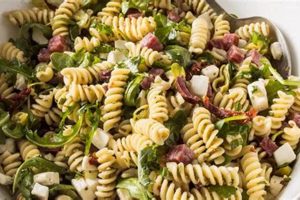
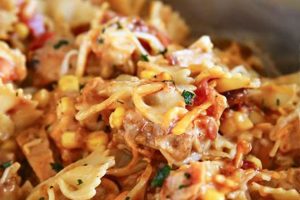
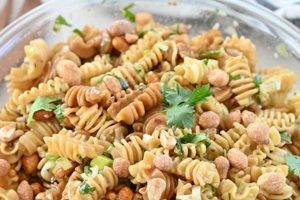
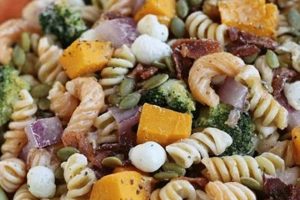
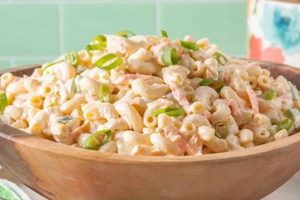
A chilled pasta salad incorporates the classic BLT sandwich elements bacon, lettuce, and tomato creating a refreshing and flavorful dish. Variations may include different pasta shapes, cheeses, and dressings, offering diverse flavor profiles and textures. For instance, a rotini pasta salad with crisp romaine lettuce, cherry tomatoes, crumbled bacon, and a creamy ranch dressing exemplifies this concept.
This type of salad provides a convenient and satisfying meal, particularly during warmer months. The combination of protein from the bacon, fresh vegetables, and carbohydrates from the pasta offers a balanced nutritional profile. Its adaptability makes it suitable for picnics, potlucks, or light lunches. While specific origins are difficult to pinpoint, the salad likely emerged as a creative way to enjoy BLT flavors in a lighter, more versatile format, drawing inspiration from classic American cuisine and the increasing popularity of pasta salads in the mid-20th century.
Further exploration will cover variations on this culinary theme, including specific ingredient recommendations, dressing options, and tips for achieving optimal flavor and texture. Detailed instructions for preparing the salad will also be provided.
Tips for a Superior Pasta BLT Salad
Achieving optimal flavor and texture requires attention to detail. These tips offer guidance for creating a truly exceptional salad.
Tip 1: Cook Pasta Al Dente: Pasta cooked to a firm texture holds its shape better in the salad and prevents a mushy consistency. Slightly undercooking is preferable.
Tip 2: Crisp the Bacon Thoroughly: Properly crisped bacon adds a satisfying crunch and enhances the overall flavor profile. Avoid soggy bacon.
Tip 3: Use Fresh, High-Quality Ingredients: The success of this salad relies on the freshness of its components. Select ripe tomatoes, crisp lettuce, and high-quality bacon.
Tip 4: Chill Ingredients Before Combining: Chilling the pasta, bacon, and vegetables helps maintain the salad’s freshness and prevents the dressing from becoming watery.
Tip 5: Balance Flavors with the Dressing: The dressing should complement the other ingredients without overpowering them. A creamy ranch or a tangy vinaigrette are excellent choices. Consider adding a touch of sweetness or acidity to enhance the flavor profile.
Tip 6: Don’t Overdress the Salad: Too much dressing can make the salad soggy. Start with a small amount and add more if needed. A light coating is ideal.
Tip 7: Add-ins for Enhanced Flavor: Consider incorporating ingredients like avocado, red onion, or hard-boiled eggs to elevate the salad further. Crumbled blue cheese or feta can also add depth of flavor.
Tip 8: Time Management for Optimal Freshness: For the best flavor and texture, combine the ingredients and add the dressing shortly before serving. This prevents the salad from becoming soggy and maintains the crispness of the vegetables.
By following these tips, one can create a pasta BLT salad that is both flavorful and visually appealing, showcasing the harmonious blend of textures and tastes.
The following section will offer a detailed, step-by-step recipe for creating this delightful dish, incorporating the tips outlined above.
1. Pasta Choice
Pasta selection significantly influences the final character of a pasta BLT salad. The pasta’s shape, size, and texture interact with the other ingredients and the dressing, affecting both the salad’s taste and presentation. Choosing the right pasta is crucial for a balanced and enjoyable dish.
- Shape and Texture:
Different pasta shapes offer varying textural experiences and dressing adhesion capabilities. Small, tubular shapes like rotini or penne effectively capture the dressing, ensuring each bite is flavorful. Larger, flatter shapes like farfalle (bowtie pasta) provide a visually appealing contrast and a slightly different mouthfeel. Shapes with ridges or ruffles, such as radiatore, maximize surface area for sauce and ingredient cling. Conversely, long, thin pasta like spaghetti is generally less suitable for this type of salad due to its tendency to clump and difficulty in holding the dressing and other components effectively.
- Size:
Bite-sized pasta is ideal for salads. Overly large pasta can be unwieldy and disrupt the balance of ingredients. Smaller shapes ensure an even distribution of flavors and textures throughout the salad.
- Cooking Method:
Properly cooked pasta is essential. Overcooked pasta becomes mushy and absorbs too much dressing, leading to a less appealing texture. Cooking pasta “al dente”firm to the biteensures it retains its shape and texture within the salad.
- Gluten-Free Options:
Gluten-free pasta alternatives, such as those made from rice, corn, or lentils, can be incorporated for dietary restrictions. However, these options may have different cooking times and textures, requiring adjustments to the recipe and careful consideration of how they will interact with the other ingredients and the dressing.
Ultimately, the chosen pasta should complement the other components of the BLT salad. It acts as a foundation, binding the flavors and textures together. A well-chosen pasta enhances the salad’s overall appeal, creating a harmonious and satisfying dish.
2. Bacon Preparation

Bacon preparation significantly impacts the overall quality of a pasta BLT salad. Properly cooked bacon contributes a crucial textural and flavor element. Its crispness contrasts with the softer pasta and vegetables, adding a satisfying crunch. The rendered bacon fat also infuses the salad with a rich, savory flavor that complements the other ingredients. Undercooked bacon results in a chewy, unappetizing texture and a less intense flavor, while overcooked bacon becomes brittle, loses its nuanced flavor, and can impart a burnt taste to the salad. For instance, imagine a salad with limp, fatty bacon versus one with crisp, flavorful bacon; the difference is substantial.
Several methods exist for achieving perfectly crisped bacon. Pan-frying allows for careful control over the cooking process, ensuring even browning and optimal crispness. Baking bacon in the oven offers a hands-off approach and yields consistently crispy results. Microwaving bacon is the quickest method but requires careful monitoring to avoid burning. Regardless of the chosen method, the goal remains consistent: evenly cooked, crispy bacon that enhances the salad’s flavor and texture. The rendered bacon fat can also be reserved and used to enhance the salad dressing, adding another layer of smoky flavor.
Achieving optimal bacon texture is vital for a successful pasta BLT salad. The crispness of the bacon provides a textural counterpoint to the other ingredients, elevating the overall sensory experience. The bacon’s flavor, derived from proper rendering of its fat, plays a crucial role in the salad’s overall taste profile. Therefore, careful attention to bacon preparation is essential for creating a well-balanced and enjoyable dish. Overlooking this step can compromise the salad’s quality, highlighting the significance of properly cooked bacon in this culinary context.
3. Tomato Selection

Tomato selection significantly impacts the flavor profile and overall quality of a pasta BLT salad. The tomato’s sweetness, acidity, and juiciness contribute essential elements to the dish, balancing the savory bacon and creamy dressing. Choosing the right tomato variety enhances the salad’s complexity and freshness. Suboptimal tomato selection, such as using bland or mealy tomatoes, can detract from the salad’s overall appeal.
- Ripeness:
Ripe tomatoes offer the best flavor and texture for salads. Indicators of ripeness include vibrant color, a slight give when gently squeezed, and a fragrant aroma. Underripe tomatoes lack sweetness and can have a slightly bitter taste, while overripe tomatoes tend to be mushy and less flavorful.
- Variety:
Different tomato varieties offer unique flavor profiles. Cherry or grape tomatoes provide bursts of sweetness and a pleasant pop when bitten. Roma tomatoes, with their lower water content, hold their shape well in salads. Heirloom tomatoes offer a complex range of flavors, from sweet to tangy, and often have a more irregular shape and varied color. The chosen variety should complement the other salad ingredients.
- Preparation:
Proper tomato preparation enhances both flavor and texture. Larger tomatoes should be cored and cut into bite-sized pieces. Cherry or grape tomatoes can be halved or quartered, depending on their size. Excess seeds and pulp can be removed to prevent the salad from becoming watery. Properly prepared tomatoes contribute to a more appealing and palatable salad.
- Seasonality:
Tomatoes are best enjoyed in season when their flavor is at its peak. Locally sourced, in-season tomatoes often offer superior taste compared to out-of-season alternatives. However, high-quality tomatoes are available year-round in many regions, allowing for a consistently flavorful salad regardless of the season. Consider the time of year and prioritize fresh, flavorful tomatoes whenever possible.
The selected tomato variety contributes significantly to the overall balance and enjoyment of a pasta BLT salad. The interplay of sweetness, acidity, and juiciness enhances the other ingredients, creating a harmonious and refreshing dish. Careful consideration of tomato selection ensures optimal flavor and texture, elevating the pasta BLT salad from simple to exceptional. Neglecting this crucial element can result in a less satisfying culinary experience, emphasizing the importance of thoughtfully chosen tomatoes in this recipe.
4. Lettuce Variety

Lettuce selection significantly influences the texture, flavor, and overall composition of a pasta BLT salad. The lettuce’s crispness, flavor profile, and structural integrity contribute essential elements to the dish, balancing the richness of the bacon, the sweetness of the tomatoes, and the creaminess of the dressing. Choosing the appropriate lettuce variety enhances the salad’s complexity and refreshing qualities. Inappropriate lettuce selection can compromise the salad’s textural balance and overall appeal.
- Crispness and Texture:
Lettuce varieties offer a spectrum of textures, from delicate and tender to crisp and crunchy. Crisphead lettuce, such as iceberg or romaine, provides a satisfying crunch that contrasts with the softer pasta and other ingredients. Butter lettuce, with its delicate leaves, offers a milder textural contrast and a slightly sweeter flavor. The chosen lettuce’s texture contributes significantly to the salad’s overall mouthfeel. A crisp lettuce maintains its structure and prevents the salad from becoming soggy.
- Flavor Profile:
Different lettuce varieties possess distinct flavor profiles. Iceberg lettuce offers a neutral, refreshing taste, allowing the other ingredients’ flavors to shine. Romaine lettuce has a slightly bitter edge that balances the richness of the bacon and dressing. Other varieties, such as red leaf or green leaf lettuce, offer more nuanced flavors that can add complexity to the salad. The chosen lettuce’s flavor should complement the other components without overpowering them.
- Structural Integrity:
The lettuce’s ability to hold its shape within the salad is crucial. Lettuce varieties with sturdy leaves, such as romaine, maintain their structure even when tossed with the other ingredients and dressing. More delicate lettuces, such as butter lettuce, may wilt more quickly, potentially leading to a less appealing presentation and a compromised textural experience. Choosing a lettuce that retains its structural integrity contributes to a more visually appealing and enjoyable salad.
- Visual Appeal:
Lettuce contributes to the salad’s visual appeal through its color and shape. Different lettuce varieties offer a range of colors, from pale green to deep red, adding visual interest to the dish. The lettuce’s shape and leaf arrangement also play a role in the salad’s overall presentation. A visually appealing lettuce enhances the dining experience and makes the salad more enticing.
The selected lettuce variety plays a crucial role in the overall balance and enjoyment of a pasta BLT salad. Its texture, flavor, and structural integrity interact with the other components, creating a harmonious and refreshing dish. Thoughtful lettuce selection elevates the salad, ensuring a satisfying culinary experience. Overlooking this element can result in a less appealing and less flavorful salad, emphasizing the importance of carefully chosen lettuce in this recipe.
5. Dressing Selection
Dressing selection significantly impacts the overall flavor profile and enjoyment of a pasta BLT salad. The dressing serves as a unifying element, binding the individual componentspasta, bacon, lettuce, and tomatointo a cohesive whole. It contributes moisture, flavor, and texture, influencing the salad’s balance and palatability. A well-chosen dressing complements the existing flavors without overpowering them, creating a harmonious blend of tastes and textures. Conversely, an inappropriate dressing can mask the individual ingredients’ flavors or create an unbalanced, unappetizing result. For example, a heavy, creamy dressing might overwhelm the fresh flavors of the vegetables, while a overly acidic vinaigrette could clash with the richness of the bacon.
Several factors should be considered when selecting a dressing for a pasta BLT salad. The desired flavor profile plays a crucial role; creamy dressings, such as ranch or blue cheese, offer richness and tang, while vinaigrettes provide a lighter, brighter counterpoint. The ingredients’ inherent flavors must also be considered. A creamy dressing complements the smoky bacon and juicy tomatoes, while a vinaigrette enhances the freshness of the lettuce and other vegetables. The dressing’s consistency also affects the salad’s texture. A thicker dressing coats the ingredients more thoroughly, while a thinner dressing provides a lighter touch. Practical considerations, such as dietary restrictions or personal preferences, also influence dressing choice. A dairy-free or low-fat dressing might be necessary for some, while others might prefer a homemade dressing over a store-bought option. A classic example is the use of a buttermilk ranch dressing, which provides a creamy, tangy element that complements the smoky bacon and fresh vegetables.
Successful dressing selection hinges on a careful understanding of flavor interactions and textural balance. Achieving a harmonious blend of flavors requires consideration of the individual ingredients and their interplay with the chosen dressing. The dressing’s consistency influences the overall texture and mouthfeel of the salad. Careful consideration of these factors ensures that the selected dressing enhances, rather than detracts from, the overall dining experience. Mastering dressing selection elevates the pasta BLT salad from a simple combination of ingredients to a cohesive, flavorful, and satisfying dish. It underscores the importance of considering the dressing not as an afterthought but as an integral component of the recipe.
6. Ingredient Proportions
Ingredient proportions significantly influence the balance and overall enjoyment of a pasta BLT salad. Careful consideration of the ratios of pasta, bacon, lettuce, tomato, and dressing ensures a harmonious blend of flavors and textures. Improper proportions can lead to a salad that is too heavy on one element, masking the contributions of others, and resulting in a less satisfying culinary experience. Understanding the interplay of these components allows for the creation of a well-balanced and flavorful salad.
- Pasta-to-Vegetable Ratio:
The ratio of pasta to vegetables affects the salad’s heartiness and nutritional value. A higher pasta proportion creates a more filling salad, while a greater emphasis on vegetables results in a lighter, more refreshing dish. Balancing these elements ensures a satisfying and nutritionally balanced meal. For instance, a salad with an abundance of pasta might feel heavy, while a salad with too few vegetables might lack textural contrast and flavor complexity.
- Bacon Quantity:
The amount of bacon influences the salad’s savory flavor and textural appeal. Too little bacon diminishes its contribution, while too much can overwhelm the other ingredients. The bacon’s saltiness and smokiness should complement the other flavors without dominating them. An appropriate amount of bacon provides a satisfying savory counterpoint to the fresh vegetables and creamy dressing.
- Lettuce-to-Tomato Ratio:
Balancing the lettuce and tomato ensures a pleasant interplay of textures and flavors. The lettuce’s crispness contrasts with the tomato’s juiciness, creating a refreshing and flavorful combination. Too much lettuce can make the salad feel dry, while too much tomato can make it watery. The ideal ratio depends on the specific lettuce and tomato varieties used and personal preferences.
- Dressing Amount:
The amount of dressing affects the salad’s overall moisture level and flavor intensity. Too little dressing can result in a dry, bland salad, while too much can overwhelm the other ingredients and make the salad soggy. The proper amount of dressing coats the ingredients evenly, enhancing their flavors without masking them. The ideal amount depends on the dressing’s consistency and the other ingredients’ moisture content. A light coating is generally preferred.
Achieving a well-balanced pasta BLT salad requires careful attention to ingredient proportions. Each component contributes unique flavors and textures, and their interplay determines the overall quality of the dish. By understanding the role of each ingredient and its ideal proportion within the salad, one can create a harmonious and satisfying culinary experience. Consideration of these proportions elevates the salad from a simple combination of ingredients to a carefully crafted dish where each element contributes to a greater whole.
7. Chilling Time
Chilling time plays a crucial role in the final quality of a pasta BLT salad. Allowing the salad to chill in the refrigerator for a period before serving significantly impacts both its flavor profile and textural appeal. This chilling period allows the flavors of the individual componentspasta, bacon, lettuce, tomato, and dressingto meld and harmonize, creating a more cohesive and complex flavor profile. Furthermore, chilling helps to firm the pasta and crisp the vegetables, enhancing the salad’s overall textural appeal. Without sufficient chilling time, the flavors may remain disjointed, and the textures may be less appealing. For example, a freshly made pasta BLT salad might taste primarily of the individual ingredients, while a chilled salad offers a more integrated and nuanced flavor experience. The textures, too, benefit from chilling; the pasta becomes firmer, and the lettuce remains crisp, contributing to a more satisfying mouthfeel.
The optimal chilling time depends on several factors, including the specific ingredients used and the desired outcome. A minimum chilling time of 30 minutes allows for basic flavor melding and texture enhancement. Extending the chilling time to an hour or more further intensifies the flavors and ensures optimal texture. However, excessively long chilling times, such as overnight, can lead to certain undesirable outcomes. Delicate lettuces may wilt, and the tomatoes may become watery, compromising the salad’s freshness and textural balance. Therefore, while chilling is essential, careful consideration of the chilling duration is necessary to achieve the desired results. Practical applications include preparing the salad in advance for potlucks or picnics, allowing for efficient time management without sacrificing quality. Understanding the impact of chilling time empowers one to create a pasta BLT salad with optimal flavor and texture, transforming a simple dish into a culinary delight.
In summary, chilling time represents a crucial step in the preparation of a pasta BLT salad. It facilitates flavor development and enhances textural appeal, contributing significantly to the overall dining experience. The optimal chilling duration balances the benefits of flavor melding and texture enhancement with the potential drawbacks of over-chilling. Understanding this balance allows for the creation of a pasta BLT salad that exemplifies the harmonious interplay of flavors and textures, elevating a simple dish into a carefully crafted culinary creation. This understanding also facilitates practical applications, such as advanced preparation for social gatherings, underscoring the importance of chilling time within the broader context of recipe execution and culinary success.
Frequently Asked Questions
This section addresses common inquiries regarding pasta BLT salad preparation, offering clarity and guidance for optimal results.
Question 1: Can different types of pasta be used?
While various pasta shapes can be incorporated, short, sturdy shapes like rotini, penne, or farfalle are recommended. These hold the dressing well and maintain their texture within the salad. Long, thin pasta like spaghetti is generally less suitable.
Question 2: What is the best way to ensure crispy bacon?
Baking bacon in the oven yields consistently crispy results. Arrange bacon slices on a baking sheet lined with parchment paper and bake at 400F (200C) for 15-20 minutes, or until desired crispness is achieved. Pan-frying or microwaving are also viable methods, but require more careful monitoring to prevent burning.
Question 3: Which tomatoes are most suitable?
Ripe, flavorful tomatoes are essential. Cherry or grape tomatoes offer sweetness and visual appeal, while Roma tomatoes hold their shape well. In-season tomatoes generally provide the best flavor.
Question 4: Can the salad be made ahead of time?
Yes, preparing the salad components in advance is convenient. However, it is recommended to combine the ingredients and add the dressing shortly before serving to prevent the salad from becoming soggy and maintain the crispness of the vegetables. Store the prepared components separately and combine them just before serving.
Question 5: What are some suitable dressing alternatives to ranch?
A tangy vinaigrette, a creamy blue cheese dressing, or a classic Thousand Island dressing offer excellent alternatives to ranch. The chosen dressing should complement the other ingredients without overpowering them. Consider flavor profiles and dietary restrictions when selecting a dressing.
Question 6: How can the nutritional value of the salad be enhanced?
Incorporating additional vegetables, such as chopped cucumbers, bell peppers, or red onion, increases the salad’s nutritional content. Adding protein sources like grilled chicken or chickpeas further enhances its nutritional value. Adjusting the pasta-to-vegetable ratio allows for customization based on dietary needs and preferences.
Careful attention to these frequently asked questions facilitates the creation of a well-balanced and flavorful pasta BLT salad. Understanding these key aspects contributes to a more satisfying culinary experience.
The subsequent section will offer a comprehensive recipe, incorporating the information provided above, allowing for practical application of these principles.
Pasta BLT Salad Recipe
Exploration of the pasta BLT salad recipe reveals a dish offering versatility and flavor. Careful consideration of ingredient selection, from pasta shape to tomato ripeness, contributes significantly to the final product. Proper bacon preparation, lettuce choice, and dressing selection further enhance the salad’s complexity. Attention to ingredient proportions and chilling time ensures optimal flavor and texture. Addressing common preparation inquiries provides a comprehensive understanding of this culinary creation.
The pasta BLT salad recipe presents an opportunity for culinary creativity and adaptation. Its inherent adaptability allows for personalized variations, catering to individual preferences and dietary needs. This exploration underscores the potential for transforming simple ingredients into a satisfying and flavorful dish through thoughtful preparation and attention to detail. One is encouraged to experiment with variations and elevate this classic combination to new culinary heights.