Summer squash, including both zucchini and yellow squash, offers a versatile base for refreshing salads. These salads can range from simple preparations with minimal ingredients to more complex dishes incorporating a variety of vegetables, herbs, cheeses, and dressings. A typical preparation might involve thinly sliced or spiralized squash, combined with ingredients like chopped onions, tomatoes, and a light vinaigrette. Variations can include grilled or roasted squash for added depth of flavor.
Salads featuring these versatile vegetables provide numerous nutritional benefits. Zucchini and yellow squash are low in calories and rich in vitamins A and C, along with minerals like potassium and manganese. Furthermore, their mild flavor profile allows them to complement a wide range of other ingredients, making them an ideal choice for customizable and healthy meals. These types of salads have increased in popularity as awareness of healthy eating and seasonal cooking has grown.
The following sections will explore specific variations on this theme, including recipes for different flavor profiles, tips for ingredient selection and preparation, and suggestions for incorporating these salads into a balanced diet.
Tips for Preparing Summer Squash Salads
Optimizing the flavor and texture of summer squash salads requires attention to detail throughout the preparation process. The following tips offer guidance for creating successful dishes.
Tip 1: Select Fresh Squash: Choose firm squash with smooth, unblemished skin. Avoid overly large squash, which can be more watery and less flavorful.
Tip 2: Consider Texture: Thinly slicing or spiralizing the squash creates a delicate texture suitable for raw salads. Grilling or roasting adds a heartier texture and deeper flavor profile.
Tip 3: Balance Flavors: The mild flavor of summer squash pairs well with a variety of ingredients. Consider incorporating acidic elements like lemon juice or vinegar, salty cheeses like feta or parmesan, and fresh herbs like mint or basil to create a balanced flavor profile.
Tip 4: Prevent Excess Moisture: Salting sliced or shredded squash and allowing it to drain for a short period can remove excess moisture and prevent a watery salad.
Tip 5: Dress Lightly: Summer squash salads often benefit from light, flavorful dressings. Avoid heavy, creamy dressings that can overpower the delicate flavor of the squash.
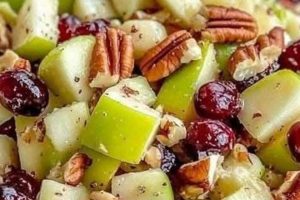
Tip 6: Add Flavorful Ingredients: Toasted nuts, seeds, or dried cranberries can add textural and flavor complexity to the salad.
By following these tips, one can elevate a simple summer squash salad into a flavorful and satisfying dish. Attention to detail, from ingredient selection to preparation techniques, ensures optimal results.
These insights provide a foundation for creating a variety of delicious summer squash salads, adaptable to individual preferences and dietary needs.
1. Fresh, High-Quality Squash

Fresh, high-quality squash is paramount to a successful zucchini and yellow squash salad. The flavor profile of these summer squashes is delicate; any off-flavors stemming from aged or damaged produce become readily apparent when served raw or lightly cooked. Texturally, fresh squash offers a crisp, firm bite, contrasting pleasantly with other salad components. Older squash tends to be mushy and watery, detracting from the overall enjoyment of the dish. For instance, a salad featuring crisp, freshly-picked zucchini ribbons provides a satisfying textural counterpoint to ingredients such as toasted nuts and crumbled cheese. Conversely, using older, softer zucchini results in a watery, less appealing salad.
Selecting high-quality squash involves choosing firm specimens with smooth, unblemished skin. Avoiding overly large squash is also advisable, as they often have a higher water content and less concentrated flavor. Proper storage further preserves quality. Refrigeration in a perforated bag helps maintain optimal freshness. These practices ensure that the squash retains its delicate flavor and desirable texture, contributing significantly to the overall quality of the salad.
Prioritizing fresh, high-quality squash directly impacts the success of a zucchini and yellow squash salad. The inherent mildness of these vegetables necessitates careful selection and storage to maximize their flavor and textural contribution. This emphasis on quality ingredients ensures a vibrant and enjoyable culinary experience.
2. Balanced Flavor Profiles

Balanced flavor profiles are essential for successful zucchini and yellow squash salads. The inherent mildness of these summer squashes necessitates the careful integration of other ingredients to create a harmonious and palatable dish. A balanced profile typically involves the interplay of acidity, saltiness, sweetness, and herbaceous notes. Acidity, often from lemon juice or vinegar, brightens the flavor and provides a refreshing counterpoint to the squash. Saltiness, from cheese or a seasoned dressing, enhances the overall taste and balances the acidity. A touch of sweetness, perhaps from dried cranberries or a lightly sweet vinaigrette, can add depth and complexity. Fresh herbs, such as mint, basil, or dill, contribute an aromatic dimension and further elevate the flavor profile. For example, a salad with thinly sliced zucchini and yellow squash, crumbled feta cheese, toasted pine nuts, and a lemon-herb vinaigrette demonstrates a balanced flavor profile. The feta provides saltiness, the vinaigrette contributes acidity and herbaceous notes, and the pine nuts offer a subtle sweetness and textural contrast. Without such balance, the salad might taste bland or one-dimensional.
The principle of balanced flavors extends beyond simply combining contrasting tastes. It involves considering the intensity of each flavor component and adjusting proportions accordingly. Too much acidity can make the salad overly tart, while excessive saltiness can mask the delicate flavor of the squash. A successful recipe utilizes ingredients that complement each other and create a synergistic effect, where the whole is greater than the sum of its parts. Consider the difference between a salad dressed solely with olive oil and one with a vinaigrette. The olive oil offers richness, but the vinaigrette, with its balanced acidity and seasonings, elevates the flavor profile considerably. This careful orchestration of flavors transforms a simple zucchini and yellow squash salad into a complex and satisfying culinary experience.
Achieving a balanced flavor profile in a zucchini and yellow squash salad requires careful consideration of ingredient combinations and their relative intensities. The mild nature of the squash necessitates the strategic incorporation of contrasting flavors to create a harmonious and enjoyable dish. This balance ensures that no single flavor dominates, resulting in a salad that is both refreshing and flavorful. Mastery of this principle allows for the creation of diverse and exciting variations on this versatile summer salad.
3. Complementary Ingredients

Complementary ingredients are essential for elevating a zucchini and yellow squash salad from simple to exceptional. These additions provide textural contrast, enhance the flavor profile, and contribute to a more visually appealing and nutritionally complete dish. The careful selection and integration of complementary ingredients are crucial for maximizing the potential of this versatile summer salad.
- Textural Variety
Zucchini and yellow squash, particularly when raw, offer a relatively soft texture. Incorporating ingredients with contrasting textures creates a more dynamic and satisfying sensory experience. Toasted nuts, such as almonds, walnuts, or pecans, provide a pleasant crunch. Seeds, like sunflower or pumpkin seeds, offer a similar textural contrast and contribute healthy fats. Crumbled or shaved cheese, such as feta, Parmesan, or goat cheese, introduces a creamy or crumbly element. These textural variations prevent the salad from feeling monotonous and enhance its overall appeal.
- Flavor Enhancement
While zucchini and yellow squash have a delicate, slightly sweet flavor, they benefit from ingredients that enhance and complement their profile. Fresh herbs, such as mint, basil, or dill, provide a bright, aromatic counterpoint. Other vegetables, like chopped bell peppers, red onion, or cherry tomatoes, introduce contrasting flavors and colors. Adding protein, such as grilled chicken, shrimp, or chickpeas, transforms the salad into a more substantial meal. These additions create a more complex and nuanced flavor profile, preventing the salad from tasting bland.
- Nutritional Enrichment
Complementary ingredients can significantly enhance the nutritional value of a zucchini and yellow squash salad. Adding protein-rich foods, such as legumes, nuts, seeds, or lean meats, increases the protein content. Incorporating a variety of colorful vegetables boosts the vitamin and mineral content. Healthy fats from ingredients like avocado, nuts, and seeds further contribute to nutritional density. These additions create a more balanced and nutrient-rich meal.
- Visual Appeal
Visual appeal plays a crucial role in the enjoyment of any dish, and salads are no exception. Complementary ingredients can transform a simple zucchini and yellow squash salad into a visually stunning creation. Colorful vegetables, such as bell peppers, tomatoes, or red onion, add vibrancy. Fresh herbs provide a pop of green. Edible flowers offer an elegant touch. These visual enhancements make the salad more appetizing and contribute to a more enjoyable dining experience.
The strategic incorporation of complementary ingredients significantly elevates the flavor, texture, nutritional value, and visual appeal of zucchini and yellow squash salads. By carefully considering these elements, one can create a diverse array of salads suitable for various occasions and palates. The interplay of these components transforms a simple summer salad into a culinary masterpiece.
4. Appropriate Dressing

Dressing selection significantly impacts the overall success of a zucchini and yellow squash salad. These summer squashes possess delicate flavors, easily overwhelmed by heavy or overly assertive dressings. An appropriate dressing complements, rather than masks, the subtle sweetness and mild vegetal notes of the squash. The dressing also contributes to the salad’s overall balance, providing acidity, saltiness, and potentially sweetness or herbaceousness, depending on the chosen flavor profile. For instance, a creamy ranch dressing, while flavorful, might overwhelm the delicate squash, whereas a light vinaigrette with lemon juice, olive oil, and fresh herbs enhances the inherent flavors without overpowering them. Similarly, a heavy balsamic vinaigrette might be too assertive, while a lighter balsamic glaze, drizzled sparingly, can offer a complementary sweetness and acidity.
Several factors influence dressing appropriateness. The salad’s intended flavor profile plays a key role. A Mediterranean-inspired salad with zucchini, yellow squash, feta cheese, and olives benefits from a lemon-herb vinaigrette. A salad featuring grilled squash and bolder flavors might pair well with a slightly more robust dressing, perhaps incorporating Dijon mustard or garlic. Ingredient compatibility is another crucial consideration. The dressing should complement the other ingredients in the salad, creating a harmonious flavor combination. A creamy dressing might clash with fresh, raw vegetables, while a vinaigrette might not pair well with heavier ingredients like grilled meats. Finally, the dressing’s texture contributes to the salad’s overall sensory experience. A light vinaigrette offers a refreshing contrast to the squash’s texture, while a thicker dressing might coat the vegetables and create a heavier mouthfeel.
Understanding the role and impact of dressing selection is crucial for creating a well-balanced and flavorful zucchini and yellow squash salad. A thoughtfully chosen dressing enhances the natural flavors of the squash, complements other ingredients, and contributes to a satisfying textural experience. Careful consideration of these factors elevates the dish from a simple combination of ingredients to a cohesive and enjoyable culinary creation. Inappropriate dressing selection, conversely, can detract from the squash’s delicate flavors and result in a less satisfying dish, highlighting the practical significance of this understanding.
5. Proper Texture

Texture plays a crucial role in the overall enjoyment of a zucchini and yellow squash salad. These summer squashes, when raw, possess a naturally soft texture. While this softness can be appealing, a salad consisting solely of raw squash might lack textural complexity. Therefore, achieving proper texture often involves incorporating ingredients that provide contrasting sensations, creating a more dynamic and satisfying culinary experience. Consider a salad composed solely of thinly sliced zucchini and yellow squash. While refreshing, it might lack textural depth. Introducing toasted pine nuts, for example, immediately adds a contrasting crunch, enhancing the overall enjoyment.
Several techniques contribute to proper texture in these salads. Slicing the squash thinly or using a spiralizer creates delicate ribbons, offering a pleasant tenderness. Grilling or roasting the squash, on the other hand, imparts a slightly firmer texture and a deeper, more caramelized flavor. These methods contrast with the raw squash’s softness, creating a more balanced textural profile. Furthermore, the addition of complementary ingredients significantly influences the overall texture. Toasted nuts, seeds, croutons, or crispy chickpeas introduce crunch. Crumbled cheese adds creaminess. Even the choice of dressing contributes to the textural experience. A light vinaigrette maintains the vegetables’ crispness, while a thicker dressing might create a softer, more coated sensation.
Understanding the interplay of these textural elements allows for the creation of a more satisfying and enjoyable zucchini and yellow squash salad. Careful consideration of preparation methods and complementary ingredients ensures a balanced textural profile, preventing the salad from becoming monotonous. This attention to detail elevates the dish from a simple combination of ingredients to a carefully crafted culinary experience. The textural interplay contributes significantly to the overall impression of the salad, demonstrating its practical importance in achieving a successful culinary outcome.
6. Seasonality

Seasonality significantly impacts the flavor, texture, and nutritional value of zucchini and yellow squash, and consequently, the quality of salads featuring these vegetables. Peak season for summer squash typically falls between late spring and early autumn, varying slightly depending on the specific region. During this period, squash reaches optimal ripeness, offering the best flavor and texture. Squash harvested during its peak season exhibits a vibrant, slightly sweet flavor and a tender yet firm texture. Conversely, out-of-season squash tends to be less flavorful, often exhibiting a bland or slightly bitter taste and a watery, less desirable texture. This difference in quality stems from the plant’s natural growth cycle and the impact of environmental factors. For instance, a zucchini grown during the heat of summer develops a more concentrated flavor compared to one grown in a greenhouse during cooler months. This difference is readily apparent in the resulting salad, impacting its overall appeal.
The nutritional value of zucchini and yellow squash also fluctuates with seasonality. Produce harvested during peak season generally boasts higher nutrient density, including vitamins, minerals, and antioxidants. This is because plants grown under optimal conditions can maximize nutrient uptake from the soil. Consuming seasonally also supports local agriculture and reduces the environmental impact associated with transporting produce long distances. For example, choosing locally grown summer squash during its peak season reduces reliance on produce shipped from other regions or countries, lowering the carbon footprint associated with transportation. Furthermore, seasonal consumption encourages a more varied diet, as individuals incorporate different fruits and vegetables as they become available throughout the year. This dietary diversity contributes to overall health and well-being.
Prioritizing seasonality when preparing zucchini and yellow squash salads ensures optimal flavor, texture, and nutritional value. Recognizing the connection between seasonality and produce quality allows for a more informed approach to ingredient selection and preparation, ultimately enhancing the culinary experience. This understanding also promotes sustainable agricultural practices and encourages a more diverse and healthful diet. Choosing in-season produce yields a more flavorful and nutritious salad, highlighting the practical significance of considering seasonality.
7. Visual Appeal

Visual appeal significantly enhances the perceived enjoyment and palatability of a zucchini and yellow squash salad. While flavor and texture undoubtedly contribute to a positive culinary experience, the visual presentation of a dish often forms the first impression and can influence overall satisfaction. A visually appealing salad entices the diner, stimulating appetite and creating anticipation for the flavors to come. Consider the difference between a salad composed solely of uniformly sliced squash and one incorporating a variety of colorful vegetables and garnishes. The latter, with its vibrant hues and contrasting textures, immediately captivates the eye and suggests a more complex and flavorful experience.
Several factors contribute to the visual appeal of these salads. Color contrast plays a key role. The pale yellow and green hues of the squash provide a neutral backdrop, allowing for the incorporation of more vibrant colors. Cherry tomatoes, red onion, bell peppers, and fresh herbs introduce contrasting hues, creating a visually dynamic presentation. Arrangement and composition also influence visual appeal. Rather than simply tossing ingredients together, a thoughtful arrangement can elevate the dish. Consider arranging the squash ribbons in a spiral pattern, creating a visually interesting focal point. Garnishes, such as edible flowers, toasted nuts, or a sprinkle of fresh herbs, add a finishing touch and enhance visual interest. Texture plays a role as well. A combination of smooth, thinly sliced squash, crunchy nuts, and crumbled cheese offers visual texture, adding to the overall appeal.
Understanding the importance of visual appeal in a zucchini and yellow squash salad allows for a more intentional and considered approach to preparation. Attention to color, arrangement, and garnishing transforms a simple salad into a visually captivating culinary creation. This enhanced visual appeal contributes to a more positive dining experience, influencing perception of flavor and overall enjoyment. While taste and texture remain crucial, the visual presentation provides the initial impression and sets the stage for a satisfying culinary encounter. This underscores the practical significance of visual appeal in enhancing the overall appreciation of a zucchini and yellow squash salad.
Frequently Asked Questions
This section addresses common inquiries regarding zucchini and yellow squash salad preparation, offering practical guidance for achieving optimal results.
Question 1: How can excess moisture be prevented in a zucchini and yellow squash salad?
Salting the sliced or shredded squash and allowing it to drain in a colander for approximately 15-20 minutes draws out excess moisture, preventing a watery salad. This step is particularly important for salads featuring raw squash.
Question 2: What are the best methods for preparing the squash?
Various preparation methods influence the salad’s texture and flavor. Thin slicing or spiralizing creates delicate ribbons suitable for raw salads. Grilling or roasting adds a heartier texture and a deeper, slightly caramelized flavor.
Question 3: Which dressings complement zucchini and yellow squash salads?
Light, flavorful dressings generally complement the delicate flavors of the squash. Vinaigrettes with lemon juice, olive oil, and fresh herbs are excellent choices. Avoid heavy, creamy dressings that can overwhelm the subtle flavors.
Question 4: How can the salad be made more visually appealing?
Incorporating colorful ingredients like cherry tomatoes, bell peppers, and fresh herbs enhances visual appeal. A thoughtful arrangement and garnishes, such as edible flowers or toasted nuts, further elevate the presentation.
Question 5: What are suitable protein additions for a more substantial meal?
Grilled chicken, shrimp, chickpeas, or cannellini beans are excellent protein additions, transforming the salad into a more complete and satisfying meal.
Question 6: How should leftover salad be stored?
Store leftover salad in an airtight container in the refrigerator for up to two days. It’s best to store the dressing separately and add it just before serving to prevent the salad from becoming soggy.
Addressing these common inquiries provides a foundation for successful zucchini and yellow squash salad preparation. Attention to detail, from ingredient selection to presentation, ensures a flavorful and enjoyable culinary experience.
This concludes the frequently asked questions section. The following section will offer a collection of recipe variations for exploring different flavor profiles and ingredient combinations.
Conclusion
Exploration of optimal zucchini yellow squash salad preparation necessitates careful consideration of several key factors. Ingredient quality, specifically freshness and ripeness of the squash, directly impacts flavor and texture. Balancing flavor profiles through acidity, saltiness, and herbaceous elements enhances the squash’s subtle sweetness. Strategic incorporation of complementary ingredients, including those offering textural contrast, elevates the salad from simple to exceptional. Appropriate dressing selection, prioritizing lighter vinaigrettes over heavier options, prevents masking the delicate squash flavors. Proper texture, achieved through varied preparation methods and ingredient choices, contributes significantly to enjoyment. Seasonality influences both flavor and nutritional value, encouraging utilization of peak-season produce. Finally, attention to visual appeal, incorporating color contrast and thoughtful arrangement, enhances the dining experience.
Culinary success with this versatile summer salad hinges on a comprehensive understanding of these interconnected elements. Emphasis on quality ingredients, balanced flavors, and thoughtful preparation elevates the zucchini yellow squash salad from a basic dish to a culinary expression showcasing the season’s bounty. Further exploration of flavor combinations and culinary techniques offers continued opportunities for innovation and enjoyment.