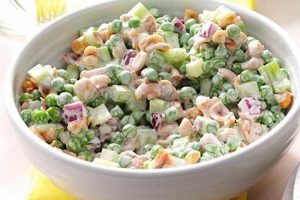
Dishes featuring gently cooked spinach offer a versatile and flavorful alternative to raw spinach salads. The slight cooking process softens the leaves, reducing their volume and mellowing their sometimes-sharp flavor. This creates a tender texture and allows the spinach to readily absorb dressings and other ingredients. A simple example involves warming the spinach with a warm bacon vinaigrette, resulting in a rich and savory side dish.
This culinary technique offers several advantages. It reduces the bulk of fresh spinach, allowing for larger portions to be consumed. The softened leaves provide a pleasant textural contrast to crisper salad components like nuts or croutons. The warmth also enhances the absorption of flavors, making the final dish more complex and satisfying. Historically, wilting spinach was a practical way to utilize larger quantities of the leafy green and reduce food waste. This method also allowed for the incorporation of preserved meats and other flavorful ingredients, stretching limited resources into more substantial meals.
Exploring different preparation methods, flavor combinations, and complementary ingredients unlocks the full potential of cooked spinach in salads. From classic warm bacon dressings to vibrant lemon-garlic infusions, the following sections will delve into diverse culinary applications.
Tips for Preparing Dishes with Gently Cooked Spinach
Achieving optimal results with cooked spinach salads requires attention to a few key details. These tips ensure the spinach wilts evenly, retains vibrant color, and absorbs flavors effectively.
Tip 1: Proper Heat Control is Crucial Excessive heat can scorch the spinach, resulting in an unpleasant taste and texture. Gentle, even heat is essential for delicate wilting.
Tip 2: Strategic Ingredient Addition Incorporating flavorful ingredients like garlic or onions at the beginning of the cooking process allows their flavors to infuse the spinach and the overall dish. Adding acidic elements like lemon juice or vinegar at the end brightens the flavors and helps maintain a vibrant green color.
Tip 3: Don’t Overcrowd the Pan Overcrowding prevents even cooking and can lead to steaming rather than wilting. Working in batches ensures consistent results.
Tip 4: Thorough Drying is Essential Excess moisture dilutes flavors and creates a watery final product. After washing, spinach must be thoroughly dried before cooking.
Tip 5: Timing is Key Spinach cooks quickly. Overcooking results in a mushy, unappetizing texture. Brief cooking preserves nutrients and delivers the desired tenderness.
Tip 6: Consider Complementary Ingredients Textural contrasts enhance the overall dining experience. Consider incorporating crispy elements like croutons, toasted nuts, or bacon bits.
Tip 7: Dressing Application Matters Warm dressings further wilt the spinach and enhance flavor absorption. Dressings should be added just before serving.
By following these guidelines, one can consistently create delicious and visually appealing dishes showcasing the versatility of gently cooked spinach. These techniques not only enhance flavor and texture but also preserve the nutritional value of this healthy green.
Considering these tips paves the way for successful preparation and enjoyment. The subsequent conclusion offers final thoughts on the versatility and appeal of incorporating gently cooked spinach into one’s culinary repertoire.
1. Warm Dressings
Warm dressings play a crucial role in wilted spinach salad recipes, contributing significantly to both the texture and flavor profile of the dish. The heat from the dressing gently wilts the spinach leaves, softening their texture and reducing their volume. This process also allows the leaves to absorb the flavors of the dressing more readily, creating a more cohesive and flavorful salad. The warmth of the dressing enhances the release of aromatic compounds within the spinach and the dressing ingredients, resulting in a more complex and satisfying sensory experience. A classic example is a warm bacon vinaigrette, where the rendered bacon fat infuses the spinach with a smoky richness, while the warm vinegar brightens the overall flavor.
Beyond their functional role in wilting the spinach, warm dressings offer a versatile platform for flavor exploration within these salads. The base of the dressing can range from simple olive oil and vinegar combinations to more complex emulsions incorporating ingredients like bacon fat, shallots, or garlic. The warmth of the dressing allows for the inclusion of ingredients that might not dissolve or blend as readily in a cold dressing, such as honey or maple syrup. This opens up possibilities for creating unique and nuanced flavor profiles, from sweet and savory combinations to tangy and herbaceous blends. For instance, a warm dressing with toasted sesame oil, ginger, and soy sauce can create an Asian-inspired wilted spinach salad.
Understanding the impact of warm dressings on wilted spinach salads allows for greater control over the final dish. Careful consideration of the dressing’s temperature, ingredients, and timing ensures the spinach wilts evenly without becoming overcooked and mushy. The interplay between the warm dressing and the spinach creates a harmonious blend of flavors and textures, elevating a simple salad into a more sophisticated and satisfying culinary experience. The choice of dressing can also complement other salad components, such as nuts, cheeses, or other vegetables, creating a well-balanced and flavorful composition. Mastering the art of warm dressings unlocks a world of possibilities within the realm of wilted spinach salads.
2. Flavorful Fats

Flavorful fats constitute an essential element in wilted spinach salad recipes, contributing significantly to both taste and texture. These fats, whether derived from rendered bacon, olive oil, or toasted sesame oil, act as a vehicle for flavor, absorbing and distributing aromatic compounds throughout the dish. The heat applied during the wilting process releases volatile compounds within the fats themselves, enhancing their inherent flavors and creating a more complex sensory experience. Beyond their role as flavor carriers, fats also contribute to the textural appeal of wilted spinach salads. They coat the spinach leaves, imparting a desirable richness and preventing them from becoming dry or stringy during the cooking process. For example, bacon fat adds a smoky depth and a pleasant crispness to the spinach, while olive oil lends a smooth, fruity character. The choice of fat directly impacts the overall flavor profile of the salad.
The selection and application of flavorful fats influence the overall success of wilted spinach salad recipes. Certain fats, like bacon fat or duck fat, possess strong inherent flavors that can dominate the dish, while others, like olive oil or avocado oil, offer a more neutral backdrop, allowing other ingredients to shine. The temperature at which the fat is introduced also plays a role. Adding garlic or shallots to cold oil before heating allows for gradual flavor infusion, while adding them to hot oil creates a more intense, immediate flavor impact. Furthermore, the quantity of fat used affects the final texture of the salad. Too little fat can result in dry, tough spinach, while too much can make the salad overly rich and heavy. A well-balanced approach ensures optimal flavor and texture.
Careful consideration of flavorful fats unlocks the full potential of wilted spinach salads. Understanding the interplay between fat type, temperature, and quantity allows for precise control over the final dish. Skilled application of these principles results in salads exhibiting balanced flavors, appealing textures, and satisfying richness. The judicious use of flavorful fats elevates wilted spinach salads from simple side dishes to culinary centerpieces.
3. Acidic Elements

Acidic elements play a crucial role in wilted spinach salad recipes, contributing brightness, balance, and enhanced flavor. Their presence counteracts the potential for richness to become overwhelming, particularly when flavorful fats like bacon grease or nuts are incorporated. Beyond balancing richness, acidic components also enhance the overall flavor profile by adding a tangy complexity. Vinegars, citrus juices, and even certain fruits contribute unique flavor dimensions. Lemon juice, for instance, provides a clean, citrusy brightness, while balsamic vinegar offers a deeper, sweeter tang. The chemical interaction between acids and other ingredients also influences color retention, preventing the spinach from becoming dull during the cooking process. The addition of an acidic element at the end of cooking helps maintain the vibrant green hue, enhancing the visual appeal of the salad. A spinach salad with a warm bacon vinaigrette and a splash of red wine vinegar exemplifies this principle, demonstrating the balance and vibrancy achieved through strategic use of acidity.
The selection and application of acidic elements impact the final flavor profile and overall balance of wilted spinach salads. Different acids offer unique flavor characteristics; choosing the right acid complements other ingredients and enhances the desired taste outcome. The timing of acid introduction also plays a critical role. Adding acidic elements too early in the cooking process can cause delicate ingredients to break down, while adding them at the very end preserves their brightness and impact. The quantity of acid used requires careful consideration. Too much acid can create an overly tart or sour flavor, while too little may not provide sufficient balance. Achieving the correct balance ensures a harmonious flavor profile where no single element overpowers the others. A spinach salad featuring a warm lemon-garlic dressing demonstrates how a lighter acid complements delicate flavors without overpowering them.
Understanding the influence of acidic elements allows for greater control and nuance in crafting wilted spinach salads. Careful selection, precise timing, and appropriate quantities create a well-balanced, flavorful, and visually appealing dish. Balancing the richness derived from fats with the brightness of acidic components elevates these salads beyond simple side dishes to more complex and satisfying culinary creations. This knowledge translates into practical application, enabling consistent creation of flavorful and well-balanced wilted spinach salads. The strategic use of acidity enhances not only the taste but also the overall dining experience.
4. Textural Contrasts

Textural contrasts contribute significantly to the overall enjoyment of wilted spinach salad recipes. The interplay of different textures creates a more dynamic and engaging sensory experience, elevating the dish beyond simple flavors. A foundation of softened, wilted spinach leaves provides a canvas upon which a variety of contrasting textures can be layered, resulting in a more complex and satisfying culinary experience. Understanding the role of textural variety allows for a more thoughtful and deliberate approach to salad composition.
- Crispy Elements
Crispy elements provide a stark contrast to the soft, wilted spinach, adding a satisfying crunch. Examples include toasted nuts like almonds or walnuts, croutons made from crusty bread, or crispy fried onions. These elements introduce a textural complexity that keeps the palate engaged and prevents the salad from feeling monotonous. The crispness also offers an auditory element, further enhancing the sensory experience.
- Creamy Components
Creamy components offer a textural counterpoint to both the wilted spinach and any crispy elements. These additions introduce a richness and smoothness that complements the other textures. Examples include crumbled feta cheese, goat cheese, or a dollop of creamy dressing. The creaminess can also help bind the salad together, creating a more cohesive overall structure.
- Chewy Textures
Chewy textures introduce another layer of complexity, interacting with both the soft and crispy elements. Examples include dried cranberries, raisins, or chopped dates. These additions provide a pleasant chewiness that contrasts with the other textures, further enhancing the overall sensory experience. They also contribute an element of sweetness, balancing other flavors within the salad.
- Seed Additions
Seeds offer small bursts of texture and flavor, complementing other elements in the salad. Examples include sesame seeds, sunflower seeds, or pumpkin seeds. These additions contribute a subtle crunch and a nutty flavor that enhances the overall complexity of the salad. Their small size allows them to be distributed throughout the dish, ensuring a consistent textural experience in each bite.
The strategic incorporation of textural contrasts elevates wilted spinach salad recipes from simple to sophisticated. By considering the interplay between soft, crispy, creamy, and chewy elements, one can create a multi-dimensional culinary experience that engages the palate and satisfies on multiple levels. The thoughtful inclusion of various textural components results in a more dynamic and memorable dish, showcasing the versatility of wilted spinach as a culinary foundation.
5. Aromatic Enhancements

Aromatic enhancements play a vital role in elevating wilted spinach salad recipes from simple to complex culinary creations. These enhancements, often derived from alliums like garlic, shallots, or onions, introduce layered flavors and aromas that significantly impact the overall sensory experience. The application of heat to these aromatics, whether through sauting or roasting, initiates chemical reactions that transform their flavor profiles, creating a foundation of savory depth upon which other ingredients can build. For example, gently sauting minced garlic in olive oil before wilting the spinach infuses the oil with a rich, savory aroma that permeates the entire salad. The choice of aromatic and its preparation method directly influences the final flavor profile, offering opportunities for customization and creative exploration within the recipe.
Beyond their inherent flavor contributions, aromatic enhancements also act as catalysts, unlocking and amplifying the flavors of other ingredients in the salad. They create a synergistic effect, enhancing the overall taste experience beyond the sum of its individual components. For example, the addition of roasted shallots to a wilted spinach salad with bacon and goat cheese not only adds its own sweet and savory notes but also enhances the smoky flavor of the bacon and the tangy complexity of the goat cheese. This interplay of flavors creates a more nuanced and satisfying dish. Furthermore, the strategic use of aromatics can balance and complement other flavor elements, preventing any single ingredient from dominating the overall profile. The careful selection and application of aromatic enhancements contribute significantly to the balance, depth, and complexity of wilted spinach salad recipes.
Understanding the impact of aromatic enhancements provides a crucial foundation for crafting exceptional wilted spinach salads. Consideration of the specific aromatic used, its preparation method, and its interaction with other ingredients allows for precise flavor control and the creation of truly unique and memorable dishes. The mastery of these principles elevates the preparation of wilted spinach salads from a simple cooking task to a culinary art form. This knowledge empowers one to create salads that not only satisfy the palate but also offer a multi-sensory dining experience. The effective use of aromatics elevates wilted spinach salads from basic side dishes to sophisticated culinary compositions.
6. Fresh, High-Quality Spinach

The foundation of any successful wilted spinach salad rests upon the quality of the spinach itself. Fresh, high-quality spinach contributes not only to the final flavor and texture but also to the overall visual appeal of the dish. Selecting and handling spinach properly ensures optimal results, maximizing the potential of this versatile leafy green.
- Visual Indicators of Freshness
Vibrant, deep green color signifies fresh spinach. Leaves should appear crisp and unwilted, free from yellowing, browning, or signs of damage. Avoiding pre-packaged spinach that appears slimy or contains excess moisture in the bag helps ensure optimal freshness and minimizes the risk of spoilage. Freshness directly correlates with flavor and texture; selecting top-quality spinach ensures a more satisfying final dish.
- Proper Storage Techniques
Proper storage maintains spinach freshness. Refrigeration in a loosely sealed container or bag, ideally lined with paper towels to absorb excess moisture, prolongs shelf life. Avoiding storing spinach near ethylene-producing fruits like apples or bananas helps prevent premature wilting. Correct storage practices minimize waste and preserve quality for optimal culinary applications.
- Thorough Washing and Drying
Thorough washing removes soil and debris, crucial for food safety and optimal flavor. Gentle rinsing under cold water, followed by thorough drying, prevents excess moisture from diluting the flavors of the salad and ensures the spinach wilts properly when exposed to heat. Adequate drying prevents a watery final product, allowing the spinach and dressing to combine effectively.
- Stem Removal and Leaf Preparation
While smaller, tender spinach leaves can be used whole, larger leaves often benefit from stem removal. Thick stems can be tough and fibrous, detracting from the overall texture of the salad. Removing stems and, if necessary, tearing larger leaves into smaller pieces ensures even cooking and a more pleasant eating experience. Proper preparation contributes to a more refined and enjoyable culinary outcome.
Attention to these aspects of spinach selection and preparation significantly impacts the success of wilted spinach salad recipes. Prioritizing fresh, high-quality spinach and handling it correctly ensures optimal flavor, texture, and visual appeal. These practices enhance the overall dining experience, demonstrating a commitment to quality in every element of the dish.
7. Proper Cooking Technique
Proper cooking technique forms the cornerstone of successful wilted spinach salad recipes, directly influencing the final texture, flavor, and overall appeal of the dish. It represents a critical juncture where ingredient quality meets culinary skill, determining whether the spinach achieves the desired delicate wilt or succumbs to overcooking. The principal objective lies in applying sufficient heat to soften the spinach leaves and reduce their volume while preserving their vibrant green color and preventing them from becoming mushy or stringy. This delicate balance necessitates careful control over temperature and timing, transforming the raw spinach into a tender, flavorful component of the salad.
Several factors contribute to proper cooking technique. Avoiding overcrowding the pan ensures even heat distribution and prevents steaming, which can result in unevenly cooked spinach. The choice of cooking medium, whether it be a small amount of flavorful fat like bacon grease or olive oil, or a simple steaming process, influences the final flavor profile. Adding aromatics like garlic or shallots to the pan before the spinach allows their flavors to infuse the leaves as they wilt. The timing of acidic elements, such as lemon juice or vinegar, plays a critical role as well. Adding them towards the end of the cooking process brightens the flavors and helps preserve the spinach’s vibrant color. A practical example demonstrating proper technique involves gently sauting minced garlic in olive oil, adding fresh spinach to the pan, and tossing it until just wilted, finishing with a splash of lemon juice. This approach results in tender, flavorful spinach that retains its appealing green color.
Mastery of proper cooking technique ultimately determines the success of wilted spinach salad recipes. It represents the crucial link between high-quality ingredients and a delectable finished product. Failure to execute this step correctly can result in a disappointing salad with overcooked, mushy spinach, or conversely, undercooked, tough leaves. A thorough understanding of these principles allows for consistent creation of salads showcasing the vibrant color, delicate texture, and nuanced flavors of perfectly wilted spinach. This knowledge elevates the dish from a simple side to a culinary centerpiece, demonstrating the transformative power of culinary skill.
Frequently Asked Questions about Dishes with Gently Cooked Spinach
This section addresses common inquiries regarding the preparation and enjoyment of dishes featuring gently cooked spinach, offering practical guidance for achieving optimal results.
Question 1: How does one prevent overcooking spinach when wilting?
Overcooking results in mushy, unappetizing spinach. The key is to use gentle heat and cook only until the leaves have just wilted. Constant tossing or stirring ensures even cooking. Removing the spinach from the heat source promptly once wilted also prevents residual cooking from occurring.
Question 2: Can frozen spinach be used for wilted spinach salads?
While fresh spinach is generally preferred, frozen spinach can be substituted. It’s crucial to thoroughly thaw and squeeze out excess moisture before cooking to prevent a watery salad. Adjust cooking times as frozen spinach may cook more quickly than fresh.
Question 3: What dressings complement wilted spinach salads best?
Warm dressings, particularly those with acidic components like vinegar or citrus juice, complement wilted spinach well. Bacon vinaigrette, lemon-garlic dressings, and balsamic vinaigrette are popular choices. The warmth of the dressing further enhances flavor absorption by the spinach.
Question 4: How can one incorporate wilted spinach into a meal beyond a simple salad?
Wilted spinach offers versatility beyond salads. It can be incorporated into omelets, frittatas, pasta dishes, or used as a filling for savory pastries or as a topping for pizzas and flatbreads.
Question 5: What are the nutritional benefits of consuming wilted spinach?
Spinach provides essential vitamins and minerals, including Vitamins A, C, and K, as well as iron and folate. While some nutrient loss may occur during cooking, wilting spinach makes it easier to consume in larger quantities, potentially increasing overall nutrient intake compared to raw spinach salads.
Question 6: How long can wilted spinach be stored?
Refrigerated in an airtight container, wilted spinach typically lasts for three to four days. Ensure proper cooling before storage to prevent bacterial growth. Reheating gently preserves flavor and texture.
Understanding these key aspects of preparing and storing wilted spinach ensures culinary success and maximizes enjoyment of this nutritious and versatile ingredient.
This concludes the frequently asked questions section. The subsequent section will offer a concluding summary of key concepts related to wilted spinach salads.
Conclusion
Exploration of culinary applications for gently cooked spinach reveals a versatile ingredient suitable for a range of dishes. Emphasis on proper cooking techniques, highlighting heat control and timing, ensures optimal texture and flavor, preventing overcooking and preserving vibrant color. Strategic incorporation of flavorful fats, acidic elements, and textural contrasts elevates dishes beyond simple preparations, offering complexity and balance. Aromatic enhancements further amplify flavor profiles, creating nuanced and satisfying culinary experiences. Prioritizing fresh, high-quality spinach and understanding its proper handling, from storage to preparation, contributes significantly to successful outcomes. Addressing frequently asked questions provides practical guidance, enabling consistent achievement of desired results.
The versatility of gently cooked spinach extends beyond basic salads, offering potential for integration into diverse culinary creations. Further exploration of flavor combinations and complementary ingredients promises continued innovation within this culinary domain. Encouraging experimentation with various techniques and ingredients unlocks the full potential of this nutritious and adaptable leafy green.