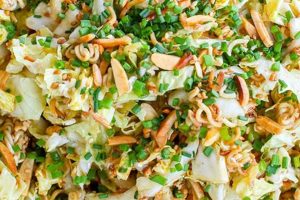
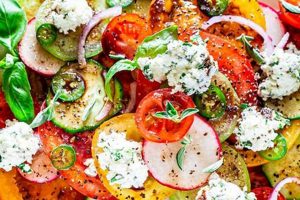
Light, refreshing meals featuring fresh produce take center stage during warm weather. These dishes often incorporate seasonal vegetables, fruits, herbs, and proteins, offering a nutritious and flavorful alternative to heavier meals. Examples include grilled chicken and peach salads with balsamic vinaigrette, watermelon and feta salads with mint, or pasta salads with roasted vegetables and a lemon-herb dressing.
These types of meals offer several advantages. They are typically lower in calories and fat than heavier, cooked dinners, contributing to healthy eating habits. The abundance of fresh ingredients provides vitamins, minerals, and antioxidants. Additionally, the flexibility of such dishes allows for creative combinations and caters to diverse dietary needs, from vegetarian and vegan to gluten-free options. Historically, the concept of consuming lighter fare in hot weather has existed for centuries, influenced by both cultural traditions and the availability of seasonal ingredients.
This discussion will further explore various aspects of creating delicious and satisfying warm-weather meals, including specific ingredient pairings, preparation techniques, and nutritional considerations. A variety of recipes and menu ideas will be provided to inspire culinary creativity throughout the summer season.
Tips for Creating Satisfying Summer Salad Dinners
Creating a fulfilling and flavorful salad substantial enough for a main course requires thoughtful planning and ingredient selection. The following tips offer guidance for composing delicious and nutritious summer salad dinners.
Tip 1: Prioritize Seasonal Produce: Selecting produce at its peak ripeness ensures optimal flavor and nutritional value. Farmers’ markets offer a wide array of seasonal fruits and vegetables.
Tip 2: Incorporate Varied Textures: Combining crunchy, creamy, and chewy elements adds complexity and interest. Consider adding toasted nuts, seeds, roasted vegetables, or croutons for crunch, avocado or cheese for creaminess, and cooked grains or beans for chewiness.
Tip 3: Balance Flavors: Aim for a balance of sweet, savory, acidic, and bitter flavors. A simple vinaigrette can provide acidity, while herbs and spices contribute depth.
Tip 4: Add a Source of Protein: Grilled chicken, fish, tofu, beans, lentils, or hard-boiled eggs transform a side salad into a satisfying main course.
Tip 5: Don’t Overdress: Too much dressing can make a salad soggy. Add dressing just before serving and start with a small amount, adding more if needed.
Tip 6: Consider Temperature: While many summer salads are served cold, grilling certain vegetables, such as corn or zucchini, can add a smoky dimension.
Tip 7: Plan Ahead: Some components, such as grains or roasted vegetables, can be prepared in advance, simplifying meal assembly.
By following these tips, one can create delicious, nutritious, and visually appealing salads that showcase the best of summer’s bounty. These strategies promote healthy eating while offering flexibility and culinary creativity.
These guidelines provide a strong foundation for exploring the world of summer salad dinners. The following section will present a collection of inspiring recipes.
1. Fresh, Seasonal Produce

The foundation of exceptional summer salad dinners lies in the utilization of fresh, seasonal produce. Peak-season ingredients offer superior flavor, texture, and nutritional value, elevating these dishes from simple meals to culinary experiences. Exploring the facets of seasonal produce reveals its integral role in creating successful summer salads.
- Enhanced Flavor Profiles
Fruits and vegetables harvested at their peak ripeness possess a depth of flavor unmatched by out-of-season alternatives. A ripe summer tomato bursts with sweetness and acidity, while freshly picked berries offer a concentrated sweetness. These vibrant flavors contribute significantly to the overall taste profile of the salad.
- Optimal Nutritional Content
Produce harvested in season boasts higher concentrations of vitamins, minerals, and antioxidants. Consuming these nutrient-rich ingredients contributes to overall health and well-being. This nutritional boost aligns with the focus on lighter, healthier meals often preferred during warmer months.
- Variety and Culinary Inspiration
Each season brings a unique array of fruits and vegetables, encouraging culinary creativity and exploration. Summer’s abundance of tomatoes, cucumbers, berries, and stone fruit allows for diverse flavor and texture combinations. This seasonal variety prevents menu fatigue and promotes exploration of new ingredients and recipes.
- Support for Local Agriculture
Choosing seasonal produce often translates to supporting local farmers and sustainable agricultural practices. Farmers’ markets and local food sources offer access to the freshest ingredients while promoting community-based food systems. This connection to local agriculture adds another layer of value to the dining experience.
By prioritizing fresh, seasonal produce, summer salad dinners become more than just a meal; they become a celebration of flavor, nutrition, and community. The inherent qualities of peak-season ingredients elevate these dishes, offering a delicious and healthful way to enjoy the bounty of summer.
2. Balanced Flavor Profiles

Balanced flavor profiles are crucial for creating satisfying and complex summer salad dinners. A harmonious blend of tastes elevates these dishes beyond simple meals, offering a more nuanced and enjoyable dining experience. Careful consideration of flavor components ensures a well-rounded and appealing salad.
- Sweetness
Sweetness, often derived from ripe fruits like berries, melons, or stone fruit, provides a foundational flavor element. It balances contrasting tastes and adds a refreshing dimension to summer salads. Grilled peaches paired with salty feta cheese exemplify this balance.
- Acidity
Acidity, typically introduced through citrus juices, vinegar-based dressings, or pickled vegetables, adds brightness and cuts through richness. A lemon vinaigrette drizzled over a salad with creamy avocado provides a refreshing contrast. Acidity also enhances the perception of other flavors.
- Saltiness
Saltiness, found in ingredients like cheese, olives, cured meats, or salty dressings, provides depth and enhances the overall flavor profile. A sprinkle of feta cheese on a watermelon salad contributes a salty counterpoint to the sweetness. Proper salt levels are crucial for a balanced flavor profile.
- Bitterness/Spice
Bitterness, present in ingredients like leafy greens or radicchio, adds complexity and balances sweetness. Arugula’s peppery bite adds depth to a salad with sweet roasted vegetables. Spice, from ingredients like chili flakes or jalapeos, offers another layer of complexity and can enhance other flavors.
The interplay of these flavor components is essential for creating a truly delicious and well-rounded summer salad dinner. The careful balance of sweet, acidic, salty, and bitter/spicy elements ensures a satisfying and memorable culinary experience. A thoughtfully composed salad with a diverse flavor profile becomes more than just a meal; it becomes a celebration of the season’s fresh ingredients.
3. Substantial Protein Sources

Inclusion of substantial protein sources elevates summer salad dinners from side dishes to complete, satisfying meals. Protein plays a vital role in satiety, providing a sense of fullness and preventing post-meal hunger. This is crucial for those seeking lighter yet nourishing dinner options during warmer months. Adequate protein intake also supports muscle maintenance and repair, contributing to overall health and well-being. Without a substantial protein component, a summer salad may lack the nutritional density required for a balanced meal. For example, a salad featuring grilled chicken or salmon provides significantly more protein and satiety than one comprised solely of vegetables and a light vinaigrette.
Numerous options exist for incorporating protein into summer salads. Grilled or pan-seared fish, such as salmon, tuna, or cod, offer lean protein and healthy fats. Poultry, like grilled chicken or turkey breast, provides another readily available source. Plant-based proteins, including chickpeas, lentils, beans, tofu, and tempeh, cater to vegetarian and vegan diets while contributing fiber and other essential nutrients. These options allow for diverse flavor profiles and cater to a range of dietary preferences. Hard-boiled eggs, nuts, and seeds provide additional protein sources, further enhancing the nutritional value and textural complexity of the salad. The choice of protein can be tailored to complement the other salad ingredients and create a balanced and flavorful meal. A Mediterranean-inspired salad might incorporate grilled halloumi cheese, while a Southwesternsalad could feature black beans and grilled corn.
Understanding the importance of substantial protein sources in summer salad dinners allows for the creation of meals that are both delicious and nutritionally complete. This approach supports healthy eating habits and ensures satisfaction, preventing reliance on less healthful options due to hunger. Strategic protein inclusion contributes to the overall balance and enjoyment of these summertime meals, transforming them from simple salads into culinary centerpieces. By incorporating a variety of protein options, individuals can create diverse and flavorful salads that cater to individual dietary needs and preferences, supporting a healthy and enjoyable summer dining experience.
4. Creative Textural Combinations

Creative textural combinations significantly enhance the enjoyment and satisfaction derived from summer salad dinners. Texture, alongside flavor and visual appeal, plays a crucial role in the overall dining experience. A strategically constructed interplay of textures elevates a salad from merely palatable to genuinely delightful. This involves incorporating a variety of textural elements to create a multi-dimensional culinary experience. Crunchy, creamy, chewy, and crisp components interact to stimulate the palate and provide a more engaging meal.
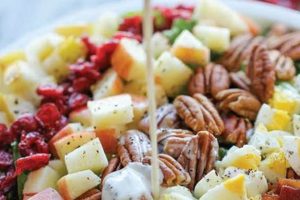
Consider the contrast between a crisp romaine lettuce base, creamy avocado slices, crunchy toasted walnuts, and chewy dried cranberries. This combination offers a more stimulating and satisfying experience than a salad with uniform texture. Similarly, incorporating roasted vegetables, such as crispy sweet potatoes or tender zucchini, alongside grilled chicken and a sprinkle of toasted sesame seeds introduces another layer of textural complexity. The interplay of these textures adds depth and interest, encouraging a more mindful and pleasurable dining experience. Further textural variety can be achieved through the addition of elements like crispy wonton strips, puffed quinoa, or toasted pepitas. These additions provide contrasting textures that complement the softer elements of the salad, such as leafy greens or cooked grains.
Achieving textural diversity does not necessitate complex preparation techniques. Simple additions like toasted nuts, croutons, or roasted chickpeas can dramatically transform a salad’s textural profile. Consideration of textural balance in recipe development contributes significantly to the overall success of the dish. A salad that offers a harmonious blend of textures is not only more enjoyable to consume but also promotes a more satisfying and memorable dining experience. This attention to detail elevates the simple summer salad to a more sophisticated and enjoyable culinary creation.
5. Visually Appealing Presentation
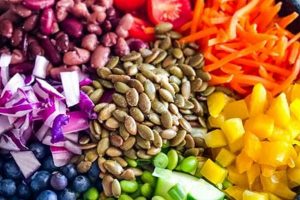
Visually appealing presentation significantly enhances the perceived value and enjoyment of summer salad dinner recipes. The aesthetic arrangement of ingredients elevates these dishes from simple meals to visually engaging culinary creations. This connection stems from the psychological impact of visual stimuli on appetite and perceived flavor. A well-presented salad stimulates the senses, creating anticipation and enhancing the overall dining experience. Color, texture, and height contribute to a visually appealing composition. A Caprese salad, with its vibrant red tomatoes, white mozzarella, and green basil, exemplifies the power of color contrast. The strategic placement of ingredients further contributes to visual appeal.
Practical application of visual presentation principles can transform even simple salads into appealing dishes. Consider arranging grilled chicken slices atop a bed of mixed greens, garnished with artfully placed cherry tomatoes and crumbled feta cheese. This deliberate arrangement creates visual interest and enhances the perceived freshness and quality of the ingredients. Utilizing different cutting techniques for vegetables adds visual texture. For example, cucumbers can be sliced, diced, or ribboned to create variety. The use of appropriate serving dishes, such as shallow bowls or platters, also contributes to the overall presentation. These practical considerations demonstrate that visual appeal is achievable without specialized equipment or extensive culinary expertise. Thoughtful arrangement and attention to detail elevate the dining experience.
In summary, visual presentation acts as a critical component of summer salad dinner recipes, influencing both perception and enjoyment. Understanding the psychological impact of visual appeal allows for the creation of dishes that are not only delicious but also aesthetically pleasing. This enhances the overall dining experience, transforming a simple meal into a more engaging and satisfying culinary event. While flavor and nutritional value remain paramount, attention to visual presentation demonstrates a commitment to culinary excellence and enhances the enjoyment of these summer meals. This principle applies equally to home cooks and professional chefs, demonstrating the universal importance of visual appeal in culinary arts.
6. Adaptability to Dietary Needs
Adaptability to diverse dietary needs represents a significant advantage of summer salad dinner recipes. The inherent flexibility of these dishes allows for easy customization, catering to a wide range of dietary restrictions and preferences. This adaptability ensures inclusivity and expands culinary possibilities, allowing individuals with specific dietary requirements to enjoy delicious and satisfying summer meals. Understanding the various facets of dietary adaptability highlights the versatility and value of these recipes.
- Vegetarian/Vegan Adaptations
Summer salad recipes readily accommodate vegetarian and vegan diets. Plant-based proteins, such as beans, lentils, tofu, tempeh, and nuts, seamlessly replace animal-based proteins. Omitting cheese or substituting with vegan alternatives caters to dairy-free requirements. For example, a grilled halloumi salad can be transformed into a vegan option by substituting grilled tofu and utilizing a plant-based feta cheese alternative. This adaptability broadens recipe appeal and ensures inclusivity at social gatherings.
- Gluten-Free Considerations
Individuals following gluten-free diets benefit from the naturally gluten-free nature of many salad components. Ensuring dressings and other additions remain gluten-free requires careful ingredient selection. Opting for quinoa or rice noodles in place of traditional pasta allows for the inclusion of grain-based elements without gluten. Focusing on whole, unprocessed ingredients minimizes the risk of hidden gluten, making these salads a safe and satisfying option.
- Managing Food Allergies and Intolerances
The customizable nature of summer salads simplifies accommodating common food allergies and intolerances. Ingredient substitutions readily address specific sensitivities. For instance, individuals with nut allergies can substitute sunflower seeds or pumpkin seeds for nuts, while those with lactose intolerance can omit cheese or use dairy-free alternatives. This adaptability ensures inclusivity and allows individuals with dietary restrictions to enjoy these meals safely.
- Portion Control and Calorie Management
Summer salads offer inherent flexibility for portion control and calorie management. Adjusting ingredient quantities and ratios allows for customization based on individual dietary goals. Reducing the amount of higher-calorie ingredients, such as cheese or nuts, or increasing the proportion of vegetables contributes to calorie reduction. This adaptability makes summer salads an ideal choice for those mindful of portion sizes or seeking lighter meal options.
The adaptability of summer salad dinner recipes enhances their value and broadens their appeal. This inherent flexibility ensures inclusivity, catering to diverse dietary needs and preferences. By understanding these adaptable qualities, individuals can create customized meals that meet specific dietary requirements while enjoying the fresh flavors and nutritional benefits of seasonal ingredients. This adaptability positions summer salads as a versatile and valuable component of a healthy and inclusive diet.
Frequently Asked Questions
This section addresses common inquiries regarding summer salad dinner recipes, providing concise and informative responses to clarify potential uncertainties and enhance understanding.
Question 1: How can substantial salads be created without relying on excessive amounts of high-calorie ingredients like cheese or nuts?
Salads gain substance through the strategic incorporation of nutrient-dense ingredients such as legumes (beans, lentils, chickpeas), whole grains (quinoa, farro), roasted vegetables (sweet potatoes, broccoli), and lean proteins (grilled chicken, fish, tofu). These ingredients contribute to satiety without relying solely on high-calorie additions.
Question 2: What strategies prevent salads from becoming soggy, particularly when prepared in advance?
Sogginess is preventable by keeping dressings separate until serving. Storing drier ingredients, such as lettuce and crunchy vegetables, separately from wetter components like tomatoes or cucumbers also helps maintain crispness. Packing ingredients in layers, with the dressing at the bottom, offers another effective strategy.
Question 3: Beyond traditional lettuce, what other leafy greens provide suitable bases for summer salads?
Numerous leafy greens offer appealing alternatives to traditional lettuce. Spinach, kale, arugula, watercress, and romaine provide varied flavors, textures, and nutritional profiles, enhancing both flavor and visual appeal.
Question 4: How can individuals adapt salad recipes to accommodate specific dietary restrictions, such as gluten-free or vegan diets?
Adapting recipes necessitates careful ingredient selection. Substituting gluten-free grains like quinoa or rice for traditional pasta addresses gluten-free needs. Vegan diets require replacing animal products with plant-based alternatives, such as tofu for cheese or beans for meat. Attention must also be paid to dressings and other additions, ensuring they align with specific dietary requirements.
Question 5: What methods ensure proper food safety when preparing summer salads, particularly with potentially perishable ingredients?
Thorough washing of all produce is crucial. Proper refrigeration of ingredients and prepared salads, particularly those containing protein, is essential to prevent bacterial growth. Avoiding cross-contamination through the use of separate cutting boards and utensils for raw meats and vegetables further enhances food safety.
Question 6: How can meal prepping be effectively utilized to incorporate summer salads into a busy weekly schedule?
Meal prepping components in advance streamlines weekday meal assembly. Washing and chopping vegetables, cooking grains, and preparing proteins like grilled chicken or tofu ahead of time allows for quick and easy salad construction when needed. Storing ingredients separately and combining just before serving maintains optimal freshness and prevents sogginess.
Understanding these common inquiries empowers individuals to approach summer salad preparation with confidence and creativity, leading to more enjoyable and satisfying dining experiences. The provided information clarifies potential uncertainties and promotes informed decision-making in recipe selection and preparation techniques.
This concludes the frequently asked questions section. The following section will offer concluding thoughts and summarize key takeaways.
Conclusion
Exploration of summer salad dinner recipes reveals their significant potential as nutritious, flavorful, and adaptable meals. Emphasis on fresh, seasonal produce maximizes both flavor and nutritional value, aligning with health-conscious dietary preferences. Careful consideration of flavor profiles, incorporating balanced sweetness, acidity, saltiness, and bitterness/spice, elevates these dishes beyond basic sustenance. Strategic inclusion of substantial protein sources ensures satiety and nutritional completeness, transforming salads into satisfying main courses. Attention to textural variety, achieved through the interplay of crunchy, creamy, and chewy elements, enhances sensory enjoyment. Visually appealing presentation elevates the dining experience, stimulating appetite and enhancing perceived flavor. Finally, inherent adaptability to diverse dietary needs, including vegetarian, vegan, and gluten-free adaptations, underscores the versatility and inclusivity of these meals.
Culinary exploration of summer salad dinner recipes offers a pathway to healthier, more enjoyable, and sustainable eating practices. Emphasis on seasonal ingredients supports local agriculture and reduces environmental impact. The adaptability of these recipes encourages creativity and personalization, fostering a deeper connection with food and its origins. Continued exploration and experimentation within this culinary domain promise further discovery of innovative and delicious ways to celebrate the bounty of summer produce.