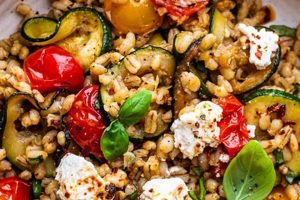
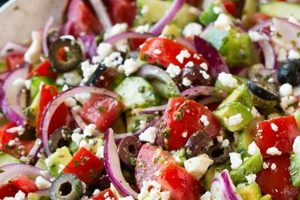
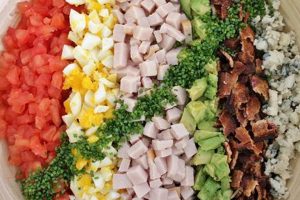
A dish combining fresh, raw vegetables with prepared tofu offers a versatile and nutritious meal option. This preparation typically involves leafy greens, other vegetables like cucumbers or bell peppers, and a flavorful dressing. The tofu, a soy-based protein source, can be marinated, baked, fried, or crumbled to add texture and substance. For instance, a simple version might include spinach, chopped tomatoes, cubed marinated tofu, and a light vinaigrette.
Plant-based diets are increasingly popular for health and environmental reasons, and dishes featuring tofu contribute significantly to these dietary choices. Tofu provides essential proteins and amino acids while remaining cholesterol-free and low in saturated fat. Its neutral flavor readily absorbs marinades and dressings, making it a highly adaptable ingredient. Incorporating this versatile protein into vibrant, fresh salads creates a balanced meal suitable for various dietary needs and preferences. Historically, tofu originated in East Asia and has been a dietary staple for centuries, eventually gaining global popularity for its nutritional value and culinary versatility.
This exploration will delve further into specific preparations, highlighting diverse flavor profiles and techniques for creating compelling tofu salads. Nutritional information, ingredient variations, and tips for optimal tofu preparation will be discussed in detail.
Tips for Crafting Exceptional Tofu Salads
Maximizing flavor and texture requires attention to key preparation techniques. The following tips offer guidance for creating satisfying and nutritious tofu salads.
Tip 1: Press the tofu. Removing excess water from the tofu ensures optimal texture and allows it to absorb marinades more effectively. Wrap the tofu block in a clean towel or paper towels and place a heavy object on top for at least 30 minutes.
Tip 2: Marinate for maximum flavor. Tofu’s neutral taste benefits greatly from marinades. Experiment with diverse flavor profiles, such as soy sauce, ginger, garlic, or peanut sauce. Marinate for at least 15 minutes, or preferably longer, for deeper flavor penetration.
Tip 3: Consider tofu preparation methods. Cubed, crumbled, or sliced tofu offers different textures and visual appeal. Baking or pan-frying adds a crispy exterior, while crumbled tofu provides a lighter, more dispersed protein element.
Tip 4: Choose a variety of vegetables. Combine leafy greens with colorful vegetables like bell peppers, carrots, cucumbers, and red onion for a balanced and visually appealing salad.
Tip 5: Select complementary dressings. Vinaigrettes, creamy dressings, or Asian-inspired sauces can enhance the overall flavor profile. Consider the marinade and other ingredients when selecting a dressing.
Tip 6: Don’t overdress the salad. Add dressing just before serving to prevent the salad from becoming soggy. Start with a small amount and add more as needed.
Tip 7: Add textural elements. Toasted nuts, seeds, or croutons can add satisfying crunch and enhance the overall sensory experience.
By following these tips, one can create flavorful, nutritious, and visually appealing tofu salads that satisfy a range of dietary preferences. Careful attention to tofu preparation, ingredient selection, and dressing choice ensures a delicious and balanced meal.
This information provides a comprehensive foundation for creating diverse and enjoyable tofu salads. Experimentation with various ingredients and flavors allows for personalized variations.
1. Tofu Preparation (Pressing, Marinating)

Tofu preparation is crucial for creating palatable salads featuring this versatile ingredient. Pressing removes excess water, resulting in firmer tofu that absorbs marinades more effectively. This step is essential for achieving desirable texture and preventing a watery salad. Marinating infuses the tofu with flavor, compensating for its relatively neutral taste. A flavorful marinade complements the other salad components, creating a cohesive and enjoyable dish. For instance, a ginger-soy marinade adds a savory, umami element that pairs well with fresh vegetables and a light vinaigrette. Conversely, neglecting to press the tofu leads to a less flavorful, potentially soggy salad.
Different marinades offer diverse flavor profiles and culinary experiences. An Asian-inspired marinade with soy sauce, sesame oil, and rice vinegar complements a salad with shredded carrots, edamame, and a sesame-ginger dressing. Alternatively, a Mediterranean-inspired marinade with lemon juice, oregano, and garlic enhances a salad with cucumbers, tomatoes, olives, and a light vinaigrette. The marinade chosen should complement the other salad ingredients and the overall desired flavor profile. Practical application of these techniques elevates the sensory experience of tofu salads significantly.
Effective tofu preparation contributes substantially to the overall success of a tofu salad. It enhances flavor, improves texture, and prevents undesirable wateriness. Choosing a marinade that complements the other salad components is essential for creating a balanced and enjoyable dish. Mastery of these techniques elevates the culinary potential of tofu, transforming it from a bland ingredient into a flavorful centerpiece of a satisfying and nutritious salad.
2. Ingredient Selection (Fresh, Seasonal)

Ingredient selection significantly impacts the flavor, nutritional value, and overall appeal of a tofu salad. Prioritizing fresh, seasonal produce elevates the sensory experience and ensures optimal nutrient density. This careful selection complements the tofu, creating a balanced and vibrant dish.
- Seasonality
Seasonal produce offers peak flavor and nutritional value. Utilizing ingredients at their peak ripeness intensifies the salad’s taste and provides maximum nutrients. For example, a summer salad might feature ripe tomatoes and cucumbers, while a fall salad could incorporate butternut squash and kale. Choosing seasonal ingredients ensures optimal freshness and supports local agriculture.
- Variety and Color
A diverse range of colorful vegetables contributes essential vitamins, minerals, and antioxidants. Incorporating various colors ensures a visually appealing salad and broadens the nutritional profile. A mix of leafy greens, red bell peppers, orange carrots, and purple cabbage provides a visually striking and nutritionally rich base for the tofu. This variety also adds textural complexity.
- Complementary Flavors
Selecting ingredients with complementary flavors enhances the overall taste experience. Consider the tofu marinade and dressing when choosing vegetables. For example, a citrusy vinaigrette pairs well with ingredients like avocado and grapefruit segments, while a peanut dressing complements shredded carrots and edamame. Harmonizing flavors creates a cohesive and enjoyable dish.
- Textural Contrast
Incorporating a variety of textures adds interest and dimension to the salad. Combining crunchy elements like nuts or seeds with softer ingredients like leafy greens and tofu creates a more satisfying sensory experience. Toasted sesame seeds, chopped walnuts, or crispy chickpeas add textural contrast and enhance the overall enjoyment of the salad. This contrast prevents a monotonous texture and adds appeal.
By thoughtfully selecting fresh, seasonal ingredients, one can create a tofu salad that is both flavorful and nutritious. The interplay of seasonality, variety, complementary flavors, and textural contrast elevates the dish beyond a simple combination of ingredients, resulting in a vibrant and satisfying culinary experience.
3. Flavor Profiles (Savory, Sweet, Spicy)

Flavor profiles play a crucial role in creating balanced and satisfying tofu salads. The inherent neutrality of tofu provides a blank canvas for a wide range of flavor combinations, allowing for significant culinary exploration. A well-considered flavor profile elevates the dish beyond a simple combination of ingredients, transforming it into a complex and enjoyable culinary experience. The interplay of savory, sweet, and spicy elements contributes depth and complexity to these versatile salads.
- Savory Profiles
Savory profiles often rely on umami-rich ingredients like soy sauce, miso, nutritional yeast, or mushrooms. These ingredients provide a depth of flavor that complements the tofu and other vegetables. A sesame-ginger dressing, for instance, adds a savory dimension that pairs well with ingredients like shredded carrots, edamame, and chopped scallions. Such profiles are often grounded in traditional Asian cuisine, offering a familiar yet nuanced taste experience.
- Sweet Profiles
Sweetness can be incorporated through ingredients like fruits (berries, mango, oranges), dried cranberries, or a touch of maple syrup or honey in the dressing. These elements provide a counterpoint to savory components, creating a balanced flavor profile. A salad with grilled tofu, mixed greens, strawberries, and a balsamic vinaigrette exemplifies this balance. The sweetness enhances the overall complexity and adds a refreshing element.
- Spicy Profiles
Spicy profiles introduce heat through ingredients like chili flakes, sriracha, jalapeos, or a spicy peanut sauce. These elements add a kick that can be balanced with other flavors. A salad featuring crispy tofu, shredded cabbage, chopped peanuts, and a sriracha-lime dressing offers a vibrant and spicy experience. The level of spice can be adjusted to suit individual preferences.
- Balanced Profiles
Often, the most successful tofu salads incorporate elements from multiple flavor profiles. A balance of savory, sweet, and spicy elements creates a complex and nuanced flavor experience. A salad with pan-fried tofu, spinach, mandarin oranges, toasted almonds, and a spicy-sweet chili-lime dressing exemplifies this balanced approach. The interplay of these flavors creates a harmonious and satisfying dish.
Careful consideration of flavor profiles is essential for maximizing the culinary potential of tofu salads. By strategically incorporating savory, sweet, and spicy elements, one can create balanced, flavorful, and ultimately more enjoyable dishes. Understanding these flavor dynamics allows for creative exploration and customization, ensuring a satisfying and nutritious meal tailored to individual preferences.
4. Textural Variety (Crunchy, Soft)

Textural variety is a critical component of a successful salad incorporating tofu. The inherent softness of tofu, especially when prepared by methods like boiling or steaming, necessitates the inclusion of contrasting textures to create a more engaging and satisfying sensory experience. This interplay of textures prevents monotony and elevates the dish beyond a simple combination of ingredients. Crunchy elements provide a counterpoint to the soft tofu, enhancing the overall enjoyment and perceived complexity of the salad.
Several ingredients can contribute the desired crunch. Nuts, such as toasted almonds, walnuts, or cashews, offer a satisfying bite and complement the tofu’s subtle flavor. Seeds, like sesame seeds, sunflower seeds, or pumpkin seeds, provide a lighter crunch and subtle nutty notes. Croutons, either store-bought or homemade, introduce a contrasting texture and can be flavored to complement the overall salad profile. Furthermore, incorporating raw vegetables like chopped carrots, bell peppers, or cucumbers contributes not only crunch but also nutritional value and visual appeal. Even crispy tofu, achieved through pan-frying or baking, can introduce textural variation within the tofu itself. For instance, a salad featuring steamed tofu, shredded carrots, toasted almonds, and a sesame-ginger dressing exemplifies the interplay of soft and crunchy elements. Similarly, a salad combining crispy pan-fried tofu with mixed greens, chopped cucumbers, and a light vinaigrette offers another example of textural contrast.
Understanding the importance of textural variety allows for strategic ingredient selection and preparation. Balancing the soft tofu with contrasting crunchy elements elevates the sensory experience and promotes greater culinary satisfaction. Neglecting textural diversity can result in a bland and less enjoyable salad, regardless of the quality of individual ingredients. Achieving a harmonious balance of textures distinguishes a thoughtfully composed tofu salad from a mere assortment of ingredients, demonstrating an understanding of fundamental culinary principles.
5. Dressing Choice (Vinaigrette, Creamy)

Dressing selection significantly impacts the overall flavor profile and enjoyment of a tofu salad. The dressing should complement the tofu preparation, other ingredients, and desired flavor outcome. A thoughtful dressing choice unites the various components, creating a cohesive and harmonious culinary experience. The wrong dressing can overwhelm delicate flavors or clash with existing tastes, diminishing the salad’s overall appeal.
Vinaigrettes, typically made with oil and vinegar, offer a light and tangy counterpoint to the often-neutral flavor of tofu. They allow the flavors of the other ingredients to shine through without overpowering the palate. A lemon-herb vinaigrette, for instance, pairs well with herbaceous tofu salads featuring ingredients like dill, parsley, and mint. A balsamic vinaigrette complements salads with sweeter elements like berries or roasted vegetables. The acidity of vinaigrettes also provides a refreshing contrast to richer ingredients, creating a balanced flavor profile.
Creamy dressings, often based on mayonnaise, yogurt, or tahini, offer a richer and more decadent experience. They coat the ingredients, providing a satisfying mouthfeel and adding a layer of flavor complexity. A creamy peanut dressing complements salads with Asian-inspired flavors, while a tahini-based dressing pairs well with Mediterranean ingredients. However, creamy dressings should be used judiciously to avoid overpowering the salad and creating a heavy or soggy dish. The richness of creamy dressings can complement crispy tofu, creating a textural and flavor contrast.
The choice between a vinaigrette and a creamy dressing depends on the specific salad composition and desired flavor profile. A light and refreshing salad might benefit from a tangy vinaigrette, while a more substantial salad featuring roasted vegetables or crispy tofu might pair well with a creamy dressing. Understanding the interplay between dressing choice and other salad components is crucial for creating a balanced and enjoyable dish. Successful dressing selection elevates the salad from a simple combination of ingredients to a cohesive and flavorful culinary creation.
6. Nutritional Balance (Protein, Fiber)
Nutritional balance plays a vital role in the overall health benefits derived from consuming salads, and the inclusion of tofu contributes significantly to this balance. Tofu, a soy-based product, offers a complete protein source, meaning it contains all nine essential amino acids required for human health. Furthermore, incorporating tofu into a salad boosts its protein content, contributing to satiety and supporting muscle maintenance and growth. The combination of protein and fiber in a tofu salad creates a nutritionally dense meal option, aligning with dietary guidelines that emphasize whole foods and plant-based protein sources.
- Complete Protein Source
Tofu provides all essential amino acids, making it a valuable protein source, particularly for vegetarian and vegan diets. This complete protein profile distinguishes tofu from many other plant-based proteins, which often lack one or more essential amino acids. In the context of a salad, tofu complements the nutrients provided by vegetables, creating a well-rounded and protein-rich meal.
- Fiber Contribution of Vegetables
The vegetables in a salad contribute significant dietary fiber, which promotes digestive health, regulates blood sugar levels, and supports satiety. Fiber-rich vegetables like leafy greens, broccoli, and carrots complement the protein provided by tofu, creating a synergistic nutritional effect. This combination promotes gut health and contributes to overall well-being.
- Micronutrient Density
Salads incorporating a variety of colorful vegetables offer a wide range of vitamins and minerals. These micronutrients are essential for various bodily functions, including immune system support, energy production, and bone health. The inclusion of tofu further enhances the nutritional profile by adding iron, calcium, and other essential minerals. This micronutrient density contributes to a more complete and balanced nutritional intake.
- Satiety and Weight Management
The combination of protein and fiber in a tofu salad promotes satiety, reducing the likelihood of overeating and supporting weight management goals. Protein and fiber contribute to feelings of fullness, helping to regulate appetite and prevent excessive calorie consumption. This satiating effect makes tofu salads a valuable component of a balanced and health-conscious diet.
The nutritional synergy between tofu and the vegetables in a salad creates a meal that is both satisfying and nutrient-rich. This combination offers a valuable source of complete protein, dietary fiber, and essential micronutrients, supporting overall health and well-being. Incorporating tofu salads into a regular dietary regimen contributes to a balanced nutritional intake and aligns with recommendations for increased plant-based protein consumption.
7. Presentation (appealing, colorful)

Presentation significantly influences the perceived enjoyment and consumption of food, including salads featuring tofu. Visual appeal stimulates appetite and enhances the dining experience. A thoughtfully presented salad encourages consumption, particularly important when incorporating nutrient-rich ingredients like tofu and diverse vegetables. An appealing presentation elevates the dish beyond mere sustenance, transforming it into a more engaging and satisfying culinary experience. Color plays a crucial role in this appeal; vibrant colors suggest freshness and variety, further enhancing the perceived palatability.
Strategic arrangement of ingredients contributes to visual appeal. Rather than simply tossing ingredients together, consider placing elements thoughtfully. For instance, arranging sliced tofu attractively alongside contrasting colors of vegetables like bell peppers, red onion, and spinach creates a visually dynamic composition. Garnishes, such as toasted sesame seeds, chopped nuts, or fresh herbs, provide finishing touches that elevate the presentation. Consider the color wheel when combining ingredients; complementary colors create visual harmony, while contrasting colors provide vibrancy and interest. A salad featuring orange segments, red bell peppers, and green spinach offers a visually striking example. Similarly, a monochromatic salad featuring varying shades of green, from dark leafy greens to lighter cucumbers and avocado, can be equally appealing through textural and tonal variations.
The practical implications of appealing presentation extend beyond individual enjoyment. In food service settings, attractive presentation enhances the perceived value of dishes and contributes to customer satisfaction. For meal preparation, an appealing salad encourages consumption, particularly beneficial when promoting healthy eating habits. Understanding the impact of visual presentation allows for conscious and strategic choices in ingredient arrangement, color combinations, and garnishing techniques. This attention to detail elevates the dining experience and maximizes the enjoyment and consumption of healthy and nutritious tofu salads.
Frequently Asked Questions
This section addresses common inquiries regarding the preparation and enjoyment of salads featuring tofu.
Question 1: How can one prevent tofu from becoming soggy in a salad?
Pressing the tofu thoroughly before incorporating it into the salad is crucial. This removes excess water, preventing sogginess and allowing the tofu to absorb marinades more effectively.
Question 2: What are effective methods for preparing tofu for salads?
Various methods, including baking, pan-frying, and crumbling, enhance tofu’s texture and flavor. Baking or pan-frying creates a crispy exterior, while crumbling offers a lighter, more dispersed texture throughout the salad.
Question 3: Which dressings complement tofu salads best?
Both vinaigrettes and creamy dressings can complement tofu salads. Vinaigrettes offer a light and tangy option, while creamy dressings provide a richer flavor and mouthfeel. The specific dressing choice depends on the overall flavor profile desired and other salad ingredients.
Question 4: How can nutritional value be maximized in a tofu salad?
Incorporating a variety of colorful vegetables, such as leafy greens, bell peppers, and carrots, alongside the tofu increases the salad’s vitamin, mineral, and antioxidant content. Choosing seasonal produce ensures peak flavor and nutritional value.
Question 5: Can tofu salads be prepared in advance?
While some components can be prepared ahead of time, it is generally recommended to combine the dressed salad ingredients just before serving to prevent sogginess and maintain optimal texture.
Question 6: How can one make tofu salads more appealing to those unfamiliar with tofu?
Utilizing flavorful marinades and dressings helps introduce tofu more palatably. Incorporating familiar and well-liked ingredients alongside the tofu can also encourage consumption and expand culinary horizons.
Careful preparation and thoughtful ingredient selection elevate tofu salads from simple meals to satisfying culinary experiences. Addressing these frequently asked questions provides a foundation for creating flavorful and nutritious tofu salads.
This concludes the FAQ section. The following sections will provide recipe examples and further explore variations on the tofu salad theme.
Conclusion
Exploration of salads incorporating tofu reveals a versatile culinary landscape. Careful consideration of tofu preparation, ingredient selection, flavor profiles, textural variety, dressing choice, nutritional balance, and presentation significantly impacts the final product. From the importance of pressing tofu to prevent sogginess to the strategic use of complementary flavors and textures, each element contributes to the overall success of the dish. Nutritional analysis highlights the significant protein and fiber content, positioning these salads as valuable components of a balanced diet. Furthermore, the inherent adaptability of tofu allows for diverse culinary interpretations, accommodating a broad range of flavor preferences and dietary needs.
Salads featuring tofu offer a canvas for culinary creativity and nutritional exploration. Continued experimentation with ingredients, flavors, and presentations promises further development and refinement of these versatile dishes. The potential for innovation within this culinary space remains substantial, suggesting a promising future for tofu-based salads within the broader context of healthy and sustainable cuisine.