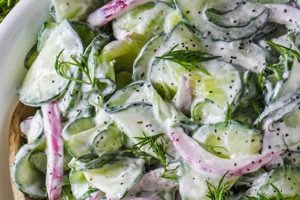
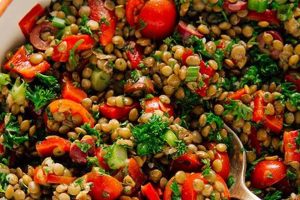
A vibrant and refreshing dish, this culinary creation typically features the delicate, artichoke-like hearts of palm as a central ingredient. Often combined with crisp lettuces, other fresh vegetables, and a complementary dressing, such preparations offer a unique textural and flavor profile. Variations can include the addition of proteins like grilled chicken or shrimp, as well as diverse ingredients such as avocado, tomatoes, or red onion, offering a wide range of culinary possibilities.
The nutritional value of these salads is significant. Hearts of palm are a good source of fiber, contributing to digestive health, and offer essential vitamins and minerals. Their relatively low calorie and fat content make them a desirable component of a balanced diet. Historically, hearts of palm were a staple food in tropical regions, prized for their versatility and nutritional benefits. Their inclusion in contemporary cuisine represents a continued appreciation for their unique qualities and offers a healthy and flavorful alternative to traditional salad ingredients.
Further exploration will delve into specific ingredient combinations, preparation techniques, and dressing options to unlock the full potential of this versatile and healthful dish. Considerations for dietary restrictions and ingredient substitutions will also be addressed, ensuring accessibility and customization for a broad range of culinary preferences.
Tips for Hearts of Palm Salad Preparation
Optimizing the flavor and presentation of a hearts of palm salad requires attention to detail throughout the preparation process. The following tips offer guidance for achieving optimal results.
Tip 1: Quality Ingredients: Selecting high-quality hearts of palm is crucial. Opt for firm, undented cans or jars. Fresh hearts of palm, if available, should be firm and creamy white. Freshness impacts both flavor and texture.
Tip 2: Proper Draining and Rinsing: Thorough draining and rinsing of canned hearts of palm removes excess brine, minimizing sodium content and enhancing their natural flavor.
Tip 3: Strategic Slicing: Consider the desired presentation when slicing. Thin slices create a delicate texture, while thicker slices offer a more substantial bite. Uniformity in slicing ensures even distribution throughout the salad.
Tip 4: Complementary Ingredients: Choose ingredients that complement the subtle flavor of hearts of palm. Crisp lettuces, ripe tomatoes, avocado, and citrus segments are excellent choices.
Tip 5: Dressing Selection: Light vinaigrettes or citrus-based dressings enhance the natural flavors without overpowering them. Avoid heavy, creamy dressings that can mask the delicate taste.
Tip 6: Proper Storage: Store leftover salad components separately to maintain optimal freshness. Combine just before serving to prevent the salad from becoming soggy.
Tip 7: Creative Garnishes: Enhance visual appeal and flavor with thoughtful garnishes. Toasted nuts, crumbled cheese, or fresh herbs can elevate the dish.
Careful consideration of these tips ensures a delicious and visually appealing salad. Attention to detail from ingredient selection to final presentation elevates the dining experience.
By implementing these techniques, one can create a hearts of palm salad that is not only nutritious but also a true culinary delight, setting the stage for a satisfying and memorable meal.
1. Fresh Hearts of Palm

Fresh hearts of palm represent a critical element in achieving a high-quality salad. Their inherent crisp texture and delicate, slightly sweet flavor contribute significantly to the overall sensory experience. Utilizing fresh hearts of palm, as opposed to canned or jarred varieties, offers a noticeable difference in both taste and texture. The firm, almost succulent quality of fresh hearts of palm provides a satisfying bite, while canned versions can sometimes exhibit a softer, slightly briny texture. This distinction impacts the final dish, influencing the interplay of ingredients and the overall balance of flavors. For instance, a salad featuring fresh hearts of palm alongside ripe avocado and a citrus vinaigrette offers a vibrant and refreshing contrast of textures and tastes. The same salad prepared with canned hearts of palm may lack the desired crispness, resulting in a less dynamic composition.
The impact of freshness extends beyond mere texture. Fresh hearts of palm possess a more pronounced, naturally sweet flavor profile, which enhances their compatibility with various ingredients. This inherent sweetness allows for greater versatility in dressing choices and ingredient pairings. Consider a salad combining fresh hearts of palm with grilled shrimp, cherry tomatoes, and a light lemon vinaigrette. The natural sweetness of the hearts of palm complements the savory shrimp and tangy tomatoes, creating a harmonious blend of flavors. Substituting canned hearts of palm, with their potentially lingering brininess, might disrupt this balance and necessitate adjustments to the dressing or other ingredients. Therefore, recognizing the nuances in flavor and texture offered by fresh hearts of palm becomes essential in crafting a well-balanced and flavorful salad.
Prioritizing fresh hearts of palm demonstrates a commitment to quality and elevates the overall culinary experience. While canned hearts of palm offer a convenient alternative, understanding the distinct advantages of using fresh product enables more informed culinary decisions. This awareness allows for greater control over the final dish, ensuring a harmonious blend of textures and flavors. Ultimately, selecting fresh hearts of palm contributes significantly to the creation of a truly exceptional salad, showcasing the nuanced interplay of fresh, high-quality ingredients.
2. Complementary Ingredients
Complementary ingredients play a crucial role in a successful hearts of palm salad recipe, elevating the dish beyond a simple sum of its parts. Careful selection of these supporting components creates a balanced and harmonious flavor profile, enhancing the delicate taste and unique texture of hearts of palm. The interplay of these ingredients significantly impacts the overall sensory experience, influencing both taste and texture. For instance, the buttery richness of avocado provides a smooth counterpoint to the crisp hearts of palm, while the acidity of tomatoes offers a bright, tangy contrast. This synergy transforms individual components into a unified culinary creation.
Several factors influence the choice of complementary ingredients. Consideration of flavor profiles, textural contrasts, and color combinations ensures a well-rounded and visually appealing salad. The subtle, slightly sweet flavor of hearts of palm pairs well with a variety of ingredients, including citrus fruits, fresh herbs, and crunchy vegetables. Textural variety, achieved through the incorporation of ingredients like toasted nuts or croutons, adds another layer of complexity. Color plays a significant role in presentation, and the inclusion of vibrant vegetables such as bell peppers or radishes enhances visual appeal. Practical examples include pairing hearts of palm with artichoke hearts and a lemon vinaigrette for a bright and refreshing salad, or combining them with black beans, corn, and a lime dressing for a Southwestern twist. Such combinations highlight the versatility of hearts of palm and demonstrate the importance of thoughtfully chosen complementary ingredients.
Understanding the role of complementary ingredients empowers culinary creativity and ensures a well-balanced and flavorful outcome. Ingredient selection directly impacts the overall success of the recipe, highlighting the importance of thoughtful consideration and strategic pairings. Successfully integrating complementary ingredients allows the subtle nuances of hearts of palm to shine, transforming a simple salad into a sophisticated and satisfying culinary experience. This awareness enables the creation of dishes that not only taste delicious but also offer a balanced nutritional profile and a visually appealing presentation.
3. Balanced Dressing
A balanced dressing is essential for a successful hearts of palm salad recipe. The delicate flavor of hearts of palm requires a dressing that complements rather than overwhelms. An overly acidic or heavy dressing can mask the subtle sweetness and unique texture, while a bland dressing fails to enhance the overall flavor profile. Balance is achieved through careful consideration of acidity, sweetness, and richness. A vinaigrette with a citrus base, such as lemon or lime, provides the necessary acidity without overpowering the hearts of palm. A touch of sweetness, perhaps from a drizzle of honey or agave, can further enhance the inherent sweetness of the hearts of palm. The richness of the dressing should be carefully controlled; a light vinaigrette is typically preferred, while creamy dressings can sometimes be too heavy. For example, a lemon vinaigrette with a touch of Dijon mustard and a drizzle of honey provides a bright, balanced counterpoint to the subtle flavors of the hearts of palm, enhancing their inherent sweetness without masking their delicate texture. In contrast, a heavy, creamy ranch dressing might overpower the delicate flavor of the hearts of palm, resulting in a less nuanced and less satisfying salad.
The practical significance of a balanced dressing lies in its ability to elevate the entire dish. It harmonizes the various components of the salad, creating a cohesive and enjoyable culinary experience. The dressing acts as a bridge, connecting the flavors of the hearts of palm with the other ingredients, such as avocado, tomatoes, or other vegetables. It also contributes to the overall texture of the salad, adding moisture and enhancing the mouthfeel. Further, a balanced dressing can contribute to the nutritional value of the salad. A vinaigrette based on olive oil, for example, provides healthy fats and antioxidants. The correct dressing can also contribute to the visual appeal of the salad, adding gloss and vibrancy to the ingredients. A properly balanced dressing ensures that the hearts of palm, and indeed all the other ingredients, are showcased at their best.
Achieving the proper balance in a hearts of palm salad dressing requires careful consideration of the other ingredients and the desired overall flavor profile. The goal is to create a dressing that enhances the inherent qualities of the hearts of palm without masking their subtle elegance. This approach results in a dish that is not only delicious but also showcases the culinary potential of this unique ingredient. The interplay between the dressing and the hearts of palm creates a synergistic effect, resulting in a truly exceptional salad experience. Understanding this dynamic is key to creating a successful and satisfying hearts of palm salad recipe.
4. Proper Preparation Techniques

Proper preparation techniques are essential for maximizing the culinary potential of a hearts of palm salad recipe. These techniques impact not only the final taste and texture but also the overall presentation and nutritional value. Careful attention to detail throughout the preparation process ensures a harmonious blend of flavors, textures, and visual appeal. From selecting and handling the hearts of palm to incorporating complementary ingredients, each step contributes to the final outcome.
- Handling Hearts of Palm
Proper handling of hearts of palm, whether fresh or canned, is crucial. Fresh hearts of palm require careful trimming and slicing to remove any tough outer layers and achieve the desired texture. Canned hearts of palm should be thoroughly drained and rinsed to remove excess brine, minimizing sodium content and any residual metallic taste. Gentle handling prevents bruising and maintains the delicate structure of the hearts of palm, ensuring a pleasant textural experience.
- Slicing Techniques
The way hearts of palm are sliced influences both the texture and presentation of the salad. Thin slices create a delicate, almost melt-in-your-mouth texture, while thicker slices offer a more substantial bite. Uniformity in slicing ensures even distribution of flavor and texture throughout the salad and contributes to a visually appealing presentation. Consideration of the other ingredients and the desired overall aesthetic informs the choice of slicing technique.
- Ingredient Incorporation
The timing and method of incorporating other ingredients impact the final quality of the salad. Delicate ingredients, such as avocado, should be added closer to serving time to prevent bruising or oxidation. Combining ingredients with contrasting textures and flavors creates a dynamic and engaging culinary experience. Attention to the order of ingredient addition ensures that each component retains its optimal texture and flavor, contributing to a well-balanced and harmonious salad.
- Dressing Application
Proper dressing application is crucial for both flavor and presentation. Tossing the salad gently with the dressing just before serving prevents the leaves from becoming soggy and ensures even distribution of flavor. The amount of dressing should be carefully considered; too much can overwhelm the delicate flavors of the hearts of palm, while too little can result in a dry and less satisfying salad. Appropriate dressing application ensures a harmonious balance of flavors and textures, enhancing the overall dining experience.
Mastery of these preparation techniques elevates the hearts of palm salad from a simple dish to a culinary creation. Attention to detail in each step, from handling the hearts of palm to applying the dressing, ensures optimal flavor, texture, and presentation. These techniques, when executed correctly, allow the subtle nuances of the hearts of palm to shine, creating a truly exceptional salad experience. The final result is a dish that not only satisfies the palate but also demonstrates a commitment to culinary excellence.
5. Flavorful Combinations
Flavorful combinations are fundamental to a successful hearts of palm salad recipe. The subtle, slightly sweet flavor profile of hearts of palm provides a versatile canvas for a wide range of complementary ingredients. Strategic pairings enhance the inherent qualities of hearts of palm, creating a balanced and harmonious culinary experience. Understanding these flavor dynamics allows for the creation of complex and nuanced salads that extend beyond basic ingredient combinations.
- Citrus and Herbs
The brightness of citrus fruits, such as lemon, lime, or orange, provides a refreshing counterpoint to the subtle sweetness of hearts of palm. Fresh herbs, such as mint, cilantro, or parsley, add another layer of complexity, enhancing the overall aroma and flavor profile. A salad featuring hearts of palm, orange segments, crumbled feta cheese, and fresh mint offers a vibrant and refreshing flavor combination.
- Tropical Influences
Ingredients commonly found in tropical cuisines, such as mango, avocado, and red onion, create a dynamic and flavorful salad. The sweetness of mango, creaminess of avocado, and sharpness of red onion complement the hearts of palm, offering a balanced and texturally diverse experience. A combination of hearts of palm, diced mango, avocado slices, red onion, and a lime vinaigrette exemplifies this tropical influence.
- Mediterranean Profiles
Ingredients like olives, artichoke hearts, and feta cheese create a Mediterranean-inspired salad. The brininess of olives, subtle bitterness of artichoke hearts, and saltiness of feta cheese provide a savory counterpoint to the hearts of palm. A salad combining hearts of palm, Kalamata olives, marinated artichoke hearts, crumbled feta cheese, and a lemon-herb vinaigrette demonstrates this Mediterranean profile.
- Southwestern Flair
Incorporating ingredients like black beans, corn, bell peppers, and a cilantro-lime dressing creates a Southwestern-inspired salad. The earthiness of black beans, sweetness of corn, and vibrancy of bell peppers offer a robust and flavorful contrast to the delicate hearts of palm. A salad featuring hearts of palm, black beans, corn, diced bell peppers, and a cilantro-lime dressing exemplifies this Southwestern flair.
These examples illustrate the versatility of hearts of palm and their ability to harmonize with a diverse range of flavors. Careful consideration of these flavor combinations allows for the creation of unique and satisfying salads that showcase the culinary potential of this often-underutilized ingredient. Strategic pairings not only enhance the flavor profile but also contribute to a more complex and enjoyable dining experience.
6. Nutritional Considerations
Nutritional considerations are integral to any recipe, and salads featuring hearts of palm offer a unique nutritional profile. Understanding this profile allows for informed choices regarding ingredient pairings and overall dietary planning. Analysis of the nutritional components of hearts of palm, alongside their interaction with complementary ingredients, provides a comprehensive overview of their dietary implications. This exploration emphasizes the role of such salads within a balanced and health-conscious approach to eating.
- Calorie Content and Macronutrient Profile
Hearts of palm are relatively low in calories and fat, making them a suitable addition to calorie-conscious diets. They offer a modest amount of carbohydrates and fiber, contributing to satiety and digestive health. Their protein content is relatively low, suggesting the potential benefit of combining them with protein-rich additions like grilled chicken or fish to create a more complete meal.
- Micronutrient Contributions
Hearts of palm provide several essential micronutrients. They are a good source of potassium, an electrolyte crucial for maintaining fluid balance and blood pressure regulation. They also offer smaller amounts of other vitamins and minerals, contributing to overall micronutrient intake. Combining hearts of palm with other nutrient-rich vegetables further enhances the micronutrient density of the salad.
- Fiber Content and Digestive Health
The fiber content in hearts of palm contributes to digestive health by promoting regularity and supporting a healthy gut microbiome. Adequate fiber intake is associated with numerous health benefits, including improved cholesterol levels and reduced risk of certain chronic diseases. Incorporating a variety of fiber-rich vegetables alongside hearts of palm further enhances the digestive benefits of the salad.
- Sodium Content and Dietary Considerations
Canned hearts of palm can be relatively high in sodium due to the brining process. Rinsing canned hearts of palm thoroughly before use helps reduce sodium content. Choosing fresh hearts of palm, when available, offers a lower sodium alternative. Monitoring overall sodium intake, particularly for individuals with sodium-sensitive conditions, remains important when incorporating hearts of palm into the diet.
Integrating these nutritional considerations into recipe development ensures a balanced and health-conscious approach to enjoying hearts of palm salads. Understanding the nutritional profile allows for strategic ingredient pairings and portion control, maximizing the health benefits while maintaining a delicious and satisfying culinary experience. By considering these factors, individuals can incorporate hearts of palm salads as a nutritious and flavorful component of a balanced diet.
7. Creative Presentation

Creative presentation elevates a hearts of palm salad from a simple dish to a culinary experience. Visual appeal enhances enjoyment and influences perception of flavor. Consideration of color, texture, and arrangement transforms ingredients into an aesthetically pleasing composition. This attention to detail communicates care and elevates the dining experience, even in casual settings. For instance, arranging hearts of palm slices in a pinwheel pattern on a bed of mixed greens, accented with strategically placed cherry tomatoes and avocado slices, creates a visually engaging presentation. A sprinkle of chopped fresh herbs adds a final touch of color and aroma.
Practical applications extend beyond home kitchens. Restaurants utilize creative presentation to enhance menu appeal and brand identity. Thoughtful plating elevates perceived value and reinforces a restaurant’s culinary reputation. Chefs employ techniques like layering, heightening, and garnishing to transform simple salads into visually stunning creations. A restaurant might serve a hearts of palm salad in a hollowed-out avocado half, creating a visually striking and memorable dish. This approach not only showcases the salad but also reinforces the establishment’s commitment to culinary artistry.
Creative presentation demonstrates an understanding of the multifaceted nature of culinary arts. It acknowledges that dining is a sensory experience encompassing taste, texture, and visual appeal. Thoughtful plating elevates even simple dishes, transforming them into memorable culinary experiences. This principle applies not only to professional settings but also to home kitchens, encouraging a more mindful and engaging approach to food preparation and presentation. The act of creatively presenting a hearts of palm salad, whether for a casual weeknight dinner or a special occasion, elevates the everyday and fosters a deeper appreciation for the art of culinary expression.
Frequently Asked Questions
This section addresses common inquiries regarding hearts of palm salad recipes, offering concise and informative responses to facilitate culinary understanding and successful preparation.
Question 1: Where can one purchase fresh hearts of palm?
Fresh hearts of palm can often be found in specialty grocery stores, Latin American markets, or well-stocked produce sections of larger supermarkets. Availability may vary depending on location and seasonality.
Question 2: What is the best way to store fresh hearts of palm?
Fresh hearts of palm should be stored in the refrigerator, ideally wrapped tightly in plastic wrap or placed in an airtight container. They are best consumed within a few days of purchase for optimal flavor and texture.
Question 3: Are canned hearts of palm a suitable substitute for fresh?
Canned hearts of palm offer a convenient alternative to fresh, though differences in texture and flavor should be noted. Thorough draining and rinsing are recommended to reduce sodium content and enhance their natural flavor.
Question 4: Can hearts of palm be incorporated into other dishes besides salads?
The versatility of hearts of palm extends beyond salads. They can be grilled, sauted, added to stews, or incorporated into various other culinary preparations, offering a unique textural and flavor component.
Question 5: Are there any potential allergy concerns associated with hearts of palm?
While not a common allergen, individuals with allergies to other members of the palm family, such as dates or coconuts, should exercise caution when consuming hearts of palm. Consulting a healthcare professional is advised if any concerns arise.
Question 6: How can one minimize sodium intake when using canned hearts of palm?
Thorough rinsing of canned hearts of palm under cold water significantly reduces sodium content. Opting for low-sodium or no-salt-added varieties, when available, further minimizes sodium intake.
Addressing these common inquiries provides a foundation for successful hearts of palm salad preparation. Understanding ingredient selection, storage, and potential dietary considerations ensures a positive culinary experience.
Exploration of specific recipe variations and culinary techniques offers further avenues for enhancing the enjoyment and nutritional benefits of incorporating hearts of palm into one’s diet.
Hearts of Palm Salad Recipes
Exploration of hearts of palm salad recipes reveals a versatile culinary landscape. Emphasis on fresh ingredients, balanced dressings, and proper preparation techniques optimizes flavor profiles and nutritional value. Consideration of complementary ingredients, from citrus and herbs to tropical fruits and Mediterranean staples, expands culinary possibilities. Nutritional analysis highlights the dietary benefits of hearts of palm, including low calorie and fat content, fiber contributions, and essential micronutrients. Creative presentation elevates the dining experience, transforming simple salads into visually appealing culinary creations.
Culinary exploration requires continuous adaptation and innovation. Further investigation into regional variations and global influences promises to unlock new dimensions of flavor and presentation. Encouraging experimentation with diverse ingredients and culinary techniques expands appreciation for the versatility and nutritional value inherent in hearts of palm. This ongoing culinary journey offers opportunities for both personal discovery and a deeper understanding of the interconnectedness of food, culture, and well-being.