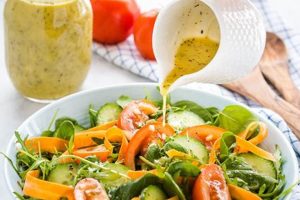
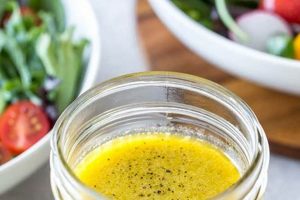
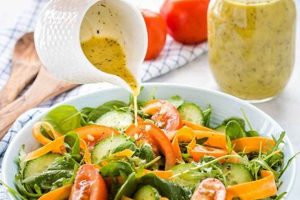
A blend of rice vinegar with other ingredients like oil, sweeteners, and seasonings creates a light and tangy emulsion used to enhance the flavor of salads and other dishes. A typical example might include rice vinegar, sesame oil, ginger, and a touch of honey. Variations can incorporate soy sauce, mirin, or chili garlic sauce for added complexity.
Such dressings offer a refreshing alternative to heavier, cream-based options. The lower acidity of rice vinegar compared to other vinegars provides a milder tang, making it suitable for delicate greens and vegetables. Furthermore, these dressings can complement a wide range of cuisines, from East Asian to fusion, adding a bright, acidic note that balances richer flavors. Historically, rice vinegar has played a significant role in Asian culinary traditions, and its incorporation into dressings reflects this heritage.
This exploration will delve into specific formulations, exploring the nuances of ingredient selection, balancing flavors, and techniques for achieving optimal emulsification. Further discussion will cover the versatility of these dressings and their suitability for various culinary applications.
Tips for Crafting Exceptional Rice Vinegar Salad Dressings
Achieving a well-balanced and flavorful dressing requires attention to detail and an understanding of how different ingredients interact. The following tips offer guidance for creating dressings that elevate any salad.
Tip 1: Selecting the Right Rice Vinegar: Opt for unseasoned rice vinegar to maintain control over the final flavor profile. Different varieties, such as white, brown, or black rice vinegar, offer subtle nuances in taste and color.
Tip 2: Balancing Sweet and Sour: A touch of sweetness tempers the acidity of the vinegar. Honey, maple syrup, or sugar can be used, adjusting the quantity to achieve the desired balance.
Tip 3: Enhancing with Aromatics: Freshly grated ginger, minced garlic, or finely chopped shallots add depth and complexity. Experiment with different combinations to discover preferred flavor profiles.
Tip 4: Oil Selection Matters: Neutral oils like grapeseed or avocado oil allow the other flavors to shine. Sesame oil adds a distinctive nutty note, but should be used sparingly due to its strong flavor.
Tip 5: Emulsification Techniques: Whisking the ingredients vigorously creates a temporary emulsion. For a more stable emulsion, a blender or food processor can be employed.
Tip 6: Seasoning Considerations: Salt and freshly cracked black pepper are essential. A pinch of red pepper flakes adds a touch of heat. Soy sauce or fish sauce can introduce umami notes.
Tip 7: Taste and Adjust: Tasting throughout the process is crucial. Adjust the ingredients as needed to achieve the desired balance of sweet, sour, salty, and savory elements.
By following these guidelines, one can consistently create dressings that are not only flavorful but also adaptable to a wide range of ingredients and culinary styles.
These techniques provide a foundation for crafting exceptional dressings. Experimentation with different flavor combinations and ingredients is encouraged to develop personalized recipes.
1. Rice Vinegar Selection

Rice vinegar selection significantly impacts the final flavor profile of a rice vinegar salad dressing. Different varieties offer unique characteristics that influence the dressing’s overall taste, color, and aroma. Choosing the appropriate rice vinegar is crucial for achieving the desired balance and complexity.
Several types of rice vinegar are available, each contributing distinct nuances. White rice vinegar, the most common variety, possesses a mild, clean acidity. Brown rice vinegar offers a richer, nuttier flavor due to the presence of more grain solids. Black rice vinegar, with its dark color and smoky sweetness, adds a unique depth. Seasoned rice vinegars, often containing added sugar and salt, are less versatile for crafting custom dressings due to their pre-determined flavor profiles. Understanding these differences allows for informed choices tailored to specific recipe requirements. For example, a light and bright vinaigrette might benefit from white rice vinegar, while a dressing intended for heartier greens or grilled vegetables could be enhanced by the robust notes of brown rice vinegar. A delicate salad featuring fresh herbs might be overwhelmed by black rice vinegar, whereas a dish with bolder flavors could benefit from its complexity.
Careful selection of rice vinegar provides a foundation for a well-balanced and flavorful dressing. Consideration of the vinegar’s inherent characteristics, in conjunction with other recipe ingredients, allows for precise flavor control and optimization. This understanding allows cooks to create dressings that complement and enhance the overall dining experience.
2. Oil Type

Oil type plays a critical role in determining the overall flavor profile, texture, and mouthfeel of a rice vinegar salad dressing. The choice of oil significantly influences how the other ingredients interact and contribute to the final sensory experience. Different oils possess unique characteristics, impacting the dressing’s richness, viscosity, and ability to emulsify.
Neutral oils, such as grapeseed, canola, or avocado oil, serve as a blank canvas, allowing the flavors of the rice vinegar, sweeteners, and aromatics to take center stage. These oils generally have a light texture and clean taste, ensuring the dressing doesn’t overpower the salad’s other components. Conversely, oils with more pronounced flavors, like sesame oil or toasted walnut oil, contribute distinctive nutty or earthy notes. These oils should be used judiciously, as their strong flavors can easily dominate the dressing. Extra virgin olive oil, with its characteristic peppery and fruity notes, can complement certain flavor profiles, particularly those incorporating Mediterranean herbs and vegetables. For example, a dressing featuring rice vinegar, lemon juice, oregano, and extra virgin olive oil creates a harmonious blend, while the same dressing with sesame oil might clash. The ratio of oil to vinegar also influences the dressing’s consistency and mouthfeel, ranging from a light vinaigrette to a richer, more emulsified dressing.
Careful consideration of oil type is essential for achieving the desired balance and complexity in a rice vinegar salad dressing. Selecting the appropriate oil, considering its inherent flavor profile and how it interacts with other ingredients, allows for precise control over the final product. This understanding enables the creation of dressings that not only complement the salad but also enhance the overall culinary experience.
3. Sweetener Choice

Sweetener choice plays a crucial role in balancing the acidity of rice vinegar and shaping the overall flavor profile of a salad dressing. The selection impacts not only the perceived sweetness but also the texture, color, and how the dressing interacts with other ingredients. Different sweeteners possess unique characteristics that contribute distinct nuances to the final product.
- Sugar
Granulated sugar offers a clean, neutral sweetness that allows other flavors to shine. It dissolves readily, ensuring a smooth texture. However, its sweetness can be perceived as one-dimensional compared to other options. In a rice vinegar dressing, sugar provides a straightforward counterpoint to the vinegar’s tartness, making it a versatile choice for a wide range of flavor profiles.
- Honey
Honey contributes a complex sweetness with floral and fruity undertones, depending on the variety. Its viscosity adds body to the dressing, but it can also slightly darken the color. The distinct flavor of honey can complement certain ingredients, such as ginger or toasted sesame oil, creating a layered sensory experience. However, its strong flavor profile might not be suitable for all applications.
- Maple Syrup
Maple syrup imparts a unique caramel-like sweetness and a subtle woody aroma. Similar to honey, it adds viscosity and a slightly darker hue to the dressing. Maple syrup pairs well with ingredients like nuts, seeds, and certain fruits. Its distinct flavor profile should be considered when balancing other components of the dressing.
- Agave Nectar
Agave nectar offers a neutral sweetness with a slightly thinner consistency than honey or maple syrup. It dissolves easily and doesn’t significantly alter the dressing’s color. While providing a clean sweetness, agave may lack the complexity of other sweeteners. It can, however, be a good option for those seeking a vegan alternative or a milder flavor profile.
The choice of sweetener significantly influences the final character of a rice vinegar salad dressing. Careful consideration of each sweetener’s unique properties, including its sweetness level, flavor profile, and texture, allows for precise control over the balance and complexity of the dressing. Selecting the right sweetener ensures a harmonious blend of flavors that complements the salad and enhances the overall dining experience. Experimentation with different sweeteners can lead to unique and personalized dressings tailored to specific flavor preferences and culinary applications.
4. Aromatic Additions

Aromatic additions play a pivotal role in elevating rice vinegar salad dressings beyond simple vinaigrettes, transforming them into complex and nuanced flavor experiences. These additions introduce depth, fragrance, and textural complexity, enriching the overall sensory profile. The careful selection and incorporation of aromatics can significantly impact the dressing’s character, allowing for customized flavor profiles that complement a wide array of salad ingredients.
Aromatic additions function on multiple levels within a rice vinegar salad dressing. Fresh aromatics, such as ginger, garlic, and shallots, contribute pungent notes that cut through the richness of the oil and balance the acidity of the vinegar. Dried herbs and spices, like chives, dill, or red pepper flakes, offer concentrated bursts of flavor and can introduce subtle earthiness, heat, or herbal nuances. The interplay of these elements creates a dynamic flavor profile that engages the palate on multiple levels. For example, the sharp bite of ginger complements the sweetness of honey in a dressing, while the addition of minced garlic provides a savory depth. Similarly, a sprinkle of red pepper flakes adds a touch of heat that balances the cool crispness of cucumbers and the bright acidity of the dressing. The quantity and combination of aromatics directly influence the final character of the dressing, allowing for a spectrum of flavors ranging from subtly nuanced to boldly assertive.
Understanding the impact of aromatic additions empowers culinary creativity and enables the development of dressings tailored to specific preferences and culinary applications. Balancing the intensity of aromatics with the other components of the dressing is crucial. Overpowering additions can mask the delicate flavors of the salad ingredients, while insufficient aromatics can result in a bland and uninspired dressing. Through careful consideration and experimentation, one can achieve a harmonious blend of flavors that enhances the overall dining experience. Mastering the art of incorporating aromatics into rice vinegar salad dressings allows for the creation of versatile and flavorful accompaniments that elevate any salad from simple to extraordinary.
5. Seasoning Balance
Seasoning balance is paramount in a successful rice vinegar salad dressing recipe. It dictates the overall palatability and determines how well the dressing complements the other ingredients in the salad. Achieving this balance involves a delicate interplay of salt, acidity, sweetness, and other savory elements. A well-seasoned dressing enhances the flavors of the salad components without overpowering them, creating a harmonious and enjoyable culinary experience.
- Salt’s Foundational Role
Salt acts as a flavor enhancer and plays a crucial role in balancing the acidity of the rice vinegar. It amplifies the other flavors present in the dressing and helps to round out the overall taste profile. Insufficient salt results in a flat, uninspired dressing, while excessive salt can overpower the delicate flavors of the salad ingredients. A small amount of salt can dramatically improve the perceived sweetness and reduce the harshness of the vinegar, creating a more balanced and palatable dressing. For instance, a pinch of kosher salt in a rice vinegar, ginger, and honey dressing can highlight the sweetness of the honey and mellow the sharpness of the ginger, allowing all the flavors to shine.
- Acidity’s Balancing Act
The acidity of the rice vinegar provides the foundational tang that characterizes these dressings. Balancing this acidity is essential for creating a dressing that is both refreshing and palatable. Too much acidity can make the dressing overly sharp, while too little can result in a bland and uninteresting flavor profile. The level of acidity can be adjusted through careful measurement of the rice vinegar and balanced by incorporating sweetness, salt, or other savory elements. A classic example is balancing rice vinegar’s tartness with a touch of honey or maple syrup. The sweetener not only tempers the acidity but also adds depth of flavor.
- Sweetness as a Counterpoint
Sweetness acts as a counterpoint to the acidity of the rice vinegar, creating a more rounded and complex flavor profile. The choice and quantity of sweetener influence the overall balance of the dressing. Honey, maple syrup, or sugar can be used, each contributing unique flavor nuances. The goal is to achieve a harmonious balance where the sweetness complements the acidity without making the dressing overly sweet. For example, a dressing with brown rice vinegar, sesame oil, and a touch of honey achieves a balance where the nutty notes of the vinegar and oil are enhanced by the honey’s sweetness, creating a layered and complex flavor.
- Savory Depth Enhancement
Savory elements like soy sauce, fish sauce, or Worcestershire sauce add depth and complexity to rice vinegar dressings. These ingredients introduce umami notes that complement the other flavors and create a more nuanced taste profile. Used sparingly, they can elevate a simple dressing, adding a layer of savory richness that balances the acidity and sweetness. Incorporating a dash of soy sauce into a rice vinegar and ginger dressing, for example, adds a savory depth that enhances the overall flavor experience without overpowering the other ingredients.
Achieving the optimal seasoning balance in a rice vinegar salad dressing involves careful consideration of these interconnected elements. The interplay of salt, acidity, sweetness, and savory components creates a dynamic flavor profile that complements the salad ingredients and elevates the overall dining experience. A well-balanced dressing enhances, rather than masks, the flavors of the salad, resulting in a harmonious and satisfying culinary creation.
6. Emulsification Method

Emulsification, the process of combining two immiscible liquids like oil and vinegar into a stable mixture, is crucial for the texture and flavor delivery of rice vinegar salad dressings. The chosen method directly influences the dressing’s consistency, mouthfeel, and how the flavors interact on the palate. A stable emulsion prevents the oil and vinegar from separating, ensuring a consistent flavor experience in each bite. Different emulsification methods offer varying degrees of stability and influence the final characteristics of the dressing.
- Temporary Emulsification (Whisking/Shaking)
Whisking or shaking creates a temporary emulsion where the oil and vinegar are dispersed into small droplets, creating a cloudy appearance. This method is quick and convenient but requires re-emulsification before each use as the mixture separates over time. The resulting dressing is typically thinner and less viscous, suitable for lighter salads where a delicate coating is desired. A classic vinaigrette often employs this method, offering a light and refreshing texture.
- Permanent Emulsification (Blender/Food Processor)
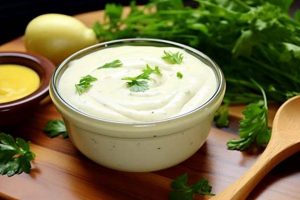
Using a blender or food processor creates a more stable emulsion by breaking down the oil into even smaller droplets and thoroughly incorporating them with the vinegar and other ingredients. The resulting dressing is thicker, creamier, and less prone to separation. This method is ideal for dressings containing additional ingredients like miso, tahini, or egg yolks, where a smooth, homogenous texture is desired. Creamy dressings for heartier salads or marinades often benefit from this method.
- Emulsifiers (Egg Yolk/Mustard/Honey)
Certain ingredients act as emulsifiers, helping to bind the oil and vinegar together more effectively. Egg yolks, mustard, and honey contain compounds that attract both oil and water molecules, facilitating a more stable emulsion. These emulsifiers not only improve the dressing’s stability but also contribute to its flavor and texture. For example, egg yolk adds richness and creaminess, mustard contributes a tangy complexity, and honey provides sweetness and viscosity. Incorporating these emulsifiers allows for the creation of dressings with diverse textures and flavor profiles, ranging from creamy and rich to light and tangy.
- Factors Affecting Emulsion Stability
Several factors can influence emulsion stability. Temperature, ingredient ratios, and the order of ingredient addition can all impact how well the oil and vinegar combine and remain emulsified. For instance, adding oil slowly while whisking or blending helps create a more stable emulsion. Extreme temperatures can destabilize an emulsion, causing separation. Understanding these factors allows for greater control over the final product and ensures a consistent and desirable texture. This knowledge is particularly relevant when scaling up recipes or adapting them to different environmental conditions.
The chosen emulsification method significantly impacts the final characteristics of a rice vinegar salad dressing. Selecting the appropriate method depends on the desired texture, the inclusion of additional ingredients, and the level of stability required. Understanding the principles of emulsification and how different methods influence the final product allows for precise control over the dressing’s consistency, mouthfeel, and flavor delivery, ensuring a harmonious and enjoyable culinary experience.
7. Ingredient Ratios

Ingredient ratios significantly influence the balance and overall character of a rice vinegar salad dressing. The proportion of each componentrice vinegar, oil, sweetener, and aromaticsdetermines the final flavor profile, from a light and tangy vinaigrette to a rich and creamy emulsion. Precise ratios ensure that no single element dominates, allowing the nuanced interplay of sweet, sour, salty, and savory notes to shine through. Manipulating these ratios allows for customization based on personal preference and the specific ingredients of the accompanying salad. A higher ratio of oil to vinegar, for example, yields a richer, more mouth-coating dressing, whereas a higher vinegar ratio results in a sharper, more acidic profile.
Consider a classic rice vinegar dressing. A standard ratio might involve three parts oil to one part rice vinegar. This ratio provides a balanced foundation, allowing the vinegar’s tang to cut through the oil’s richness without being overpowering. Adding one part sweetener, such as honey or maple syrup, to this base introduces a subtle sweetness that balances the acidity. Aromatic additions, like minced ginger or garlic, are incorporated in smaller quantities, typically less than one part, to add complexity without dominating the flavor profile. Modifying these ratios allows for significant variation. Increasing the sweetener to two parts relative to the vinegar creates a sweeter, more mellow dressing, while decreasing the oil to two parts produces a lighter, more vinaigrette-like consistency. Understanding the impact of these ratios allows for precise control over the final product, enabling the creation of dressings tailored to specific flavor preferences and culinary applications.
Mastery of ingredient ratios in rice vinegar salad dressings empowers culinary creativity and ensures consistent, flavorful results. Careful measurement and a thorough understanding of how each component contributes to the final product allow for both improvisation and precision. This knowledge enables the creation of dressings that not only complement the accompanying salad but also elevate the overall dining experience.
Frequently Asked Questions
This section addresses common inquiries regarding rice vinegar salad dressings, providing concise and informative responses.
Question 1: What distinguishes rice vinegar from other vinegars in salad dressings?
Rice vinegar possesses a milder acidity and subtle sweetness compared to other vinegars like apple cider or white wine vinegar. This characteristic makes it ideal for delicate greens and vegetables, offering a gentler tang that complements rather than overwhelms.
Question 2: Can seasoned rice vinegar be used in these recipes?
While seasoned rice vinegar can be used, it often contains added sugar and salt. This can complicate achieving precise flavor balance. Unseasoned rice vinegar is generally recommended to maintain control over the final flavor profile.
Question 3: How can one achieve a stable emulsion that prevents separation?
A stable emulsion is best achieved using a blender or food processor. These methods create smaller oil droplets, facilitating a more homogenous mixture. Incorporating an emulsifier, such as a small amount of Dijon mustard or honey, also aids in maintaining stability.
Question 4: What are suitable oil choices for these dressings?
Neutral oils like grapeseed or avocado oil allow other flavors to shine. Sesame oil can add a distinctive nutty note but should be used sparingly. Stronger flavored oils, like extra virgin olive oil, should be chosen with careful consideration of the overall flavor profile.
Question 5: How should these dressings be stored, and what is their shelf life?
Store dressings in airtight containers in the refrigerator. Most rice vinegar-based dressings will keep for up to one week, although separation may occur and require re-emulsification before use.
Question 6: Can these dressings be used for purposes beyond salads?
Absolutely. Rice vinegar dressings are versatile and can be used as marinades for meat or vegetables, drizzled over cooked grains, or incorporated into dipping sauces.
Understanding these key aspects allows for successful preparation and utilization. Experimentation is encouraged to discover personalized flavor combinations.
This concludes the frequently asked questions section. The subsequent sections will delve further into specific recipe variations and culinary applications.
Rice Vinegar Salad Dressing Recipe
Exploration of rice vinegar salad dressing recipes reveals a versatile culinary tool capable of enhancing a wide array of dishes. Careful selection of rice vinegar type, oil, sweetener, and aromatics allows for tailoring flavor profiles to complement diverse ingredients and cuisines. Understanding emulsification techniques and ingredient ratios ensures consistent texture and balanced flavor delivery. From light and tangy vinaigrettes to rich and creamy emulsions, the possibilities are vast. The mild acidity and subtle sweetness of rice vinegar provide a foundation for dressings that enhance, rather than overpower, the flavors of accompanying ingredients.
Rice vinegar salad dressing recipes offer a pathway to culinary creativity and personalized flavor experiences. Continued experimentation with diverse ingredients and techniques promises further development and refinement within this culinary domain. The adaptability of these dressings positions them as a valuable asset for both home cooks and professional chefs seeking to elevate their culinary creations.