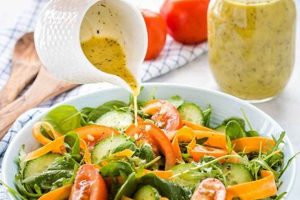
A guide for preparing a flavorful, often citrusy, condiment for salads typically involves a blend of lime juice, oil, and seasonings. Variations may incorporate sweeteners, herbs, spices, or other flavoring agents like garlic or ginger. An example could be a simple emulsion of fresh lime juice, olive oil, salt, and pepper, or a more complex version including honey, cilantro, and cumin.
Such culinary instructions allow for consistent recreation of desired flavors and textures. Freshly made dressings offer a vibrant alternative to commercially produced options, often containing fewer preservatives and additives. Historically, lime juice has played a significant role in preserving and enhancing the flavor of food, particularly in regions where refrigeration was unavailable. This acidic element balances the richness of the oil and other ingredients, creating a palatable counterpoint to the salad’s components.
This foundation of knowledge regarding the creation and historical significance of these dressings serves as a springboard for exploring specific variations, techniques, and the diverse culinary applications of lime in gastronomy.
Tips for Crafting Exceptional Lime Salad Dressings
Creating a vibrant and balanced lime salad dressing involves careful consideration of ingredient selection and preparation techniques. The following tips offer guidance for achieving optimal results.
Tip 1: Freshly Squeezed Lime Juice is Essential: Bottled lime juice often contains preservatives and lacks the bright, nuanced flavor of fresh limes. Always opt for fresh limes and juice them just before preparing the dressing.
Tip 2: Balance Acidity with Sweetness: The tartness of lime juice can be balanced with a touch of sweetness. Honey, agave nectar, or maple syrup can be used to achieve the desired level of sweetness.
Tip 3: Emulsify Thoroughly: A stable emulsion prevents the dressing from separating. Whisking the oil into the lime juice slowly and continuously creates a creamy, cohesive texture.
Tip 4: Experiment with Oils: Different oils impart distinct flavors. Extra virgin olive oil offers a robust flavor, while avocado oil provides a smoother, more neutral base.
Tip 5: Seasoning is Key: Salt and freshly ground black pepper are essential seasonings. Consider adding a pinch of chili flakes for heat or a dash of cumin for earthy depth.
Tip 6: Incorporate Fresh Herbs: Cilantro, mint, or chives can elevate the flavor profile of the dressing. Add herbs just before serving to maintain their freshness and vibrancy.
Tip 7: Taste and Adjust: Before serving, taste the dressing and adjust seasonings as needed. This allows for customization and ensures a balanced flavor profile.
By following these tips, one can consistently create lime salad dressings that enhance the overall dining experience. The combination of fresh ingredients, balanced flavors, and proper emulsification techniques results in a superior culinary creation.
Through the exploration of these practical tips, the subsequent sections will delve into specific recipe variations and their diverse applications.
1. Fresh Lime Juice

Fresh lime juice forms the cornerstone of a successful lime salad dressing, contributing not only the characteristic tartness but also a vibrant freshness that distinguishes it from bottled alternatives. Its importance extends beyond mere flavor, influencing the overall balance and quality of the final dressing.
- Acidity and Flavor Profile
The acidity of fresh lime juice provides the essential counterpoint to the richness of the oil and other ingredients in the dressing. Its bright, citrusy notes contribute a complexity and depth that bottled lime juice, often processed and containing preservatives, cannot replicate. This natural acidity also helps to preserve the freshness of other ingredients in the salad.
- Emulsification and Texture
Fresh lime juice plays a crucial role in the emulsification process, helping to bind the oil and other liquid components together into a stable and creamy dressing. The natural pectins in fresh juice contribute to a more desirable texture compared to bottled versions, which can sometimes create a thinner or less cohesive emulsion.
- Aroma and Sensory Experience
The volatile aromatic compounds present in fresh lime juice contribute significantly to the overall sensory experience of the salad. The zesty aroma enhances the appeal of the dish, stimulating the appetite and complementing the flavors of the other ingredients. This fresh aroma is often absent in bottled lime juice due to processing and storage.
- Nutritional Value and Health Benefits
Fresh lime juice offers nutritional benefits, including Vitamin C and antioxidants, which are often diminished in processed bottled varieties. Incorporating fresh juice contributes to a healthier dressing and complements the nutritional value of the salad itself.
The use of fresh lime juice elevates the lime salad dressing from a simple condiment to a key component of the culinary experience. Its impact on flavor, texture, aroma, and even nutritional value underscores its essential role in crafting a truly exceptional salad dressing. The absence of these qualities in processed alternatives reinforces the importance of prioritizing fresh lime juice for optimal results.
2. High-Quality Oil

The selection of oil significantly impacts the overall quality and flavor profile of a lime salad dressing. High-quality oil contributes not only to the texture and mouthfeel but also complements and enhances the other ingredients, creating a harmonious balance of flavors.
- Flavor Profile and Aromatic Notes
High-quality oils possess distinct flavor profiles and aromatic notes that contribute complexity to the dressing. Extra virgin olive oil, for example, offers a robust, peppery flavor, while avocado oil provides a smoother, more neutral base. These inherent flavors interact with the lime juice and other ingredients, creating a nuanced and well-rounded taste experience. Lower-quality oils often lack these nuanced flavors and may introduce undesirable off-notes.
- Texture and Mouthfeel
The oil’s viscosity and texture influence the final consistency of the dressing. A high-quality oil contributes to a smooth, creamy emulsion, coating the salad ingredients evenly. The mouthfeel can range from light and delicate to rich and luxurious, depending on the oil chosen. Inferior oils may result in a thin or greasy dressing that lacks the desired textural appeal.
- Nutritional Value and Health Benefits
High-quality oils, particularly extra virgin olive oil and avocado oil, offer various health benefits due to their high content of monounsaturated fats and antioxidants. These oils contribute to the overall nutritional value of the salad and align with health-conscious dietary choices. Refined or processed oils often lack these beneficial compounds.
- Stability and Shelf Life
High-quality oils tend to be more stable and resistant to oxidation, contributing to a longer shelf life for the dressing. This stability ensures that the dressing maintains its fresh flavor and desirable texture over time. Lower-quality oils are more prone to rancidity, which can negatively impact the flavor and aroma of the dressing.
The choice of high-quality oil is an integral aspect of crafting a superior lime salad dressing. Its influence on flavor, texture, nutritional value, and stability underscores the importance of selecting an oil that complements the other ingredients and enhances the overall culinary experience. By understanding the specific characteristics and contributions of different oils, one can create a dressing that is not only flavorful but also contributes to a healthy and satisfying meal.
3. Balancing Sweetness
Balancing sweetness is a crucial aspect of crafting a well-rounded lime salad dressing. The inherent tartness of lime juice requires careful consideration of complementary flavors to achieve a harmonious balance. Sweetness not only tempers the acidity but also adds depth and complexity to the overall flavor profile, enhancing the sensory experience.
- The Role of Sweeteners
Sweeteners play a pivotal role in modulating the perceived acidity of the lime juice. Common choices include honey, maple syrup, agave nectar, and granulated sugar. Each sweetener offers a unique flavor profile and level of sweetness, influencing the final character of the dressing. Honey, for instance, contributes floral notes, while maple syrup imparts a subtle caramel-like flavor. The choice of sweetener depends on the desired flavor profile and the other ingredients in the dressing.
- Achieving Harmony and Complexity
The interplay between sweetness, acidity, and other flavor components contributes to the overall complexity and balance of the dressing. A touch of sweetness can enhance the savory notes of herbs and spices, creating a more nuanced and sophisticated flavor profile. The goal is to achieve a harmonious balance where no single flavor dominates, allowing each ingredient to contribute to the overall sensory experience. For example, a dressing with a pronounced lime flavor might benefit from a touch of honey to mellow the tartness and add a subtle floral sweetness.
- Impact on Texture and Mouthfeel
Sweeteners can also subtly influence the texture and mouthfeel of the dressing. Honey and maple syrup, for example, add a slight viscosity, contributing to a richer, more luxurious mouthfeel. Granulated sugar dissolves readily and offers a cleaner finish. These textural nuances further enhance the overall sensory experience and can be strategically employed to achieve the desired consistency.
- Consideration of Dietary Preferences
The choice of sweetener should also consider dietary preferences and restrictions. Natural sweeteners like honey and maple syrup offer potential health benefits but may not be suitable for individuals following specific dietary guidelines. Alternatives like agave nectar or sugar substitutes can accommodate these preferences while still contributing to the desired level of sweetness.
By carefully considering the choice and quantity of sweetener, one can create a lime salad dressing that showcases the bright, citrusy notes of lime juice while achieving a balanced and nuanced flavor profile. This attention to detail elevates the dressing beyond a simple condiment, transforming it into a key element of a well-composed and flavorful salad. The delicate dance between sweetness and acidity ultimately determines the overall success and palatability of the final culinary creation.
4. Seasoning
Seasoning is fundamental to a successful lime salad dressing, elevating it from a simple mixture of ingredients to a balanced and flavorful culinary creation. Salt, the cornerstone of seasoning, enhances the inherent flavors of the other components, particularly the brightness of the lime juice. It also tempers the acidity, creating a more harmonious flavor profile. Beyond salt, the strategic use of black pepper introduces subtle heat and complexity. The interplay of salt and pepper forms the foundational layer of seasoning, establishing a balanced flavor base upon which other seasonings can build.
Expanding beyond the foundational salt and pepper, a variety of seasonings can further enhance the flavor profile of the dressing. Ground cumin, for instance, introduces an earthy warmth that complements the citrus notes of the lime. Chili flakes or a pinch of cayenne pepper add a touch of heat, creating a more dynamic flavor experience. Fresh or dried herbs, such as cilantro, mint, or chives, contribute aromatic complexity and freshness. The selection of seasonings should complement the overall flavor profile desired for the salad. For example, a Southwestern-inspired salad might benefit from the addition of cumin and chili powder to the dressing, while a more Mediterranean-inspired salad might call for oregano or basil. A salad featuring grilled fish or chicken might benefit from the addition of smoked paprika or garlic powder to the dressing. These examples illustrate how specific seasonings can elevate the flavor profile and complement the overall composition of the salad.
Careful consideration of seasoning ensures the lime salad dressing complements rather than overpowers the other ingredients in the salad. Improper seasoning can result in a dressing that is too tart, too bland, or lacks depth and complexity. The strategic use of seasonings allows for a nuanced flavor profile that enhances the overall dining experience. Understanding the interplay of different seasonings and their impact on the final flavor profile is crucial for achieving culinary excellence. This knowledge empowers one to create lime salad dressings tailored to specific flavor preferences and culinary creations, transforming a simple condiment into a sophisticated and integral component of a well-composed salad.
5. Emulsification Technique

Emulsification is crucial for creating a stable and homogenous lime salad dressing. It refers to the process of combining two immiscible liquids, typically oil and an acidic component like lime juice, into a uniform mixture. A properly emulsified dressing exhibits a creamy texture, resists separation, and effectively coats salad ingredients. The technique employed directly influences the dressing’s final texture, stability, and overall sensory experience.
- Temporary Emulsions
Temporary emulsions, achieved through vigorous whisking or shaking, create a mixture that eventually separates back into its constituent parts. While suitable for dressings used immediately, they lack long-term stability. A simple vinaigrette, where oil and lime juice are whisked together just before serving, exemplifies a temporary emulsion. The temporary nature requires the dressing to be re-emulsified before each use.
- Permanent Emulsions
Permanent emulsions incorporate an emulsifying agent that binds the oil and acid together, preventing separation. Egg yolks, mustard, or honey are common emulsifiers in dressings. Mayonnaise, a classic example of a permanent emulsion, demonstrates the long-term stability achievable with an emulsifying agent. In a lime dressing, a small amount of honey or Dijon mustard can create a more stable and creamy emulsion.
- Factors Influencing Emulsification
Several factors influence the success of emulsification, including the ratio of oil to acid, the temperature of the ingredients, and the vigor of mixing. A balanced ratio, typically more oil than acid, contributes to a stable emulsion. Room temperature ingredients emulsify more readily than cold ingredients. Gradual addition of oil while whisking vigorously promotes a smoother, more stable emulsion. Furthermore, using a blender can create a finer, more homogenous emulsion than hand whisking. Understanding these factors helps create a dressing with the desired texture and stability.
- Impact on Sensory Experience
The emulsification technique affects the sensory experience of the dressing. A properly emulsified dressing provides a smooth, creamy mouthfeel and evenly coats salad ingredients, ensuring that each bite delivers a balanced flavor. Conversely, a poorly emulsified dressing can result in a greasy or watery texture and uneven flavor distribution. The emulsification technique is crucial not only for the physical properties of the dressing but also for how it enhances the overall enjoyment of the salad.
Mastering emulsification techniques allows for precise control over the texture, stability, and sensory experience of a lime salad dressing. From the simplicity of a temporary vinaigrette to the richness of a permanent emulsion, the chosen technique directly influences the final culinary outcome. Understanding the underlying principles of emulsification empowers one to create dressings tailored to specific preferences and culinary applications, ultimately enhancing the overall enjoyment of the salad.
6. Complementary Ingredients

Complementary ingredients represent a crucial aspect of crafting a well-balanced and nuanced lime salad dressing. Beyond the core components of lime juice, oil, and sweetener, these additions introduce layers of flavor, texture, and aroma, transforming a basic dressing into a sophisticated culinary creation. Careful consideration of complementary ingredients allows for customization and elevates the overall sensory experience of the salad.
- Aromatics
Aromatics, such as garlic, ginger, shallots, and onions, contribute depth and complexity to the flavor profile of the dressing. Finely minced garlic delivers a pungent bite, while grated ginger offers a warm, spicy note. These aromatic additions enhance the overall sensory experience, adding layers of flavor beyond the foundational citrus notes of the lime. The choice of aromatic depends on the desired flavor profile and the other ingredients in the salad.
- Herbs and Spices
Fresh herbs like cilantro, mint, chives, and parsley introduce vibrant green notes and aromatic complexity. Dried herbs, such as oregano, thyme, or dill, offer more concentrated flavors. Spices, including chili flakes, cumin, coriander, and smoked paprika, introduce warm, earthy, or spicy notes, further enhancing the depth of flavor in the dressing. The selection of herbs and spices should complement the overall flavor profile desired for the salad.
- Fruits and Vegetables
Incorporating finely diced fruits or vegetables, such as avocado, mango, red onion, or bell pepper, can add textural complexity and subtle sweetness or acidity to the dressing. These additions not only contribute to the flavor profile but also enhance the visual appeal of the dressing. The choice of fruits or vegetables should complement the overall flavor profile and texture of the salad.
- Umami Elements
Ingredients like fish sauce, soy sauce, or Worcestershire sauce introduce umami, a savory, fifth taste, adding depth and complexity to the dressing. These elements enhance the overall flavor profile and provide a balanced counterpoint to the acidity of the lime juice. The quantity of umami elements should be carefully considered to avoid overpowering the other flavors in the dressing.
The strategic incorporation of complementary ingredients transforms a basic lime salad dressing into a dynamic and flavorful culinary creation. Aromatics, herbs, spices, fruits, vegetables, and umami elements offer a wide array of flavor and texture possibilities. By carefully considering these additions, one can craft a dressing that perfectly complements the salad and enhances the overall dining experience. The judicious use of complementary ingredients allows for customization and elevates the lime salad dressing from a simple condiment to a key component of a well-composed and flavorful salad.
7. Storage and Serving
Proper storage and serving practices are essential for maintaining the quality, flavor, and safety of a lime salad dressing. These practices directly influence the overall dining experience, ensuring that the dressing complements the salad and contributes to a satisfying culinary experience. Understanding the nuances of storage and serving allows for optimal enjoyment and preservation of the dressing’s intended flavor profile.
- Container Selection
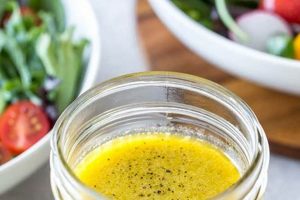
Selecting an appropriate container is crucial for preserving the dressing’s quality. Airtight containers, preferably made of glass or food-grade plastic, minimize oxidation and prevent the absorption of unwanted flavors. The size of the container should match the volume of dressing to reduce air exposure. Proper container selection prevents spoilage and maintains the dressing’s fresh flavor and aroma.
- Refrigeration and Shelf Life
Refrigeration is essential for preserving the freshness and preventing bacterial growth in lime salad dressings, particularly those containing fresh ingredients. Storing the dressing in a tightly sealed container in the refrigerator extends its shelf life. Most lime-based dressings can be safely stored for up to a week, but it is crucial to monitor for any signs of spoilage, such as changes in color, texture, or odor. Proper refrigeration practices ensure food safety and maintain the dressing’s quality over time.
- Serving Temperature and Flavor Enhancement
Serving temperature influences the flavor perception and overall enjoyment of the salad dressing. While some dressings are best served chilled to enhance their refreshing qualities, others may benefit from being served at room temperature to allow their flavors to fully develop. Serving temperature considerations depend on the specific ingredients and desired flavor profile of the dressing. For example, a dressing containing delicate herbs might be best served chilled to preserve their freshness, while a dressing with robust spices might benefit from being served at room temperature to enhance their aromatic complexity.
- Presentation and Garnishing
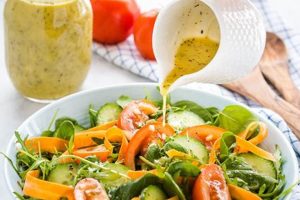
Presentation plays a significant role in the overall dining experience. Serving the dressing in an attractive cruet or drizzling it artfully over the salad enhances visual appeal. Garnishing the dressing with fresh herbs, a sprinkle of spices, or a wedge of lime adds an elegant touch and reinforces the flavor profile. Thoughtful presentation elevates the dining experience and showcases the culinary craftsmanship of the dressing.
Careful attention to storage and serving practices ensures that the lime salad dressing maintains its quality, flavor, and visual appeal. From selecting the appropriate container to considering the serving temperature, these practices contribute significantly to the overall dining experience. By understanding the nuances of storage and serving, one can maximize the enjoyment and preserve the intended flavor profile of the lime salad dressing, transforming a simple condiment into a key element of a successful culinary creation.
Frequently Asked Questions
This section addresses common inquiries regarding lime salad dressing preparation, storage, and variations. Clarity on these points ensures consistent and successful culinary outcomes.
Question 1: How can one prevent a lime salad dressing from separating?
Proper emulsification is key to preventing separation. Gradually whisking the oil into the lime juice while continuously agitating the mixture creates a stable emulsion. Incorporating an emulsifying agent, such as a small amount of honey, Dijon mustard, or egg yolk, further enhances stability.
Question 2: What is the best type of oil to use in a lime salad dressing?
The best oil depends on the desired flavor profile. Extra virgin olive oil provides a robust, peppery flavor, while avocado oil offers a smoother, more neutral base. Other options include grapeseed oil or a blend of oils for a more complex flavor.
Question 3: How long can lime salad dressing be stored?
When stored in an airtight container in the refrigerator, lime salad dressing typically lasts for up to one week. However, it’s essential to monitor for any signs of spoilage, such as changes in color, texture, or odor.
Question 4: Can bottled lime juice be used as a substitute for fresh lime juice?
While bottled lime juice can be used in a pinch, fresh lime juice is always preferred. Freshly squeezed lime juice possesses a brighter, more nuanced flavor and lacks the preservatives often found in bottled varieties. Fresh juice also contributes to a superior emulsification process and offers greater nutritional value.
Question 5: How can one adjust the sweetness of a lime salad dressing?
Sweetness can be adjusted by adding small increments of honey, maple syrup, or agave nectar until the desired balance is achieved. Tasting and adjusting incrementally ensures the desired level of sweetness without overpowering the other flavors.
Question 6: What are some ways to enhance the flavor of a basic lime vinaigrette?
The flavor of a basic lime vinaigrette can be enhanced by incorporating complementary ingredients such as minced garlic, grated ginger, fresh herbs (cilantro, mint, chives), spices (cumin, chili flakes), or a touch of umami-rich ingredient like fish sauce or soy sauce.
Understanding these key aspects of lime salad dressing preparation ensures consistent and flavorful results, allowing for customization and culinary creativity.
The following section will explore a variety of specific lime salad dressing recipes, showcasing the diverse applications and flavor profiles achievable through variations in ingredients and techniques.
Culinary Applications and Future Directions
Exploration of the multifaceted nature of lime salad dressing recipes reveals the potential for culinary creativity and innovation. From the selection of high-quality oils and the balance of sweetness to the strategic use of seasonings and complementary ingredients, each component contributes to the final flavor profile and overall sensory experience. Emulsification techniques further influence the texture and stability of the dressing, while proper storage and serving practices ensure optimal quality and enjoyment. Understanding these fundamental elements allows for the creation of dressings tailored to specific preferences and culinary applications, transforming a simple condiment into a sophisticated culinary creation.
The versatility of lime salad dressings extends beyond traditional salads. Their vibrant acidity and complex flavor profiles make them ideal accompaniments for grilled meats, fish, vegetables, and even grain bowls. Further exploration of flavor combinations and innovative techniques promises to expand the culinary applications of lime-based dressings. Continued experimentation and refinement of recipes will undoubtedly lead to new and exciting culinary discoveries, further solidifying the role of the lime salad dressing as a cornerstone of contemporary gastronomy.