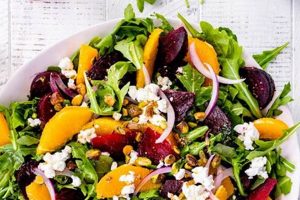
A guide for preparing a dish of shredded or grated carrots, typically combined with raisins and other ingredients to create a sweet and sometimes tangy salad. Variations exist, incorporating ingredients like nuts, seeds, fruits, dressings, and spices to enhance flavor and texture. These instructions provide a structured approach, ensuring consistent and desirable results for both novice and experienced cooks.
Carrot salads offer nutritional value due to the high vitamin and fiber content of carrots. The addition of raisins contributes natural sweetness and further nutritional benefits. Historically, simple carrot salads have been a readily available and affordable dish, evolving over time with the incorporation of diverse regional flavors and ingredients. This dish can function as a light meal, a side dish, or a component of a larger buffet or potluck spread.
This article will explore several popular variations, offering guidance on ingredient selection, preparation techniques, and presentation suggestions. From classic recipes to contemporary interpretations, readers will discover a range of options to suit various palates and dietary preferences. Further discussion will cover the nutritional profile of key ingredients and the historical evolution of this versatile dish.
Tips for Carrot Salad Success
Achieving optimal flavor and texture in carrot salad involves attention to detail throughout the preparation process. The following tips offer guidance for creating a consistently delicious and visually appealing dish.
Tip 1: Grate carrots uniformly. Consistent size ensures even coating with dressing and contributes to a pleasant mouthfeel. A box grater or food processor provides the best results.
Tip 2: Macerate raisins. Plumping raisins in warm water or juice for 10-15 minutes prior to adding them to the salad enhances their sweetness and texture.
Tip 3: Balance sweetness and acidity. The dressing should complement the sweetness of carrots and raisins with a touch of acidity. Consider incorporating lemon juice, apple cider vinegar, or orange juice.
Tip 4: Add textural contrast. Toasted nuts, sunflower seeds, or shredded coconut can elevate the salad with contrasting textures.
Tip 5: Season thoughtfully. Freshly ground black pepper, a pinch of cinnamon, or a hint of ginger can enhance the overall flavor profile.
Tip 6: Chill before serving. Allowing the salad to chill in the refrigerator for at least 30 minutes allows the flavors to meld and enhances the crispness of the carrots.
Tip 7: Consider variations. Explore different flavor profiles by incorporating shredded apple, pineapple chunks, or chopped cilantro.
By following these guidelines, one can create a carrot salad that is both flavorful and visually appealing. Careful attention to ingredient preparation, dressing selection, and chilling time contributes significantly to the overall quality of the finished dish.
This compilation of tips facilitates preparation of a delightful carrot salad experience. The following section offers a collection of recipes for practical application of these techniques.
1. Ingredients

Ingredient selection significantly impacts the final flavor profile and nutritional value of carrot raisin salad. Careful consideration of each component contributes to a balanced and satisfying culinary experience.
- Carrots
As the foundational ingredient, carrots provide sweetness, texture, and vibrant color. Selecting fresh, firm carrots with a deep orange hue ensures optimal flavor and nutritional content. Different carrot varieties, such as Nantes or Imperator, offer subtle variations in sweetness and texture. The preparation method, whether grated, shredded, or julienned, further influences the final presentation and mouthfeel.
- Raisins
Raisins contribute concentrated sweetness and a chewy texture. Common varieties include golden raisins, Thompson seedless, or darker, more intensely flavored varieties. Pre-soaking raisins in warm water or juice plumps them, enhancing their sweetness and improving their integration with other ingredients.
- Dressing
The dressing serves as a unifying element, binding the ingredients and imparting flavor complexity. A simple vinaigrette made with oil, vinegar, and seasonings provides a tangy counterpoint to the sweetness of carrots and raisins. Variations can include mayonnaise-based dressings for a creamier texture or yogurt-based dressings for a lighter, tangier option. The balance of sweet and acidic components in the dressing significantly influences the overall flavor profile.
- Supplemental Ingredients
Nuts, seeds, fruits, and herbs offer opportunities to enhance flavor, texture, and nutritional value. Toasted nuts, such as walnuts or pecans, add crunch and richness. Sunflower seeds or pumpkin seeds provide a nutty flavor and visual appeal. Incorporating shredded coconut, chopped apple, or pineapple chunks introduces contrasting textures and flavor dimensions. Fresh herbs like parsley, mint, or cilantro contribute aromatic complexity.
The interplay of these ingredients defines the character of the carrot raisin salad. A well-balanced combination of flavors and textures creates a harmonious and satisfying dish. Understanding the role of each ingredient allows for informed choices that align with individual preferences and dietary considerations.
2. Preparation

Preparation constitutes a critical stage in executing a successful carrot raisin salad recipe. Methodical procedures ensure optimal texture, flavor development, and overall quality. The preparation phase encompasses several key steps, each contributing to the final outcome.
Firstly, carrot preparation dictates the salad’s textural profile. Grating creates fine shreds, yielding a softer texture, while coarser grating provides more bite. Alternatively, thin slicing or julienning produces distinct textural contrast. Uniformity in carrot size ensures even dressing distribution and consistent mouthfeel. Pre-shredded carrots offer convenience, though freshly grated carrots generally possess superior flavor and texture.
Secondly, raisin preparation influences sweetness and integration with other ingredients. Hydrating raisins in warm water or juice plumps them, enhancing their sweetness and creating a more tender texture. This step also facilitates even distribution throughout the salad, preventing clumping.
Thirdly, dressing preparation impacts flavor cohesion. Emulsifying oil and vinegar-based dressings ensures a smooth consistency and prevents separation. Incorporating seasonings at the appropriate stage maximizes flavor development. For instance, allowing spices to bloom in warm oil before adding other ingredients intensifies their aromatic contribution.
Finally, the timing of ingredient incorporation impacts the overall balance and freshness. Adding delicate ingredients, such as fresh herbs, just before serving preserves their vibrancy. Conversely, allowing certain ingredients to marinate in the dressing enhances flavor melding.
Careful execution of these preparatory steps ensures a harmonious blend of flavors and textures. Overlooking these details can result in a less satisfying culinary experience. A properly prepared carrot raisin salad exemplifies the significant impact of thoughtful preparation on the final dish. This meticulous approach underscores the importance of viewing preparation not merely as a precursor to consumption, but as an integral component of the culinary process itself.
3. Dressing

Dressing constitutes a pivotal element in carrot raisin salad, significantly influencing the final flavor profile and overall enjoyment. The dressing not only binds the ingredients together but also provides a crucial balance of sweetness, acidity, and other flavor components. Without a well-considered dressing, the inherent sweetness of carrots and raisins can become overwhelming, resulting in a less nuanced and potentially cloying experience. Conversely, a properly formulated dressing elevates the salad, transforming individual components into a cohesive and harmonious dish.
Consider, for example, a simple vinaigrette composed of olive oil, lemon juice, and a touch of honey. The olive oil provides a smooth, rich texture, while the lemon juice introduces a bright acidity that cuts through the sweetness of the carrots and raisins. The honey adds a subtle floral sweetness, complementing the existing sweetness without overpowering it. Alternatively, a creamy dressing based on mayonnaise or Greek yogurt offers a different textural and flavor dimension. Mayonnaise contributes a richness and tang, while Greek yogurt provides a lighter, tangier profile, often complemented by herbs and spices. The choice of dressing depends on individual preferences and desired outcomes, impacting both the flavor and overall perception of the salad.
A thorough understanding of dressing options and their impact on carrot raisin salad enables informed culinary choices. This understanding allows one to tailor the dressing to complement specific ingredients and achieve desired flavor profiles. Whether opting for a light vinaigrette or a richer, creamier dressing, the careful selection and preparation of the dressing elevates the salad from a simple combination of ingredients to a complex and satisfying culinary creation. The dressing, therefore, acts not merely as a condiment but as a defining characteristic of the dish itself.
4. Variations
Variations within carrot raisin salad recipes demonstrate the dish’s adaptability and versatility. A core recipe provides a foundation upon which numerous modifications can be built, resulting in a wide spectrum of flavor profiles and textural experiences. Exploring these variations highlights the potential for customization based on individual preferences, dietary restrictions, and ingredient availability. These adaptations transform a basic recipe into a canvas for culinary creativity.
- Fruits and Nuts
Incorporating fruits and nuts adds complexity and nutritional value. Apples, pineapple, or oranges contribute sweetness and contrasting textures. Nuts such as walnuts, pecans, or almonds provide healthy fats, protein, and satisfying crunch. The selection of specific fruits and nuts influences the overall flavor profile, offering options ranging from sweet and tangy to savory and nutty.
- Spices and Herbs
Spices and herbs offer opportunities to enhance aromatic complexity. A dash of cinnamon adds warmth, while ginger introduces a subtle spiciness. Fresh herbs like mint, cilantro, or parsley contribute brightness and freshness. These additions can transform the character of the salad, creating unique flavor combinations that cater to diverse palates.
- Dressing Styles
Variations in dressings extend beyond basic vinaigrettes. Creamy dressings based on mayonnaise, yogurt, or sour cream offer different textural experiences and flavor profiles. The addition of honey, maple syrup, or other sweeteners adjusts the level of sweetness, while the inclusion of Dijon mustard or other condiments introduces savory notes. The choice of dressing can significantly alter the salad’s overall character.
- Vegetable Additions
Expanding beyond the core ingredients of carrots and raisins opens up possibilities for incorporating other vegetables. Shredded cabbage, chopped celery, or grated beets add contrasting textures and flavors. These additions can enhance the nutritional value and visual appeal of the salad while also providing opportunities for seasonal adaptations.
These variations showcase the adaptability of the core carrot raisin salad recipe. By understanding the interplay of different ingredients and flavor profiles, one can create customized versions tailored to specific preferences and occasions. This adaptability makes carrot raisin salad a versatile dish suitable for everyday meals, festive gatherings, or any occasion where a refreshing and flavorful salad is desired. The potential for customization ensures that this classic dish remains relevant and appealing to a wide range of culinary enthusiasts.
5. Presentation

Presentation elevates carrot raisin salad from a simple mixture to a visually appealing and appetizing dish. While flavor remains paramount, visual appeal significantly influences perceived enjoyment. Consider the difference between a haphazardly tossed salad and one artfully arranged. The former may taste identical, yet the latter immediately suggests greater care and attention to detail, enhancing the dining experience. This impact underscores the importance of presentation as an integral component of the overall recipe.
Practical application demonstrates this principle. A restaurant serving carrot raisin salad would likely plate it thoughtfully, perhaps mounding it on crisp lettuce leaves, garnishing with toasted nuts, and adding a drizzle of dressing. This presentation transforms the salad into a more sophisticated and desirable offering. Even in a home setting, simple techniques like using attractive serving bowls, incorporating colorful garnishes, or adding a sprinkle of fresh herbs significantly enhance the salad’s presentation. These efforts demonstrate that visual appeal extends beyond professional culinary settings, adding value to even the most basic preparations.
Effective presentation requires consideration of various factors, including color, texture, and the interplay of ingredients. A vibrant orange carrot salad benefits from contrasting elements like green parsley, golden raisins, and white slivered almonds. Textural variation, achieved through incorporating crunchy nuts or seeds, adds visual interest and complements the softer texture of the carrots. Attention to these details, while seemingly minor, can significantly elevate the perceived quality and enjoyment of the dish. Ultimately, presentation transforms carrot raisin salad from a basic side dish into a culinary expression, demonstrating the power of visual appeal in enhancing the overall dining experience. This connection highlights that a recipe encompasses not only ingredients and preparation but also the final visual presentation.
Frequently Asked Questions
This section addresses common inquiries regarding carrot raisin salad preparation, offering concise and informative responses to facilitate a successful culinary experience.
Question 1: How can one prevent carrot raisin salad from becoming watery?
Excess moisture often results from dressing the salad too far in advance. To mitigate this, dress the salad immediately before serving or drain excess liquid from grated carrots prior to combining with other ingredients. Salting the grated carrots and allowing them to sit for a few minutes before draining can also help remove excess moisture.
Question 2: What are suitable alternatives to raisins?
Dried cranberries, chopped dates, or currants offer comparable sweetness and textural contrast. Other dried fruits, such as apricots or chopped figs, can also introduce unique flavor dimensions.
Question 3: Can this salad be prepared in advance?
While best served fresh, carrot raisin salad can be prepared a few hours in advance. Store the salad without dressing in an airtight container in the refrigerator. Dress the salad just before serving to maintain optimal texture and prevent wateriness.
Question 4: How can one enhance the flavor of store-bought shredded carrots?
Store-bought shredded carrots can sometimes lack vibrancy. To enhance their flavor, briefly saut them in a small amount of butter or olive oil before incorporating them into the salad. This process adds depth and improves the overall texture.
Question 5: What are some healthy dressing options?
Vinaigrettes made with olive oil, lemon juice, and a touch of honey or maple syrup offer a healthy and flavorful dressing option. Greek yogurt-based dressings, seasoned with herbs and spices, provide a lighter alternative to mayonnaise-based dressings.
Question 6: How can one make carrot raisin salad more appealing to children?
Adding a small amount of crushed pineapple or shredded apple can enhance sweetness and appeal to children. Incorporating yogurt-covered raisins or a sprinkle of chopped nuts can also make the salad more enticing.
Careful attention to these details ensures a successful carrot raisin salad experience. Understanding these nuances empowers individuals to confidently prepare this versatile and nutritious dish.
This concludes the FAQ section. The following section delves into specific recipe variations.
Conclusion
Exploration of recipes for carrot salad with raisins reveals a dish offering both simplicity and adaptability. From foundational ingredients to diverse variations, the preparation methods and ingredient combinations influence the final product’s flavor profile, texture, and presentation. Understanding the interplay of these elements allows for informed choices, empowering culinary creativity and customization based on individual preferences and dietary needs.
Carrot salad with raisins represents more than a mere combination of ingredients; it embodies a culinary tradition adaptable to evolving tastes and nutritional awareness. This exploration encourages informed choices, transforming a simple recipe into a personalized culinary expression. Continued experimentation with flavors and textures promises further evolution of this versatile dish, ensuring its enduring appeal across generations.