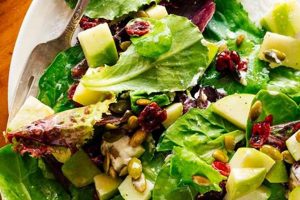
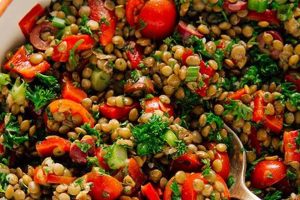
A dish combining cooked quinoa, a complete protein source originating in the Andes, with kale, a nutrient-rich leafy green, typically includes additional ingredients like vegetables, fruits, nuts, seeds, and a flavorful dressing. Variations can accommodate dietary restrictions, preferences, and seasonal availability, ranging from simple combinations to elaborate creations. For instance, a lemon-tahini dressing might complement roasted sweet potatoes and dried cranberries added to the base of quinoa and kale.
This culinary combination offers a balanced nutritional profile, providing fiber, protein, vitamins (A, C, and K), and minerals (iron and calcium). Such nutrient density supports various health benefits, including improved digestion, enhanced heart health, and strengthened immunity. Its adaptability allows for creative flavor combinations and customization, making it a versatile choice for meals throughout the day, from light lunches to satisfying dinners. The increasing popularity reflects a growing awareness of healthy eating and the desire for plant-based meals.
The following sections will delve into specific preparation methods, explore ingredient variations for different dietary needs and flavor profiles, and offer guidance on achieving optimal nutritional value.
Tips for a Perfect Quinoa Kale Salad
Maximizing flavor and nutritional value requires attention to preparation techniques and ingredient selection. These tips offer guidance for creating a satisfying and healthy quinoa kale salad.
Tip 1: Rinse the Quinoa: Rinsing quinoa under cold water before cooking removes its natural coating of saponins, which can impart a bitter flavor. This step ensures a more palatable final product.
Tip 2: Massage the Kale: Massaging kale leaves with a small amount of olive oil or lemon juice tenderizes the leaves, reducing their bitterness and improving texture.
Tip 3: Toast the Quinoa: Toasting dry quinoa in a pan before cooking enhances its nutty flavor and adds a pleasant crunch to the salad.
Tip 4: Balance Flavors and Textures: Consider incorporating a variety of ingredients to achieve a balance of sweet, savory, crunchy, and soft elements. Roasted vegetables, dried fruits, nuts, and seeds offer complementary flavors and textures.
Tip 5: Dress Smartly: The dressing is crucial for tying the flavors together. Opt for a light vinaigrette based on olive oil, lemon juice, or tahini. Avoid heavy, creamy dressings that can overpower the delicate flavors of the quinoa and kale.
Tip 6: Don’t Overcrowd the Bowl: Add dressing gradually, ensuring the salad is lightly coated but not drenched. Overdressing can make the salad soggy and less appealing.
Tip 7: Prepare Components in Advance: Cooking the quinoa, massaging the kale, and chopping vegetables ahead of time saves time and allows the flavors to meld. This is especially useful for meal prepping.
By following these tips, one can consistently create a quinoa kale salad that is both nutritious and delicious, enhancing the overall dining experience.
This foundation in preparation and technique sets the stage for exploring a world of flavor combinations and customization options, discussed in the concluding section.
1. Ingredient Quality

Ingredient quality significantly impacts the overall success of a quinoa kale salad. Fresh, vibrant ingredients contribute not only to superior flavor but also to enhanced nutritional value. Choosing ripe, seasonal produce maximizes flavor intensity and ensures optimal nutrient content. For example, using recently harvested kale contributes a more robust, slightly sweet flavor compared to older leaves, which can develop bitterness. Similarly, selecting high-quality quinoa, free from impurities, leads to a lighter, fluffier texture and a cleaner taste. The inherent flavors of individual components are allowed to shine when ingredient quality is prioritized.
Beyond produce, the quality of other components, such as nuts, seeds, and dressings, plays a crucial role. Freshly roasted nuts offer a superior crunch and richer flavor compared to pre-packaged varieties. High-quality oils, like extra virgin olive oil, contribute desirable healthy fats and subtle flavor nuances that enhance the overall sensory experience. Even seemingly minor ingredients, like dried fruits or spices, contribute significantly to the final dish when chosen with care. Opting for naturally dried fruits without added sugars and freshly ground spices enhances both flavor and nutritional value.
Prioritizing ingredient quality ultimately elevates the quinoa kale salad from a simple dish to a culinary experience. Investing in superior components, focusing on seasonality and freshness, allows for a deeper appreciation of the individual flavors and textures. This attention to detail translates into a more satisfying and nutritious meal, showcasing the inherent potential of this versatile dish.
2. Flavor Balance

Flavor balance is paramount in a successful quinoa kale salad recipe. The inherent earthiness of kale and the subtle nuttiness of quinoa provide a neutral base requiring careful consideration of complementary flavors. A harmonious blend of tastessweet, sour, salty, bitter, and umamielevates the dish beyond a simple combination of ingredients to a complex and satisfying culinary experience. Achieving this balance requires a nuanced understanding of how different ingredients interact and contribute to the overall flavor profile.
- Balancing Earthy and Bright:
Kale’s earthy notes benefit from brighter, acidic elements. Citrus fruits like lemon or orange, or vinegar-based dressings, cut through the kale’s inherent bitterness and add a refreshing lift. Dried cranberries or chopped apple introduce sweetness to counteract the earthiness, creating a more balanced palate. This interplay of contrasting flavors prevents the salad from becoming one-dimensional.
- Incorporating Umami and Salt:
Umami, a savory, meaty flavor, adds depth and complexity. Toasted nuts or seeds, such as pumpkin or sunflower seeds, contribute umami notes and a satisfying crunch. A sprinkle of crumbled feta cheese or a small amount of shaved Parmesan introduces salty elements that further enhance the flavor profile. Carefully balancing the umami and salty components with other flavors prevents the salad from becoming overly rich or heavy.
- The Role of Healthy Fats:
Healthy fats play a crucial role in flavor delivery and satiety. A well-chosen dressing, based on extra virgin olive oil, avocado oil, or tahini, not only adds richness but also helps to distribute flavors evenly throughout the salad. The fats also aid in the absorption of fat-soluble vitamins present in the kale and other vegetables, enhancing the nutritional value of the dish. The type of fat chosen can also contribute to the flavor profile, such as the nutty notes of tahini or the peppery undertones of extra virgin olive oil.
- Texture’s Influence on Flavor Perception:
Texture influences how flavors are perceived. The chewiness of quinoa, the slight bitterness of raw kale, and the crispness of added vegetables like bell peppers or carrots create a dynamic textural experience. This interplay of textures enhances the overall enjoyment of the salad by preventing monotony and stimulating the palate. Toasted nuts or seeds add another layer of textural complexity, further enriching the dining experience. Incorporating a variety of textures can create more nuanced and interesting contrasts in the salad.
Mastering the art of flavor balance transforms the quinoa kale salad from a simple health food into a sophisticated and satisfying meal. By thoughtfully combining contrasting yet complementary flavors and textures, one creates a dish that is both nutritionally dense and a delight to the senses. This attention to detail elevates the salad from a basic combination of ingredients into a truly well-rounded culinary creation.
3. Texture Variations

Textural variation is crucial for a compelling quinoa kale salad recipe. The inherent textures of quinoa and kaleslightly chewy and potentially tough, respectivelybenefit from the incorporation of contrasting elements. A monotonous texture can lead to a less satisfying eating experience, regardless of flavor profile. Strategic additions create a dynamic interplay that elevates the salad from basic to engaging. Consider the addition of roasted chickpeas for a crispy counterpoint to the soft quinoa, or toasted slivered almonds for a delicate crunch against the leafy kale. These contrasting textures stimulate the palate and create a more enjoyable sensory experience.
The interplay of textures also affects perceived flavor. A creamy avocado slice, for example, complements the earthiness of kale, while its smooth texture contrasts with the quinoas graininess. This dynamic not only adds visual appeal but also prevents the salad from feeling too dense. Similarly, incorporating dried cranberries or chopped dates offers a chewy sweetness that contrasts with the other components, further enriching the overall experience. These varied textures create pockets of distinct sensations within each bite, preventing the flavors from becoming muddled and enhancing the perception of individual ingredients. A well-balanced textural profile is essential for a truly satisfying and memorable quinoa kale salad.
Understanding the impact of textural variation unlocks a deeper level of culinary creativity within the quinoa kale salad format. It allows for the creation of a multi-dimensional eating experience that goes beyond simple nutrition. Chefs and home cooks alike can leverage this understanding to craft salads that are not only healthy but also deeply satisfying and enjoyable. Through the strategic incorporation of ingredients with varying textures, the quinoa kale salad transforms into a dish that delights the senses and encourages mindful consumption.
4. Proper Cooking Techniques

Proper cooking techniques are essential for maximizing the flavor and texture of a quinoa kale salad. While seemingly simple, the preparation of each component significantly impacts the overall quality of the final dish. Overcooked or undercooked quinoa can result in a mushy or crunchy texture, respectively, detracting from the desired light and fluffy consistency. Similarly, improper handling of kale can lead to bitterness or excessive toughness. Mastering these techniques ensures a balanced and enjoyable sensory experience.
- Cooking Quinoa:
Achieving perfectly cooked quinoa requires attention to detail. The standard ratio of quinoa to water is typically 1:2. Rinsing the quinoa beforehand removes saponins, which can impart a bitter taste. Bringing the water to a boil before adding the quinoa ensures even cooking. Once boiling, reducing the heat to a simmer and covering the pot allows the quinoa to cook evenly without scorching. The quinoa is done when the water is absorbed and the grains have become translucent, typically taking about 15-20 minutes. Fluffing the cooked quinoa with a fork after it has rested for a few minutes ensures a light and airy texture.
- Preparing Kale:
Proper preparation of kale is crucial for optimizing both flavor and texture. Washing and thoroughly drying the leaves prevents excess moisture from diluting the dressing. Removing the tough stems and thinly slicing or chopping the leaves ensures a more palatable texture and allows for even coating with the dressing. Massaging the kale leaves with a small amount of olive oil or lemon juice tenderizes the leaves, reducing their bitterness and improving texture. This step also helps the leaves absorb the dressing more effectively, resulting in a more flavorful and evenly coated salad.
- Roasting Vegetables (Optional):
Roasting vegetables like sweet potatoes, Brussels sprouts, or broccoli adds depth of flavor and textural complexity to the salad. Tossing the vegetables with olive oil, salt, pepper, and any desired spices before roasting enhances their natural sweetness and creates caramelization. Roasting at a high temperature, around 400F (200C), ensures the vegetables cook through while developing a slightly crispy exterior. The addition of roasted vegetables enhances the nutritional value of the salad and complements the flavors of the quinoa and kale.
- Dressing Application:
Proper dressing application is crucial for a balanced and enjoyable salad. Adding the dressing too early can lead to soggy leaves and a diluted flavor. It is recommended to dress the salad just before serving or to offer the dressing on the side, allowing individuals to customize their portion. Gently tossing the salad ensures even distribution of the dressing without damaging the delicate leaves. This prevents the salad from becoming overly saturated and maintains the distinct textures of the individual components.
Mastering these cooking techniques ensures a quinoa kale salad with optimal flavor, texture, and overall appeal. Attention to detail in each step, from rinsing the quinoa to applying the dressing, elevates the dish from a simple combination of ingredients to a satisfying culinary experience. The proper application of these techniques maximizes the nutritional value and enhances the enjoyment of this versatile and healthy salad.
5. Dressing Selection

Dressing selection significantly influences the overall flavor profile and enjoyment of a quinoa kale salad. The dressing acts as a unifying element, binding the individual components together while enhancing their inherent flavors. An appropriate dressing complements the earthy notes of kale and the nutty undertones of quinoa without overpowering them. Conversely, a poorly chosen dressing can mask these subtle flavors, resulting in a less satisfying culinary experience. Understanding the nuances of dressing selection is crucial for creating a balanced and harmonious salad.
- Acidity:
Acidity plays a vital role in balancing the inherent bitterness of kale. Vinaigrettes based on lemon juice, red wine vinegar, or apple cider vinegar provide a refreshing tartness that cuts through the kale’s earthiness, making the salad more palatable. The acidity also helps to brighten the other flavors in the salad, preventing them from becoming muddled. For example, a lemon vinaigrette with a touch of Dijon mustard complements the nutty flavor of quinoa while enhancing the brightness of other vegetables like bell peppers or tomatoes.
- Flavor Profile:
The dressing’s flavor profile should complement the other ingredients in the salad. A tahini-based dressing adds a nutty richness that harmonizes well with both kale and quinoa, while a ginger-soy dressing introduces an umami element that complements roasted vegetables like sweet potatoes or broccoli. The choice of herbs and spices within the dressing further refines the flavor profile. For instance, a cilantro-lime dressing complements a Southwestern-inspired salad with corn and black beans, while a mint-lemon dressing enhances a Mediterranean-style salad with feta cheese and olives. Careful consideration of the overall flavor composition is essential for selecting a dressing that enhances, rather than detracts from, the salad’s complexity.
- Texture and Consistency:
The texture and consistency of the dressing influence how the salad is experienced. A light vinaigrette coats the leaves evenly without weighing them down, allowing the individual textures of the quinoa and kale to shine through. A thicker, creamier dressing, while potentially flavorful, can make the salad heavy and soggy. The choice of oil also impacts the dressing’s texture. Extra virgin olive oil contributes a richness and subtle peppery flavor, while avocado oil offers a lighter, more neutral base. The consistency of the dressing should complement the overall texture of the salad, creating a harmonious balance.
- Nutritional Considerations:
The nutritional content of the dressing should align with the health-conscious nature of a quinoa kale salad. Dressings made with whole-food ingredients, such as nuts, seeds, and fresh herbs, offer additional nutritional benefits compared to processed dressings with added sugars and unhealthy fats. A homemade dressing allows for control over ingredients and portion sizes, facilitating dietary adjustments as needed. For example, using a tahini-based dressing adds healthy fats and protein, while a lemon-herb vinaigrette provides antioxidants and vitamins. Choosing a nutritionally sound dressing enhances the overall health benefits of the quinoa kale salad.
By considering these facets of dressing selection, one can elevate the quinoa kale salad from a simple dish to a complex and satisfying culinary creation. The dressing acts as more than just a condiment; it becomes an integral component that enhances the flavors, textures, and nutritional value of the salad. A well-chosen dressing elevates the individual ingredients while creating a cohesive and enjoyable eating experience.
Frequently Asked Questions
This section addresses common inquiries regarding quinoa kale salad preparation and consumption.
Question 1: How can bitterness in kale be mitigated?
Massaging kale leaves with olive oil or lemon juice and allowing them to rest for a few minutes helps to break down tough fibers and reduce bitterness. Selecting younger, smaller kale leaves can also minimize strong flavors.
Question 2: What is the optimal cooking method for quinoa for salad?
Rinsing quinoa before cooking removes saponins, which can cause bitterness. A 1:2 ratio of quinoa to water is generally recommended. Bring the water to a boil, add the quinoa, then reduce heat and simmer covered until the water is absorbed (approximately 15-20 minutes). Fluffing with a fork after cooking improves texture.
Question 3: Can quinoa kale salad be prepared in advance?
Components like cooked quinoa and chopped vegetables can be prepared separately in advance. However, it’s advisable to add the dressing just before serving to prevent the salad from becoming soggy. Storing components separately and combining them shortly before consumption maintains optimal texture and flavor.
Question 4: What are suitable dressing alternatives for those avoiding oil?
Oil-free dressings can be created using citrus juice, vinegar, and flavorful additions like tahini, pureed avocado, or blended herbs. These options provide flavor and moisture without added oils.
Question 5: How can nutritional value be maximized in a quinoa kale salad?
Incorporating a variety of colorful vegetables, nuts, seeds, and lean protein sources like chickpeas or grilled chicken or fish enhances the nutritional density. Choosing whole-grain quinoa and limiting processed ingredients maximizes health benefits.
Question 6: How should leftover quinoa kale salad be stored?
Store leftover salad in an airtight container in the refrigerator for up to three days. It’s best to store the dressing separately and add it just before consumption to maintain optimal texture.
Addressing these common queries provides a foundation for successfully preparing and enjoying a flavorful and nutritious quinoa kale salad. Understanding these aspects empowers individuals to customize the recipe to suit individual preferences and dietary needs.
The subsequent section offers variations and adaptations of the basic quinoa kale salad recipe, allowing for further exploration of its versatility and culinary potential.
Quinoa Kale Salad Recipe
Exploration of the quinoa kale salad recipe reveals a dish offering both nutritional density and culinary versatility. Key elements highlighted include the importance of ingredient quality, achieving flavor balance, incorporating textural variations, employing proper cooking techniques, and selecting a complementary dressing. These factors contribute significantly to the overall enjoyment and health benefits derived from this adaptable dish. From the earthy notes of kale to the nutty undertones of quinoa, each component plays a vital role in the final composition. Understanding the interplay of these elements allows for informed choices regarding ingredient selection, preparation methods, and flavor combinations.
The adaptability of the quinoa kale salad recipe positions it as a valuable addition to any diet. Its potential extends beyond basic nutrition to a platform for culinary creativity. Continued exploration of flavor profiles, ingredient combinations, and preparation techniques promises further evolution and refinement of this versatile dish. The quinoa kale salad recipe represents not just a meal but an opportunity to engage with food in a mindful and health-conscious manner.