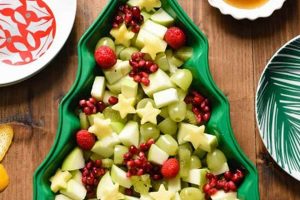
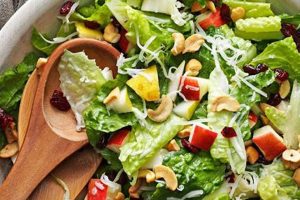
A dish featuring diced mango combined with other fruits offers a refreshing and nutritious culinary experience. Variations can include a simple mix of tropical fruits like pineapple and papaya, or incorporate a wider range of options like berries, grapes, or citrus segments. Often, a light dressing or syrup enhances the natural sweetness and complements the flavors of the combined fruits.
Fresh fruit combinations contribute essential vitamins, minerals, and dietary fiber. The high vitamin C content in many fruits, including mangoes, boosts immunity, while the natural sugars provide a healthy energy source. Such dishes have a long history, appearing in various culinary traditions across the globe, often adapting to locally available seasonal fruits. The vibrant colors and diverse flavors make these salads a popular choice for celebrations, picnics, and everyday meals.
This exploration will delve further into specific formulations, highlighting key ingredients, preparation techniques, and creative serving suggestions that elevate this simple dish into a culinary masterpiece. Discussions on nutritional value, variations to cater to dietary restrictions, and tips for selecting ripe, flavorful produce will also be covered.
Tips for Crafting the Perfect Fruit Salad Featuring Mango
Achieving a balanced and flavorful fruit salad requires attention to detail. These tips offer guidance for selecting ingredients and combining flavors effectively.
Tip 1: Mango Selection is Key: Opt for ripe, but firm mangoes. Aromas and a slight give to the touch indicate ripeness. Avoid overly soft fruit, as this can lead to a mushy texture.
Tip 2: Complementary Fruit Choices: Consider fruits that complement mango’s sweetness and tropical notes. Pineapple, papaya, kiwi, and berries offer excellent pairings. A contrasting tartness from fruits like oranges or grapefruit can also enhance the flavor profile.
Tip 3: Balancing Sweetness: If additional sweetness is desired, a light honey or agave nectar drizzle can be used. Alternatively, a squeeze of lime or lemon juice provides a tangy counterpoint and prevents browning.
Tip 4: Enhancing Flavors with Herbs: Fresh mint, basil, or even a hint of chili can elevate the salad’s complexity. Incorporate herbs sparingly to avoid overpowering the fruit’s natural flavors.
Tip 5: Proper Storage: Prepare the salad as close to serving time as possible to maintain freshness. If advance preparation is necessary, store cut fruit in an airtight container refrigerated, adding any dressing just before serving.
Tip 6: Presentation Matters: Consider the visual appeal by using a variety of colors and textures. Uniformly sized fruit pieces create a professional look. Serve chilled for optimal enjoyment.
By following these guidelines, one can create a visually appealing and palate-pleasing fruit salad that showcases the delightful versatility of mango.
These tips provide a foundation for crafting exceptional fruit salads. Experimentation with different fruit combinations and flavor enhancements allows for personalized culinary creations.
1. Ripe Mango Selection

Ripe mango selection is paramount to a successful mango fruit salad recipe. The mango’s ripeness directly impacts the flavor, texture, and overall quality of the final dish. Choosing appropriately ripe fruit ensures optimal sweetness, a pleasant texture, and minimizes the risk of undesirable flavors or spoilage. This section explores key facets of selecting ripe mangoes for fruit salad preparation.
- Aroma
A ripe mango emits a fragrant, sweet aroma, particularly near the stem. This fragrant indicator signifies the fruit’s maturity and sugar development. A lack of aroma, or a sour smell, suggests underripeness or spoilage, respectively. A strong, pleasant aroma contributes significantly to the overall sensory experience of the fruit salad.
- Texture
Gently squeezing a ripe mango yields slightly to pressure. This indicates optimal ripeness. An overly firm mango will lack sweetness, while excessive softness suggests overripeness, potentially leading to a mushy texture in the salad. The desired texture is firm yet yielding, ensuring a pleasant bite.
- Appearance
While color can vary depending on the mango variety, a healthy ripe mango typically exhibits vibrant skin tones. A dull or bruised appearance may indicate damage or suboptimal quality. Visual inspection helps ensure the selection of unblemished fruit, contributing to the salad’s aesthetic appeal.
- Stem
The stem area of a ripe mango often exudes a small amount of sweet, sticky juice. This is another sign of ripeness and concentrated sugar content. A dry stem area might suggest the mango is not yet fully ripe. This characteristic further aids in identifying a mango at peak ripeness.
By considering these factorsaroma, texture, appearance, and stem conditionone can confidently select mangoes that will contribute optimal flavor and texture to a fruit salad. Proper mango selection ensures the final dish is a delightful culinary experience, highlighting the fruit’s natural sweetness and vibrant character. Neglecting these aspects can result in a subpar salad, underscoring the importance of ripe mango selection in the recipe’s overall success.
2. Complementary Fruit Choices

Complementary fruit choices significantly influence the overall balance and complexity of a mango fruit salad recipe. Mango, with its inherent sweetness and tropical notes, provides a foundation upon which other fruits can build a harmonious flavor profile. Strategic fruit selection involves considering contrasting flavors, textures, and colors to create a multi-sensory experience. The interplay of sweet, tart, acidic, and juicy elements contributes to a more dynamic and enjoyable culinary result.
Several factors contribute to successful fruit pairings. Acidity, found in fruits like pineapple, oranges, and kiwi, provides a refreshing counterpoint to mango’s sweetness. Tart berries, such as raspberries or strawberries, add a contrasting dimension, while the subtle tang of grapes complements the mango’s richness. Textural variation is equally important. Crisp apples or pears offer a contrasting crunch, while softer fruits like bananas or peaches blend seamlessly with the mango’s texture. Visual appeal enhances the dining experience, so incorporating a variety of colors, from the vibrant reds of berries to the deep greens of kiwi, creates an attractive presentation.
Understanding the interplay of flavors, textures, and colors allows for informed decisions regarding complementary fruit choices. A mango fruit salad featuring pineapple, kiwi, and a squeeze of lime offers a tropical medley with a refreshing tang. Alternatively, a combination of mango, raspberries, and blueberries provides a vibrant mix of sweet and tart flavors. By carefully selecting complementary fruits, one elevates the mango fruit salad from a simple dish to a carefully crafted culinary creation. This understanding ensures a balanced and satisfying flavor profile, maximizing the enjoyment of this versatile fruit combination.
3. Flavor Balancing

Flavor balancing is crucial to a successful mango fruit salad recipe. The inherent sweetness of ripe mangoes necessitates the incorporation of contrasting flavor elements to prevent the final dish from becoming cloying. A well-balanced fruit salad engages the palate with a complex interplay of sweet, tart, acidic, and potentially even savory or spicy notes, resulting in a more satisfying culinary experience.
This balance can be achieved through several methods. Incorporating acidic fruits, such as pineapple, oranges, or passion fruit, provides a tart counterpoint to the mango’s sweetness. Adding a squeeze of lime or lemon juice further enhances this acidity, brightening the overall flavor profile. Tart berries like raspberries or cranberries offer another dimension of contrasting flavor, while the inclusion of fresh herbs, such as mint or basil, can introduce subtle savory or herbaceous notes. Even a pinch of chili flakes can add a surprising yet complementary layer of complexity.
Consider a mango fruit salad with pineapple, kiwi, and a hint of lime. The pineapple’s tangy sweetness complements the mango, while the kiwi adds a slightly tart and refreshing element. The lime juice ties these flavors together, providing a unifying acidity. Alternatively, a salad combining mango with blueberries, raspberries, and a drizzle of honey offers a different flavor experience. The berries’ tartness balances the mango’s sweetness and the honey adds a touch of floral complexity. These examples demonstrate how careful flavor balancing elevates the mango fruit salad from a simple mix of fruits to a well-rounded and nuanced dish. Failure to balance flavors can result in a one-dimensional and less enjoyable experience, highlighting the critical role of this element in recipe development.
4. Textural Variation
Textural variation plays a significant role in the overall enjoyment of a mango fruit salad recipe. A dynamic interplay of textures elevates the sensory experience beyond mere taste, creating a more engaging and satisfying culinary encounter. The strategic inclusion of contrasting textures adds depth and complexity, preventing the salad from becoming monotonous. This exploration delves into the various facets of textural variation within the context of mango fruit salad.
- Crunchy Elements
Incorporating crunchy elements provides a stark contrast to the softer textures of many fruits. Toasted nuts, such as almonds or macadamia nuts, offer a satisfying crunch and complementary flavor. Seeds, like pumpkin or sunflower seeds, introduce a different type of crunch, while granola provides a clustered texture with varying degrees of crispness. These additions prevent the salad from becoming overly soft and provide textural intrigue.
- Soft Fruits
Balancing crunchy additions with softer fruits is essential. Ripe mangoes, bananas, and berries contribute a smooth, yielding texture that complements the contrasting crunch. These softer elements create a harmonious textural balance, ensuring the salad isn’t dominated by a single texture. The interplay of soft and crunchy elements enhances the overall sensory experience.
- Chewy Components
Adding chewy components introduces another layer of textural complexity. Dried fruits, like cranberries or raisins, offer a chewy texture and concentrated sweetness. Chopped dates or figs contribute a soft chewiness, while pieces of candied ginger provide a chewy texture with a spicy kick. These additions further diversify the textural profile of the salad.
- Crisp Fruits
Crisp fruits, such as apples, pears, or grapes, contribute a refreshing juiciness and a snappy texture. These elements contrast the softer textures of the mango and other fruits, adding a bright, crisp element to each bite. Their inclusion prevents the salad from becoming overly soft, maintaining a refreshing and dynamic textural profile.
By incorporating a variety of texturescrunchy, soft, chewy, and crispa mango fruit salad transforms from a simple dish into a multi-sensory culinary experience. This attention to textural detail enhances the overall enjoyment and demonstrates a deeper understanding of culinary craftsmanship. The interplay of these textures elevates the perception of flavors and creates a more satisfying and memorable culinary creation.
5. Presentation techniques
Presentation techniques significantly influence the perceived appeal and enjoyment of a mango fruit salad recipe. Visual appeal stimulates appetite and enhances the dining experience. While flavor and texture remain paramount, thoughtful presentation elevates the dish from simple sustenance to a visually engaging culinary creation. This connection between presentation and enjoyment underscores the importance of visual considerations in food preparation.
Several techniques contribute to effective fruit salad presentation. Uniformly sized fruit pieces create a professional and visually appealing arrangement. Consider using a variety of cutting techniques, such as dicing, slicing, or balling, to add visual interest. Arranging fruit pieces according to color creates a vibrant and attractive display. The use of contrasting colors and textures further enhances visual appeal. Serving the salad in an attractive bowl or platter complements the presentation. Garnishing with fresh mint sprigs, a dusting of powdered sugar, or a drizzle of honey adds a final touch of elegance. For instance, a mango fruit salad served in hollowed-out pineapple halves creates a dramatic tropical presentation. Alternatively, individual servings in small glasses or bowls offer a refined and elegant approach.
Effective presentation enhances the perceived value and enjoyment of a mango fruit salad. While taste and texture remain fundamental, visual appeal plays a crucial role in the overall dining experience. Thoughtful presentation elevates the dish, demonstrating attention to detail and culinary expertise. Understanding this connection allows for a more comprehensive approach to recipe development, ensuring the final product is both visually appealing and palate-pleasing. This attention to detail can transform a simple fruit salad into a memorable culinary experience.
6. Proper Storage
Proper storage is essential for maintaining the quality and safety of a mango fruit salad recipe. Improper storage can lead to enzymatic browning, textural degradation, and microbial growth, significantly impacting the flavor, appearance, and overall appeal of the salad. Understanding and implementing appropriate storage techniques preserves the freshness and integrity of the ingredients, ensuring a safe and enjoyable culinary experience. This connection between proper storage and recipe success highlights the importance of food safety and quality control in culinary practices.
Several factors influence the shelf life of a mango fruit salad. Exposure to air accelerates enzymatic browning, causing discoloration in fruits like mangoes, apples, and bananas. Storing cut fruit in an airtight container minimizes oxidation and preserves its vibrant appearance. Temperature also plays a critical role. Refrigeration slows down enzymatic activity and microbial growth, extending the salad’s shelf life. However, excessively cold temperatures can damage delicate fruits. Storing the salad at the appropriate refrigerator temperature, typically between 34F and 40F (1C and 4C), balances preservation with the prevention of cold damage. The presence of acidic ingredients, like citrus juice, can further inhibit browning and microbial growth. For example, adding a squeeze of lemon or lime juice to the fruit salad helps maintain its fresh appearance and extends its shelf life. Similarly, avoiding contact with metal utensils, which can accelerate oxidation, contributes to preserving the fruit’s quality.
Proper storage practices are crucial for maximizing the quality, safety, and enjoyment of a mango fruit salad. Airtight containers, appropriate refrigeration temperatures, and the strategic use of acidic ingredients contribute to preserving the salad’s freshness, preventing spoilage, and ensuring food safety. Neglecting these practices can compromise the sensory appeal and safety of the dish, underscoring the importance of proper storage as an integral component of any mango fruit salad recipe. This understanding allows for informed decision-making in food preparation and storage, contributing to a more positive and safe culinary outcome.
Frequently Asked Questions
This section addresses common inquiries regarding the preparation and enjoyment of mango fruit salads.
Question 1: How long can mango fruit salad be stored safely?
Refrigerated mango fruit salad, stored in an airtight container, typically remains safe for consumption for up to three days. However, quality degradation, such as textural changes and flavor loss, can occur sooner. For optimal quality, consumption within 24 hours is recommended.
Question 2: What methods prevent browning in mango fruit salad?
Browning can be minimized by coating cut mango with an acidic agent, such as lemon or lime juice. This inhibits enzymatic reactions responsible for discoloration. Storing the salad in an airtight container, limiting air exposure, further reduces browning.
Question 3: Can frozen mango be used in fruit salad?
While frozen mango can be utilized, thawing before incorporation is crucial to prevent excess moisture release, which can dilute the salad’s flavors and compromise texture. Thawed mango should be gently patted dry before adding to the salad.
Question 4: What are optimal mango varieties for fruit salad?
Several mango varieties lend themselves well to fruit salad. Ataulfo, Honey, and Kent mangoes are known for their sweetness, smooth texture, and relative ease of handling when ripe. These characteristics contribute favorably to a mixed fruit salad.
Question 5: How can one determine mango ripeness?
Mango ripeness is indicated by a fragrant aroma, a slight yield to gentle pressure, and often, a small amount of juice near the stem. Visual cues, while variable depending on variety, typically include vibrant skin tones. Overly firm fruit lacks sweetness, while excessive softness indicates overripeness.
Question 6: What dressings complement mango fruit salad?
Light dressings enhance the natural flavors of the fruit. A simple honey-lime dressing, a light vinaigrette, or even a sprinkle of citrus zest can complement the sweetness of the mango and other fruits. Avoid heavy or creamy dressings, which can mask delicate flavors.
Understanding these aspects ensures optimal flavor, texture, and safe enjoyment of mango fruit salad. Proper selection, handling, and storage practices contribute significantly to the success of this refreshing culinary creation.
Beyond these frequently asked questions, further exploration of specific recipe variations and culinary techniques can enhance one’s understanding and enjoyment of mango fruit salad. This foundational knowledge provides a basis for culinary experimentation and personalized recipe development.
Mango Fruit Salad Recipe
Exploration of mango fruit salad recipes reveals a complex interplay of factors influencing the final product. Careful selection of ripe mangoes, coupled with complementary fruit choices, forms the foundation. Balancing flavors, incorporating textural variation, and employing thoughtful presentation techniques elevate the dish beyond a simple mixture of ingredients. Proper storage ensures the preservation of flavor and texture, maximizing enjoyment and preventing spoilage. Understanding these elements allows for informed decision-making throughout the preparation process, transforming a basic concept into a refined culinary creation.
Mango fruit salad recipes offer a versatile canvas for culinary expression. Adaptability to individual preferences, seasonal availability, and creative inspiration ensures enduring appeal. Continued exploration of flavor profiles, textural combinations, and presentation styles promises further evolution and refinement within this culinary domain. The potential for innovation within this seemingly simple dish underscores the dynamic nature of culinary arts.