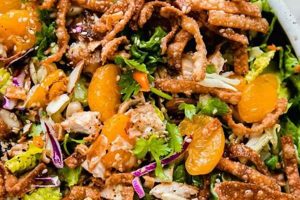
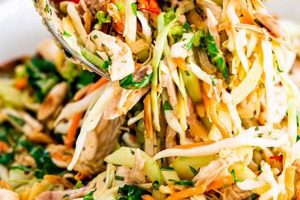
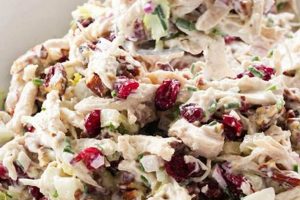
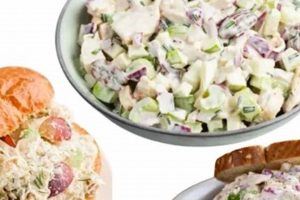
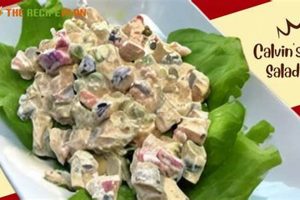
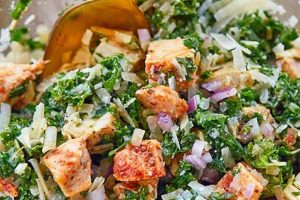
This dish combines cooked macaroni pasta, shredded chicken, and various vegetables, often including carrots, celery, and onions, in a creamy, mayonnaise-based dressing. Sweet pickle relish, raisins, and sometimes pineapple chunks contribute a distinctly sweet and tangy flavor profile characteristic of Filipino cuisine. Variations may include hard-boiled eggs and cheese.
A staple at Filipino gatherings and celebrations, this dish embodies the culture’s penchant for combining savory and sweet flavors. Its affordability and ease of preparation make it a popular everyday meal as well. Historically, it reflects the influence of American cuisine, adapted and transformed with local ingredients and preferences to become uniquely Filipino. Its adaptable nature allows for customization based on available ingredients and regional tastes.
Further exploration will delve into specific ingredient choices, preparation methods, regional variations, and serving suggestions for this beloved Filipino dish.
Tips for Preparing Macaroni Chicken Salad
Optimizing ingredient selection and preparation techniques enhances the final dish.
Tip 1: Pasta Perfection: Cook macaroni al dente for optimal texture. Overcooked pasta results in a mushy salad. Rinsing the cooked pasta with cold water stops the cooking process and helps maintain firmness.
Tip 2: Chicken Choices: Rotisserie chicken offers a convenient shortcut, while poached or baked chicken breasts provide a healthier alternative. Shredding the chicken ensures even distribution throughout the salad.
Tip 3: Vegetable Variety: Traditional ingredients include carrots, celery, and onions. Finely diced vegetables ensure a balanced flavor in every bite. Consider adding other vegetables like bell peppers or green peas for additional flavor and nutritional value.
Tip 4: Dressing Decisions: Mayonnaise forms the base of the dressing. Experiment with different types of mayonnaise or incorporate plain yogurt for a lighter version. Adjust the amount of dressing according to preference.
Tip 5: Sweet and Savory Balance: Sweet pickle relish is crucial for the characteristic sweet and tangy flavor profile. Raisins and pineapple tidbits add further sweetness. Balance these with the savory elements of chicken and vegetables.
Tip 6: Chill Out: Chilling the salad for at least an hour allows the flavors to meld and enhances the overall taste experience.
Tip 7: Garnish and Serve: Garnish with chopped hard-boiled eggs, a sprinkle of paprika, or freshly chopped parsley. Serve chilled on bread, lettuce cups, or crackers.
By following these tips, one can achieve a well-balanced and flavorful dish.
This guidance sets the stage for creating a delicious and authentic culinary experience.
1. Macaroni (pasta)

Macaroni serves as the foundational ingredient, providing structure and substance. Its ability to absorb flavors from the dressing and other components is crucial. The choice of macaroni shape influences both the texture and aesthetic appeal. Elbow macaroni, due to its hollow shape and ridges, effectively captures the creamy dressing, contributing to a satisfying mouthfeel. Overcooked macaroni results in a mushy salad, highlighting the importance of proper cooking time. Substituting other pasta shapes alters the dish’s character; for instance, using rotini would introduce a spiral texture and potentially affect dressing adherence.
The quantity of macaroni also plays a significant role in balancing the salad’s components. Too much pasta might overpower the other ingredients, while too little could lead to a disproportionately rich and heavy salad. This balance affects not only the flavor but also the overall culinary experience. Consider a scenario where the macaroni is significantly reduced; the resulting dish might resemble a thick chicken spread rather than a salad. Conversely, an excess of macaroni might dilute the flavors of the chicken, vegetables, and dressing. Therefore, the proportion of macaroni directly impacts the dish’s categorization and perceived identity.
Macaroni selection, preparation, and proportion are essential for achieving the desired outcome. These factors demonstrate the integral role of this seemingly simple ingredient in shaping the overall character of the dish. Mastery of these elements contributes significantly to a successful and enjoyable culinary experience.
2. Chicken (protein)
Chicken provides the primary protein source in this dish, contributing significantly to its nutritional value and overall flavor profile. The preparation method and type of chicken used influence the final result. Understanding these nuances is crucial for a successful culinary outcome.
- Chicken Preparation Methods
Various methods, including boiling, baking, roasting, or using pre-cooked rotisserie chicken, offer distinct advantages. Boiling yields a leaner result, while roasting enhances flavor development. Rotisserie chicken provides convenience. The chosen method impacts both the texture and taste of the final salad. For instance, boiled chicken, if not handled carefully, can become dry, affecting the overall salad’s palatability. Conversely, roasted chicken contributes a richer, more intense flavor.
- Chicken Type and Cut
Different cuts, such as boneless, skinless breasts, thighs, or a combination, impact the salad’s richness and moisture content. Chicken breasts offer a leaner option, while thighs provide more succulence. Utilizing a mix of white and dark meat creates a balanced flavor and texture profile. The chosen cut influences the overall perception of the dish, impacting its richness and mouthfeel. For example, using solely chicken breasts might result in a drier salad compared to incorporating thighs.
- Seasoning and Flavoring
The chicken’s seasoning contributes significantly to the overall flavor complexity of the salad. Simple seasonings like salt and pepper suffice, while more elaborate marinades or spice rubs introduce deeper flavor dimensions. The interaction between the chicken’s seasoning and the salad’s dressing creates a nuanced flavor interplay. A strongly seasoned chicken might require adjustments to the dressing’s ingredients to maintain balance.
- Quantity and Proportion
The ratio of chicken to other ingredients influences the salad’s heartiness and nutritional balance. A higher proportion of chicken creates a protein-rich meal, while a lower proportion emphasizes the other components. Achieving the right balance ensures a satisfying and well-rounded dish. Too much chicken might overpower the other flavors, while too little could leave the salad feeling incomplete. This balance directly impacts the perceived value and enjoyment of the meal.
These facets of chicken preparation and incorporation demonstrate the ingredient’s crucial role in shaping the final character of macaroni chicken salad. Careful consideration of these elements contributes to a well-balanced, flavorful, and satisfying culinary experience. Understanding the interplay between chicken and other ingredients allows for customization and optimization of the recipe to suit individual preferences and dietary needs.
3. Salad (type)
Categorizing this dish as a “salad” significantly influences its composition, presentation, and cultural context. While not adhering to the traditional leafy green paradigm, it aligns with the broader concept of a mixture of ingredients, often dressed, and served cold. This classification impacts expectations regarding texture, flavor profiles, and even appropriate serving occasions. Consider the contrast: a leafy green salad evokes freshness and lightness, while macaroni chicken salad suggests a heartier, more substantial offering.
The “salad” designation influences ingredient choices. The inclusion of mayonnaise-based dressings, often enriched with sweet elements like relish or fruit, aligns with the creamy, often sweet-savory character associated with many non-green salads. This contrasts with vinaigrette-based dressings typical of leafy green salads. Similarly, incorporating cooked pasta, shredded chicken, and chopped vegetables reinforces the concept of a composed, rather than a tossed, salad. Think of other composed salads, like potato salad or pasta salad the “macaroni chicken salad filipino recipe” shares structural and conceptual similarities with these dishes. This categorization also affects presentation; serving it chilled further solidifies its identity as a salad, distinguishing it from warm chicken and pasta dishes. It is typically presented in a bowl or platter, reinforcing its communal nature, suitable for potlucks and gatherings.
Understanding the “salad” classification provides a framework for interpreting the dish within Filipino culinary traditions. This context emphasizes the adaptation and fusion of influences. The dish reflects a departure from traditional Filipino salads, which often feature fresh, local produce, showcasing the integration of Western ingredients and culinary concepts. Recognizing the dish as a type of salad allows for a deeper appreciation of its unique characteristics, highlighting the dynamic interplay between cultural influences and culinary innovation. This understanding informs not only its preparation but also its place within a broader culinary landscape.
4. Filipino (origin)
The “Filipino” designation within “macaroni chicken salad filipino recipe” signifies more than just geographical origin; it represents a specific flavor profile and cultural context shaping the dish’s identity. This influence manifests in the preference for a sweet and savory balance, often achieved through incorporating ingredients like sweet pickle relish, raisins, and sometimes even pineapple chunks. This flavor profile distinguishes it from other macaroni salads found globally. Consider the American version, typically relying on celery, onion, and a simpler dressing. The Filipino adaptation reflects a broader cultural tendency towards combining contrasting tastes, observed in other traditional dishes like adobo, which balances vinegar’s sourness with soy sauce’s saltiness. This preference for balanced contrasts is a hallmark of Filipino cuisine, directly impacting ingredient choices and preparation methods in this particular salad.
Furthermore, the dish’s popularity in the Philippines speaks to its accessibility and adaptability. Macaroni, introduced during the American colonial period, became a readily available pantry staple. The dish’s adaptability allows for substitutions based on available resources, reflecting the resourcefulness inherent in Filipino cooking. For instance, canned fruit cocktail might replace fresh pineapple, demonstrating an ability to adapt recipes based on economic constraints and ingredient availability. This practical adaptability contributes to the dish’s widespread appeal and enduring presence in Filipino households and celebratory gatherings. It often appears at fiestas, birthdays, and potlucks, further solidifying its cultural significance. The communal nature of these events aligns with the large-batch preparation typically employed for this salad, reinforcing its role in Filipino social life.
Understanding the “Filipino” aspect is essential for appreciating the dish’s unique character. It illuminates the fusion of cultural influences and culinary resourcefulness that shape Filipino cuisine. The dish serves as a microcosm of the Philippines’ historical and cultural landscape, showcasing the adaptation of foreign ingredients into a distinctly local culinary creation. This understanding deepens the appreciation for the dish beyond a simple recipe, revealing its significance within a broader cultural and historical context. It underscores how seemingly simple dishes can embody complex cultural narratives and historical influences.
5. Recipe (instructions)

“Recipe” within “macaroni chicken salad filipino recipe” signifies the structured set of instructions required for successful preparation. A recipe provides a framework for combining ingredients in specific proportions and utilizing appropriate techniques to achieve the desired outcome. Examining the components of a recipe reveals its function as a blueprint for culinary creation.
- Ingredient List
A detailed ingredient list, including specific quantities and types, forms the recipe’s foundation. For example, “2 cups cooked elbow macaroni” specifies both the type and amount required, preventing ambiguity. Precise measurements ensure consistency and predictability in the final product. Variations in ingredient quality or substitutions can significantly impact the dish’s final flavor and texture.
- Preparation Methods
Clear instructions outlining preparation steps, including cooking techniques and timings, guide the cooking process. “Boil chicken until cooked through, then shred” directs specific actions, influencing the chicken’s texture and integration into the salad. Variations in these methods, such as grilling or baking the chicken, would alter the final dish’s flavor profile.
- Assembly and Combining Instructions
Guidance on combining ingredients in the correct order and manner ensures proper integration and flavor balance. “Gently fold the shredded chicken, vegetables, and dressing into the cooked macaroni” emphasizes a specific technique to prevent overmixing and maintain the salad’s desired texture. Deviations from these instructions might result in a less appealing final product.
- Serving Suggestions and Storage
Recommendations for serving and storage contribute to the overall dining experience and food safety. “Serve chilled on lettuce cups or crackers. Refrigerate leftovers for up to 3 days” provides practical guidance for presentation and safe consumption. These instructions, while seemingly minor, contribute significantly to the enjoyment and longevity of the dish.
These components illustrate the recipe’s function as a guide for creating “macaroni chicken salad filipino recipe,” ensuring a consistent and predictable outcome. A well-written recipe provides clarity, minimizes errors, and allows for successful replication of the dish, regardless of culinary expertise. Adhering to the recipe ensures the realization of the intended flavor profile and texture, preserving the dish’s cultural authenticity and culinary integrity. Deviations, while sometimes creative, can significantly alter the dish’s characteristics, potentially leading to an outcome far removed from the traditional “macaroni chicken salad filipino recipe.” Therefore, the recipe serves as a critical link between culinary tradition and individual execution, ensuring the preservation and continuation of culinary heritage.
Frequently Asked Questions
This section addresses common inquiries regarding the preparation and characteristics of macaroni chicken salad, Filipino style.
Question 1: What distinguishes the Filipino version from other macaroni salads?
The Filipino version often incorporates sweet elements like sweet pickle relish, raisins, and sometimes pineapple, creating a distinctive sweet and savory flavor profile. This contrasts with other variations that may emphasize savory elements or omit the sweetness altogether.
Question 2: Can alternative pasta shapes be used?
While elbow macaroni is traditional, other short pasta shapes like shells or rotini can be substituted. However, this may affect the salad’s texture and the dressing’s adherence to the pasta.
Question 3: What type of chicken is recommended?
Rotisserie chicken offers convenience, while boiled or baked chicken breasts provide a healthier, leaner option. The chosen method influences the overall flavor and texture.
Question 4: How long can the salad be stored?
Properly stored in an airtight container in the refrigerator, the salad can last for up to three days. Beyond this timeframe, quality and safety may be compromised.
Question 5: Can the dressing be adjusted for dietary preferences?
The traditional mayonnaise-based dressing can be lightened by substituting a portion of the mayonnaise with plain yogurt or low-fat alternatives. Adjustments to seasonings can further personalize the flavor profile.
Question 6: Is this salad suitable for large gatherings?
The adaptability of the recipe to large-batch preparation makes it ideal for potlucks, picnics, and other social gatherings. Its chilled nature and ease of transport contribute to its suitability for such occasions.
These responses offer clarification on key aspects of the dish, aiming to enhance understanding and facilitate successful preparation.
This concludes the FAQ section. The following sections will explore further variations and cultural contexts.
Macaroni Chicken Salad Filipino Recipe
This exploration has detailed the multifaceted nature of macaroni chicken salad, Filipino style. From its core componentsmacaroni, chicken, and the characteristically sweet and savory Filipino flavor profileto its cultural significance and adaptable recipe, the dish emerges as more than a simple combination of ingredients. The examination of preparation methods, ingredient variations, and cultural influences underscores its unique position within Filipino cuisine. The frequently asked questions section addressed practical considerations, providing further clarity on preparation and adaptation.
Macaroni chicken salad embodies a fusion of cultural influences and culinary ingenuity. Its enduring popularity speaks to its adaptability and resonance within Filipino culinary traditions. Continued exploration of regional variations and individual adaptations promises further insights into this dynamic dish. Ultimately, understanding its composition and cultural context enhances appreciation for this beloved staple of Filipino cuisine.