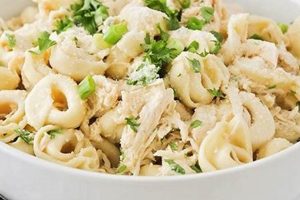
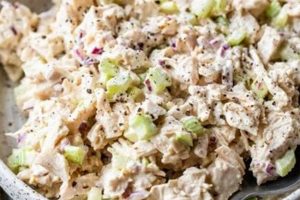
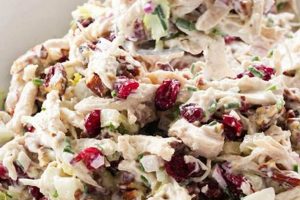
A nutritious and convenient meal option centers around readily available canned chicken, combined with fresh, wholesome ingredients. For example, lean protein from canned chicken can be complemented by the fiber and vitamins of chopped celery, grapes, and walnuts, bound together with a light, flavorful dressing based on Greek yogurt instead of mayonnaise. This approach offers a quick and easy meal or snack.
Such preparations offer a balance of protein, healthy fats, and essential nutrients while being lower in calories and saturated fat compared to traditional mayonnaise-laden versions. This makes them ideal for those seeking convenient, healthful meals that support weight management or overall wellness goals. The rise in popularity of these recipes reflects increasing consumer awareness of dietary health and the demand for quick, easy meal solutions. Historically, canned chicken salad has been a pantry staple, but modern iterations focus on maximizing nutritional value and minimizing unhealthy additives.
This exploration will further delve into variations on this theme, offering specific ingredient recommendations, preparation tips, and nutritional breakdowns to help readers create delicious and healthful meals using canned chicken as a foundation.
Tips for Creating a Nutritious Canned Chicken Salad
Maximizing flavor and nutritional value while minimizing unhealthy components are key considerations when preparing canned chicken salad. The following tips offer guidance for creating a satisfying and healthful dish.
Tip 1: Choose Chicken Packed in Water: Opting for chicken packed in water rather than oil significantly reduces fat and sodium content. Draining the chicken thoroughly further minimizes excess sodium.
Tip 2: Incorporate a Variety of Vegetables: Adding a mix of crunchy vegetables like celery, bell peppers, onions, and carrots boosts fiber and micronutrient intake. Consider incorporating finely chopped broccoli or cauliflower for added nutritional benefits.
Tip 3: Enhance Flavor with Fresh Herbs: Fresh herbs like dill, parsley, chives, or cilantro provide vibrant flavor without relying on excess salt or unhealthy additives.
Tip 4: Opt for a Healthy Binder: Instead of relying solely on mayonnaise, explore healthier alternatives like Greek yogurt, plain hummus, or mashed avocado. These options contribute protein, healthy fats, and creaminess while reducing saturated fat.
Tip 5: Boost Texture with Nuts and Seeds: Adding chopped walnuts, almonds, pecans, or sunflower seeds provides healthy fats, fiber, and satisfying crunch. These additions also contribute valuable micronutrients.
Tip 6: Enhance Sweetness Naturally: Incorporate natural sweetness with chopped grapes, apples, or dried cranberries. These additions complement the savory flavors while avoiding refined sugars.
Tip 7: Season Mindfully: Enhance flavors with spices like black pepper, garlic powder, onion powder, paprika, or curry powder instead of relying heavily on salt.
By following these guidelines, individuals can create flavorful, nutrient-rich canned chicken salad that supports health goals while offering a convenient and satisfying meal option.
These tips provide a foundational understanding for creating a healthy and delicious canned chicken salad. Experimentation with different flavor combinations and ingredients allows for personalized variations while maintaining a focus on nutrition.
1. Nutrient-Rich Ingredients

Nutrient-rich ingredients form the foundation of a healthy canned chicken salad recipe, elevating it from a simple convenience food to a nourishing meal. Careful selection of these components contributes significantly to the overall health benefits and flavor profile of the dish.
- Lean Protein:
Canned chicken, the core ingredient, provides a readily available source of lean protein, essential for muscle building and satiety. Opting for chicken packed in water minimizes added sodium and fat. The protein content supports healthy weight management and provides sustained energy.
- Fiber-Rich Vegetables:
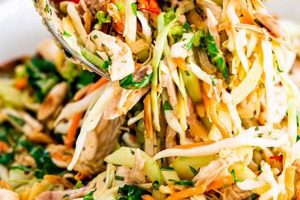
Incorporating a variety of vegetables like celery, carrots, bell peppers, and leafy greens adds significant dietary fiber. Fiber promotes digestive health, regulates blood sugar levels, and contributes to feelings of fullness. The texture and flavor of these vegetables also enhance the overall palatability of the salad.
- Healthy Fats:
Avocados, nuts, and seeds introduce healthy fats, crucial for brain function and nutrient absorption. These fats also contribute to the creamy texture of the salad while providing essential fatty acids. Portion control is key, as these ingredients are calorie-dense.
- Greek Yogurt or Hummus:
Replacing traditional mayonnaise with Greek yogurt or hummus reduces saturated fat and boosts protein content. Greek yogurt provides probiotics beneficial for gut health, while hummus adds fiber and plant-based protein. These alternatives offer creamy texture and flavor complexity.
The strategic inclusion of these nutrient-rich ingredients transforms canned chicken salad into a balanced and healthful meal. This approach prioritizes nutrient density without sacrificing flavor or convenience, making it a suitable option for health-conscious individuals seeking quick and nutritious meal solutions. By understanding the role of each component, one can create a customized salad that aligns with specific dietary needs and preferences.
2. Reduced Fat Content
Reduced fat content is a cornerstone of healthy canned chicken salad recipes. Managing fat intake, particularly saturated and trans fats, plays a crucial role in overall health and well-being. Lowering fat content contributes to weight management and reduces the risk of cardiovascular disease. This section explores key strategies for reducing fat in canned chicken salad while maintaining flavor and satisfaction.
- Chicken Selection:
Choosing chicken packed in water instead of oil significantly reduces fat content. Draining the chicken thoroughly further minimizes residual fat and sodium. This simple step significantly impacts the overall nutritional profile of the salad.
- Binder Choices:
Traditional mayonnaise is high in saturated fat. Healthier alternatives include Greek yogurt, plain hummus, or mashed avocado. These options provide creaminess and flavor while contributing beneficial nutrients like protein, fiber, and healthy fats. Using a reduced-fat mayonnaise can also be a viable option, though less nutritionally beneficial than the alternatives.
- Ingredient Additions:
Focusing on nutrient-dense, lower-fat ingredients like vegetables and lean protein maximizes nutritional value while minimizing caloric density. Incorporating fruits like grapes or apples adds natural sweetness without the need for high-fat dressings or added sugars. Adding nuts and seeds, while containing healthy fats, should be done in moderation due to their caloric density.
- Preparation Methods:
Avoiding the addition of excess oil during preparation further reduces fat content. Utilizing fresh herbs, spices, and citrus juices enhances flavor without relying on high-fat ingredients. Baking or grilling chicken breasts instead of using canned chicken offers further control over fat content but requires more preparation time.
By prioritizing these strategies, creating a healthy canned chicken salad recipe with reduced fat content becomes achievable without sacrificing flavor or satisfaction. This focus contributes to a healthier dietary pattern and supports long-term wellness goals. Reduced-fat versions offer a guilt-free way to enjoy a classic dish while prioritizing nutritional value.
3. Flavorful Combinations

Flavorful combinations are essential for transforming healthy canned chicken salad recipes from bland and uninspired to vibrant and satisfying. Palatability plays a crucial role in adherence to healthy eating patterns. A well-balanced flavor profile ensures enjoyment and encourages continued consumption of nutrient-rich foods. This section explores key elements contributing to flavorful combinations in healthy canned chicken salad.
- Balancing Sweet and Savory:
The interplay of sweet and savory elements creates a dynamic flavor profile. Incorporating fruits like grapes, apples, or dried cranberries introduces natural sweetness that complements the savory notes of the chicken and other ingredients. Balancing these opposing flavors prevents the salad from being overly sweet or bland. This balance can be further enhanced by using a tangy dressing or incorporating ingredients like Dijon mustard.
- Textural Variety:
Textural contrast adds another dimension to flavor perception. Crunchy elements like chopped celery, nuts, or seeds provide a satisfying counterpoint to the softer textures of the chicken and other ingredients. This variety keeps the palate engaged and prevents a monotonous eating experience. Consider incorporating water chestnuts or jicama for additional crispness.
- Herbs and Spices:
Fresh herbs and spices offer an array of flavor possibilities without relying on excess salt or unhealthy additives. Dill, parsley, chives, cilantro, and mint can brighten the flavor profile. Spices like curry powder, paprika, garlic powder, and onion powder add depth and complexity. Experimentation with different herb and spice combinations allows for customization and personalization of recipes.
- Acidic Notes:
A touch of acidity brightens the flavors and balances richness. Lemon juice, lime juice, or apple cider vinegar can be incorporated into the dressing or added directly to the salad. This acidity cuts through the richness of the other ingredients and adds a refreshing element. The acidity also helps to preserve the freshness of the salad.
By focusing on these elements, healthy canned chicken salad recipes achieve a depth of flavor that encourages enjoyment and promotes healthy eating habits. Strategic combinations of ingredients elevate the sensory experience, making nutritious choices more appealing and sustainable in the long term. The interplay of these elements allows for a diverse range of flavor profiles, ensuring that healthy eating remains interesting and satisfying.
4. Convenient Preparation

Convenient preparation is a significant factor contributing to the appeal of healthy canned chicken salad recipes. Time constraints often pose a barrier to healthy eating habits. Recipes utilizing readily available ingredients, such as canned chicken, offer a practical solution for individuals seeking nutritious meals without extensive preparation. This convenience factor promotes adherence to healthy dietary patterns by reducing the time and effort required for meal preparation. For example, a busy professional can quickly assemble a healthy canned chicken salad for lunch using pre-cooked chicken, pre-chopped vegetables, and a pre-made dressing. This eliminates the need for cooking, chopping, and mixing, saving valuable time.
The inherent convenience of canned chicken further streamlines the process. Opening a can and draining the contents takes mere seconds, eliminating the need for cooking and shredding chicken. This ease of preparation contrasts sharply with the time investment required for cooking raw chicken, making it a particularly attractive option for time-constrained individuals. Furthermore, canned chicken offers a consistent product, ensuring predictable results in terms of texture and flavor. This predictability simplifies meal planning and reduces the likelihood of culinary mishaps.
The convenience factor extends beyond the initial preparation. Canned chicken salad can be prepared in advance and stored in the refrigerator for several days, providing readily available meals or snacks throughout the week. This meal prepping strategy further reduces time spent in the kitchen and supports consistent healthy eating habits. The ability to create multiple servings at once also makes canned chicken salad an efficient option for families or individuals cooking for themselves. In conclusion, convenient preparation significantly enhances the practicality of healthy canned chicken salad recipes. This ease of assembly promotes adherence to healthy dietary patterns by minimizing the time and effort required for meal preparation. Utilizing readily available ingredients like canned chicken empowers individuals to prioritize nutrition even within busy schedules. This contributes to improved dietary habits and supports overall health and well-being.
5. Versatile Applications

The versatility of healthy canned chicken salad recipes contributes significantly to their appeal. Adaptability across various meal formats and culinary contexts enhances the practicality and long-term sustainability of these recipes. This versatility allows for integration into diverse dietary patterns and reduces mealtime monotony, promoting consistent consumption of nutritious ingredients. This section explores the diverse applications of healthy canned chicken salad.
- Sandwiches and Wraps:
Canned chicken salad serves as a classic sandwich filling, offering a quick and satisfying meal option. Its adaptability extends to various bread types, from whole-wheat bread to croissants and wraps. Lettuce wraps provide a low-carbohydrate alternative. For example, a whole-wheat pita pocket filled with chicken salad, spinach, and tomato provides a balanced and portable meal. This application transforms a simple salad into a complete and convenient meal.
- Salads and Bowls:
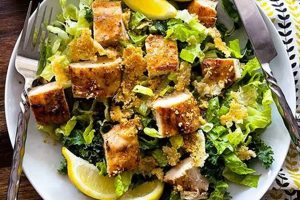
Incorporating canned chicken salad into green salads or grain bowls adds protein and flavor. This elevates a basic salad into a more substantial and satisfying meal. The salad can be used as a topping for mixed greens, quinoa, or brown rice. For instance, a bed of mixed greens topped with chicken salad, avocado, and a light vinaigrette provides a balanced and nutritious meal. This application offers a refreshing and customizable approach to incorporating chicken salad.
- Stuffed Vegetables:
Canned chicken salad can be used as a stuffing for vegetables like tomatoes, bell peppers, or avocados. This adds a flavorful and protein-rich element to roasted or grilled vegetables. For example, halved bell peppers filled with chicken salad and baked offer a visually appealing and nutritious meal. This application provides a creative and satisfying way to consume both chicken salad and vegetables.
- Snacks and Appetizers:
Canned chicken salad serves as a convenient and protein-rich snack or appetizer. Served with crackers, vegetables, or on small slices of bread, it provides a satisfying option between meals or as a light starter. For example, serving chicken salad with whole-grain crackers and sliced cucumber offers a balanced and refreshing snack. This application provides a healthier alternative to processed snacks.
These diverse applications highlight the adaptability of healthy canned chicken salad recipes, making them a practical and sustainable component of a balanced diet. This versatility contributes to long-term adherence to healthy eating patterns by providing variety and convenience, enhancing the overall appeal of nutrient-rich ingredients. By exploring these various culinary contexts, individuals can maximize the nutritional benefits of canned chicken salad while enjoying a range of flavorful and satisfying meals.
Frequently Asked Questions
This section addresses common inquiries regarding healthy canned chicken salad recipes, providing concise and informative responses.
Question 1: How can sodium content be minimized in canned chicken salad?
Opting for chicken packed in water and rinsing it thoroughly before use significantly reduces sodium content. Additionally, minimizing the use of high-sodium condiments and seasonings further contributes to sodium reduction.
Question 2: What are suitable alternatives to mayonnaise for a healthier version?
Greek yogurt, plain hummus, and mashed avocado offer healthier alternatives to mayonnaise, providing creaminess and flavor while reducing saturated fat and boosting nutritional value.
Question 3: How can added sugars be avoided in canned chicken salad recipes?
Utilizing naturally sweet ingredients like grapes, apples, or dried cranberries eliminates the need for added sugars while enhancing flavor and providing additional nutrients.
Question 4: How long can canned chicken salad be safely stored in the refrigerator?
Properly stored in an airtight container, canned chicken salad typically remains safe to consume for three to five days in the refrigerator. Spoilage indicators include off-odors or changes in texture.
Question 5: Can canned chicken salad be frozen?
While freezing is possible, it’s generally not recommended. Freezing can negatively impact the texture and consistency of the salad, particularly if mayonnaise-based dressings are used.
Question 6: How can canned chicken salad be incorporated into a balanced diet?
Canned chicken salad can be a valuable component of a balanced diet when prepared with nutrient-rich ingredients and consumed in moderation. Pairing it with whole grains, fruits, and vegetables creates a complete and nutritious meal.
Understanding these key aspects of healthy canned chicken salad preparation promotes informed choices that support individual health goals. Careful ingredient selection and proper storage techniques maximize both nutritional value and food safety.
Further exploration of recipe variations and nutritional information can enhance one’s ability to create customized and healthful meals.
Conclusion
Healthy canned chicken salad recipes offer a convenient and nutritious meal option. Prioritizing lean protein sources, incorporating fiber-rich vegetables, and opting for healthier binders like Greek yogurt or hummus contribute to a balanced nutritional profile. Minimizing fat content through ingredient selection and mindful preparation methods further enhances health benefits. Flavorful combinations, achieved through the strategic use of herbs, spices, and textural variety, ensure palatability and encourage continued consumption. The versatility of these recipes allows for seamless integration into diverse dietary patterns and meal formats.
The exploration of healthy canned chicken salad recipes reveals a path toward convenient and nutritious meal preparation. Emphasis on ingredient quality, mindful preparation techniques, and flavorful combinations elevates this simple dish into a versatile and healthful option. Further experimentation with diverse ingredients and flavor profiles offers continued opportunities to personalize and optimize nutritional intake within the context of convenient meal solutions.