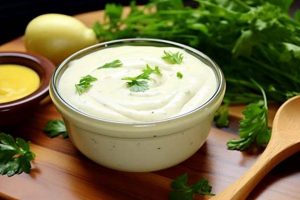
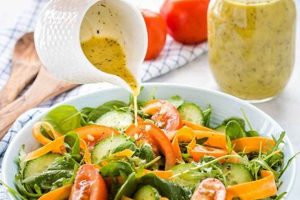
A culinary creation combining the tangy richness of Greek yogurt with the savory, herbaceous flavors of traditional ranch dressing, this type of dressing offers a lighter, protein-packed alternative to mayonnaise-based versions. Typically, it involves blending Greek yogurt with herbs like dill, parsley, chives, and spices like garlic powder, onion powder, and black pepper. Lemon juice or vinegar adds brightness, and buttermilk or milk can be incorporated for desired consistency.
This healthier rendition provides a creamy texture and satisfying flavor profile while significantly reducing fat and calories compared to classic ranch. The high protein content of Greek yogurt contributes to satiety, making it a more nutritious choice. This adaptation aligns with growing consumer interest in healthier eating habits and seeking alternatives to traditional, high-calorie condiments. Its versatility extends beyond salads, offering a flavorful dip for vegetables, a spread for sandwiches, or a topping for baked potatoes.
The following sections delve into specific formulations, exploring variations in ingredients, methods, and nutritional information for crafting this healthful and flavorful dressing.
Tips for Crafting Exceptional Yogurt-Based Ranch Dressing
Achieving optimal flavor and texture requires attention to detail. The following tips offer guidance for creating a superior dressing.
Tip 1: Use High-Quality Greek Yogurt: Opt for plain, full-fat Greek yogurt for the richest, creamiest results. Low-fat or non-fat varieties can result in a thinner, less satisfying dressing.
Tip 2: Fresh Herbs Elevate Flavor: Freshly chopped dill, parsley, chives, and cilantro significantly enhance the flavor profile compared to dried herbs.
Tip 3: Balance Tanginess: A combination of lemon juice and apple cider vinegar provides a balanced tang. Taste and adjust accordingly, adding more vinegar for increased sharpness.
Tip 4: Garlic and Onion Powder for Depth: These pantry staples add savory depth. Freshly minced garlic and onion can be used, but may overpower the delicate herb flavors.
Tip 5: Control Consistency: Start with a thicker consistency. Buttermilk or milk can be gradually added to achieve the desired thickness.
Tip 6: Seasoning is Key: Salt and freshly ground black pepper are essential for enhancing the overall flavor profile. Adjust seasoning incrementally until the desired taste is achieved.
Tip 7: Proper Chilling Enhances Flavor: Allow the dressing to chill for at least 30 minutes before serving. This allows the flavors to meld and develop fully.
By following these tips, one can create a flavorful, healthier ranch dressing that complements a variety of dishes.
These insights provide a foundation for crafting exceptional dressings, leading to a more fulfilling culinary experience.
1. Ingredients

Ingredient selection significantly influences the flavor profile, texture, and nutritional value of a Greek yogurt ranch salad dressing. Careful consideration of each component contributes to the overall quality and character of the final product. The following facets highlight key ingredient categories and their impact.
- Dairy Base
The foundation of this dressing lies in the choice of dairy. Greek yogurt provides a tangy, creamy base with a higher protein content compared to traditional mayonnaise or sour cream. The fat content of the yogurt influences the richness and texture of the dressing. Full-fat Greek yogurt contributes to a creamier consistency, while low-fat options create a lighter dressing. The quality of the yogurt directly affects the final taste.
- Herbs and Spices
Fresh herbs like dill, parsley, chives, and mint provide the characteristic herbaceous notes of ranch dressing. The balance and combination of these herbs allow for customization of flavor profiles. Dried herbs can be substituted, though they typically offer a less intense flavor. Spices such as garlic powder, onion powder, black pepper, and dried dill weed contribute savory depth and complexity.
- Acidic Elements
Acidity balances the richness of the dairy and brightens the overall flavor profile. Lemon juice or vinegar, such as white wine vinegar, apple cider vinegar, or even a touch of red wine vinegar, are commonly used. The type and amount of acid influence the tanginess of the final dressing.
- Additional Flavor Enhancers
Further nuances in flavor can be achieved through the addition of ingredients like Worcestershire sauce, Dijon mustard, or a pinch of sugar. These elements add complexity and depth to the overall flavor profile. Worcestershire sauce contributes umami notes, while Dijon mustard adds a subtle tang.
Harmonious interplay among these ingredient categories results in a balanced and flavorful Greek yogurt ranch dressing. The selection and proportion of each component offer flexibility in creating dressings ranging from classic to innovative variations.
2. Proportions
Proportions play a crucial role in determining the final texture, flavor balance, and overall quality of a Greek yogurt ranch salad dressing. The ratio of ingredients influences the dressing’s thickness, tanginess, herb intensity, and richness. A proper balance creates a harmonious blend of flavors, while incorrect proportions can lead to a dressing that is too thick, too thin, excessively tangy, or bland. For example, an overabundance of Greek yogurt may result in a bland dressing lacking herbaceous notes, while too much lemon juice can create an excessively tart flavor. Conversely, insufficient yogurt may yield a watery consistency, and a scarcity of herbs can diminish the characteristic ranch flavor.
Consider a standard recipe as a foundation. This typically involves a larger proportion of Greek yogurt as the base, followed by smaller, balanced amounts of herbs, spices, and acidic elements. Adjustments can then be made based on individual preferences. Increasing the amount of dill will amplify its presence in the final product. Likewise, reducing the amount of lemon juice will result in a milder tang. Modifying proportions allows for customization while adhering to basic principles of balance. Practical application involves starting with a base recipe and incrementally adjusting ingredient amounts until the desired flavor profile is achieved.
Understanding the impact of ingredient proportions empowers one to create a customized Greek yogurt ranch salad dressing tailored to specific tastes. It allows for consistent results and informed adjustments based on desired outcomes. Mastering proportional balance enhances the overall culinary experience, ensuring a delicious and satisfying final product. This knowledge also facilitates creative exploration, enabling the development of unique variations while maintaining the fundamental elements of a successful dressing.
3. Preparation Method

Preparation method significantly influences the final texture, emulsification, and flavor development of a Greek yogurt ranch salad dressing. Different techniques yield distinct results, impacting the overall sensory experience. Understanding these methods allows for informed choices based on desired outcomes.
- Whisking
Whisking, a fundamental technique, involves vigorously combining ingredients using a whisk or fork. This method is ideal for incorporating dry ingredients into the yogurt base and emulsifying the acidic components. Whisking creates a lighter, airier texture, suitable for dressings intended for immediate consumption. However, it may not fully incorporate denser ingredients or create as stable an emulsion as other methods.
- Blending
Blending, typically using an immersion blender or a traditional blender, offers a more thorough incorporation of ingredients, resulting in a smoother, more homogenous texture. Blending effectively emulsifies the dressing, creating a stable mixture less prone to separation. This method is particularly useful for incorporating fresh herbs and creating a creamy, evenly distributed dressing. However, over-blending can incorporate excess air, potentially affecting the desired consistency.
- Food Processor
Using a food processor offers similar benefits to blending, creating a smooth, well-emulsified dressing. The high-speed processing ensures uniform distribution of ingredients, particularly effective for incorporating larger quantities or denser components. Food processors are also efficient for creating larger batches of dressing. However, as with blending, careful monitoring of processing time prevents over-incorporation of air and maintains the desired texture.
- Resting and Chilling
Regardless of the initial preparation method, allowing the dressing to rest and chill in the refrigerator for a period after mixing is crucial for flavor development. This resting period allows the ingredients to meld, enhancing the overall flavor profile and allowing the herbs to infuse the yogurt base. Chilling also improves the consistency and stability of the dressing, especially those prepared by whisking.
Selecting the appropriate preparation method, combined with adequate resting and chilling time, contributes significantly to the quality and sensory appeal of the Greek yogurt ranch salad dressing. The chosen method influences texture, stability, and flavor development, ultimately impacting the overall culinary experience.
4. Flavor Profile

Flavor profile constitutes a critical aspect of any Greek yogurt ranch salad dressing recipe. A successful recipe hinges on a harmonious balance of key flavor components: tanginess, creaminess, herbaceousness, and savory depth. These elements interact synergistically to create a complex and palatable experience. Tanginess, derived from the Greek yogurt and acidic elements like lemon juice or vinegar, provides brightness and cuts through the richness of the dairy. Creaminess, contributed by the Greek yogurt itself, delivers a smooth, luxurious mouthfeel. Herbaceousness, imparted by fresh herbs such as dill, parsley, chives, and cilantro, adds freshness and aromatic complexity. Savory depth, achieved through the inclusion of spices like garlic powder, onion powder, and black pepper, rounds out the flavor profile and provides a grounding element. Imbalance in any of these components can detract from the overall enjoyment. For instance, excessive tanginess can make the dressing overly sharp, while insufficient herbaceousness can result in a bland, one-dimensional flavor.
Real-world examples illustrate the practical significance of flavor profile considerations. A dressing intended for a delicate salad featuring fresh greens and light vegetables might benefit from a milder flavor profile, emphasizing herbaceousness and creaminess while minimizing tanginess. Conversely, a dressing accompanying a heartier salad with roasted vegetables or grilled meats could benefit from a bolder flavor profile, featuring more pronounced tanginess and savory depth. Furthermore, individual preferences play a significant role. Some individuals may prefer a more pronounced dill flavor, while others might favor a greater emphasis on chives or parsley. Understanding these nuances allows for recipe customization and ensures a satisfying culinary outcome. Achieving a desirable flavor profile often involves experimentation and incremental adjustments to ingredient proportions. Taste testing throughout the preparation process provides valuable feedback and guides informed decision-making.
Mastery of flavor profile principles allows for the creation of Greek yogurt ranch salad dressings tailored to specific culinary applications and individual preferences. Careful consideration of the interplay between tanginess, creaminess, herbaceousness, and savory depth ensures a balanced and enjoyable final product. This understanding empowers individuals to move beyond basic recipes and explore creative variations, leading to a more nuanced and rewarding culinary experience. Challenges may arise in balancing these components, but informed adjustments guided by taste and experience invariably lead to a successful and satisfying outcome.
5. Nutritional Value

Nutritional value represents a significant advantage of Greek yogurt-based ranch dressings compared to traditional counterparts. Understanding the nutritional composition allows for informed dietary choices and highlights the health benefits associated with this alternative.
- Reduced Fat and Calories
Substituting Greek yogurt for mayonnaise or sour cream significantly reduces the fat and calorie content. This reduction is particularly relevant for individuals managing weight or adhering to low-fat dietary guidelines. For example, a typical mayonnaise-based ranch dressing can contain upwards of 100 calories and 10 grams of fat per serving, while a Greek yogurt-based version can contain as little as 30 calories and 2 grams of fat per serving. This difference allows for greater portion sizes and reduces overall caloric intake without sacrificing flavor.
- Increased Protein Content
Greek yogurt’s high protein content contributes to satiety and supports muscle maintenance and growth. This increased protein distinguishes Greek yogurt-based dressings from traditional options, offering a more nutritionally complete condiment. The added protein can contribute to a feeling of fullness, potentially reducing overall food consumption. This aspect is particularly beneficial for individuals following high-protein diets or seeking to increase their protein intake.
- Source of Calcium and Probiotics
Greek yogurt provides a valuable source of calcium, essential for bone health, and often contains beneficial probiotics, which support gut health. These added nutritional benefits further differentiate Greek yogurt-based dressings from traditional alternatives. The probiotics present in some Greek yogurts can contribute to a healthy gut microbiome, potentially improving digestion and overall well-being. While the amount of probiotics varies depending on the brand of yogurt, their presence offers an added health advantage.
- Customization for Dietary Needs
The versatility of Greek yogurt-based ranch dressings allows for customization based on individual dietary needs and preferences. Ingredients can be adjusted to accommodate specific restrictions, such as low-sodium or dairy-free diets. For example, using low-sodium spices and herbs allows individuals monitoring sodium intake to enjoy the dressing without compromising their dietary goals. Similarly, substituting dairy-free yogurt alternatives enables those with lactose intolerance to partake in this healthier option.
The nutritional advantages of Greek yogurt-based ranch dressings offer a compelling reason for their inclusion in a health-conscious diet. From reduced fat and calories to increased protein and potential probiotic benefits, this alternative provides a more nutritious and satisfying option compared to traditional ranch dressings. These benefits, combined with the versatility and customizable nature of the recipe, make it a valuable addition to a wide range of dietary plans and individual preferences.
Frequently Asked Questions
This section addresses common inquiries regarding the preparation, storage, and utilization of Greek yogurt-based ranch salad dressings.
Question 1: How long can this dressing be stored in the refrigerator?
Properly stored in an airtight container, the dressing typically remains fresh for up to five days in the refrigerator. Visual inspection and aroma assessment are recommended before consumption after this period.
Question 2: Can ingredients be substituted for dietary restrictions?
Customization for dietary restrictions is readily achievable. Dairy-free yogurt alternatives, low-sodium spices, and gluten-free vinegar options facilitate adaptation for various needs. Flavor adjustments may be necessary based on substitutions.
Question 3: What causes separation in the dressing and how can it be prevented?
Separation can occur due to ingredient density differences and temperature fluctuations. Thorough emulsification through blending or processing helps prevent separation. Gentle whisking before serving can recombine separated layers.
Question 4: Can the dressing be used for purposes other than salad dressing?
Versatility extends beyond salads. The dressing serves as a flavorful dip for vegetables, a spread for sandwiches and wraps, or a topping for baked potatoes and grilled meats.
Question 5: How can the thickness of the dressing be adjusted?
Thickness can be modified by adding small amounts of milk or buttermilk for a thinner consistency. For a thicker dressing, straining the yogurt through cheesecloth reduces excess whey.
Question 6: Does the dressing freeze well?
While freezing is possible, texture changes may occur upon thawing. The dressing remains safe to consume, but may exhibit a slightly less smooth consistency. Refreshing the herbs upon thawing can enhance the flavor profile.
Understanding these aspects facilitates confident preparation, storage, and enjoyment of this versatile and healthful condiment.
Further exploration of specific recipe variations and culinary applications follows in the subsequent sections.
Greek Yogurt Ranch Salad Dressing Recipe
Exploration of Greek yogurt ranch salad dressing recipes reveals a versatile and healthful alternative to traditional mayonnaise-based dressings. Analysis of ingredient selection, proportional balance, preparation methods, and flavor profile dynamics underscores the potential for customization and culinary creativity. Nutritional advantages, including reduced fat and calories, increased protein content, and potential probiotic benefits, position this dressing as a valuable component of a balanced diet. Addressing common inquiries regarding storage, adaptability, and alternative applications further solidifies its practical value in contemporary culinary practices.
The confluence of culinary artistry and nutritional awareness underscores the significance of Greek yogurt ranch salad dressing recipes in promoting healthier eating habits without compromising flavor or versatility. Continued exploration and refinement of these recipes promise further innovation and broader adoption within the evolving landscape of food preparation and consumption.