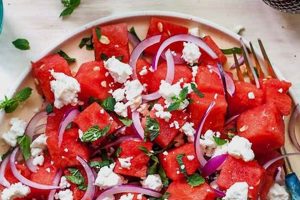
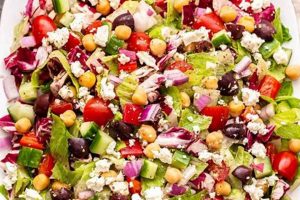
A vibrant and flavorful dish typically combines creamy feta cheese, earthy roasted or pickled beetroot, and often other complementary ingredients such as leafy greens, walnuts, citrus segments, or a vinaigrette dressing. Variations exist, showcasing diverse culinary influences through the incorporation of herbs like mint or dill, or the addition of ingredients like red onion or cucumber. This dish represents a balanced combination of textures and tastes, from the salty tang of the cheese to the sweetness of the beet.
The popularity of this salad stems from several factors, including its nutritional value and relative ease of preparation. Beetroot is a rich source of nitrates, which are beneficial for cardiovascular health, and antioxidants, known for their cell-protective properties. Feta cheese provides calcium and protein. Furthermore, the dish’s versatility makes it suitable for various occasions, from light lunches and side dishes to components of more elaborate meals. Its visually appealing presentation adds to its attractiveness, with the deep red of the beetroot contrasting beautifully with the white of the feta and the green of any accompanying leaves.
This exploration will further delve into various aspects of this culinary creation, examining specific recipe variations, nutritional benefits, and practical tips for preparation and presentation. It will also discuss the historical and cultural contexts that may have contributed to the enduring appeal of this classic salad.
Tips for a Perfect Feta and Beetroot Salad
Creating a truly exceptional salad involves attention to detail in ingredient selection, preparation, and presentation. These tips offer guidance for achieving optimal flavor and visual appeal.
Tip 1: Beetroot Preparation: Roasting beetroot intensifies its sweetness and earthy flavor, offering a preferable alternative to boiling, which can dilute the taste. Ensure thorough washing and trimming before roasting.
Tip 2: Feta Selection: Opt for high-quality feta cheese packed in brine for optimal freshness and flavor. Crumble the feta rather than slicing for better distribution throughout the salad.
Tip 3: Balancing Flavors: The sweetness of beetroot is effectively balanced by the saltiness of feta. A touch of acidity, such as a squeeze of lemon juice or a splash of red wine vinegar, enhances the flavor profile.
Tip 4: Complementary Ingredients: Consider incorporating elements that complement the core ingredients. Toasted walnuts or pecans offer textural contrast and a nutty flavor, while fresh mint or dill provide a herbaceous lift.
Tip 5: Dressing Choices: A simple vinaigrette made with olive oil, lemon juice, and a touch of Dijon mustard complements the flavors of the salad without overpowering them. Avoid heavy, creamy dressings.
Tip 6: Presentation Matters: Arrange the salad components thoughtfully for an appealing presentation. Consider layering the ingredients or creating a visually pleasing arrangement on the plate.
Tip 7: Timing is Key: Dress the salad just before serving to prevent the leaves from wilting and the beetroot from staining the other ingredients.
By following these tips, one can elevate this simple salad into a culinary masterpiece that satisfies both the palate and the eye.
With an understanding of these key elements, the next section explores various recipe variations for further inspiration and customization.
1. Ingredient Quality

Ingredient quality significantly impacts the overall flavor, texture, and nutritional value of a feta and beetroot salad. Selecting superior ingredients elevates this simple dish from ordinary to extraordinary. Careful consideration of each component ensures a delightful culinary experience.
- Freshness of Produce:
Fresh beetroot offers a vibrant color, crisp texture, and optimal sweetness. Look for firm beets with smooth skins and no signs of bruising or wilting. Fresh, crisp greens contribute to a pleasant textural contrast and enhance the salad’s nutritional value. Wilted or damaged produce negatively impacts both flavor and presentation.
- Feta Cheese Selection:
Authentic feta cheese, traditionally made from sheep’s milk or a blend of sheep and goat’s milk, provides a distinct tangy and salty flavor. Choosing high-quality feta stored in brine preserves its freshness and creamy texture. Avoid pre-crumbled feta, which can be drier and less flavorful.
- Supporting Ingredients:
Nuts, such as walnuts or pecans, should be fresh and flavorful, not rancid or stale. Fresh herbs, like mint or dill, offer bright, aromatic notes that enhance the overall sensory experience. Using high-quality olive oil for the vinaigrette contributes to a richer, more nuanced flavor profile.
- Seasonality:
Whenever possible, opting for seasonal ingredients can enhance the salad’s flavor. Beetroot is typically at its peak during the cooler months, while fresh herbs are abundant in spring and summer. Considering seasonality promotes optimal flavor and supports local agriculture.
By prioritizing ingredient quality, one ensures a feta and beetroot salad that not only tastes exceptional but also provides optimal nutritional benefits. The interplay of fresh, high-quality components creates a harmonious balance of flavors and textures, resulting in a truly satisfying culinary experience.
2. Flavor Balance

Flavor balance is paramount in a successful feta and beetroot salad recipe. The inherent sweetness of beetroot necessitates careful consideration of other ingredients to prevent an overly sugary profile. Achieving harmony among contrasting flavorssweet, salty, tangy, and earthyis crucial for a delightful culinary experience. This balance elevates the salad beyond a simple combination of ingredients, transforming it into a cohesive and satisfying dish.
- Sweetness of Beetroot:
Beetroot’s natural sweetness forms the foundation of the flavor profile. Roasting intensifies this sweetness, while boiling may dilute it. The degree of sweetness can also vary depending on the beetroot variety and growing conditions. This foundational sweetness must be balanced by other contrasting flavors.
- Saltiness of Feta:
Feta cheese provides the essential salty counterpoint to the beetroot’s sweetness. The intensity of the feta’s saltiness can vary depending on the brand and milk source. Proper portioning of feta ensures a balanced flavor profile, preventing the salad from becoming overly salty or sweet.
- Acidity as a Bridge:
An acidic element, such as lemon juice or red wine vinegar, bridges the gap between the sweet and salty components. Acidity brightens the flavors, cutting through the richness of the cheese and beetroot. It also adds a refreshing dimension to the salad.
- Earthy and Herbaceous Notes:
Earthy notes from the beetroot itself are complemented by the addition of other ingredients. Toasted walnuts or pecans contribute an earthy, nutty flavor and textural contrast. Fresh herbs, like mint or dill, provide a refreshing lift and complexity, enhancing the overall sensory experience.
The interplay of these flavor components is essential for a well-balanced feta and beetroot salad. The sweetness of the beetroot, the saltiness of the feta, the brightness of the acidity, and the earthiness of the nuts and herbs create a harmonious flavor profile. Careful consideration of these elements ensures a delicious and satisfying culinary creation.
3. Beetroot Preparation
Beetroot preparation methods significantly influence the final flavor and texture profile of a feta and beetroot salad. The chosen technique impacts not only the beetroot’s sweetness and earthiness but also its visual appeal within the salad. Careful consideration of preparation methods ensures the beetroot complements the other ingredients harmoniously.
- Roasting:
Roasting beetroot intensifies its natural sweetness and concentrates its earthy flavors. This method caramelizes the sugars, resulting in a richer, more complex taste. Roasted beetroot also holds its shape well, adding visual appeal to the salad. The dry heat of the oven creates a slightly firm texture that contrasts nicely with the creamy feta. Roasting is often considered the preferred method for salads.
- Boiling:
Boiling beetroot is a quicker cooking method, but it can leach out some of the color and sweetness, resulting in a less intense flavor. Boiled beetroot has a softer texture than roasted beetroot, which may not be as desirable in a salad context. However, boiling simplifies the peeling process.
- Pickling:
Pickled beetroot offers a tangy, acidic counterpoint to the other ingredients. The pickling process preserves the beetroot and adds a vibrant, magenta hue. Pickled beetroot provides a textural and flavorful contrast to both the feta and any other fresh vegetables in the salad. The acidity of the pickling liquid can also complement the overall flavor balance of the dish.
- Raw Preparation:
Raw beetroot, while less common in this salad, offers a crisp, earthy flavor and vibrant color. Thinly sliced or grated raw beetroot can add a refreshing crunch. However, raw beetroot has a more pronounced earthy taste that may not appeal to all palates.
The chosen beetroot preparation method contributes significantly to the overall sensory experience of the feta and beetroot salad. Whether roasted for concentrated sweetness, boiled for convenience, pickled for tang, or used raw for a crisp earthiness, the beetroot preparation technique directly impacts the final dish’s flavor, texture, and visual appeal, demonstrating its crucial role in the recipe’s success.
4. Feta Choice

Feta choice significantly impacts the overall success of a feta and beetroot salad recipe. The variety of feta available influences not only the salad’s flavor profile but also its texture and overall sensory experience. Understanding the nuances of different feta types allows for informed decisions that elevate this seemingly simple dish.
Authentic Greek feta, traditionally made from sheep’s milk or a mixture of sheep and goat’s milk, offers a distinct tangy and salty flavor. Its creamy, crumbly texture contrasts beautifully with the earthy beetroot. Cow’s milk feta, often milder and less expensive, can also be used, though it may lack the characteristic tang. Variations in milk source and production methods contribute to differences in saltiness, tanginess, and texture, directly affecting the final salad’s balance. For example, a drier, firmer feta may not integrate as well with the other ingredients, while an excessively salty feta can overpower the beetroot’s sweetness. Aged feta, with its more intense flavor, can add complexity, but requires careful balancing with other components.
The choice of feta also has practical implications. Feta packed in brine retains its moisture and freshness better than vacuum-packed feta. Pre-crumbled feta, while convenient, tends to be drier and less flavorful. Considering these factors ensures the selected feta complements the other ingredients, creating a harmonious and enjoyable culinary experience. Careful feta selection demonstrates an understanding of the interplay of ingredients and contributes to the recipe’s overall success, transforming a simple salad into a carefully crafted dish.
5. Complementary Additions

Complementary additions play a crucial role in elevating the feta and beetroot salad beyond a simple two-ingredient dish. These additions introduce textural contrasts, enhance the flavor profile, and contribute to a more complex and satisfying sensory experience. Strategic incorporation of complementary ingredients transforms the salad into a well-rounded culinary creation.
- Textural Contrasts:
Textural variety enhances the enjoyment of a salad. Crunchy elements provide a counterpoint to the soft feta and beetroot. Toasted nuts, such as walnuts, pecans, or pistachios, offer a satisfying crunch and nutty flavor. Seeds, like sunflower or pumpkin seeds, contribute a delicate crispness. Croutons or toasted bread pieces introduce a different type of crunch. These textural contrasts prevent the salad from becoming monotonous and enhance its overall appeal.
- Flavor Enhancement:
Complementary ingredients enhance the existing flavors and introduce new dimensions to the salad. Fresh herbs, such as mint, dill, or parsley, offer bright, herbaceous notes that complement the earthiness of the beetroot. Citrus segments, like orange or grapefruit, contribute a burst of acidity and sweetness. Red onion adds a pungent bite. These additions create a more complex and nuanced flavor profile.
- Nutritional Enrichment:
Complementary additions can boost the nutritional value of the salad. Leafy greens, such as spinach, arugula, or watercress, contribute vitamins and minerals. Avocado adds healthy fats and a creamy texture. Other vegetables, like cucumber or bell peppers, introduce additional vitamins and antioxidants. These additions create a more nutrient-dense and healthful meal.
- Visual Appeal:
Complementary ingredients enhance the visual appeal of the salad, making it more attractive and appetizing. The vibrant colors of fresh herbs, fruits, and vegetables create a visually stimulating presentation. Careful arrangement of these additions adds to the aesthetic appeal and enhances the overall dining experience.
The careful selection and incorporation of complementary additions demonstrate a thoughtful approach to salad construction. These additions, whether chosen for textural contrast, flavor enhancement, nutritional value, or visual appeal, contribute significantly to the overall success of the feta and beetroot salad, transforming it from a simple dish into a well-balanced and satisfying culinary experience.
6. Dressing Selection
Dressing selection significantly influences the overall balance and enjoyment of a feta and beetroot salad recipe. The dressing acts as a unifying element, binding the individual components while contributing its own distinct flavor profile. A thoughtfully chosen dressing enhances the natural sweetness of the beetroot, the salty tang of the feta, and the other complementary ingredients. An inappropriate dressing, however, can mask these delicate flavors or create an unbalanced taste experience. For instance, a heavy, creamy dressing might overwhelm the fresh flavors of the salad, while a dressing that is too acidic could clash with the tanginess of the feta. A simple vinaigrette, on the other hand, made with high-quality olive oil, a complementary vinegar like red wine or balsamic, and perhaps a touch of Dijon mustard, allows the individual flavors of the salad to shine through while adding a subtle complexity. The choice between a light and tangy vinaigrette or a slightly sweeter, more viscous dressing like a balsamic glaze hinges on the desired balance and the specific ingredients in the salad.
The timing of dressing application also plays a critical role. Adding the dressing too far in advance can cause delicate greens to wilt and the beetroot to bleed its color, resulting in a less visually appealing and texturally satisfying salad. Ideally, the dressing should be added just before serving, ensuring the ingredients remain crisp and vibrant. In cases where advance preparation is necessary, the dressing can be served on the side, allowing diners to dress their individual portions as desired. Understanding the impact of dressing selection extends beyond mere flavor considerations; it encompasses the entire sensory experience, impacting the texture, visual appeal, and overall enjoyment of the salad.
Effective dressing selection demonstrates a thorough understanding of flavor interactions and practical culinary techniques. It elevates the feta and beetroot salad from a simple assemblage of ingredients to a carefully composed dish where each element contributes harmoniously to the whole. The right dressing not only complements the existing flavors but also enhances the overall dining experience, underscoring the significant role this seemingly minor component plays in the success of the recipe.
7. Presentation
Presentation plays a crucial role in the overall enjoyment of a feta and beetroot salad recipe. While flavor and texture are paramount, visual appeal significantly enhances the dining experience. Thoughtful presentation elevates the dish from a simple combination of ingredients to a visually stimulating and appetizing culinary creation. The way the salad is arranged and presented communicates care and attention to detail, impacting perceptions of flavor and quality. This consideration transforms a simple meal into a more engaging and satisfying experience.
- Color and Contrast:
The vibrant colors of a feta and beetroot salad offer a natural advantage for visually appealing presentation. The deep red of the beetroot contrasts beautifully with the stark white of the feta cheese. This inherent contrast can be further amplified by incorporating other colorful elements such as bright green herbs, orange citrus segments, or deep purple onions. Consider the color wheel and aim for a variety of hues to create a visually dynamic presentation. This attention to color enhances the visual appeal and stimulates appetite.
- Plating Techniques:
The choice of servingware and the arrangement of ingredients significantly impact the presentation. A simple white plate provides a clean backdrop that allows the vibrant colors of the salad to stand out. Consider layering the ingredients for added height and texture, or arranging them in a visually pleasing pattern. Avoid overcrowding the plate, allowing for negative space to enhance visual appeal. Techniques like scattering crumbled feta artfully over the beetroot, or creating a ring of contrasting ingredients around a central mound, add visual interest and demonstrate culinary finesse.
- Garnishing:
Garnishes provide the finishing touch, adding a pop of color, flavor, or texture. A sprinkle of chopped fresh herbs, a scattering of toasted nuts, or a drizzle of balsamic glaze can elevate the presentation and enhance the overall sensory experience. Garnishes should be chosen thoughtfully, complementing the existing flavors and colors without overpowering them. A simple sprig of dill, a few toasted walnuts, or a light dusting of black pepper can add a touch of elegance and enhance the perceived value of the dish.
- Context and Occasion:
Presentation considerations should also take into account the context and occasion. A casual weeknight meal might call for a simpler presentation, while a special occasion or dinner party warrants a more elaborate approach. Consider the overall theme and atmosphere when deciding on plating and garnishing techniques. For a buffet setting, individual portions in small glasses or bowls can be an attractive and practical option. For a formal dinner, a more composed and artistic arrangement on individual plates might be preferred. Adapting the presentation to the context ensures a harmonious and appropriate dining experience.
By considering these elements of presentationcolor and contrast, plating techniques, garnishing, and contextone can transform a feta and beetroot salad from a simple dish into a visually stunning and memorable culinary experience. Attention to presentation not only enhances the aesthetic appeal but also communicates care and attention to detail, elevating the perceived value and overall enjoyment of the meal. This attention to detail demonstrates a commitment to culinary excellence that extends beyond flavor and encompasses the entire sensory experience.
Frequently Asked Questions
This section addresses common inquiries regarding feta and beetroot salad preparation, offering practical guidance for optimal results.
Question 1: Can canned beetroot be used?
While canned beetroot offers convenience, it often lacks the vibrant flavor and firm texture of fresh, roasted beetroot. If using canned beetroot, opt for a variety packed in its natural juices, not in a sugary syrup, and drain thoroughly before adding to the salad.
Question 2: How can the earthiness of beetroot be mitigated?
The earthy flavor of beetroot, while desirable to many, can be balanced by incorporating acidic elements like lemon juice or vinegar. Roasting, rather than boiling, can also help concentrate the sweetness and minimize the earthy notes.
Question 3: What can be substituted for feta cheese?
Goat cheese offers a tangy, albeit slightly different, flavor profile. Soft, salty cheeses like ricotta salata can also provide a similar textural and salty counterpoint to the beetroot.
Question 4: How long can the salad be stored?
Ideally, this salad is best consumed fresh. If storage is necessary, store the beetroot and feta separately from other ingredients and combine just before serving. Dressed salads should be consumed within a few hours to prevent wilting.
Question 5: Is it possible to make this salad vegan?
Vegan feta alternatives, typically made from tofu or nuts, can be substituted for traditional feta. Ensure the chosen alternative offers a comparable salty and tangy flavor profile.
Question 6: How can one prevent beetroot from staining other ingredients?
Adding the beetroot just before serving minimizes staining. Alternatively, coating the beetroot pieces lightly with olive oil can create a barrier and reduce color transfer.
Careful consideration of these frequently asked questions ensures optimal preparation techniques, flavor balances, and ingredient selections for creating a delicious and visually appealing feta and beetroot salad.
The following section offers a collection of varied recipes, demonstrating the versatility of this dish and providing inspiration for culinary exploration.
Feta and Beetroot Salad Recipe
Exploration of this vibrant salad recipe reveals a dish offering a compelling balance of flavor, texture, and nutritional value. From the earthy sweetness of roasted beetroot to the salty tang of feta, each ingredient contributes to a harmonious culinary experience. Careful consideration of preparation methods, complementary additions, and dressing selection elevates this simple combination to a sophisticated dish. The versatility of this recipe allows for adaptation and personalization, accommodating diverse palates and dietary preferences. Emphasis on ingredient quality, flavor balance, and thoughtful presentation underscores the potential for culinary artistry within this seemingly straightforward salad.
This exploration serves as a foundation for further culinary experimentation. The adaptability of the feta and beetroot salad provides a canvas for creative expression, encouraging exploration of diverse flavor profiles and presentation techniques. Its enduring appeal lies in its simplicity, versatility, and capacity to showcase fresh, seasonal ingredients. Continued exploration of this classic combination promises a rewarding culinary journey, highlighting the enduring power of simple ingredients transformed into a delightful gastronomic experience.