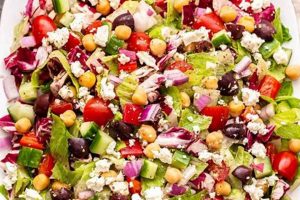
A simple preparation of cooked quinoa combined with other ingredients like vegetables, herbs, and a dressing constitutes a straightforward and nutritious meal or side dish. For instance, a basic version might include cooked quinoa, chopped cucumber, tomatoes, parsley, and a lemon vinaigrette. Variations can incorporate different vegetables, proteins like chickpeas or grilled chicken, fruits, nuts, and a variety of dressings.
Such preparations offer a convenient and healthy option, appealing to those seeking quick, nutritious meals. Quinoa itself is a complete protein source and rich in fiber, contributing to satiety and digestive health. The adaptability of these salads to diverse ingredients and flavors allows for customization based on dietary needs and preferences, supporting versatile meal planning. Historically, quinoa has been a staple food in the Andean region for centuries, and its recent global popularity has led to an increased interest in incorporating it into contemporary cuisine in accessible ways, like these salads.
The following sections will delve into specific component choices, offering guidance on selecting the best ingredients, preparing quinoa properly, creating flavorful dressings, and assembling a balanced and delicious salad.
Tips for Quinoa Salad Success
Creating a satisfying and flavorful quinoa salad involves attention to several key elements. The following tips offer guidance for optimal results.
Tip 1: Rinse the quinoa. Rinsing removes saponins, naturally occurring compounds that can impart a bitter flavor. Place quinoa in a fine-mesh sieve and rinse under cold water for one to two minutes.
Tip 2: Cook quinoa properly. Use a 2:1 ratio of water to quinoa. Bring the water to a boil, add the rinsed quinoa, reduce heat, cover, and simmer for 15-20 minutes, or until all the water is absorbed and the quinoa is cooked through.
Tip 3: Fluff and cool the quinoa. Once cooked, remove the quinoa from heat and fluff with a fork. Spread it on a baking sheet or plate to cool completely before adding other ingredients. This prevents the salad from becoming mushy.
Tip 4: Select complementary ingredients. Consider a balance of flavors and textures. Roasted vegetables, chopped fresh herbs, nuts, seeds, dried fruit, and various cheeses offer diverse options.
Tip 5: Create a vibrant dressing. A well-balanced dressing enhances the overall flavor profile. Experiment with different oils, vinegars, citrus juices, and herbs to create a complementary dressing.
Tip 6: Don’t overdress the salad. Start with a small amount of dressing and add more as needed. Too much dressing can make the salad soggy.
Tip 7: Taste and adjust seasonings. Before serving, taste the salad and adjust seasonings as necessary. A pinch of salt, pepper, or a squeeze of lemon juice can elevate the flavor.
By following these tips, one can consistently achieve a well-balanced, flavorful, and texturally appealing quinoa salad.
The next section offers a selection of specific recipe variations to inspire culinary creativity.
1. Simple Preparation
Simple preparation is a defining characteristic of an easy quinoa salad recipe. The ease of assembly contributes significantly to its appeal as a convenient and healthy meal option. Minimal pre-processing of ingredients, straightforward cooking techniques, and quick combining of components characterize this simplicity. For example, chopping vegetables while the quinoa cooks, whisking together a simple vinaigrette, and then combining all ingredients in a single bowl exemplifies this streamlined approach. This reduces overall cooking time and minimizes cleanup, making it a practical choice for busy individuals or those new to cooking.
The simplicity of preparation also facilitates adaptability and customization. A base recipe can be easily modified based on available ingredients or dietary preferences. Swapping vegetables, adding different protein sources like beans or grilled chicken, or varying the dressing allows for a wide range of flavor profiles without increasing complexity. This flexibility makes it a versatile dish suitable for various occasions, from a quick weeknight dinner to a potluck contribution.
Ultimately, the emphasis on simple preparation ensures that an easy quinoa salad recipe remains accessible and enjoyable. It removes potential barriers to entry for those seeking nutritious and convenient meals. By focusing on straightforward techniques and minimal processing, these recipes prioritize efficiency and ease, reinforcing their value in contemporary cooking.
2. Nutritious Ingredients

Nutritional value is a cornerstone of easy quinoa salad recipes. The inherent nutritional benefits of quinoa, combined with the potential for incorporating a variety of other healthy ingredients, create a dish dense in essential vitamins, minerals, and other beneficial compounds. This focus on nutrition elevates these salads beyond simple convenience, offering a meal that contributes positively to overall well-being.
- Quinoa as a Nutritional Powerhouse
Quinoa itself provides a complete protein, containing all nine essential amino acids. It is also a good source of fiber, iron, and magnesium. These nutrients contribute to satiety, digestive health, and energy levels. The inclusion of quinoa as a base ensures a substantial nutritional foundation for the entire salad.
- Variety of Vegetables
Fresh vegetables contribute vitamins, minerals, and antioxidants. Common additions like cucumbers, tomatoes, bell peppers, and leafy greens offer diverse micronutrients. For instance, bell peppers are rich in vitamin C, while leafy greens provide vitamin K and folate. This variety not only enhances flavor but also broadens the nutritional profile.
- Healthy Fats from Nuts and Seeds
Incorporating nuts and seeds adds healthy fats, protein, and fiber. Options like almonds, walnuts, pumpkin seeds, and sunflower seeds offer beneficial omega-3 fatty acids and contribute to heart health. They also provide texture and flavor complexity.
- Lean Protein Sources
Adding lean protein further enhances the nutritional value. Grilled chicken, fish, beans, lentils, or chickpeas contribute to muscle building and sustained energy. These additions create a more complete and satisfying meal, especially for those following specific dietary plans.
The strategic combination of these nutritious ingredients creates a synergistic effect, maximizing the health benefits of an easy quinoa salad recipe. This allows for a simple yet nutritionally complete meal that supports overall well-being. By focusing on nutrient-rich components, these salads offer a convenient and effective way to incorporate essential nutrients into one’s diet.
3. Versatile Flavor Profiles

Versatility in flavor profiles represents a significant advantage of easy quinoa salad recipes. This adaptability stems from quinoa’s relatively neutral taste, which acts as a blank canvas for a wide range of flavor combinations. The inherent versatility allows for customization based on individual preferences, seasonal ingredient availability, and desired cuisine profiles. This characteristic significantly contributes to the appeal and practicality of these salads as a meal option.
This flavor flexibility manifests in several ways. Different culinary traditions can be readily incorporated. For instance, a Mediterranean-inspired salad might feature Kalamata olives, feta cheese, and a lemon-herb vinaigrette. Alternatively, a Southwest-inspired version could include black beans, corn, avocado, and a lime-cilantro dressing. Seasonal variations are also easily achieved. Spring salads might utilize fresh asparagus and peas, while summer versions could incorporate ripe tomatoes and cucumbers. This adaptability ensures year-round enjoyment and aligns with the increasing emphasis on seasonal eating.
The practical significance of this versatility lies in its ability to cater to diverse dietary needs and preferences. Vegetarian and vegan adaptations are easily achieved by focusing on plant-based proteins and ingredients. Gluten-free diets are readily accommodated due to quinoa’s naturally gluten-free nature. This adaptability makes easy quinoa salad recipes an inclusive option for a wide range of individuals, further solidifying their value as a meal solution. The ability to effortlessly create diverse and appealing flavor combinations contributes to the sustained popularity and enduring relevance of easy quinoa salad recipes in contemporary cuisine.
4. Adaptable to Preferences

Adaptability to individual preferences represents a defining characteristic of the easy quinoa salad recipe. This adaptability stems from the inherent neutrality of quinoa as a base ingredient, allowing for a wide range of customizations without compromising the fundamental simplicity of the dish. This characteristic is crucial for accommodating diverse dietary needs, taste preferences, and ingredient availability, contributing significantly to the recipe’s widespread appeal and practicality.
The adaptability manifests in several key areas. Dietary restrictions, such as vegetarian, vegan, or gluten-free diets, are easily addressed through ingredient substitutions. For example, animal-based proteins can be replaced with legumes or tofu, while ensuring dressings remain free of gluten-containing ingredients. Taste preferences can be catered to through variations in flavor profiles. Those who prefer savory salads might opt for ingredients like roasted vegetables, herbs, and a balsamic vinaigrette. Those with a preference for sweeter profiles might incorporate dried fruits, nuts, and a honey-based dressing. Ingredient availability also plays a role in adaptability. Seasonal produce can be readily incorporated, allowing for fresh and flavorful variations throughout the year. This responsiveness to available ingredients reduces reliance on specific components and promotes flexibility in meal planning.
The practical significance of this adaptability is substantial. It allows the easy quinoa salad recipe to function as a versatile foundation for meal creation, accommodating a range of individual needs and circumstances. This adaptability promotes inclusivity, ensuring the recipe remains accessible to a broad audience. Furthermore, it encourages culinary creativity and experimentation, fostering a sense of ownership and personalization in the cooking process. By recognizing and leveraging the adaptable nature of these recipes, individuals can maximize their nutritional intake while enjoying meals tailored to their specific preferences and circumstances.
5. Quick Cooking Time
Quick cooking time is a defining feature of the easy quinoa salad recipe, contributing significantly to its appeal as a convenient meal option. The minimal time investment required, from preparation to serving, aligns with contemporary lifestyles often characterized by busy schedules and a demand for efficiency in the kitchen. This focus on speed without compromising nutritional value or flavor complexity distinguishes the easy quinoa salad recipe from more elaborate meal preparations.
- Reduced Meal Preparation Time
Quinoa cooks relatively quickly, typically requiring only 15-20 minutes. This short cooking time, compared to other grains like rice or barley, significantly reduces the overall meal preparation time. This efficiency allows for a nutritious and satisfying meal to be assembled in under 30 minutes, making it a practical choice for weeknight dinners or quick lunches. The reduced cooking time also minimizes the need for advanced planning, allowing for spontaneous meal preparation.
- Streamlined Cooking Process
The quick cooking time of quinoa facilitates a streamlined cooking process. While the quinoa cooks, other components of the salad, such as chopping vegetables or preparing a dressing, can be completed simultaneously. This parallel processing further reduces the overall time investment and maximizes efficiency in the kitchen. This streamlined approach also minimizes cleanup, contributing to the convenience factor.
- Preservation of Nutrient Content
The relatively short cooking time of quinoa helps preserve nutrient content. Overcooking can lead to nutrient loss in some foods. Quinoa’s quick cooking time minimizes this risk, ensuring that the maximum nutritional benefit is derived from the grain. This preservation of nutrients contributes to the overall healthfulness of the salad.
- Enhanced Flavor and Texture
Properly cooked quinoa retains a light and fluffy texture. Overcooking can result in a mushy consistency. The quick cooking time helps maintain the desired texture, enhancing the overall palatability of the salad. This attention to texture contributes to a more satisfying and enjoyable eating experience.
The quick cooking time of quinoa is integral to the easy quinoa salad recipe’s value proposition. It addresses the need for convenient and efficient meal preparation without compromising on nutritional value, flavor, or textural appeal. This combination of speed, health, and taste solidifies the easy quinoa salad recipe as a practical and appealing choice in the context of contemporary culinary practices. It exemplifies the potential for creating nutritious and satisfying meals within the constraints of busy modern lifestyles.
Frequently Asked Questions
This section addresses common inquiries regarding the preparation and enjoyment of easy quinoa salad recipes.
Question 1: How can bitterness in quinoa be avoided?
Rinsing quinoa thoroughly under cold water before cooking removes saponins, the naturally occurring compounds responsible for potential bitterness.
Question 2: What is the ideal water-to-quinoa ratio for cooking?
A 2:1 ratio of water to quinoa is generally recommended for optimal cooking results.
Question 3: How can one prevent a mushy texture in quinoa salad?
Cooling cooked quinoa completely before combining it with other ingredients prevents the salad from becoming overly mushy.
Question 4: What are suitable protein additions for a more complete meal?
Options such as chickpeas, grilled chicken, fish, beans, lentils, or tofu complement quinoa and provide additional protein content.
Question 5: How can one ensure a flavorful quinoa salad?
A well-balanced dressing and a variety of fresh herbs, spices, and complementary ingredients contribute significantly to the overall flavor profile.
Question 6: How should leftover quinoa salad be stored?
Refrigeration in an airtight container is recommended for storing leftover quinoa salad, ideally for no more than 3-4 days.
Proper rinsing, cooking, and cooling techniques contribute significantly to the success of a quinoa salad. Attention to ingredient combinations and flavor balance further enhances the overall dining experience.
The following section provides a curated selection of easy quinoa salad recipes.
Easy Quinoa Salad Recipe
Exploration of the easy quinoa salad recipe reveals its multifaceted nature. Simplicity of preparation, nutritional density, flavor versatility, adaptability to preferences, and quick cooking time converge to offer a compelling culinary solution. From rinsing and cooking techniques to ingredient selection and flavor balancing, each aspect contributes to a successful outcome. The adaptability of this recipe to diverse dietary needs and taste preferences underscores its practical value in contemporary kitchens.
The easy quinoa salad recipe represents more than a convenient meal option; it embodies a shift towards mindful eating without sacrificing flavor or enjoyment. Its adaptability encourages culinary exploration, while its nutritional profile supports well-being. Continued exploration of variations and flavor combinations promises an enduring presence in the evolving culinary landscape. This recipe provides a framework for not just a single meal but an approach to cooking that values simplicity, nutrition, and adaptability in an increasingly complex world.