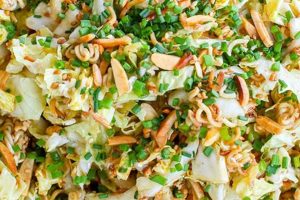
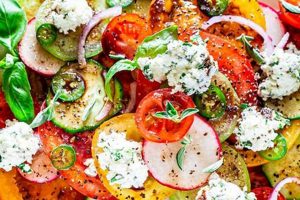
Combinations of raw fennel, thinly sliced or shaved, with complementary ingredients form the foundation of these culinary creations. A simple preparation might involve fennel, olive oil, lemon juice, and salt, while more complex versions incorporate diverse elements like oranges, Parmesan cheese, olives, or other vegetables and herbs. Such preparations offer a refreshing and flavorful contrast to heavier dishes.
The distinctive anise-like flavor of fennel lends a unique character to these dishes, stimulating the palate and offering a refreshing counterpoint to richer flavors. Beyond its culinary appeal, fennel has a history of use in traditional medicine, valued for its purported digestive benefits. Its inclusion in salads contributes not only flavor but also texture and visual appeal, adding a satisfying crunch and vibrant green hue.
Further exploration will reveal a wide array of preparation techniques, ingredient pairings, and serving suggestions for integrating this versatile vegetable into a variety of culinary contexts. From simple everyday meals to elegant presentations, the possibilities are vast and adaptable to diverse tastes and dietary preferences.
Tips for Fennel Salad Preparation
Optimizing flavor and texture requires attention to detail throughout the preparation process. The following tips offer guidance for achieving successful results.
Tip 1: Selecting Fennel: Choose firm bulbs with bright white, unblemished stalks and fresh, feathery fronds. Avoid bulbs with brown spots or signs of bruising.
Tip 2: Slicing Technique: Employing a mandoline or sharp knife ensures uniformly thin slices, crucial for achieving optimal texture and even flavor distribution. A consistent thickness enhances both the visual appeal and the eating experience.
Tip 3: Balancing Flavors: The inherent anise flavor of fennel pairs well with acidic elements. Incorporating citrus juices, such as lemon or orange, brightens the overall taste and balances the licorice notes.
Tip 4: Enhancing Texture: Toasted nuts or seeds contribute a satisfying crunch and complement the crispness of the fennel. Options like pine nuts, walnuts, or sunflower seeds provide textural contrast and additional flavor complexity.
Tip 5: Adding Depth: Incorporating salty elements like olives, capers, or Parmesan cheese enhances the savory notes and adds depth of flavor to the salad. These additions create a more well-rounded and satisfying dish.
Tip 6: Frond Utilization: Reserve the delicate fronds for garnishing or incorporating into the salad itself. Their feathery texture and subtle anise flavor offer a final touch of freshness and visual appeal.
Tip 7: Proper Storage: To maintain optimal crispness, store prepared fennel submerged in ice water until ready to serve. This prevents oxidation and preserves the desired texture.
By following these guidelines, one can create salads that showcase the unique flavor and texture of fennel, resulting in a dish that is both refreshing and visually appealing.
These preparations, adaptable to diverse preferences and culinary contexts, offer a versatile and flavorful addition to any meal.
1. Fresh Fennel Bulbs

Fresh fennel bulbs serve as the foundational ingredient in fennel salad recipes. The quality of the bulb directly impacts the final dish’s flavor, texture, and overall appeal. A fresh bulb offers a crisp, juicy texture and a vibrant anise flavor, essential for a successful salad. Bulbs lacking freshness contribute a diminished, sometimes bitter, taste and a less appealing, softer texture, detracting from the intended culinary experience. Consider a salad featuring thinly shaved fresh fennel alongside orange segments and a light vinaigrette. The fennel’s inherent sweetness and anise notes harmonize with the citrus, creating a refreshing and flavorful combination. Conversely, using a less-than-fresh bulb would compromise the salad’s brightness and introduce undesirable bitterness.
This principle extends beyond simple preparations. Even in complex salads with numerous ingredients, the fennel’s freshness remains crucial. Imagine a salad incorporating roasted vegetables, toasted nuts, and a robust cheese. A fresh fennel bulb provides a contrasting crispness and a distinct flavor that cuts through the richness of the other components. A subpar bulb, however, would become lost among the stronger flavors and textures, failing to contribute its characteristic vibrancy. Selecting fresh fennel ensures the intended flavor profile and textural contrast are achieved, regardless of recipe complexity. One practical application of this understanding lies in ingredient selection at the market. Choosing firm bulbs with vibrant green stalks and no signs of bruising guarantees optimal flavor and texture in the final dish.
The relationship between fresh fennel bulbs and successful fennel salad recipes is undeniable. Prioritizing freshness during ingredient selection ensures the realization of the desired flavor profile, textural complexity, and overall culinary experience. Overlooking this critical element risks compromising the dish’s potential, regardless of the recipe’s complexity or other high-quality ingredients. This underscores the importance of careful ingredient selection as the first step towards a successful culinary outcome. Recognizing indicators of freshness empowers informed choices and elevates the final product, making the difference between a truly delightful salad and a disappointing one.
2. Precise slicing techniques

Precise slicing techniques are essential for optimizing both the texture and flavor delivery of fennel in salads. Uniformity in slice thickness ensures even marinating, consistent cooking (if applicable), and a pleasant mouthfeel. This precision elevates the salad from a simple mix of ingredients to a carefully constructed culinary experience.
- Uniformity of thickness
Consistent thin slices, typically achieved with a mandoline or sharp knife skills, maximize surface area, allowing for greater interaction with dressings and other ingredients. This enhances flavor absorption and ensures that each bite delivers a balanced taste. Uneven slices can result in some pieces being over- or under-dressed, leading to an inconsistent flavor profile.
- Impact on texture
Thinly sliced fennel offers a delicate, almost crisp texture that contrasts pleasantly with other salad components. Thicker slices, while offering more bite, can sometimes be perceived as fibrous or tough, especially in raw applications. The choice of thickness influences the overall mouthfeel and can be adjusted based on the specific recipe and desired outcome. Shaved fennel provides a delicate, almost translucent quality, ideal for light and refreshing salads, whereas slightly thicker slices might be preferred in salads with heartier components.
- Visual appeal
Precise slicing contributes significantly to the aesthetic presentation of the salad. Uniformly sized pieces create a visually appealing arrangement, showcasing the fennel’s natural elegance. This attention to detail elevates the perceived quality of the dish and enhances the dining experience. Consider the difference between a salad with neatly arranged, evenly sliced fennel and one with haphazardly chopped pieces; the former exudes a sense of care and culinary expertise.
- Flavor release
The method of slicing influences the release of fennel’s aromatic compounds. Thinly slicing ruptures more cell walls, releasing more of the characteristic anise flavor. This intensifies the fennel’s presence in the salad and contributes to a more pronounced aromatic experience. Different cutting techniques, such as shaving, slicing, or dicing, can also subtly alter the perceived flavor profile.
Mastery of precise slicing techniques elevates fennel salad preparation beyond mere assembly. It allows for control over flavor infusion, textural nuance, and visual presentation, contributing to a more refined and enjoyable culinary experience. These seemingly minor details significantly impact the final dish, demonstrating the importance of careful technique in achieving optimal results. A well-executed slicing technique enhances the interplay of flavors and textures, creating a cohesive and satisfying culinary composition.
3. Complementary Flavor Pairings

Complementary flavor pairings are essential for maximizing the culinary potential of fennel salad recipes. Fennel’s distinctive anise flavor, while refreshing, necessitates careful consideration of accompanying ingredients to achieve a balanced and harmonious flavor profile. The inherent sweetness and slight licorice notes of fennel create a complex flavor foundation that can be enhanced or muted depending on the chosen pairings. This understanding allows for strategic ingredient selection to create salads that highlight fennel’s unique character while avoiding overpowering or clashing flavors.
Citrus fruits, particularly oranges and grapefruits, provide a classic counterpoint to fennel’s anise notes. The acidity cuts through the richness while the sweetness complements the fennel’s inherent sugars. This pairing exemplifies the principle of balancing contrasting flavors to create a more complex and nuanced taste. Similarly, acidic dressings based on lemon juice or vinegar can brighten the salad and provide a refreshing counterpoint to the fennel’s subtle sweetness. Adding salty elements like olives, feta cheese, or Parmesan further enhances complexity, offering a salty, savory contrast to the fennel and citrus. Herbs such as parsley, dill, or mint can add freshness and aromatic complexity, while toasted nuts or seeds offer textural contrast and complementary flavors, such as the earthiness of walnuts or the nuttiness of pistachios.
Understanding these flavor dynamics empowers culinary creativity and allows for the development of unique and well-balanced fennel salad recipes. Awareness of how various ingredients interact with fennel’s distinct flavor profile is crucial for achieving desired outcomes. This knowledge allows for confident experimentation with different combinations, leading to personalized recipes that cater to individual preferences. Ignoring these flavor interactions can result in unbalanced salads where the fennel’s anise flavor either dominates or clashes with other ingredients, leading to a less satisfying culinary experience. Careful consideration of complementary flavor pairings, therefore, distinguishes a well-crafted fennel salad from a mediocre one.
4. Textural Variety

Textural variety plays a crucial role in elevating fennel salad recipes from simple to sophisticated culinary experiences. The inherent crispness of fennel, while refreshing, benefits from the interplay of contrasting textures to create a more dynamic and satisfying mouthfeel. A multi-textured salad offers a more engaging sensory experience than one with a uniform texture. Understanding how to incorporate textural variety allows for the creation of salads that are not only flavorful but also texturally stimulating.
- Crunchy Elements
Incorporating crunchy elements provides a counterpoint to the fennel’s inherent crispness. Toasted nuts, such as almonds, walnuts, or pine nuts, offer a robust crunch, while seeds, like sunflower or pumpkin seeds, contribute a more delicate crispness. These additions introduce a contrasting textural layer, preventing the salad from feeling monotonous. For example, a fennel salad with candied pecans and crumbled goat cheese offers a compelling interplay of textures.
- Soft Components
Soft ingredients create a textural juxtaposition against the crisp fennel. Elements like creamy cheeses, such as goat cheese, feta, or ricotta, introduce a smooth, yielding texture. Avocado adds a buttery softness, while roasted vegetables can offer a tender contrast. Consider a salad with shaved fennel, roasted beets, and crumbled gorgonzola; the varying textures create a more dynamic and enjoyable eating experience.
- Chewy Inclusions
Chewy ingredients add another dimension of textural complexity. Dried fruits, like cranberries or raisins, offer a concentrated sweetness and a chewy texture. Adding cooked grains, such as quinoa or farro, introduces a slightly chewy element that absorbs the dressing and complements the fennel’s crispness. A fennel and farro salad with toasted walnuts and dried cranberries exemplifies this textural interplay.
- Crisp Contrasts
While fennel itself provides crispness, incorporating other crisp elements can further enhance this characteristic. Thinly sliced apples or pears offer a different type of crispness, while other vegetables like radishes or cucumber contribute their own unique crunch. These additions amplify the refreshing nature of the salad and prevent textural monotony. Imagine a salad with shaved fennel, thinly sliced radish, and segments of orange, all contributing to a vibrant and crisp experience.
Strategic incorporation of these textural elements elevates fennel salad recipes by creating a more engaging and satisfying sensory experience. A well-balanced combination of textures ensures that each bite offers a dynamic interplay of contrasting mouthfeels, enhancing the overall enjoyment of the dish. This attention to textural detail distinguishes a thoughtfully composed salad from a merely adequate one, demonstrating the importance of textural variety in achieving culinary excellence.
5. Balanced Dressings

Balanced dressings are fundamental to successful fennel salad recipes. They provide the crucial link between the individual ingredients, harmonizing flavors and enhancing the overall culinary experience. A well-crafted dressing complements the fennel’s distinctive anise notes without overpowering them, creating a cohesive and flavorful dish. The balance of acidity, sweetness, saltiness, and fattiness in a dressing significantly impacts how the other salad components interact and contribute to the final flavor profile.
- Acidity
Acidity, often derived from citrus juices (lemon, lime, orange) or vinegars (red wine, balsamic, apple cider), provides brightness and cuts through the richness of the fennel and other salad components. The right level of acidity balances the fennel’s subtle sweetness and enhances its anise notes. Too much acidity can overwhelm the delicate flavors, while too little can result in a bland salad. For instance, a lemon vinaigrette with a touch of Dijon mustard provides a sharp counterpoint to the fennel’s sweetness in a salad with shaved fennel, Parmesan, and toasted pine nuts.
- Sweetness
Sweetness, often incorporated through honey, maple syrup, or fruit juices, tempers the acidity and adds depth of flavor. It complements the fennel’s inherent sweetness and creates a more rounded flavor profile. The sweetness should be subtle and balanced, enhancing rather than dominating the other flavors. A light honey-lemon vinaigrette, for example, complements a salad with fennel, apple slices, and walnuts, adding a touch of sweetness that harmonizes with the fruit and nuttiness.
- Saltiness
Saltiness, typically from sea salt or kosher salt, enhances the other flavors in the dressing and brings out the nuances of the fennel and other ingredients. Proper salting is crucial for a well-balanced dressing. Too much salt can overpower the delicate flavors, while too little can leave the salad tasting flat. In a salad with fennel, oranges, and olives, the salt in the dressing enhances the sweetness of the oranges, the brininess of the olives, and the anise notes of the fennel.
- Fattiness
Fattiness, usually from olive oil or other vegetable oils, provides richness and helps to carry the flavors of the dressing. It coats the salad ingredients, allowing the flavors to linger on the palate. The type of oil used can also contribute its own subtle flavor. Extra virgin olive oil, for example, adds a fruity, peppery note to a fennel and grapefruit salad, while a lighter oil like grapeseed oil allows the other flavors to shine through.
The interplay of these four elementsacidity, sweetness, saltiness, and fattinessdetermines the overall character of the dressing and its impact on the fennel salad. A well-balanced dressing enhances the natural flavors of the fennel and other ingredients, creating a harmonious and satisfying culinary experience. The specific balance of these elements can be adjusted to complement the other ingredients in the salad and achieve the desired flavor profile. A dressing that is too acidic, too sweet, too salty, or too oily can detract from the delicate balance of flavors in a fennel salad, emphasizing the importance of careful consideration and precise balancing of these key components.
6. Creative presentation

Creative presentation elevates fennel salad recipes from simple meals to visually appealing culinary experiences. Thoughtful plating enhances the perceived value and enjoyment of the dish, transforming it from mere sustenance to a feast for the senses. Visual appeal stimulates appetite and anticipation, contributing significantly to the overall dining experience. Careful consideration of color, texture, height, and negative space transforms a basic fennel salad into a restaurant-quality presentation.
- Color Dynamics
Strategic use of color enhances visual appeal. Fennel’s vibrant green provides a natural base, allowing for creative combinations with contrasting or complementary colors. Incorporating ingredients like blood oranges, radishes, or roasted beets introduces vibrant hues that create visual interest. A monochromatic presentation, focusing on varying shades of green by combining fennel with avocado and green grapes, can also be visually striking. Understanding color theory and its impact on visual perception allows for the creation of salads that are both appealing and appetizing.
- Textural Contrast
Visual texture enhances the dining experience. Fennel’s delicate fronds offer a feathery texture that contrasts with the smoothness of shaved fennel slices. Incorporating ingredients with varying textures, such as crumbled cheese, toasted nuts, or crispy prosciutto, creates visual depth and interest. The interplay of textures adds another layer of sensory engagement, enhancing the overall appeal of the salad. A salad featuring shaved fennel, crumbled goat cheese, and candied walnuts exemplifies this concept.
- Height and Dimension
Creating height and dimension adds visual drama and prevents the salad from appearing flat and uninteresting. Mounding the fennel salad on a plate, incorporating taller elements like fennel fronds or edible flowers, or layering ingredients creates visual intrigue. This technique adds a sense of artistry and elevates the perceived value of the dish. A salad with a base of shaved fennel topped with a mound of orange segments and a sprinkle of toasted pistachios demonstrates this principle.
- Negative Space
Utilizing negative space, the empty areas on the plate, prevents overcrowding and allows the individual elements to stand out. Strategic placement of ingredients creates visual breathing room and allows the eye to appreciate the composition. This technique enhances the elegance and sophistication of the presentation. A salad with artfully arranged fennel slices, strategically placed segments of grapefruit, and a sprinkle of microgreens exemplifies the effective use of negative space.
These elements of creative presentation, when applied thoughtfully, transform fennel salad recipes into visually stunning culinary creations. Attention to color, texture, height, and negative space elevates the dining experience, stimulating appetite and enhancing enjoyment. This attention to detail demonstrates culinary expertise and transforms a simple salad into a work of art. The presentation becomes an integral part of the culinary experience, demonstrating the power of visual appeal in enhancing enjoyment and appreciation of food. Creative presentation transforms a simple fennel salad into a memorable culinary experience.
Frequently Asked Questions
This section addresses common inquiries regarding fennel salad recipes, offering concise and informative responses to facilitate culinary exploration and understanding.
Question 1: How can the strong anise flavor of fennel be mitigated in salads?
Balancing fennel’s anise flavor involves pairing it with complementary ingredients. Acidity from citrus fruits or vinegars effectively cuts through the licorice notes. Incorporating ingredients with contrasting flavors, like salty cheeses or nuts, further diminishes the perceived intensity of the anise.
Question 2: What are the best methods for preventing fennel from browning after slicing?
Submerging sliced fennel in ice water helps prevent oxidation and maintains its vibrant color. Adding a squeeze of lemon juice to the ice water further inhibits browning and enhances flavor. Minimizing exposure to air is crucial for preserving freshness.
Question 3: Beyond citrus, what other fruits pair well with fennel in salads?
Apples and pears offer complementary textures and subtle sweetness. Stone fruits, like peaches or nectarines, provide a juicy contrast when in season. Dried fruits, such as cranberries or apricots, introduce chewy textures and concentrated sweetness, further enhancing flavor complexity.
Question 4: Can fennel salads be prepared in advance?
While best consumed fresh, components can be prepared ahead of time. Store sliced fennel in ice water and prepare the dressing separately. Combine just before serving to maintain optimal texture and prevent the salad from becoming soggy.
Question 5: What are suitable alternatives to olive oil in fennel salad dressings?
Avocado oil offers a neutral flavor and creamy texture. Grapeseed oil provides a light and clean taste. Walnut oil introduces a nuanced nuttiness that complements fennel’s flavor profile. Selecting alternative oils allows for customization based on individual preferences.
Question 6: How can fennel fronds be utilized in salad preparations?
Beyond garnishing, finely chopped fronds can be incorporated directly into the salad for added flavor and texture. Their delicate anise notes enhance the overall flavor profile, while their feathery texture provides a subtle contrast to the sliced bulb.
Addressing these common inquiries provides a foundation for confident experimentation with fennel salad recipes. Understanding the nuances of ingredient selection, preparation techniques, and flavor pairings empowers culinary creativity and ensures successful outcomes.
Further exploration of specific recipes and variations can broaden culinary horizons and deepen appreciation for the versatility of fennel in salad preparations.
Conclusion
Exploration of fennel salad recipes reveals the potential of this versatile vegetable. Emphasis on fresh fennel bulbs, precise slicing techniques, complementary flavor pairings, textural variety, balanced dressings, and creative presentation ensures successful culinary outcomes. Understanding these elements allows for informed ingredient selection, strategic preparation methods, and a deeper appreciation for the interplay of flavors and textures within these culinary creations.
Culinary experimentation with fennel offers a journey of flavor discovery. The possibilities extend beyond basic preparations, inviting exploration of diverse ingredient combinations and creative presentations. This adaptable vegetable holds significant potential for enriching culinary experiences and expanding gastronomic horizons. Continued exploration promises further appreciation of fennel’s unique characteristics and culinary versatility.