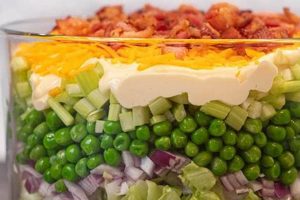
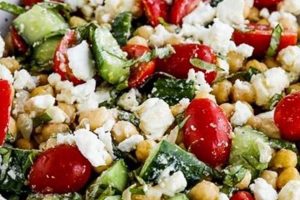
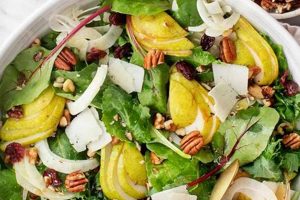
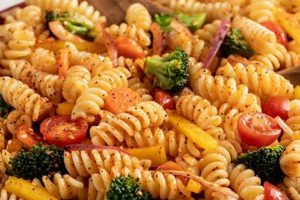
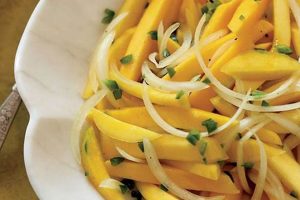
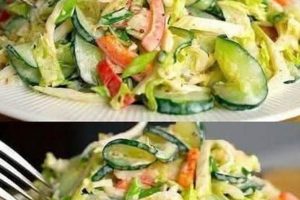
Simple, quick-to-prepare dishes featuring rice as a base, combined with various ingredients like vegetables, proteins, and dressings, constitute a versatile meal option. These dishes often involve minimal cooking time and readily available ingredients, offering a practical solution for lunches, potlucks, or light dinners. For instance, a chilled rice salad might include cooked rice, chopped cucumbers, tomatoes, bell peppers, and a lemon vinaigrette.
Such dishes offer several advantages, including nutritional value from the combination of grains and fresh produce, adaptability to diverse dietary needs and preferences, and convenience due to their straightforward preparation and potential for make-ahead assembly. Historically, rice salads have evolved from simple grain-based dishes to more elaborate preparations, reflecting culinary influences and the increasing availability of diverse ingredients across different cultures.
The following sections will explore specific ingredient combinations, preparation techniques, and variations to guide the creation of flavorful and satisfying rice-based salads.
Tips for Creating Delicious Rice Salads
Achieving optimal flavor and texture in rice salads requires attention to key preparation techniques and ingredient selection. The following tips offer guidance for crafting satisfying and well-balanced dishes.
Tip 1: Rice Selection: Opt for long-grain rice varieties like basmati or jasmine, as they remain separate and fluffy when cooked, preventing a mushy texture. Short-grain rice, typically used for sushi, can become sticky and less suitable for salads.
Tip 2: Proper Rice Cooking: Rinse rice thoroughly before cooking to remove excess starch. Cook rice according to package directions, ensuring it reaches a tender yet firm consistency. Overcooked rice can lead to a less appealing texture in the final salad.
Tip 3: Cooling the Rice: Allow cooked rice to cool completely before adding other ingredients. This prevents the vegetables from wilting and maintains the desired salad temperature.
Tip 4: Vegetable Variety: Incorporate a colorful array of vegetables to enhance both flavor and visual appeal. Consider crisp options like cucumbers, bell peppers, carrots, and celery. Blanching certain vegetables, such as green beans or broccoli, can improve their texture and color retention.
Tip 5: Protein Enhancement: Boost the nutritional value and satiety of the salad by adding protein sources like grilled chicken, shrimp, chickpeas, or tofu. Ensure proteins are cooked and cooled before combining with other ingredients.
Tip 6: Flavorful Dressings: A well-balanced dressing is crucial for a flavorful salad. Vinaigrettes made with olive oil, lemon juice, or vinegar, combined with herbs and spices, offer a refreshing and light option. Creamy dressings, like those based on yogurt or mayonnaise, can provide a richer flavor profile.
Tip 7: Fresh Herbs and Spices: Enhance the flavor profile with fresh herbs like parsley, cilantro, or mint. Spices such as cumin, coriander, or paprika can add depth and complexity.
By following these guidelines, one can consistently produce rice salads that are both delicious and visually appealing. Attention to detail in rice preparation, ingredient selection, and dressing choice ensures a satisfying culinary experience.
The following section will provide specific recipe examples showcasing these principles in action.
1. Quick Cooking Time

Quick cooking time represents a cornerstone of easy rice salad recipes. This attribute contributes significantly to the overall ease and convenience of preparation, making such dishes a practical choice for various meal occasions. The ability to prepare a satisfying meal within a limited timeframe stems largely from the efficient cooking of the foundational ingredient: rice. Pre-cooked or quick-cooking rice varieties further expedite the process, enabling assembly in minutes. For instance, utilizing leftover rice from a previous meal drastically reduces preparation time, transforming a simple rice salad into a truly effortless dish.
The impact of quick cooking time extends beyond mere convenience. It allows for greater flexibility in meal planning, particularly for those with busy schedules. A quickly assembled rice salad provides a nutritious and flavorful meal option without requiring extensive time commitment in the kitchen. Furthermore, quick cooking time facilitates spontaneous meal preparation, ideal for unexpected guests or last-minute lunches. The ability to combine readily available ingredients with quickly cooked rice contributes to the versatility and adaptability of these recipes.
In summary, quick cooking time serves as a defining characteristic of easy rice salad recipes. This feature promotes accessibility, making these dishes a practical choice for individuals seeking convenient and flavorful meal options. The reduced time commitment allows for greater flexibility in meal planning and encourages culinary creativity by enabling the effortless combination of diverse ingredients. Understanding the importance of quick cooking time unlocks the full potential of easy rice salad recipes as a versatile and satisfying culinary solution.
2. Versatile Ingredients
Versatility in ingredient selection defines the adaptability and widespread appeal of easy rice salad recipes. This characteristic allows for customization based on dietary restrictions, taste preferences, and ingredient availability. The foundational component, rice, acts as a neutral base, readily accepting diverse flavors and textures. This inherent neutrality allows for a broad spectrum of ingredient pairings, ranging from fresh vegetables and herbs to proteins and cheeses. For example, a Mediterranean-inspired rice salad might incorporate olives, feta cheese, and cucumbers, while an Asian-inspired variation could include edamame, shredded carrots, and a sesame-ginger dressing. This adaptability extends to dietary accommodations; vegetarian or vegan versions easily substitute plant-based proteins like tofu or chickpeas. The practical implication of ingredient versatility is the reduction of meal planning complexity. Utilizing readily available ingredients or repurposing leftovers simplifies the cooking process, aligning with the core principle of ease and convenience.
The connection between versatile ingredients and easy rice salad recipes extends beyond mere convenience. It fosters culinary creativity, encouraging experimentation with flavor profiles and textures. Seasonal variations become readily achievable. A summer rice salad might highlight fresh tomatoes and basil, while a fall version could incorporate roasted butternut squash and cranberries. This flexibility also contributes to reducing food waste. Leftover cooked vegetables or proteins can be seamlessly integrated into a rice salad, minimizing waste and maximizing resource utilization. Furthermore, the ability to cater to diverse palates within a single dish makes rice salads an ideal option for potlucks or family meals. One can easily create separate batches with varying ingredients, addressing individual preferences without compromising on ease of preparation.
In conclusion, ingredient versatility is integral to the concept of easy rice salad recipes. This attribute empowers culinary customization, accommodating diverse dietary needs and taste preferences. The practical benefits extend to simplified meal planning, reduced food waste, and enhanced culinary creativity. Understanding the interplay between versatile ingredients and ease of preparation underscores the value of these recipes as a flexible and adaptable culinary solution.
3. Simple Dressings

Simple dressings play a crucial role in easy rice salad recipes, contributing significantly to both flavor and convenience. A well-chosen dressing complements the other ingredients without overshadowing their individual flavors, while its ease of preparation aligns with the overall simplicity of the dish. The following facets explore the key aspects of simple dressings in the context of easy rice salad recipes.
- Flavor Enhancement
Simple dressings enhance the overall flavor profile of rice salads. A basic vinaigrette, for example, provides a bright, acidic counterpoint to the neutral flavor of rice and the varying flavors of added vegetables and proteins. A lemon-herb vinaigrette can brighten a Mediterranean-style rice salad, while a sesame-ginger dressing complements an Asian-inspired version. The right dressing unifies the diverse ingredients, creating a cohesive and flavorful dish.
- Ease of Preparation
Simplicity in dressing preparation is paramount in easy rice salad recipes. Dressings often involve whisking together a few readily available ingredients, such as oil, vinegar, and seasonings. This minimal effort aligns with the overall quick preparation time associated with these recipes. For instance, a simple olive oil and lemon juice dressing requires minimal effort yet adds significant flavor.
- Versatility and Adaptability
Simple dressings offer versatility in flavor profiles and adaptability to different ingredient combinations. A basic vinaigrette can be easily customized with various herbs, spices, or flavoring agents. Adding Dijon mustard to a vinaigrette provides a tangy complexity, while incorporating honey adds a touch of sweetness. This adaptability allows a single base dressing to complement a wide range of rice salad variations.
- Health Considerations
Simple dressings often contribute to the nutritional value of rice salads. Vinaigrettes, for example, typically utilize healthy fats from olive oil and avoid the added sugars and preservatives often found in commercially prepared dressings. This focus on fresh, wholesome ingredients aligns with the health-conscious nature of many rice salad recipes. Furthermore, portion control of oil and other ingredients in homemade dressings allows for better management of calorie intake.
The interplay between simple dressings and easy rice salad recipes creates a synergistic effect, emphasizing both flavor and convenience. The ease of preparation, versatility, and health benefits associated with simple dressings contribute significantly to the overall appeal of these dishes. By understanding the role and impact of simple dressings, one can elevate rice salads from simple meals to flavorful and satisfying culinary experiences.
4. Minimal Preparation
Minimal preparation is a defining characteristic of easy rice salad recipes, directly contributing to their convenience and appeal. This attribute reduces the time and effort required for cooking, making these dishes a practical choice for busy individuals or those seeking quick meal solutions. The following facets explore the key aspects of minimal preparation within the context of easy rice salad recipes.
- Reduced Cooking Time
Minimal preparation often translates to reduced cooking time. Utilizing pre-cooked rice, readily available ingredients, and simple cooking methods significantly decreases the overall time spent in the kitchen. For instance, combining cooked rice with canned beans, chopped vegetables, and a pre-made dressing creates a complete meal with minimal active cooking. This efficiency makes rice salads an attractive option for weeknight dinners or quick lunches.
- Simplified Techniques
Easy rice salad recipes often employ simplified cooking techniques. Chopping, mixing, and whisking are common actions, avoiding complex procedures or specialized equipment. This simplicity makes these recipes accessible to a wider range of cooking skill levels. For example, a basic vinaigrette requires only whisking together oil, vinegar, and seasonings, eliminating the need for elaborate sauces or cooking processes.
- Streamlined Ingredient Lists
Minimal preparation typically involves streamlined ingredient lists. Recipes often utilize readily available ingredients, minimizing the need for extensive shopping or specialized grocery items. This practicality contributes to the ease and accessibility of these dishes. A simple rice salad might require only rice, a few common vegetables, and a basic dressing, reducing both shopping time and ingredient costs.
- Make-Ahead Convenience
Minimal preparation lends itself well to make-ahead convenience. Rice salads can often be prepared in advance and stored in the refrigerator, making them ideal for meal prepping or bringing to potlucks. Preparing the rice and chopping vegetables ahead of time reduces the effort required immediately before serving. This make-ahead capability further enhances the convenience factor of easy rice salad recipes.
The emphasis on minimal preparation in easy rice salad recipes directly correlates with their convenience and versatility. Reduced cooking time, simplified techniques, streamlined ingredient lists, and make-ahead convenience contribute to the overall ease and appeal of these dishes. This focus on efficiency empowers individuals to create flavorful and satisfying meals without extensive time commitments or complex culinary skills, making easy rice salad recipes a practical and adaptable culinary solution.
5. Adaptable to Preferences
Adaptability to individual preferences represents a significant advantage of easy rice salad recipes. This inherent flexibility allows for customization based on dietary needs, taste preferences, and available ingredients, broadening the appeal of these dishes and making them suitable for a wide range of individuals and occasions. The following facets explore the key aspects of adaptability within the context of easy rice salad recipes.
- Dietary Accommodations
Easy rice salad recipes readily accommodate various dietary restrictions. Vegetarian and vegan adaptations are easily achieved by substituting plant-based proteins like tofu, tempeh, or legumes for meat or poultry. Gluten-free versions can be created by ensuring all ingredients, including dressings and seasonings, are gluten-free. This adaptability ensures inclusivity, allowing individuals with dietary restrictions to enjoy flavorful and satisfying rice salads.
- Taste Customization
Flavor profiles are easily customized in easy rice salad recipes. The neutral base of rice allows for a wide range of flavor combinations, from spicy to savory to sweet. Incorporating different herbs, spices, and dressings allows individuals to tailor the taste to their preferences. For example, a preference for spicy flavors could be accommodated by adding chili flakes or jalapeos, while a preference for sweeter profiles could be met by incorporating dried fruits or a honey-based dressing.
- Ingredient Flexibility
The flexibility in ingredient selection contributes significantly to the adaptability of easy rice salad recipes. Seasonal produce, pantry staples, and leftover cooked proteins can be incorporated, minimizing food waste and maximizing convenience. This flexibility also allows for adaptation based on ingredient availability and regional preferences. For instance, a Mediterranean-style rice salad might feature olives and feta cheese, while an Asian-inspired version could include edamame and a sesame-ginger dressing. This adaptability ensures that rice salads remain a viable option regardless of location or season.
- Occasion Suitability
Adaptability extends to the suitability of easy rice salad recipes for various occasions. They can serve as a light lunch, a side dish at a barbecue, or a main course for a casual dinner. The ability to customize ingredients and flavors allows these dishes to fit seamlessly into diverse culinary contexts. A simple rice salad with chopped vegetables and a light vinaigrette makes an ideal lunch, while a more elaborate version with grilled shrimp and a richer dressing could serve as a main course for a dinner party.
The adaptability inherent in easy rice salad recipes enhances their versatility and broadens their appeal. By accommodating diverse dietary needs, taste preferences, ingredient availability, and occasion suitability, these recipes become a flexible and adaptable culinary solution for a wide range of individuals and settings. This adaptability empowers individuals to personalize their meals, creating flavorful and satisfying dishes tailored to their specific needs and preferences.
6. Make-Ahead Convenience

Make-ahead convenience represents a key advantage of easy rice salad recipes, aligning perfectly with the demands of contemporary lifestyles. This attribute allows for advanced preparation, reducing time pressures surrounding mealtimes and increasing overall efficiency in the kitchen. The following facets explore the components, examples, and implications of make-ahead convenience within the context of easy rice salad recipes.
- Time Management
Make-ahead preparation facilitates efficient time management. Preparing components of a rice salad, such as cooking the rice, chopping vegetables, and preparing the dressing, in advance frees up valuable time closer to mealtimes. This is particularly beneficial for busy weeknights or when hosting gatherings. Pre-assembling the entire salad allows for a grab-and-go meal option, further streamlining meal preparation.
- Flavor Development
Making a rice salad ahead of time can enhance flavor development. As the ingredients sit together in the dressing, the flavors meld and intensify, creating a more complex and nuanced taste profile. This is particularly noticeable with robust dressings or when incorporating ingredients like marinated vegetables or cured meats. The flavors have time to harmonize, resulting in a more cohesive and satisfying dish.
- Reduced Stress
The ability to prepare meals in advance reduces stress associated with mealtime planning and execution. Having a ready-to-serve rice salad eliminates the need for last-minute cooking, creating a more relaxed and enjoyable dining experience. This is especially helpful when entertaining or managing busy family schedules. Knowing a meal is already prepared reduces pressure and allows for a greater focus on other aspects of the occasion.
- Simplified Entertaining
Make-ahead rice salads simplify entertaining. Preparing large batches of salad in advance allows hosts to focus on other aspects of event planning, rather than being confined to the kitchen during the gathering. Rice salads are also well-suited for potlucks or picnics due to their portability and ability to be served at room temperature. This convenience factor makes them an ideal choice for social gatherings, eliminating stress and enhancing the overall experience.
The make-ahead convenience associated with easy rice salad recipes significantly enhances their practicality and appeal. By allowing for advanced preparation, these recipes contribute to efficient time management, enhanced flavor development, reduced stress surrounding mealtimes, and simplified entertaining. This combination of benefits positions easy rice salad recipes as a versatile and adaptable solution for individuals seeking convenient, flavorful, and stress-free meal options.
7. Budget-Friendly Options

Affordability often drives meal choices, and easy rice salad recipes excel in providing budget-friendly options without sacrificing flavor or nutrition. Rice, a staple ingredient, offers an economical base, readily combined with cost-effective additions like seasonal vegetables, legumes, and simple pantry staples. This inherent affordability makes these recipes accessible to a wide range of individuals and households, regardless of budgetary constraints.
- Cost-Effective Ingredients
Rice salads rely on inherently inexpensive ingredients. Rice itself is a budget-friendly staple, and the addition of seasonal vegetables, canned beans, or frozen peas further contributes to affordability. Utilizing less expensive protein sources, such as eggs or canned tuna, maintains cost-effectiveness without compromising nutritional value. This focus on economical ingredients makes these recipes accessible to individuals seeking nutritious meals without exceeding budgetary limitations.
- Reduced Food Waste
Easy rice salad recipes offer opportunities to reduce food waste. Leftover cooked rice and vegetables can be repurposed, minimizing waste and maximizing resource utilization. This not only contributes to cost savings but also aligns with sustainable food practices. By incorporating leftover ingredients, these recipes provide a practical solution for reducing waste and maximizing the value of purchased food.
- Pantry Staple Reliance
These recipes often rely on pantry staples, further contributing to their budget-friendly nature. Ingredients like canned beans, dried herbs, and common condiments are typically readily available and affordable. Minimizing the need for specialized or expensive ingredients makes these recipes accessible and convenient for individuals seeking economical meal options. Utilizing pantry staples also reduces the need for frequent grocery shopping, saving both time and money.
- Versatile and Adaptable
The versatility of rice salads allows for adaptation based on budget constraints. More expensive ingredients can be easily substituted with less costly alternatives without compromising flavor or satisfaction. For example, fresh herbs can be replaced with dried herbs, or specialty cheeses can be omitted or replaced with more affordable options. This flexibility ensures that these recipes remain accessible and adaptable regardless of individual budgetary limitations.
The budget-friendly nature of easy rice salad recipes significantly contributes to their appeal. By utilizing cost-effective ingredients, minimizing food waste, relying on pantry staples, and offering versatility in ingredient selection, these recipes provide accessible and nutritious meals without straining financial resources. This focus on affordability, combined with the ease of preparation and adaptability to individual preferences, establishes easy rice salad recipes as a practical and economical culinary solution for individuals and families seeking delicious and budget-conscious meals.
Frequently Asked Questions
This section addresses common inquiries regarding the preparation and enjoyment of easy rice salad recipes, providing practical guidance for achieving optimal results.
Question 1: What type of rice is best suited for rice salads?
Long-grain rice varieties, such as basmati or jasmine, are generally preferred for rice salads due to their tendency to remain separate and fluffy after cooking. Short-grain rice, often used for sushi, can become sticky and less suitable for salads.
Question 2: Can brown rice be used in these recipes?
Brown rice can be used, though its longer cooking time should be considered. Adjust cooking times accordingly to achieve the desired texture.
Question 3: How can one prevent rice salad from becoming dry?
Adequate dressing and proper storage are key to preventing dryness. Ensure the rice is well-coated with dressing and store the salad in an airtight container in the refrigerator.
Question 4: What are some suitable protein additions for a more substantial meal?
Grilled chicken, shrimp, chickpeas, tofu, or beans can be added to enhance protein content and create a more filling salad.
Question 5: How long can rice salad be stored safely?
Properly stored rice salad can typically be refrigerated for up to 3-5 days. Ensure the salad is stored in an airtight container to maintain freshness and prevent bacterial growth.
Question 6: Can these recipes be adapted for specific dietary restrictions, such as gluten-free or vegan diets?
Adaptability is a hallmark of rice salads. Gluten-free versions are achievable by using gluten-free ingredients and dressings. Vegan adaptations are readily accomplished by incorporating plant-based proteins and avoiding animal products like dairy and eggs.
Understanding these key aspects of rice salad preparation ensures consistent and enjoyable results. Addressing these common concerns facilitates a more confident approach to crafting flavorful and satisfying dishes.
The following section provides a collection of sample recipes demonstrating the versatility and simplicity of rice salads.
Easy Rice Salad Recipes
This exploration of easy rice salad recipes has highlighted their versatility, convenience, and adaptability. From the selection of suitable rice varieties to the incorporation of diverse ingredients and the creation of complementary dressings, the multifaceted nature of these dishes offers a wide range of culinary possibilities. Emphasis on minimal preparation, adaptability to dietary preferences, and budget-friendly options further solidifies their value as a practical and satisfying meal solution. The convenience of make-ahead preparation adds another layer of practicality, aligning with the demands of contemporary lifestyles.
The simplicity and adaptability of rice salads empower culinary creativity and encourage exploration of diverse flavor profiles and ingredient combinations. Their adaptability to various dietary needs and preferences positions them as an inclusive and accessible culinary choice. Continued exploration of global culinary traditions and innovative ingredient pairings promises to further expand the repertoire of easy rice salad recipes, solidifying their place as a versatile and enduring culinary staple.