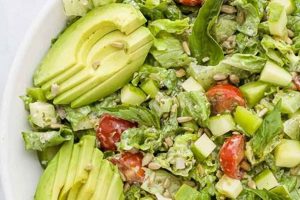
A submarine sandwich, often referred to as a “grinder,” can be deconstructed into a salad format. This involves using the same ingredients as the sandwichtypically cured meats, cheeses, vegetables, and a vinaigrettebut served in a bowl or on a plate rather than within bread. This approach offers a lighter alternative to the traditional sandwich while retaining its characteristic flavors. For example, an Italian grinder salad might include salami, provolone, lettuce, tomato, onion, pepperoncini, and a red wine vinaigrette.
Deconstructing a grinder into a salad offers several advantages. It caters to those seeking lower-carbohydrate or gluten-free options. It also allows for greater portion control and can be a convenient way to utilize leftover sandwich ingredients. Furthermore, a salad presentation can be more refreshing, particularly during warmer months. While the exact origin of the grinder salad is difficult to pinpoint, it likely evolved as a natural variation of the popular sandwich, reflecting changing dietary preferences and a desire for more versatile meal options.
The following sections will explore specific variations of this dish, offering detailed recipes and guidance on ingredient selection, preparation techniques, and serving suggestions.
Tips for Crafting Delicious Grinder Salads
Careful consideration of ingredients and preparation methods elevates a simple grinder salad into a satisfying and flavorful meal. The following tips offer guidance on maximizing taste and achieving desired results.
Tip 1: High-Quality Ingredients are Key: Opting for high-quality meats and cheeses significantly impacts the overall flavor profile. Freshly sliced deli meats are preferred over pre-packaged varieties. Artisan cheeses offer more complex flavors compared to processed options.
Tip 2: Vegetable Selection and Preparation: Choose crisp, fresh vegetables. Consider incorporating a variety of textures and colors for visual appeal and nutritional balance. Pre-washed salad mixes can save time but ensure they are thoroughly dried to prevent a soggy salad.
Tip 3: Vinaigrette Matters: The vinaigrette is crucial. A simple red wine vinaigrette is a classic choice, but experimentation with different flavor profiles, such as lemon-herb or balsamic, can add depth and complexity. Emulsifying the vinaigrette properly ensures even distribution of flavor.
Tip 4: Proper Meat and Cheese Handling: Allow refrigerated meats and cheeses to come to room temperature briefly before assembling the salad. This enhances their flavors and aromas.
Tip 5: Layering for Optimal Flavor: Layer ingredients thoughtfully. Placing more delicate ingredients, such as lettuce, on top prevents them from becoming wilted or weighed down. Distributing heavier components, like meats and cheeses, evenly throughout the salad ensures balanced flavor in each bite.
Tip 6: Customize for Dietary Needs: Grinder salads offer flexibility for various dietary needs. Substituting ingredients allows for easy adaptation to gluten-free, low-carbohydrate, or vegetarian preferences.
Tip 7: Freshness is Paramount: Prepare the salad as close to serving time as possible to maximize freshness and prevent the vegetables from becoming limp. If preparing in advance, store ingredients separately and combine just before serving.
By following these tips, one can consistently create grinder salads that are not only flavorful and satisfying but also visually appealing and adaptable to individual preferences.
The following section will provide specific recipe examples illustrating these principles in practice.
1. Simple Ingredients

The foundation of an easy grinder salad recipe lies in the simplicity of its ingredients. Minimizing ingredient complexity contributes directly to ease of preparation and accessibility. This section explores the facets of ingredient simplicity within the context of grinder salads.
- Accessibility and Availability
Simple ingredients are typically readily available in most grocery stores, reducing the need for specialized shopping trips or ingredient substitutions. Common deli meats like ham, turkey, or salami; standard cheeses such as provolone, cheddar, or Swiss; and readily available produce like lettuce, tomatoes, and onions all exemplify this principle. This accessibility makes creating a grinder salad convenient and spontaneous.
- Minimal Preparation Time
Simple ingredients often require little to no pre-preparation. Pre-washed and bagged salad mixes, pre-sliced deli meats and cheeses, and jarred or canned items like olives or pepperoncini drastically reduce chopping, slicing, and cooking time. This contributes to the overall “easy” aspect of the recipe.
- Adaptability and Versatility
The simplicity of base ingredients allows for a broad range of flavor customizations. A basic foundation of lettuce, tomato, and a protein can be adapted with various cheeses, olives, artichoke hearts, or other readily available add-ins to cater to individual preferences. This inherent versatility makes the grinder salad adaptable to diverse tastes and dietary needs.
- Reduced Food Waste
Using common, versatile ingredients reduces the likelihood of leftover, specialized items spoiling before being used again. This aligns with efficient kitchen practices and minimizes food waste, further contributing to the practical benefits of simple ingredient selection.
By focusing on simple ingredients, the easy grinder salad recipe becomes a practical, adaptable, and convenient meal option, suitable for a quick lunch, a light dinner, or a potluck contribution. The emphasis on accessible components ensures that creating a flavorful and satisfying salad remains achievable without sacrificing ease of preparation.
2. Quick Preparation
Quick preparation is a defining characteristic of an easy grinder salad recipe. The speed at which this salad can be assembled contributes significantly to its appeal as a convenient meal option. This efficiency stems from several factors, including the minimal processing required for ingredients and the straightforward assembly process. For example, pre-washed lettuce eliminates the need for washing and drying, while pre-sliced deli meats and cheeses remove the need for slicing and portioning. The salad’s construction involves simply combining ingredients in a bowl or on a plate, eliminating the need for cooking or complex layering techniques. This inherent simplicity translates directly into reduced preparation time, making it an ideal choice for busy individuals or those seeking a quick and satisfying meal.
The practical significance of quick preparation extends beyond mere convenience. It allows for greater flexibility in meal planning, enabling spontaneous meal creation with readily available ingredients. This can be particularly beneficial for individuals with limited time or unpredictable schedules. Furthermore, the reduced preparation time minimizes the effort required, making the process less daunting and encouraging healthier eating habits. The ability to assemble a nutritious and flavorful salad in minutes can be a powerful motivator for those seeking convenient, healthy meal options.
In summary, quick preparation is integral to the concept of an easy grinder salad recipe. It contributes significantly to the dish’s appeal as a convenient and accessible meal option, while simultaneously promoting healthier eating habits by reducing the time and effort required for meal preparation. This efficiency is achieved through the utilization of minimally processed ingredients and a straightforward assembly process, further reinforcing the ease and practicality of this culinary approach.
3. Versatile Flavors
Flavor versatility is a key advantage of the easy grinder salad recipe. Its adaptability to a wide range of flavor profiles enhances its appeal as a repeatable meal option without becoming monotonous. This versatility stems from the inherent flexibility of the basic formula, which allows for a broad spectrum of ingredient combinations and flavor customizations.
- Global Inspiration
The grinder salad concept lends itself to incorporating flavors from various cuisines. An Italian-inspired version might feature salami, provolone, pepperoncini, and a red wine vinaigrette. A Greek-inspired version could include feta cheese, olives, cucumbers, and a lemon-herb dressing. The ability to draw inspiration from diverse culinary traditions expands the potential flavor profiles significantly.
- Seasonal Adaptations
Ingredient availability varies throughout the year, and the grinder salad easily adapts to seasonal produce. Summer variations might incorporate fresh tomatoes, cucumbers, and bell peppers, while fall versions could include roasted squash, apples, and cranberries. This adaptability ensures access to fresh, flavorful ingredients year-round and provides ongoing variety.
- Dietary Accommodations
Flavor versatility extends to accommodating various dietary preferences and restrictions. Vegetarian versions can substitute beans, lentils, or tofu for meat, while vegan options might utilize plant-based cheeses and dressings. Gluten-free variations simply require omitting croutons or ensuring the chosen dressing contains no gluten. This adaptability makes the grinder salad an inclusive meal option for diverse dietary needs.
- Creative Exploration
The simple foundation of a grinder salad provides a blank canvas for culinary creativity. Experimenting with different cheeses, dressings, herbs, spices, and other add-ins allows for personalized flavor combinations. This encourages culinary exploration and ensures that the grinder salad remains an engaging and exciting meal option.
The versatility of the easy grinder salad recipe extends beyond mere ingredient substitution. It represents a flexible framework that can be adapted to individual tastes, dietary needs, and seasonal availability. This adaptability contributes significantly to its long-term appeal as a convenient, healthy, and consistently satisfying meal option.
4. Customizable Options

Customization is integral to the appeal of the easy grinder salad recipe. The ability to tailor the dish to individual preferences and dietary needs elevates it from a simple meal to a versatile and adaptable culinary platform. This inherent flexibility stems from the basic formula’s simplicity, allowing for a wide range of modifications without sacrificing ease of preparation.
- Ingredient Swaps
Ingredient swaps offer the most direct route to customization. Protein preferences can be addressed by substituting chicken, ham, turkey, or plant-based proteins for traditional Italian meats. Cheese selections can range from sharp cheddar and provolone to milder Swiss or feta. Vegetable choices can be adapted based on seasonal availability, personal preferences, or dietary restrictions. This flexibility allows for the creation of unique flavor profiles catering to individual tastes.
- Dressing Variations
The choice of dressing significantly impacts the overall flavor profile of the salad. A classic Italian vinaigrette provides a tangy and savory complement to traditional ingredients. However, a creamy ranch dressing adds richness, while a lighter lemon-herb vinaigrette offers a brighter, more refreshing taste. Exploring different dressings allows for further customization and expands the range of potential flavor experiences.
- Portion Control and Dietary Adaptations
Customization extends to portion control and dietary adaptations. Ingredient quantities can be adjusted to meet individual caloric or macronutrient goals. Specific dietary needs can be addressed by omitting certain ingredients or substituting alternatives. For instance, gluten-free variations simply require careful selection of dressings and the omission of croutons. This adaptability makes the grinder salad suitable for a wide range of dietary restrictions and preferences.
- Creative Additions
Beyond core ingredient swaps, creative additions can further personalize the grinder salad experience. Incorporating elements like toasted nuts, seeds, dried fruits, or croutons adds textural complexity and flavor depth. Experimenting with different herbs and spices allows for further nuanced flavor adjustments. This open-ended approach to customization encourages culinary creativity and allows individuals to develop unique and personalized versions of the classic dish.
The customizability inherent in the easy grinder salad recipe transforms it from a static meal into a dynamic culinary platform. This adaptability ensures its continued relevance across diverse dietary needs, personal preferences, and culinary explorations. By embracing customization, individuals can consistently create satisfying and personalized meal experiences while maintaining the ease and convenience that define this recipe.
5. Minimal Cleanup

Minimal cleanup contributes significantly to the “easy” aspect of an easy grinder salad recipe. The inherent simplicity of the preparation process translates directly into reduced post-meal cleanup, a practical benefit appreciated by busy individuals and those seeking efficient meal solutions. This efficiency stems from several factors. The reliance on pre-prepared ingredients, such as pre-washed lettuce, pre-sliced meats and cheeses, and jarred or canned items, minimizes the use of cutting boards, knives, and other kitchen tools that require washing. The straightforward assembly process, often involving simply combining ingredients in a single bowl or on individual plates, further reduces the number of dishes used. Consequently, cleanup is often limited to washing a few serving bowls and utensils, significantly streamlining the post-meal process.
The practical implications of minimal cleanup extend beyond mere convenience. Reduced dishwashing time translates into water conservation, contributing to environmentally conscious kitchen practices. It also frees up valuable time that can be allocated to other activities, enhancing overall productivity and promoting a more balanced lifestyle. For example, a quick lunch prepared with minimal cleanup allows for a more efficient use of a lunch break. Furthermore, reduced cleanup can make cooking less daunting, particularly for those who find the prospect of extensive dishwashing a deterrent to regular meal preparation. This can encourage more frequent home cooking, potentially leading to healthier dietary choices and greater control over ingredient quality.
In summary, minimal cleanup is an integral component of the easy grinder salad recipe. It contributes to the overall ease and convenience of the dish, promotes efficient use of time and resources, and encourages healthier eating habits by reducing the perceived burden of post-meal cleanup. This efficiency stems from the recipe’s reliance on minimally processed ingredients and a straightforward assembly process, reinforcing its practicality as a convenient and sustainable meal solution.
6. Nutritious Choices

Nutritious choices are central to maximizing the health benefits of an easy grinder salad recipe. While the inherent flexibility of the recipe allows for less healthy ingredient selections, focusing on nutrient-dense components elevates the dish from a convenient meal to a source of sustained energy and essential nutrients. This connection between ingredient choices and nutritional value underscores the importance of informed decision-making during recipe customization.
The foundation of a nutritious grinder salad lies in the selection of fresh, whole ingredients. Opting for leafy greens like spinach or romaine lettuce over iceberg lettuce increases vitamin and mineral intake. Incorporating a variety of colorful vegetables, such as bell peppers, cucumbers, and tomatoes, provides a broader spectrum of micronutrients and antioxidants. Choosing lean protein sources like grilled chicken breast, turkey, or fish over processed deli meats reduces saturated fat and sodium intake while contributing high-quality protein. Similarly, selecting whole-grain croutons or omitting them entirely reduces refined carbohydrate consumption. Replacing traditional cheeses with lower-fat options or incorporating plant-based cheeses further enhances the nutritional profile. These choices, while seemingly minor, contribute cumulatively to a significantly healthier meal.
Practical application of these principles involves conscious ingredient selection and mindful portion control. One might choose a base of spinach, add grilled chicken breast, a variety of colorful vegetables, and a light vinaigrette made with olive oil and vinegar. This approach prioritizes nutrient density while minimizing less healthy fats and processed ingredients. Understanding the nutritional implications of ingredient choices empowers individuals to tailor the easy grinder salad recipe to meet specific dietary goals and maximize health benefits. It reinforces the concept that convenient meals can also be sources of optimal nutrition, contributing to overall well-being.
7. Satisfying Meal
The concept of a “satisfying meal” is integral to the success of an easy grinder salad recipe. A truly satisfying meal goes beyond simply alleviating hunger; it provides a sense of fullness and contentment that sustains energy levels and prevents cravings. Within the context of an easy grinder salad recipe, achieving this satisfaction hinges on a balanced combination of macronutrientsprotein, carbohydrates, and healthy fatsand the incorporation of flavorful elements that enhance palatability. For example, a salad featuring grilled chicken or fish (protein), a variety of colorful vegetables (carbohydrates and fiber), and a dressing containing healthy fats (olive oil or avocado) offers a balanced nutritional profile that promotes satiety. The addition of flavorful elements, such as herbs, spices, or a tangy vinaigrette, further enhances the eating experience and contributes to overall satisfaction.
The practical significance of this understanding lies in its ability to inform ingredient selection and recipe customization. Prioritizing lean protein sources, incorporating fiber-rich vegetables, and including healthy fats contributes to a more satisfying meal experience. This reduces the likelihood of post-meal cravings and promotes sustained energy levels throughout the day. Conversely, a salad lacking sufficient protein or relying heavily on refined carbohydrates may leave one feeling unsatisfied and prone to subsequent snacking. Understanding the connection between ingredient composition and satiety empowers individuals to tailor the easy grinder salad recipe to their individual needs and preferences, ensuring a consistently satisfying and nutritious meal.
In conclusion, the “satisfying meal” aspect of an easy grinder salad recipe is not merely a desirable outcome but a crucial component of its success. Achieving this satisfaction depends on a balanced nutritional profile and the incorporation of flavorful elements. This understanding informs ingredient selection and recipe customization, promoting healthier eating habits and ensuring a consistently enjoyable and fulfilling meal experience. It reinforces the notion that convenience and nutritional value can coexist harmoniously within a simple, adaptable recipe.
Frequently Asked Questions
This section addresses common inquiries regarding easy grinder salad recipes, providing concise and informative responses to clarify potential uncertainties and enhance understanding of this versatile meal option.
Question 1: What is the primary advantage of a grinder salad over a traditional grinder sandwich?
Grinder salads offer a lower-carbohydrate alternative to traditional sandwiches, appealing to those following specific dietary restrictions or preferences. They also provide greater flexibility in portion control and can be a lighter, more refreshing option.
Question 2: Can grinder salads be prepared in advance?
While best enjoyed fresh, components can be prepared separately in advance. Store vegetables, meats, cheeses, and dressings individually and combine just before serving to maintain optimal texture and prevent sogginess.
Question 3: How can one ensure a grinder salad is both flavorful and nutritious?
Prioritize fresh, high-quality ingredients. Select lean proteins, a variety of colorful vegetables, and a balanced dressing. Limit processed meats, cheeses, and refined carbohydrates.
Question 4: Are grinder salads suitable for diverse dietary needs?
Their adaptable nature makes them ideal for various dietary needs. Vegetarian and vegan options are easily achievable through ingredient substitutions. Gluten-free versions require careful dressing selection and omission of croutons.
Question 5: What are some strategies for enhancing the flavor profile of a grinder salad?
Experiment with different dressings, herbs, spices, and add-ins like nuts, seeds, or dried fruits. Consider incorporating globally inspired flavor combinations or seasonal ingredients.
Question 6: How can food waste be minimized when preparing grinder salads?
Utilize common ingredients that can be incorporated into other meals throughout the week. Proper storage of leftover components also helps extend their shelf life and reduce waste.
Understanding these common aspects of grinder salads allows for greater flexibility and confidence in recipe adaptation and preparation. These insights empower individuals to create consistently satisfying and nutritious meals tailored to individual needs and preferences.
The following section provides concluding thoughts on the value and versatility of easy grinder salad recipes.
Conclusion
Easy grinder salad recipes offer a practical and adaptable approach to meal preparation. Exploration of this culinary concept reveals its inherent advantages: simplified ingredient lists promote accessibility; rapid assembly reduces preparation time; flavor versatility accommodates diverse palates and dietary needs; customization options personalize the dining experience; minimal cleanup enhances convenience; and emphasis on nutritious choices supports healthful eating habits. These combined attributes position the easy grinder salad recipe as an ideal solution for individuals seeking convenient, healthy, and satisfying meals.
The adaptability inherent in easy grinder salad recipes encourages culinary exploration and empowers informed dietary choices. This approach transcends mere convenience, fostering a deeper understanding of the interconnectedness between ingredient selection, nutritional value, and culinary satisfaction. Further exploration of flavor profiles, ingredient combinations, and personalized adaptations promises continued evolution and enjoyment of this versatile culinary concept.