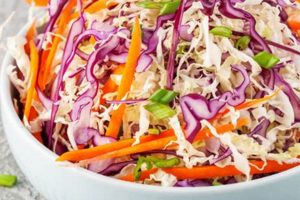
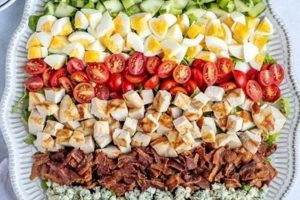
A simple coleslaw typically involves shredded cabbage combined with a dressing. Variations can include other vegetables like carrots, onions, or peppers, and dressings often feature mayonnaise, vinegar, and seasonings. A basic example might involve shredded green cabbage, mayonnaise, apple cider vinegar, celery seeds, salt, and pepper.
Quick and economical to prepare, these salads offer a refreshing and crunchy complement to various meals. They provide a good source of vitamins and fiber. Historically, cabbage salads have been enjoyed across cultures, evolving from simple shredded cabbage preparations to the more complex variations found today. Their adaptability makes them a versatile dish suited to picnics, potlucks, and everyday meals alike.
The following sections will explore various simple coleslaw recipes, covering different ingredients, preparation methods, and serving suggestions. Nutritional information and tips for maximizing flavor and texture will also be discussed.
Tips for Simple Coleslaw Preparation
Creating a delicious and simple coleslaw involves attention to several key details. The following tips provide guidance for achieving optimal results.
Tip 1: Cabbage Selection and Preparation: Opt for fresh, crisp cabbage heads. Remove any wilted outer leaves. Fine shredding creates a more delicate texture, while coarser shredding offers more crunch.
Tip 2: Dressing Consistency: Balance creaminess with acidity. A dressing that is too thick can overpower the cabbage, while a thin dressing may not adequately coat it. Adjust consistency by adding small amounts of mayonnaise or vinegar as needed.
Tip 3: Flavor Enhancement: Freshly ground black pepper and a pinch of salt are essential. Consider incorporating other spices like celery seed, caraway seed, or a touch of Dijon mustard for added complexity.
Tip 4: Ingredient Incorporation: Combine the dressing and shredded cabbage gently to ensure even distribution without bruising the cabbage.
Tip 5: Chilling Time: Allow the coleslaw to chill for at least 30 minutes before serving. This allows the flavors to meld and the cabbage to soften slightly.
Tip 6: Avoiding Sogginess: Add the dressing just before serving to prevent the cabbage from becoming watery. If preparing in advance, store the dressing and shredded cabbage separately and combine them just before serving.
Tip 7: Creative Variations: Explore different textures and flavors by adding shredded carrots, thinly sliced red onion, chopped bell peppers, or dried cranberries.
By following these tips, one can consistently create a simple yet satisfying coleslaw that complements a wide variety of dishes.
The concluding section will offer further resources and suggestions for incorporating simple coleslaw recipes into meal planning.
1. Simple Ingredients

The ease of a cabbage salad recipe often directly correlates with the simplicity of its ingredients. Recipes utilizing readily available components contribute to both accessibility and speed of preparation. This section explores key facets of simple ingredients within the context of easy cabbage salads.
- Core Components:
Cabbage forms the foundation of these salads. Common varieties include green and red cabbage, readily available in most grocery stores. A simple vinaigrette often requires only oil, vinegar, and seasonings. These core components ensure the recipe remains accessible and budget-friendly.
- Supplemental Vegetables:
Carrots, onions, and bell peppers are frequent additions, offering textural and flavor enhancements. These supplemental vegetables are generally inexpensive and easy to prepare, further contributing to the recipe’s simplicity. Pre-shredded options can expedite the process.
- Flavor Enhancers:
Simple seasonings like salt, pepper, and celery seeds create a balanced flavor profile. Other readily available options include dried herbs, garlic powder, or a touch of mustard. The focus remains on easily accessible ingredients that require minimal processing.
- Dressing Variations:
While a basic vinaigrette exemplifies simplicity, variations using mayonnaise, sour cream, or yogurt can add richness. Even these additions maintain a level of ease as they are commonly stocked pantry items. Pre-made dressings can further simplify the process.
The emphasis on simple, readily accessible ingredients contributes significantly to the convenience and popularity of easy cabbage salad recipes. This accessibility allows for quick preparation and encourages culinary experimentation with minimal investment in specialized ingredients.
2. Quick Preparation

Quick preparation is a defining characteristic of easy cabbage salad recipes. The speed at which these salads can be assembled contributes significantly to their appeal, particularly for individuals with busy schedules or those seeking convenient meal options. This efficiency stems from several factors. Cabbage, the primary ingredient, requires minimal processing. Shredding, slicing, or chopping are typically the most time-consuming steps, and pre-shredded cabbage offers an even faster alternative. Furthermore, common dressings utilize readily available ingredients, often requiring only whisking or shaking to combine. Even more complex variations, incorporating ingredients like mayonnaise, sour cream, or yogurt, rarely demand more than a few minutes of preparation time.
The impact of quick preparation extends beyond mere convenience. It makes these salads a practical choice for impromptu gatherings, last-minute meals, or situations where elaborate cooking is impractical. A simple coleslaw can be assembled just before serving, ensuring optimal freshness and crunch. For example, a quick weeknight dinner might feature grilled chicken alongside a rapidly prepared cabbage salad, offering a balanced and nutritious meal with minimal time investment. Similarly, a picnic or potluck contribution can be assembled quickly, eliminating the need for extensive advance preparation.
The connection between quick preparation and easy cabbage salad recipes is fundamental to their practicality and popularity. This attribute expands the contexts in which these salads can be enjoyed, from everyday meals to special occasions. The ease and speed of assembly empower individuals to incorporate fresh, flavorful salads into their diets without significant time constraints. This efficiency contributes to healthy eating habits and expands culinary options for time-pressed individuals.
3. Versatile Flavors
Versatility in flavor profiles significantly contributes to the enduring appeal of easy cabbage salad recipes. This adaptability stems from the neutral base provided by cabbage, which readily absorbs and complements a wide range of flavors. This characteristic allows for customization based on personal preferences, dietary needs, and seasonal ingredient availability. The inherent neutrality of cabbage facilitates experimentation with various flavor profiles, ranging from tangy and vibrant to creamy and savory.
A classic vinaigrette, for example, offers a bright, acidic counterpoint to the cabbage’s mild sweetness. The simplicity of the dressing, often composed of oil, vinegar, and seasonings, allows the inherent flavors of the ingredients to shine through. Alternatively, creamy dressings based on mayonnaise, sour cream, or yogurt provide a richer, more decadent experience. The addition of herbs, spices, or other flavor enhancers further expands the possibilities. A sprinkle of caraway seeds imparts an earthy warmth, while a touch of Dijon mustard adds a pungent kick. The adaptability of easy cabbage salads extends to incorporating various fruits, nuts, and seeds, further broadening the spectrum of flavors achievable.
This inherent versatility allows easy cabbage salad recipes to seamlessly integrate into diverse culinary contexts. A tangy slaw with a vinegar-based dressing provides a refreshing counterpoint to rich barbecue dishes. A creamy coleslaw complements fried foods and sandwiches. The ability to tailor the flavor profile makes these salads suitable for a wide array of cuisines and occasions, from casual weeknight meals to festive holiday gatherings. The ease of adaptation ensures these salads remain a relevant and adaptable culinary staple.
4. Crisp Texture

Crisp texture is a hallmark of a well-executed easy cabbage salad recipe. This desirable characteristic stems from proper handling and preparation techniques. Maintaining cellular structure within the cabbage leaves is crucial. Damage to these cells results in moisture release, leading to a less desirable, softer texture. Minimizing processing time and avoiding excessive handling contribute to crispness. Slicing or shredding cabbage shortly before combining it with the dressing limits exposure to air and moisture, which can contribute to softening.
The importance of crisp texture extends beyond mere aesthetics. It provides a satisfying textural contrast to other elements within the salad and the accompanying meal. A crisp coleslaw adds a refreshing counterpoint to rich, savory dishes or complements the softness of sandwiches and burgers. Consider a classic fish and chips meal: the crisp slaw offers a textural and flavor contrast to the battered fish and soft fries. Similarly, pulled pork sandwiches benefit from the crunchy slaw’s textural variation. This interplay of textures enhances the overall dining experience.
Achieving optimal crispness requires attention to detail throughout the preparation process. Proper storage of the cabbage prior to preparation, sharp knives for clean cuts, and prompt combination with the dressing all contribute to preserving texture. Chilling the salad further enhances crispness. Practical applications include preparing the salad components in advance and combining them just before serving to maximize textural integrity. Understanding the factors influencing crispness empowers one to consistently create easy cabbage salads that deliver a satisfying sensory experience.
5. Customizable Options

Customizability represents a significant advantage of easy cabbage salad recipes. This adaptability allows for tailoring to individual preferences, dietary restrictions, and available ingredients. The simple base of shredded cabbage provides a blank canvas for diverse flavor combinations and additions, ensuring these salads remain versatile and appealing across a range of culinary contexts.
- Dietary Adaptations
Easy cabbage salad recipes offer flexibility for various dietary needs. Vegan versions can utilize plant-based mayonnaise or dressings based on tahini or cashew cream. Gluten-free adaptations require attention to ingredient selection, ensuring all components, including dressings and add-ins, are free from gluten. Adjustments for other dietary restrictions, such as low-sodium or low-fat, can be implemented through ingredient substitutions and portion control.
- Flavor Profiles
Flavor profiles can be extensively customized. Tangy profiles can be achieved with vinegar-based dressings, often incorporating citrus juices or apple cider vinegar. Creamy profiles utilize mayonnaise, sour cream, or yogurt, offering richness and depth. Spicy variations can incorporate ingredients like jalapeos, chili flakes, or sriracha. Sweet and savory combinations can be achieved through additions like dried cranberries, toasted nuts, or crumbled bacon.
- Textural Variations
Textural variety further enhances customization. Incorporating ingredients like shredded carrots, chopped bell peppers, or sliced red onions adds complexity. Toasted nuts or seeds contribute crunch, while dried fruits offer a chewy counterpoint. The core texture of the cabbage itself can be adjusted by varying the shredding technique, from fine to coarse.
- Seasonal Adjustments
Seasonal ingredients offer opportunities for customization throughout the year. Spring variations might incorporate fresh herbs like dill or mint. Summer salads benefit from the addition of ripe tomatoes or cucumbers. Autumnal versions can include apples, pears, or cranberries. Winter salads can feature heartier additions like roasted root vegetables or dried fruits.
The inherent customizability of easy cabbage salad recipes enhances their long-term appeal. This adaptability ensures these salads remain a relevant and adaptable culinary choice for various occasions, preferences, and dietary needs. The capacity for personalization empowers individuals to create salads that precisely align with their tastes and desired outcomes, fostering culinary creativity and ensuring continued enjoyment.
Frequently Asked Questions
This section addresses common inquiries regarding easy cabbage salad recipes, providing concise and informative responses to facilitate successful preparation and enjoyment.
Question 1: How can sogginess in coleslaw be prevented?
Sogginess results from excess moisture. Adding dressing immediately before serving helps maintain crispness. Salting the shredded cabbage and letting it sit for a short period before rinsing and drying also helps draw out excess moisture.
Question 2: What are suitable alternatives to mayonnaise in coleslaw dressings?
Alternatives include plain yogurt, Greek yogurt, sour cream, or a combination thereof. Vegan options include plant-based mayonnaise or pureed silken tofu.
Question 3: Can different types of cabbage be used interchangeably in these recipes?
While green cabbage is most common, red cabbage, Napa cabbage, and Savoy cabbage can be substituted or combined. Each variety offers distinct flavor and textural nuances.
Question 4: How long can coleslaw be stored in the refrigerator?
Properly stored in an airtight container, coleslaw can typically last for three to five days in the refrigerator. Quality and texture may degrade over time.
Question 5: What are effective methods for enhancing the flavor of simple coleslaw?
Flavor enhancement can be achieved through various additions. Incorporating ingredients like shredded carrots, chopped onions, fresh herbs, or dried fruits contributes complexity. Experimenting with different spices and seasonings, such as celery seeds, caraway seeds, or mustard powder, can further elevate the flavor profile.
Question 6: Can pre-shredded cabbage be used in easy coleslaw recipes?
Pre-shredded cabbage offers convenience. However, ensure it is fresh and crisp. Rinsing and drying pre-shredded cabbage before use can enhance texture.
Understanding these frequently asked questions provides a foundation for consistently creating delicious and satisfying easy cabbage salads.
This concludes the FAQ section. Additional resources and recipe variations can be explored in the following sections.
Easy Cabbage Salad Recipe
Exploration of easy cabbage salad recipes reveals consistent themes of simplicity, adaptability, and nutritional value. Accessibility of ingredients, coupled with rapid preparation techniques, positions these salads as convenient and healthful meal components. The inherent neutrality of cabbage allows for diverse flavor profiles, ranging from tangy vinaigrettes to creamy dressings, accommodating a spectrum of culinary preferences. Emphasis on maintaining crisp texture through proper handling and chilling techniques underscores the importance of sensory experience. Customizability through ingredient additions, flavor adjustments, and dietary adaptations further solidifies the role of easy cabbage salad recipes as adaptable culinary staples.
The enduring popularity of easy cabbage salad recipes reflects their capacity to balance convenience with nutritional value and culinary creativity. Continued exploration of flavor combinations and ingredient variations ensures the ongoing relevance of these salads within the evolving culinary landscape. Understanding the core principles of ingredient selection, preparation techniques, and flavor balancing empowers individuals to consistently create satisfying and healthful cabbage salads.