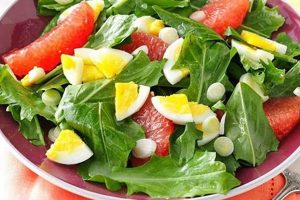
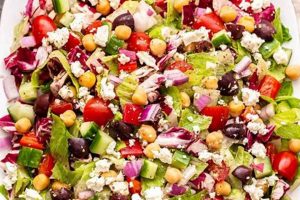
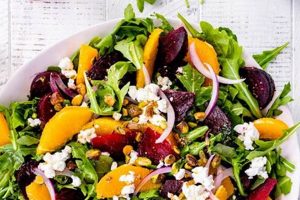
Plant-based salads suitable for the Daniel Fast emphasize fresh, whole ingredients. These recipes typically exclude animal products, sweeteners, leavened bread, and processed foods, focusing instead on fruits, vegetables, whole grains, legumes, nuts, and seeds. An example might include a salad of leafy greens, cucumber, tomatoes, chickpeas, and sunflower seeds, dressed with a simple lemon and herb vinaigrette.
Such meal options offer potential health benefits like increased fiber intake, improved digestion, and a lower risk of chronic diseases. Historically, the Daniel Fast is rooted in the biblical Book of Daniel and is often observed for spiritual renewal and physical well-being. It provides a framework for mindful eating and a deeper connection to natural, unprocessed foods.
Further exploration will cover specific ingredient combinations, suitable dressings, and tips for creating satisfying and flavorful meals within the guidelines of this dietary practice.
Tips for Creating Daniel Fast Salads
These tips offer guidance for constructing flavorful and satisfying salads adhering to Daniel Fast guidelines.
Tip 1: Embrace Variety: Incorporate a wide range of colorful vegetables for diverse nutrients and textures. Consider leafy greens like spinach or kale, cruciferous vegetables like broccoli or cauliflower, and root vegetables like carrots or beets.
Tip 2: Boost Protein: Legumes such as lentils, chickpeas, and kidney beans provide substantial protein and fiber. Nuts and seeds like almonds, walnuts, and sunflower seeds offer additional protein and healthy fats.
Tip 3: Creative Dressings: Simple dressings can be made with lemon or lime juice, vinegar, herbs, and spices. Avoid sweeteners and processed oils. Pureed avocado can add creaminess.
Tip 4: Whole Grains for Heartiness: Quinoa or brown rice can be added to salads for increased satiety and complex carbohydrates. Ensure these grains are prepared without prohibited ingredients.
Tip 5: Fresh Herbs for Flavor: Fresh herbs like parsley, cilantro, mint, and dill significantly enhance flavor profiles without relying on processed seasonings.
Tip 6: Proper Storage: Store prepared salads in airtight containers in the refrigerator to maintain freshness and prevent wilting. Dressings are best stored separately and added just before serving.
Tip 7: Mindful Preparation: Thoroughly rinse all produce and legumes. Consider soaking nuts and seeds to improve digestibility and nutrient absorption.
Following these tips allows for the creation of nutritious, compliant, and enjoyable salads throughout the duration of the Daniel Fast. These guidelines contribute to both physical well-being and adherence to the dietary restrictions.
By embracing these principles, individuals observing the Daniel Fast can experience the benefits of this dietary practice while enjoying delicious and satisfying meals.
1. Fresh Produce

Fresh produce forms the foundation of Daniel Fast-compliant salads, providing essential nutrients, vibrant flavors, and textural variety. Prioritizing fresh, unprocessed fruits and vegetables aligns with the emphasis on whole foods within this dietary practice.
- Leafy Greens:
Leafy greens such as spinach, kale, romaine lettuce, and arugula offer vitamins A, C, and K, as well as folate and iron. These nutrient-rich vegetables provide a base for the salad and contribute to overall health.
- Cruciferous Vegetables:
Broccoli, cauliflower, Brussels sprouts, and cabbage provide fiber, antioxidants, and glucosinolates, compounds associated with potential health benefits. Their inclusion adds nutritional value and textural complexity to salads.
- Other Vegetables:
A wide array of vegetables, including cucumbers, tomatoes, bell peppers, carrots, and celery, contribute diverse vitamins, minerals, and antioxidants. These ingredients provide vibrant colors, varied textures, and distinct flavors, enhancing the salad’s appeal and nutritional profile.
- Fruits for Flavor and Nutrients:
Fruits like berries, apples, grapes, and citrus fruits can add natural sweetness, antioxidants, and vitamins. While some interpretations of the Daniel Fast limit fruit, its inclusion in moderation can enhance flavor and provide additional nutritional benefits.
The strategic incorporation of these fresh produce components ensures Daniel Fast salads are not only compliant but also nutritionally balanced, flavorful, and visually appealing. This foundation of fresh ingredients supports the overall goals of the fast, contributing to both physical well-being and a deeper connection with natural, unprocessed foods.
2. Plant-Based Proteins

Plant-based proteins are essential components of Daniel Fast-compliant salads, providing necessary amino acids for bodily functions while adhering to the dietary restrictions. Because animal products are excluded during the fast, plant-based sources become crucial for meeting protein requirements. Legumes, nuts, and seeds serve as primary protein sources in these salads. Legumes, including lentils, chickpeas, and kidney beans, offer substantial protein and fiber, contributing to satiety and digestive health. Nuts and seeds, such as almonds, walnuts, sunflower seeds, and pumpkin seeds, provide protein alongside healthy fats and essential minerals. Incorporating a variety of these plant-based proteins ensures a balanced amino acid profile and diverse nutrient intake. For instance, a salad combining quinoa, black beans, and chopped walnuts provides a complete protein source with varied textures and flavors.
The strategic inclusion of plant-based proteins offers several practical advantages. These ingredients enhance the nutritional value of salads, contributing to feelings of fullness and sustained energy levels. Furthermore, the variety of available plant-based protein sources allows for diverse and flavorful meal options, preventing monotony throughout the Daniel Fast. Using different cooking methods for legumes, such as roasting chickpeas or sprouting lentils, further expands culinary possibilities. Combining different textures, like crunchy nuts with soft beans, adds complexity and interest to each salad. Understanding the role and benefits of plant-based proteins empowers individuals observing the Daniel Fast to create satisfying and nutritious meals that align with dietary guidelines.
Plant-based proteins are thus integral to successful Daniel Fast salads. They address the challenge of maintaining adequate protein intake while adhering to restrictions. Leveraging a variety of legumes, nuts, and seeds ensures nutritional balance, promotes satiety, and offers culinary versatility. This understanding allows individuals to fully embrace the Daniel Fast while enjoying wholesome, plant-focused meals.
3. Whole Grains

Whole grains play a significant role in Daniel Fast-compliant salads, offering complex carbohydrates, fiber, and essential nutrients while adhering to dietary restrictions. Unlike refined grains, whole grains retain the bran, germ, and endosperm, providing a richer nutritional profile. Their inclusion contributes to satiety, digestive health, and sustained energy levels throughout the fast.
- Quinoa:
Quinoa, a complete protein source, offers all nine essential amino acids. Its versatility allows for various preparations, from cooked and chilled to sprouted. In salads, quinoa adds a light, fluffy texture and a mild, nutty flavor, complementing other ingredients.
- Brown Rice:
Brown rice, a readily available whole grain, provides fiber and complex carbohydrates. It offers a chewy texture and a slightly nutty taste, making it a hearty addition to salads. It can be cooked and cooled before adding to ensure a desirable texture in the final dish.
- Wild Rice:
Wild rice, technically a seed, offers a robust, earthy flavor and a chewy texture. Its rich nutrient profile complements other salad ingredients, contributing to a more complex flavor profile. Its distinct texture adds another dimension to the overall salad experience.
- Spelt:
Spelt, an ancient grain, provides a slightly sweet and nutty flavor, offering a unique alternative to other grains. While less common, spelt can be a valuable addition, diversifying both flavor and nutrient profiles. It’s essential to ensure spelt is prepared without prohibited ingredients during the Daniel Fast.
Incorporating these whole grains into Daniel Fast salads elevates their nutritional value and provides textural diversity. Their complex carbohydrates offer sustained energy, while their fiber content supports digestive health. The variety of flavors and textures available within these whole grains allows for creative and satisfying meal combinations throughout the fast, ensuring adherence and promoting overall well-being within the dietary guidelines.
4. Healthy Fats

Healthy fats are essential in Daniel Fast-compliant salads, providing necessary fatty acids, enhancing nutrient absorption, and contributing to satiety. Because the Daniel Fast restricts animal products, which are common sources of dietary fats, incorporating plant-based healthy fats becomes crucial. These fats play a vital role in supporting overall health, including brain function, hormone production, and cell growth. Furthermore, they enhance the absorption of fat-soluble vitamins present in salad ingredients. Avocados, nuts, and seeds are excellent sources of healthy fats within the Daniel Fast guidelines. Avocados offer monounsaturated fats and contribute a creamy texture to salads. Nuts, such as almonds, walnuts, and cashews, provide a mix of monounsaturated and polyunsaturated fats, along with protein and fiber. Seeds, including flaxseeds, chia seeds, and sunflower seeds, offer polyunsaturated fats, particularly omega-3 and omega-6 fatty acids. For example, a salad with avocado, chopped walnuts, and a sprinkle of flaxseeds provides a balanced combination of healthy fats, enhancing both nutritional value and flavor.
The inclusion of healthy fats in Daniel Fast salads offers significant practical benefits. These fats contribute to satiety, helping individuals feel full and satisfied after a meal, which supports adherence to the fast. They also enhance the flavor and palatability of salads, making them more enjoyable. Furthermore, healthy fats aid in the absorption of fat-soluble vitamins from other salad ingredients, maximizing nutrient intake. For instance, adding avocado to a salad with leafy greens and tomatoes helps the body absorb the lycopene and vitamin A from these vegetables. Understanding the types and benefits of healthy fats empowers individuals observing the Daniel Fast to create nutritious, satisfying, and flavorful meals.
In conclusion, the strategic incorporation of healthy fats derived from plant-based sources is crucial for successful Daniel Fast salads. These fats contribute to overall health, support nutrient absorption, and enhance satiety. Including avocados, nuts, and seeds not only aligns with the dietary restrictions but also elevates the nutritional value and palatability of these meals. This knowledge enables individuals to create Daniel Fast-compliant salads that support their well-being throughout the duration of the fast.
5. Natural Dressings
Natural dressings are integral to Daniel Fast-compliant salad recipes, providing flavor enhancement while adhering to dietary restrictions. The Daniel Fast prohibits refined sugars, processed oils, and artificial ingredients commonly found in commercial dressings. Therefore, creating dressings from natural, whole-food ingredients becomes essential for flavor and adherence to the fast’s guidelines. Natural dressings typically utilize ingredients like lemon or lime juice, vinegar (such as apple cider or balsamic), herbs, spices, and occasionally, pureed fruits or vegetables. For instance, a lemon-tahini dressing, made with lemon juice, tahini, water, and garlic, provides a creamy, flavorful option without violating the Daniel Fast restrictions. This approach allows individuals to enjoy flavorful salads without compromising the principles of the fast.
The importance of natural dressings extends beyond mere compliance. These dressings contribute to the overall health benefits associated with the Daniel Fast. By avoiding processed ingredients, individuals reduce their intake of unhealthy fats, added sugars, and artificial additives. Furthermore, natural dressings offer opportunities to incorporate additional nutrients and antioxidants from herbs, spices, and whole foods. A dressing made with pureed mango, lime juice, and ginger, for example, not only adds flavor but also provides vitamins, minerals, and antioxidants. This focus on whole-food ingredients aligns with the broader emphasis on mindful eating and consumption of unprocessed foods characteristic of the Daniel Fast.
Understanding the role and creation of natural dressings is crucial for a successful and satisfying Daniel Fast experience. This knowledge empowers individuals to create flavorful, compliant meals that support their health goals. The use of natural dressings allows for culinary creativity within the boundaries of the fast, ensuring meals remain enjoyable and prevent feelings of deprivation. Furthermore, this practice fosters a deeper understanding of the connection between food and well-being, aligning with the spiritual and physical intentions of the Daniel Fast. By embracing natural dressings, individuals can fully appreciate the benefits of this dietary practice while enjoying delicious and nutritious salads.
6. Creative Combinations

Creative combinations are essential for successful and satisfying Daniel Fast salad recipes. The inherent restrictions of the fast, excluding animal products, sweeteners, leavened bread, and processed foods, present a potential challenge for meal variety. Creative combinations directly address this challenge by maximizing the use of permitted ingredientsfruits, vegetables, whole grains, legumes, nuts, and seedsto create diverse and flavorful salads. Without creative combinations, meals could become monotonous, potentially hindering adherence to the fast.
Specific examples illustrate the practical application of this principle. Instead of relying solely on leafy greens, consider incorporating roasted root vegetables like sweet potatoes or beets for added sweetness and texture. Combining different legumes, such as chickpeas and black beans, provides varied nutrients and visual appeal. Integrating textures, such as crunchy nuts or seeds with soft avocado, enhances sensory experience. A salad featuring roasted butternut squash, kale, chickpeas, toasted pumpkin seeds, and a lemon-tahini dressing exemplifies a creative combination that adheres to Daniel Fast guidelines while delivering a complex and satisfying meal. Such combinations mitigate the risk of dietary fatigue, a significant factor in maintaining commitment to the fast.
Understanding the importance of creative combinations empowers individuals observing the Daniel Fast to view dietary limitations as opportunities for culinary exploration. This approach fosters a positive association with the fast, transforming potential restrictions into a catalyst for innovation. It also contributes to a more holistic appreciation of plant-based cuisine, highlighting the versatility and richness of whole, unprocessed foods. By embracing creative combinations, individuals not only adhere to the dietary guidelines but also cultivate a deeper understanding of the nutritional and culinary possibilities within the Daniel Fast framework, ultimately supporting both physical and spiritual well-being.
7. Mindful Preparation
Mindful preparation is a crucial aspect of creating Daniel Fast-compliant salads, extending beyond simply assembling ingredients. It encompasses an intentional approach to handling and preparing food, reflecting the spiritual emphasis of the fast and maximizing the nutritional benefits of the chosen ingredients. This mindful approach elevates the entire experience, transforming meal preparation into a practice that aligns with the broader intentions of the Daniel Fast.
- Ingredient Selection:
Mindful preparation begins with careful ingredient selection. Choosing fresh, high-quality produce, preferably locally sourced and organic when possible, supports both personal health and ethical consumption practices. This careful selection demonstrates respect for the food and its origins, aligning with the spiritual aspects of the fast.
- Thorough Washing:
Thoroughly washing all produce removes potential contaminants and residues, promoting food safety and maximizing the purity of ingredients. This practice demonstrates respect for the body and its nourishment, aligning with the fast’s focus on physical and spiritual well-being.
- Proper Storage:
Proper storage of ingredients maintains freshness and prevents spoilage, minimizing food waste and preserving nutritional value. Storing prepared salads and dressings separately maximizes their lifespan and ensures optimal quality for each meal. This conscious approach to food preservation reflects an appreciation for the resources used in food production.
- Intentional Combining:
Intentional combining of ingredients considers not only flavor and texture but also nutritional balance and potential synergistic effects. Mindfully pairing ingredients, such as combining vitamin C-rich foods with iron-rich foods to enhance iron absorption, demonstrates a deep understanding of how food supports the body. This approach reflects a proactive approach to maximizing nutritional benefits within the constraints of the Daniel Fast.
These facets of mindful preparation contribute to a more enriching and fulfilling Daniel Fast experience. They transform the act of creating a salad into a practice that aligns with the fast’s spiritual and physical intentions. By embracing mindful preparation, individuals cultivate a deeper connection with their food, enhancing both the nutritional and spiritual benefits of the Daniel Fast.
Frequently Asked Questions
This section addresses common inquiries regarding salads suitable for the Daniel Fast, providing clarity and guidance for those observing this dietary practice.
Question 1: Can leafy greens like spinach and kale be included in Daniel Fast salads?
Leafy greens are foundational ingredients for Daniel Fast salads, offering essential nutrients and fiber.
Question 2: What protein sources are suitable for Daniel Fast salads?
Legumes (lentils, chickpeas, beans), nuts (almonds, walnuts), and seeds (sunflower, pumpkin) are acceptable protein sources.
Question 3: Are all oils permissible in Daniel Fast salad dressings?
No. Refined and processed oils are typically avoided. Olive oil, avocado oil, and flaxseed oil are generally considered acceptable.
Question 4: Can sweeteners be used in Daniel Fast salad dressings?
No. Refined sugars, artificial sweeteners, and even natural sweeteners like honey and maple syrup are excluded during the fast. Flavor can be achieved through herbs, spices, citrus, and vinegars.
Question 5: How can variety be achieved in Daniel Fast salads to avoid monotony?
Variety can be achieved through the incorporation of diverse vegetables, fruits (if permitted by individual interpretation), legumes, nuts, seeds, herbs, and spices, as well as creative combinations of textures and flavors.
Question 6: Can whole grains be added to Daniel Fast salads?
Yes. Quinoa, brown rice, and other whole grains are permitted and can add substance and nutritional value to salads. They should be prepared without prohibited ingredients like butter or seasonings containing sweeteners.
Understanding these frequently asked questions clarifies dietary choices and promotes informed decision-making during the Daniel Fast. Adhering to these guidelines supports the overall intentions of this spiritual and physical practice.
Further resources offering detailed recipe examples and meal planning guides are available for continued exploration of Daniel Fast-compliant cuisine.
Conclusion
Exploration of suitable salad recipes for the Daniel Fast reveals the significant potential for creating nutritious, flavorful, and compliant meals within this dietary framework. Emphasis on fresh produce, plant-based proteins, whole grains, and natural dressings underscores the importance of whole, unprocessed foods. Strategic combinations of ingredients and mindful preparation methods further enhance both the nutritional value and the overall experience of these meals, transforming potential limitations into opportunities for culinary creativity.
Adherence to the Daniel Fast, through thoughtful meal planning and preparation, offers a pathway to explore a deeper connection between food, body, and spirit. The principles discussed provide a foundation for not only sustaining physical well-being throughout the fast but also fostering a heightened awareness of the role of food in promoting holistic health. Further exploration and practical application of these principles can lead to a more profound understanding of the potential benefits and transformative power of mindful, intentional eating.