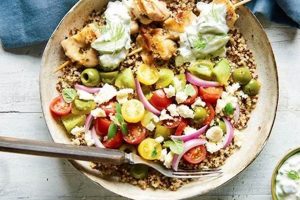
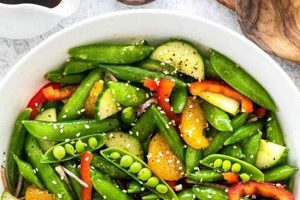
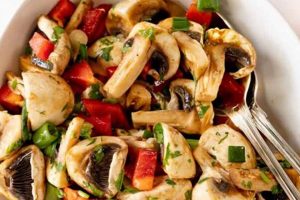
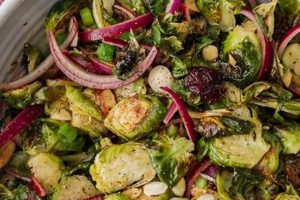
Dishes featuring the dandelion as a key ingredient in salads offer a unique culinary experience. These range from simple preparations with young, tender greens tossed with vinaigrette, to more complex combinations incorporating other foraged or garden-grown elements. A typical example might involve blanched dandelion greens, crumbled bacon, toasted walnuts, and a warm balsamic dressing.
Utilizing this readily available plant in salads provides notable nutritional benefits. Dandelions are rich in vitamins A, C, and K, and offer a good source of potassium and fiber. Historically, they have been valued for their perceived medicinal properties and used in various folk remedies. Their slightly bitter flavor adds depth and complexity to salads, offering a welcome alternative to more conventional greens.
The following sections will explore specific dandelion salad recipes, covering diverse flavor profiles and preparation techniques. Guidance on foraging and preparing dandelions safely and effectively will also be provided.
Tips for Dandelion Salad Preparation
Successful integration of dandelions into salads requires attention to detail. These tips offer guidance for optimal flavor and texture.
Tip 1: Harvest young leaves. Younger dandelion greens possess a milder flavor and more tender texture compared to mature leaves. Look for smaller rosettes close to the ground.
Tip 2: Blanch to reduce bitterness. Briefly submerging the leaves in boiling water, followed by an ice bath, helps mitigate the inherent bitterness of dandelions.
Tip 3: Balance flavors. The bitterness of dandelions pairs well with contrasting flavors. Consider incorporating sweet elements like fruits (berries, apples), savory components (bacon, cheese), and acidic dressings.
Tip 4: Consider the entire plant. Dandelion flowers can be added to salads for a pop of color and a subtly sweet flavor. The roots can be roasted and ground as a coffee substitute.
Tip 5: Clean thoroughly. Dandelions often grow in areas exposed to dust and other contaminants. Thoroughly wash the leaves and other used parts before consumption.
Tip 6: Source responsibly. Avoid harvesting dandelions from areas treated with pesticides or herbicides. When foraging, obtain permission from landowners if necessary.
Tip 7: Experiment with combinations. Dandelions complement various ingredients. Explore diverse pairings to discover preferred flavor profiles.
Proper preparation and thoughtful combinations elevate dandelion salads from simple fare to culinary delights. Attention to these details ensures a palatable and nutritious meal.
By following these guidelines, culinary enthusiasts can unlock the full potential of this often-overlooked ingredient. The subsequent section provides a selection of recipes showcasing the versatility of dandelion greens.
1. Fresh, Young Dandelion Greens

The foundation of any successful dandelion salad lies in the selection of fresh, young greens. Their tenderness and less pronounced bitterness are crucial for creating a palatable dish. Understanding the characteristics and benefits of using young greens is essential for maximizing flavor and nutritional value.
- Bitterness Level
Young dandelion greens possess a milder bitterness compared to mature leaves. This allows their inherent flavor to complement other salad ingredients without overpowering the overall taste profile. A less bitter flavor also increases the salad’s appeal to a wider range of palates.
- Texture
Young leaves offer a more tender texture, contributing to a pleasant mouthfeel. Unlike older, tougher leaves, they do not require extensive blanching or other pre-treatments to achieve an agreeable consistency within the salad.
- Nutritional Value
While nutritional content remains relatively consistent throughout the plant’s lifecycle, young leaves are often considered more desirable due to their combined tenderness and milder flavor, encouraging greater consumption and therefore maximizing nutrient intake.
- Visual Appeal
The vibrant green color and unblemished appearance of young dandelion greens contribute to a visually appealing salad. Their size and shape also lend themselves well to various salad preparations and presentations.
The selection of fresh, young dandelion greens significantly impacts the overall quality of the salad. Their milder bitterness, tender texture, and visual appeal contribute to a more enjoyable culinary experience. By prioritizing these characteristics, one ensures a delicious and nutritious final product that showcases the best qualities of this versatile ingredient.
2. Balanced Flavor Profiles
Balanced flavor profiles are essential for successful dandelion salad recipes. The inherent bitterness of dandelion greens necessitates careful consideration of complementary ingredients and dressings. This balance prevents the bitterness from dominating the palate while allowing it to contribute a desirable complexity to the overall flavor profile. The interplay of sweet, sour, salty, and bitter elements creates a harmonious and nuanced culinary experience. For instance, the sharpness of a lemon vinaigrette can offset the bitterness of the greens, while the addition of crumbled bacon introduces a salty, savory counterpoint. Similarly, incorporating sweet elements like dried cranberries or roasted beets further enhances the balance and complexity.
Understanding the interplay of flavors provides a framework for recipe development and adaptation. Recognizing the inherent bitterness of dandelion greens as a foundational flavor allows for strategic ingredient selection. Creamy cheeses, such as goat cheese or feta, can mellow the bitterness. Toasted nuts provide textural contrast and subtle sweetness, further enhancing the balance. Even a simple addition of sliced hard-boiled eggs offers a protein-rich counterpoint to the greens, contributing to both flavor and nutritional value. Successfully balancing these elements elevates a dandelion salad from a simple dish to a more sophisticated culinary creation.
Mastering the art of balanced flavor profiles within dandelion salads expands culinary possibilities. It allows for creativity while ensuring palatability. This approach transforms potentially challenging ingredients into delectable and satisfying dishes. By understanding these principles, one can confidently explore the versatility of dandelion greens and create salads that are both nutritious and flavorful.
3. Proper Cleaning Techniques

Proper cleaning of dandelion greens is paramount for ensuring both the safety and palatability of dandelion salads. These greens, often foraged or grown in outdoor environments, can harbor soil, insects, and other contaminants. Thorough cleaning removes these undesirable elements, mitigating potential health risks and enhancing the overall dining experience.
- Removal of Soil and Debris
Dandelion greens, especially those foraged from the wild, frequently retain soil and debris clinging to their leaves and roots. Multiple washes under cold running water are essential to dislodge these particles. Soaking the greens in a basin of cold water can further assist in loosening stubborn dirt. This initial step significantly reduces the risk of gritty textures and unpleasant flavors in the final salad.
- Elimination of Insects and Pests
Insects, such as aphids or small caterpillars, may reside on dandelion greens. Careful inspection and removal of any visible insects are crucial. Submerging the greens in salt water for a short period can help dislodge any hidden pests. This process ensures food safety and prevents undesirable surprises in the prepared salad.
- Mitigation of Potential Contaminants
Dandelions may absorb pollutants from their surroundings, particularly if grown near roadsides or areas with pesticide application. Thorough washing helps mitigate the presence of these potential contaminants. Choosing dandelion greens from known, uncontaminated sources, such as personal gardens or reputable foragers, further reduces this risk.
- Enhancement of Flavor and Texture
Proper cleaning contributes to the overall enjoyment of the salad. Removing grit and contaminants ensures a pleasant textural experience. Furthermore, thorough washing can remove any residual bitterness associated with the plant’s natural latex, enhancing the delicate flavor of the greens and allowing other ingredients to shine.
Effective cleaning techniques are indispensable for dandelion salad preparation. These practices safeguard against potential health risks while optimizing the salad’s flavor and texture. A clean, well-prepared dandelion salad maximizes the nutritional and culinary benefits of this versatile green, transforming it into a truly enjoyable and safe culinary experience.
4. Creative Ingredient Combinations

The inherent bitterness of dandelion greens provides a unique foundation for culinary creativity within salad recipes. Strategic ingredient combinations enhance the complexity and palatability of these salads, transforming a potentially challenging flavor profile into a delightful culinary experience. Exploring diverse ingredient pairings unlocks the full potential of dandelion greens as a versatile and nutritious salad component.
- Balancing Bitterness with Acidity and Sweetness
The bitterness of dandelions finds harmony with acidic and sweet elements. Citrus fruits, such as oranges or grapefruits, provide a refreshing acidity that cuts through the bitterness. Incorporating sweet components like dried fruits (cranberries, raisins) or roasted root vegetables (beets, carrots) further balances the flavor profile, creating a more nuanced and palatable salad. A citrus vinaigrette with a touch of honey exemplifies this balance effectively.
- Textural Contrasts with Nuts and Seeds
The often-tender texture of dandelion greens benefits from the addition of crunchy elements. Toasted nuts (walnuts, pecans) or seeds (sunflower, pumpkin) introduce a textural contrast that enhances the overall sensory experience. These additions also contribute healthy fats and complementary flavors, further enriching the salad.
- Savory Depth with Cheese and Cured Meats
Savory ingredients like crumbled cheese (goat cheese, feta, blue cheese) and cured meats (prosciutto, bacon) add depth and complexity to dandelion salads. The saltiness and richness of these components complement the bitterness of the greens, creating a more robust and satisfying flavor profile. The creamy texture of some cheeses also contrasts nicely with the greens.
- Earthy Notes with Mushrooms and Grains
Earthy flavors, provided by sauted mushrooms or cooked grains like quinoa or farro, enhance the overall complexity of dandelion salads. These ingredients offer a grounding counterpoint to the sometimes sharp bitterness of the greens. Their addition also contributes to the nutritional value and heartiness of the salad.
By strategically combining ingredients that complement and contrast the inherent bitterness of dandelion greens, culinary enthusiasts can craft salads that are both nutritionally rich and exceptionally flavorful. These creative combinations transform a readily available ingredient into a culinary centerpiece, showcasing the versatility and potential of dandelion greens in a variety of delicious and satisfying salad recipes.
5. Nutritional and Culinary Value

Dandelion salad recipes offer a compelling intersection of nutritional and culinary value. Often overlooked as a weed, the dandelion possesses a rich nutritional profile and lends a unique flavor dimension to salads. Understanding this duality allows for a deeper appreciation of its potential in gastronomy and highlights its importance as a readily available source of essential nutrients.
- Vitamin and Mineral Content
Dandelions provide significant amounts of vitamins A, C, and K, contributing to immune function, collagen synthesis, and blood clotting, respectively. They also offer minerals like potassium and iron, crucial for electrolyte balance and oxygen transport. Incorporating dandelion greens into salads enhances their nutritional density, offering health benefits alongside culinary enjoyment. For example, a dandelion salad can contribute significantly to an individual’s daily vitamin A intake.
- Antioxidant Properties
Dandelions contain antioxidants, compounds that protect cells from damage caused by free radicals. These antioxidants, including beta-carotene and polyphenols, contribute to overall health and well-being. Consuming dandelion salads regularly may offer protection against chronic diseases associated with oxidative stress. This adds another layer of value beyond basic nutrition.
- Culinary Versatility and Flavor Profile
The slightly bitter flavor of dandelion greens offers a unique culinary dimension. This bitterness, when balanced with other ingredients like sweet fruits or creamy cheeses, creates complex and appealing flavor profiles in salads. The texture of dandelion greens also contributes to culinary versatility, allowing them to be used in both raw and cooked applications within salads. This adaptability expands culinary possibilities and encourages creativity in the kitchen.
- Accessibility and Sustainability
Dandelions are readily available, often growing wild in many regions. Foraging or cultivating dandelions promotes sustainability and reduces reliance on commercially grown produce. Their accessibility makes them an economical and environmentally friendly ingredient for salads, further enhancing their overall value. This ease of access encourages utilization and reduces food waste.
The convergence of nutritional and culinary value in dandelion salads positions them as both healthful and flavorful additions to any diet. From the micronutrient content and antioxidant properties to the unique flavor profile and accessibility, dandelion salads represent a compelling example of how readily available plants can contribute significantly to both nutritional intake and culinary enjoyment. This multifaceted value underscores the importance of recognizing and utilizing the often-overlooked potential of dandelions in the culinary landscape.
Frequently Asked Questions
This section addresses common inquiries regarding the incorporation of dandelions into salads, offering clarity on preparation, safety, and culinary applications.
Question 1: Are all dandelion greens edible?
While all parts of the dandelion are technically edible, younger leaves are preferred for salads due to their milder flavor. Mature leaves can be consumed but may require blanching to reduce bitterness.
Question 2: How can bitterness be mitigated in dandelion salads?
Blanching the leaves briefly in boiling water, followed by an immediate ice bath, reduces bitterness. Balancing flavors with acidic dressings, sweet fruits, or savory cheeses also helps counteract the bitterness.
Question 3: Where should dandelions be harvested for salads?
Dandelions should be harvested from areas free of pesticides and herbicides. Avoid areas near roadsides or those frequented by pets. When foraging, ensure permission from landowners when necessary.
Question 4: How should dandelions be cleaned for consumption?
Thorough washing in cold water is essential. Soaking in a basin of cold water can further assist in removing soil and debris. Careful inspection for insects is recommended.
Question 5: What ingredients pair well with dandelions in salads?
Complementary ingredients include citrus fruits, bacon, cheese, nuts, dried fruits, and roasted vegetables. The bitterness of dandelions allows for diverse flavor combinations.
Question 6: Are there any potential health concerns related to consuming dandelions?
Individuals with allergies to ragweed, chrysanthemums, marigolds, chamomile, or daisies may experience allergic reactions to dandelions. Consulting a healthcare professional is advised if allergies are a concern. Overconsumption may have a diuretic effect in some individuals.
Careful selection, preparation, and thoughtful ingredient combinations maximize the culinary and nutritional benefits of dandelion greens in salads, ensuring both a safe and enjoyable dining experience. Addressing these common concerns empowers individuals to confidently incorporate this versatile plant into their diets.
The following section will provide a collection of curated dandelion salad recipes demonstrating the practical application of these principles.
Dandelion Recipes Salad
Exploration of dandelion salad recipes reveals a versatile ingredient offering both nutritional and culinary value. Careful selection of young, tender greens, coupled with appropriate cleaning techniques, mitigates potential bitterness and ensures palatability. Balancing the inherent bitterness with complementary ingredients, such as acidic dressings, sweet fruits, savory cheeses, and crunchy nuts, unlocks the full potential of dandelion greens in diverse culinary applications. Understanding these key aspects transforms a commonly overlooked plant into a star ingredient in flavorful and healthful salads.
Culinary experimentation with dandelion greens presents opportunities to expand palates and embrace sustainable food practices. Further investigation into regional variations and historical uses of dandelions in gastronomy promises to uncover additional culinary possibilities. This readily available, nutrient-rich plant deserves recognition for its potential to elevate salads from simple side dishes to culinary centerpieces.