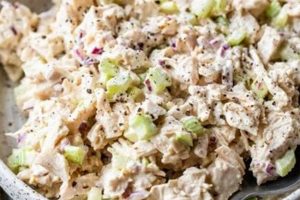
A mixture of cooked, chilled poultry, typically shredded or diced, combined with mayonnaise and other ingredients forms the foundation of this dish. Common additions include celery, onion, grapes, nuts, and seasonings. Variations range from simple combinations to more complex preparations incorporating herbs, spices, fruits, or vegetables. A classic example features diced chicken, mayonnaise, celery, onion, and salt and pepper.
This type of dish offers a convenient and versatile meal option. Its adaptability allows for customization based on dietary needs and preferences. It serves as a practical way to utilize leftover cooked chicken, minimizing food waste. Historically, similar dishes have existed for centuries, evolving from simple meat and vegetable combinations to the more refined preparations known today. Its enduring popularity stems from its ease of preparation, nutritional value, and refreshing flavor profile, making it a staple in many cultures.
This exploration will delve further into variations, preparation techniques, and serving suggestions. Topics will include ingredient selection, different mayonnaise-based and alternative dressings, and creative presentation ideas. Nutritional information and storage guidance will also be provided.
Tips for Preparing a Superior Chicken Salad
Achieving optimal flavor and texture requires attention to several key elements. The following tips offer guidance for creating a dish that is both delicious and satisfying.
Tip 1: Chicken Selection and Preparation: Opt for high-quality, cooked chicken. Roasting or poaching yields the best flavor. Avoid using pre-cooked, processed chicken as it can result in a less desirable texture.
Tip 2: Proper Chilling: Ensure the chicken is thoroughly chilled before combining it with other ingredients. This prevents the mayonnaise from becoming overly thin and helps maintain food safety.
Tip 3: Ingredient Balance: Strive for a balanced ratio of chicken to other ingredients. Too much mayonnaise can result in a bland, overly creamy salad, while too little can make it dry.
Tip 4: Freshness of Ingredients: Utilize fresh, crisp vegetables and herbs. Wilted or stale ingredients can negatively impact the overall flavor and appearance of the salad.
Tip 5: Mayonnaise Selection: Choose a high-quality mayonnaise. Consider experimenting with different varieties, such as olive oil or avocado oil-based mayonnaise, for unique flavor profiles.
Tip 6: Seasoning: Season the salad thoughtfully. Freshly ground black pepper, sea salt, and a touch of paprika or garlic powder can enhance the flavors.
Tip 7: Resting Period: Allow the salad to rest in the refrigerator for at least 30 minutes before serving. This allows the flavors to meld and enhances the overall taste experience.
Attention to these details elevates a simple chicken salad from ordinary to exceptional. By focusing on quality ingredients, proper chilling, and balanced seasoning, one can create a dish that is both satisfying and memorable.
By understanding the nuances of preparation, individuals can confidently create a dish that caters to individual preferences and culinary standards.
1. High-quality Chicken

The foundation of a successful cold chicken salad rests upon the quality of its primary ingredient: chicken. Selecting and preparing chicken appropriately significantly impacts the final dish’s flavor, texture, and overall enjoyment. This section explores the multifaceted role of high-quality chicken in crafting a superior cold chicken salad.
- Flavor Profile
Chicken contributes the dominant flavor profile to the salad. High-quality chicken, whether from a free-range or organically raised source, possesses a richer, more nuanced flavor compared to conventionally raised poultry. This depth of flavor translates directly to a more satisfying and complex final product. The inherent flavor of the chicken interacts with other ingredients, enhancing the overall taste experience. A bland, mass-produced chicken can result in a lackluster salad, regardless of other high-quality ingredients.
- Texture and Moisture
Properly cooked, high-quality chicken retains moisture and exhibits a tender texture. This is crucial for the salad’s overall mouthfeel. Dry, overcooked chicken, common in lower-quality sources, results in a dry, crumbly salad lacking appeal. The chicken’s texture should complement the creaminess of the mayonnaise and the crunch of any added vegetables.
- Visual Appeal
High-quality chicken presents well visually. Plump, evenly cooked pieces enhance the aesthetic appeal of the finished salad. Conversely, pale, stringy, or unevenly cooked chicken detracts from the overall presentation. While taste remains paramount, visual appeal contributes significantly to the dining experience.
- Nutritional Value
Chicken serves as a valuable source of protein. High-quality chicken often offers a superior nutritional profile, potentially containing higher levels of certain nutrients. While variations exist depending on the chicken’s source and diet, selecting quality poultry contributes to a more nutritious meal.
The selection of high-quality chicken elevates the cold chicken salad from a simple dish to a culinary experience. The interplay of flavor, texture, visual appeal, and nutritional value underscores the importance of this core ingredient. Prioritizing chicken quality ensures a more satisfying and enjoyable meal.
2. Proper Chilling

Proper chilling plays a critical role in the creation of a successful cold chicken salad recipe. Temperature control influences not only food safety but also the final product’s texture, flavor, and overall quality. Understanding the importance of chilling at various stages of preparation is essential for achieving optimal results.
- Food Safety
Chilling cooked chicken promptly inhibits bacterial growth, a crucial food safety practice. Maintaining a temperature below 40F (4C) significantly reduces the risk of foodborne illnesses. This principle applies to all ingredients, especially those prone to spoilage, such as mayonnaise. Proper chilling safeguards consumer health and contributes to the dish’s overall quality.
- Texture Management
Chilling the cooked chicken before combining it with other ingredients prevents the mayonnaise from breaking down and becoming watery. A properly chilled chicken maintains its structural integrity, contributing to the desired texture of the salad. Additionally, chilling the completed salad allows the flavors to meld and enhances the overall consistency.
- Flavor Enhancement
While chilling itself doesn’t directly enhance flavor, it preserves the integrity of the ingredients, allowing their individual flavors to shine through. A properly chilled salad maintains the fresh taste of the ingredients, preventing the development of off-flavors that can occur with temperature fluctuations.
- Ingredient Cohesion
Chilling allows the flavors of the various ingredients to meld together harmoniously. The cool temperature helps bind the ingredients, creating a cohesive mixture rather than a collection of disparate components. This results in a more balanced and enjoyable flavor profile.
The proper chilling of ingredients and the finished product is integral to a high-quality cold chicken salad. This practice not only ensures food safety but also optimizes texture, preserves flavor integrity, and promotes ingredient cohesion. Attention to temperature control at each stage contributes significantly to the overall success of the dish.
3. Balanced Ingredients

Balance within a cold chicken salad recipe refers to the harmonious interplay of flavors and textures among its components. This equilibrium prevents any single ingredient from dominating the overall profile, creating a cohesive and enjoyable culinary experience. The careful consideration of ingredient proportions ensures a symphony of tastes and textures, crucial for a successful dish. This balance affects not only the immediate sensory experience but also the perceived quality and satisfaction derived from consuming the salad.
Consider the classic components: chicken, mayonnaise, celery, and onion. An excess of mayonnaise can overwhelm the delicate flavor of the chicken, resulting in a bland, overly creamy salad. Conversely, insufficient mayonnaise leads to a dry, unappetizing mixture. Similarly, an overabundance of celery or onion can create a sharp, overpowering taste, overshadowing the other components. A well-balanced recipe ensures that each ingredient contributes its unique character without eclipsing the others. For instance, the subtle sweetness of grapes can complement the savory chicken and creamy mayonnaise, adding a layer of complexity without overpowering the overall flavor profile. A touch of Dijon mustard can provide a welcome tang, balancing the richness of the mayonnaise. Nuts, such as pecans or walnuts, introduce a satisfying crunch and subtle earthiness, enhancing textural diversity. The quantity of each ingredient must be carefully calibrated to achieve this delicate balance. Recipes often provide guidance on proportions, but personal adjustments based on individual preferences are encouraged.
Achieving balance requires a nuanced understanding of ingredient interactions. It necessitates considering not only individual flavors but also how these flavors combine and influence one another. The goal is to create a complex yet harmonious flavor profile that is greater than the sum of its parts. A balanced cold chicken salad provides a satisfying and refreshing culinary experience, highlighting the quality of its individual ingredients while showcasing the art of culinary composition. This attention to detail elevates the dish beyond a simple mixture of ingredients, transforming it into a carefully crafted culinary creation.
4. Flavorful Additions
Flavorful additions represent a crucial aspect of cold chicken salad recipes, offering opportunities to elevate the dish beyond its basic components. These additions introduce complexity, depth, and intrigue, transforming a simple salad into a culinary experience. Careful selection and integration of these elements contribute significantly to the overall enjoyment and satisfaction derived from the dish.
- Fresh Herbs
Fresh herbs provide a bright, aromatic dimension to cold chicken salad. Chives, dill, parsley, and tarragon are popular choices. Their delicate flavors complement the richness of the chicken and mayonnaise, adding a refreshing counterpoint. The use of fresh herbs elevates the perceived freshness and quality of the salad.
- Fruits and Nuts
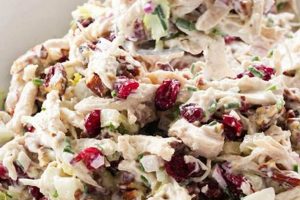
The incorporation of fruits and nuts introduces textural and flavor contrasts. Grapes, dried cranberries, apples, and walnuts offer sweetness, tartness, and crunch, respectively. These additions create a multi-sensory experience, enhancing the overall enjoyment. The interplay of textures and flavors adds complexity and depth to the salad.
- Spices and Seasonings
Spices and seasonings provide depth and complexity to the flavor profile. Curry powder, paprika, garlic powder, and onion powder can enhance the savory notes of the chicken. A judicious use of spices complements the other ingredients without overpowering the delicate balance of flavors.
- Other Savory Elements
Ingredients like chopped pickles, capers, or crumbled bacon introduce salty, briny, or smoky notes. These additions create further complexity and cater to diverse palates. The careful integration of these savory elements expands the range of flavors within the salad.
The strategic incorporation of flavorful additions distinguishes a memorable cold chicken salad from a mundane one. These elements contribute not only to the complexity of the flavor profile but also to the overall sensory experience. By considering the interplay of flavors, textures, and aromas, one can elevate this classic dish to a new level of culinary sophistication.
5. Appropriate Seasonings

Appropriate seasonings are essential for a well-executed cold chicken salad recipe. Seasoning elevates the inherent flavors of the ingredients, creating a balanced and nuanced flavor profile. The interplay of seasonings affects the final product’s overall quality, moving it from palatable to exceptional. This impact is achieved by carefully considering the type and quantity of seasonings used, taking into account their individual characteristics and how they interact with other components of the salad.
Salt and freshly ground black pepper serve as foundational seasonings, enhancing the existing flavors and adding depth. However, over-salting can easily mask the delicate flavors of the chicken and other ingredients, while under-seasoning results in a bland, uninspiring dish. The right balance brings out the best in each component without creating an overly salty or peppery taste. Beyond these basics, a variety of seasonings contribute complexity and intrigue. A pinch of paprika adds a subtle smokiness, while garlic powder or onion powder introduce savory notes that complement the chicken. Herbs, such as dried dill or thyme, can also be incorporated to add an aromatic dimension. For example, a classic combination might include salt, pepper, paprika, and a touch of dried dill, creating a balanced and flavorful profile. A more adventurous approach might incorporate curry powder or a blend of herbs de Provence for a unique and complex flavor profile.
The practical significance of understanding appropriate seasoning lies in the ability to tailor the flavor profile to individual preferences and desired outcomes. A delicate balance of seasonings creates a symphony of flavors that complement and enhance the other ingredients, transforming the cold chicken salad from a simple dish into a culinary experience. Over-seasoning, however, can easily mask these subtleties, resulting in a less satisfying outcome. The judicious use of seasonings is a critical element in achieving a well-balanced and flavorful cold chicken salad. It requires careful consideration of the individual seasonings, their impact on the other ingredients, and the desired overall flavor profile. Mastering this aspect of culinary preparation significantly enhances the quality and enjoyment of the dish.
6. Fresh Herbs

Fresh herbs play a crucial role in elevating cold chicken salad recipes. Their inclusion introduces aromatic complexity and vibrant flavors, transforming a simple mixture into a more nuanced and refreshing dish. Careful selection and application of fresh herbs contribute significantly to the overall sensory experience, enhancing both the taste and aroma of the salad. This exploration delves into the multifaceted impact of fresh herbs in cold chicken salad preparation.
- Aromatic Enhancement
Fresh herbs contribute a vibrant aromatic dimension to cold chicken salad. Their volatile oils release fragrant compounds that complement and enhance the other ingredients. This aromatic lift elevates the overall sensory experience, making the salad more appealing and enjoyable. For instance, the bright, citrusy aroma of fresh dill or the peppery scent of parsley can invigorate the salad, adding a layer of complexity beyond the basic ingredients.
- Flavor Complexity
Beyond aroma, fresh herbs introduce a layer of flavor complexity. The subtle nuances of herbs like chives, tarragon, or mint create a more dynamic and interesting flavor profile. These herbaceous notes contrast and complement the richness of the chicken and the creaminess of the mayonnaise, preventing the salad from tasting bland or one-dimensional. The interplay of these flavors contributes to a more satisfying and sophisticated culinary experience.
- Visual Appeal
The vibrant green hues of fresh herbs enhance the visual appeal of cold chicken salad. Their inclusion adds a pop of color and freshness, making the salad more visually attractive. This visual element contributes to the overall presentation and perceived quality of the dish, increasing its appeal and making it more enticing to consume. The visual contrast created by the herbs against the backdrop of the chicken and other ingredients adds to the overall aesthetic appeal.
- Balancing Act
Fresh herbs can play a crucial role in balancing the richness and creaminess often found in cold chicken salad. Their bright, herbaceous notes provide a counterpoint to the heavier elements, preventing the salad from feeling overly rich or heavy. This balance contributes to a more refreshing and palatable dish. For example, the slight bitterness of parsley or the peppery bite of chives can cut through the richness of the mayonnaise, creating a more balanced and enjoyable flavor profile. This balancing act enhances the overall appeal and makes the salad more refreshing.
The integration of fresh herbs significantly elevates the cold chicken salad experience. By carefully selecting and incorporating herbs that complement the other ingredients, one can transform a simple dish into a more complex and satisfying culinary creation. The interplay of aroma, flavor, visual appeal, and balance underscores the essential role fresh herbs play in creating a superior cold chicken salad. This attention to detail highlights the potential of fresh herbs to elevate the culinary experience beyond the ordinary.
7. Serving Suggestions
Serving suggestions constitute a significant element within the context of a cold chicken salad recipe. While the recipe itself dictates the composition and preparation of the salad, serving suggestions influence the overall dining experience. They provide a framework for presenting and enjoying the dish, impacting perceptions of flavor, texture, and overall satisfaction. This connection extends beyond mere presentation; it encompasses considerations of practicality, visual appeal, and the creation of a cohesive culinary experience.
Serving suggestions offer a range of possibilities, each with its own implications for the enjoyment of cold chicken salad. Serving the salad on croissants or in lettuce cups transforms the dish into a convenient, handheld meal, suitable for casual gatherings or picnics. Presenting the salad on a bed of mixed greens adds a refreshing element and visual appeal, elevating the dining experience. Utilizing endive leaves or small toasts as vessels for individual portions offers an elegant and sophisticated presentation for more formal occasions. The choice of serving method influences not only the perceived aesthetic but also the practicality and enjoyment of the dish. For instance, serving the salad as a sandwich filling provides a hearty and portable meal, while utilizing it as a dip with crackers or crudits offers a lighter, more interactive approach.
Understanding the impact of serving suggestions allows for a more tailored and satisfying culinary experience. The chosen presentation method should complement the flavor profile and texture of the cold chicken salad, enhancing its strengths and creating a cohesive whole. Consideration of the dining occasion, the number of guests, and individual dietary preferences further informs the selection of the most appropriate serving suggestion. This understanding transforms the act of serving from a mere functional necessity to an opportunity to elevate the dish and enhance overall enjoyment. Thoughtful consideration of serving suggestions ultimately enriches the culinary experience, demonstrating that the presentation of a dish is as crucial as its preparation in achieving a truly satisfying and memorable meal.
Frequently Asked Questions
This section addresses common inquiries regarding cold chicken salad recipes, providing concise and informative responses to clarify potential uncertainties and offer practical guidance.
Question 1: What is the best type of chicken to use?
Roasting or poaching a whole chicken or individual chicken breasts yields optimal flavor and texture. While leftover cooked chicken is convenient, using freshly cooked poultry elevates the final product.
Question 2: How long can cold chicken salad be stored?
Properly stored in an airtight container in the refrigerator, it typically lasts for three to five days. Always check for spoilage before consumption.
Question 3: Can mayonnaise be substituted with other ingredients?
Greek yogurt, avocado, or hummus offer healthier alternatives to mayonnaise, resulting in different flavor profiles and textures.
Question 4: How can one prevent the salad from becoming watery?
Ensuring the chicken and other ingredients are thoroughly chilled before combining them with mayonnaise helps prevent excess moisture. Additionally, adding a small amount of finely diced celery can absorb excess liquid.
Question 5: What are some creative variations for cold chicken salad?
Incorporating ingredients like curry powder, grapes, cranberries, apples, walnuts, or pecans creates unique and flavorful variations. Experimentation with herbs and spices allows for a personalized touch.
Question 6: Can cold chicken salad be frozen?
Freezing is not recommended, as the mayonnaise-based dressing separates upon thawing, resulting in an undesirable texture. It is best consumed fresh or within the recommended refrigeration period.
Addressing these common questions clarifies key aspects of preparation, storage, and customization. This information contributes to successful outcomes and enhances the overall enjoyment of the dish.
The subsequent section will explore a variety of cold chicken salad recipes, offering diverse options to cater to different tastes and preferences.
Conclusion
Exploration of this culinary staple reveals its adaptability and enduring appeal. From ingredient selection and preparation techniques to the nuances of seasoning and presentation, each element contributes to the final product. Emphasis on quality ingredients, proper chilling, and balanced flavor profiles ensures a satisfying culinary experience. Understanding the interplay of these factors allows for customization and creative exploration, catering to individual preferences and dietary needs.
This dish represents more than a simple combination of ingredients; it embodies culinary creativity and resourcefulness. Its continued presence in kitchens worldwide underscores its versatility and adaptability. Further exploration and experimentation promise continued enjoyment and culinary discovery within the realm of this classic dish.