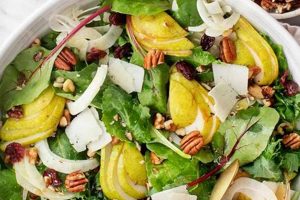
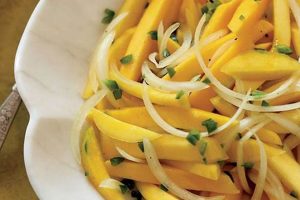
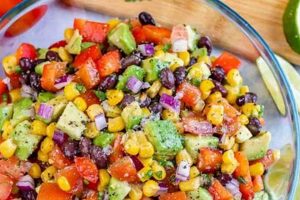
High-quality salads inspired by Mexican cuisine typically feature fresh, vibrant ingredients like various lettuces, tomatoes, corn, beans, avocados, and cilantro. These salads often incorporate flavorful proteins such as grilled chicken, steak, shrimp, or fish. Distinctive dressings, frequently featuring lime juice, chili powder, cumin, and oregano, enhance the salads with authentic Mexican flavors. Examples include a grilled corn and black bean salad with a chipotle-lime dressing or a jicama and mango salad with a honey-lime vinaigrette.
Flavorful and refreshing, these culinary creations offer a healthy and satisfying meal option. The emphasis on fresh produce provides essential vitamins and nutrients, while lean proteins contribute to satiety. Furthermore, the diverse range of ingredients allows for customization and caters to various dietary preferences, including vegetarian and gluten-free diets. Mexican cuisine’s historical influence on Southwestern U.S. cooking has contributed to the widespread popularity of these salads, making them a staple in many homes and restaurants.
This exploration will delve into specific examples of highly-regarded Mexican-inspired salads, examining their ingredients, preparation methods, and nutritional value. Variations and adaptations will also be discussed to provide readers with a comprehensive understanding of how to create and enjoy these flavorful dishes.
Tips for Exceptional Mexican-Inspired Salads
Creating exceptional Mexican-inspired salads involves careful consideration of ingredients, flavors, and textures. The following tips offer guidance on achieving optimal results.
Tip 1: Embrace Fresh, High-Quality Produce: The foundation of any successful salad lies in the freshness of its ingredients. Opt for ripe, vibrant vegetables and herbs to maximize flavor and visual appeal.
Tip 2: Explore Authentic Mexican Cheeses: Consider incorporating cheeses like cotija, queso fresco, or Oaxaca cheese for an authentic touch. These cheeses offer unique flavor profiles that complement traditional Mexican ingredients.
Tip 3: Balance Flavors with Acidity and Spice: Lime juice or a vinegar-based dressing provides essential acidity to balance the richness of other ingredients. Incorporate chili powders or fresh chilies judiciously to add a touch of heat.
Tip 4: Toast or Grill Ingredients for Enhanced Flavor: Grilling corn, peppers, or onions adds a smoky char and depth of flavor. Toasting nuts and seeds enhances their crunch and nuttiness.
Tip 5: Consider Textural Variety: Combine crunchy elements like tortilla strips or toasted pepitas with softer ingredients like avocado and beans for a pleasing textural contrast.
Tip 6: Don’t Overdress the Salad: Add dressing gradually to avoid a soggy salad. Lightly coat the ingredients, allowing their individual flavors to shine through.
Tip 7: Garnish Thoughtfully: A well-chosen garnish elevates the visual appeal and flavor profile. Consider using cilantro sprigs, pickled onions, or a sprinkle of chili powder.
By following these tips, one can create flavorful and visually appealing Mexican-inspired salads that offer a balanced and satisfying culinary experience.
These guidelines offer a solid foundation for crafting delicious Mexican-inspired salads. The following section will explore specific recipe examples to further illustrate these principles.
1. Fresh, Vibrant Ingredients

The quality of a Mexican salad hinges directly on the freshness and vibrancy of its components. Fresh ingredients contribute significantly to the overall flavor, texture, and nutritional value. The crispness of lettuce, the juiciness of tomatoes, the brightness of cilantro, and the creaminess of ripe avocados are essential for achieving the desired taste and texture profiles. These elements provide a foundation of flavor upon which other components build, creating a synergistic culinary experience. For example, a salad featuring wilted lettuce or bland tomatoes will lack the vibrancy and refreshing qualities characteristic of authentic Mexican cuisine. Conversely, a salad composed of peak-season produce will offer a burst of flavor with every bite.
Using fresh ingredients also maximizes the nutritional benefits. Vitamins and antioxidants are most potent in freshly harvested produce, contributing to a healthier and more satisfying meal. Furthermore, fresh ingredients often require less processing and fewer additives, aligning with healthier eating habits. The emphasis on fresh produce highlights the connection between quality ingredients and optimal flavor outcomes. This principle applies not only to vegetables but also to proteins and other supplementary ingredients. For instance, grilled chicken or fish will offer a more appealing flavor and texture compared to pre-cooked or processed alternatives. Selecting ripe avocados instead of underripe or overripe ones ensures the desired creamy texture and rich flavor.
Prioritizing fresh, vibrant ingredients is paramount for achieving optimal results in Mexican salad preparation. This focus not only enhances flavor and nutritional value but also contributes to a more enjoyable and authentic dining experience. The careful selection of ingredients reflects a commitment to quality and elevates the final dish from simple sustenance to a culinary delight. Ultimately, the use of fresh, high-quality ingredients distinguishes exceptional Mexican salads from mediocre ones.
2. Authentic Mexican Cheeses

Authentic Mexican cheeses play a crucial role in elevating Mexican salads from simple to exceptional. Their distinct flavors and textures contribute significantly to the overall sensory experience, adding depth and complexity that complement the fresh ingredients typically found in these salads. Understanding the characteristics of various Mexican cheeses allows for informed choices that enhance the final dish.
- Cotija:
Cotija, a firm, salty, and slightly crumbly cheese, offers a sharp, savory counterpoint to the fresh vegetables and lighter flavors in Mexican salads. Its dry texture makes it ideal for grating or crumbling over the salad, adding a burst of salty flavor without adding excessive moisture. Think of it as a Mexican Parmesan, providing a robust, umami-rich element.
- Queso Fresco:
Queso fresco, meaning “fresh cheese,” is a soft, mild, and slightly tangy cheese that crumbles easily. Its delicate flavor doesn’t overpower other ingredients, making it a versatile choice for salads. It adds a pleasant creamy texture while maintaining a fresh, clean taste that balances spicier elements. Its crumbly nature allows it to distribute evenly throughout the salad.
- Oaxaca Cheese:
Oaxaca cheese, a semi-hard, stringy cheese, offers a rich, buttery flavor with a hint of saltiness. When used in salads, it can be crumbled or shredded, adding a creamy texture and a more pronounced cheesy flavor. Its mild flavor profile complements a wide range of ingredients without overwhelming the palate. It’s also visually appealing, adding an interesting textural element.
- Queso Panela:
Queso panela, a smooth, firm, and slightly salty fresh cheese, holds its shape well, making it suitable for grilling or pan-frying before adding to a salad. Grilling adds a smoky char and enhances its inherent mild flavor. Its firm texture provides a pleasant contrast to softer ingredients. While less common in salads than cotija or queso fresco, its unique characteristics offer interesting culinary possibilities.
The strategic selection of authentic Mexican cheeses significantly impacts the overall flavor profile and textural complexity of a Mexican salad. Choosing the right cheese can balance the flavors, enhance the visual appeal, and contribute to a more authentic and satisfying culinary experience. While these four examples represent a starting point, exploring other regional Mexican cheeses can further expand culinary horizons and lead to innovative and delicious salad creations.
3. Balanced Flavor Profiles

Balanced flavor profiles are essential for achieving truly exceptional Mexican salads. The interplay of sweet, sour, salty, spicy, and savory elements creates a dynamic and harmonious taste experience. A well-balanced salad avoids extremes in any single flavor direction, ensuring that no single element dominates the palate. This balance allows the individual flavors of fresh produce, proteins, cheeses, and dressings to shine through while contributing to a cohesive whole. For instance, the sweetness of corn can be balanced by the acidity of lime juice, while the richness of avocado finds harmony with the spiciness of jalapeos. The saltiness of cotija cheese provides a savory backdrop, unifying the diverse flavors. Without this careful orchestration, a salad might become overly sweet, excessively spicy, or simply bland.
Consider a salad featuring grilled chicken, mango, black beans, red onion, and cilantro. The sweetness of the mango complements the savory chicken and black beans. The red onion provides a pungent bite, while the cilantro adds a fresh herbal note. A lime vinaigrette ties these elements together, providing acidity to balance the sweetness and enhancing the other flavors. If the dressing were overly sweet or excessively acidic, it would detract from the balance and diminish the overall enjoyment. Similarly, if the salad lacked a spicy element, it might feel incomplete, missing a key dimension of authentic Mexican flavor profiles. Adding a pinch of chili flakes or a few slices of jalapeo could provide the necessary complexity.
Achieving balanced flavor profiles requires careful consideration of ingredient selection, preparation methods, and the proportions in which they are combined. Understanding the interplay of these elements allows for the creation of Mexican salads that are not only delicious but also exemplify culinary artistry. This principle extends beyond individual recipes, informing broader culinary practices and contributing to a deeper appreciation of the nuanced flavors characteristic of Mexican cuisine. It highlights the importance of thoughtful ingredient selection and the transformative power of balanced flavor combinations.
4. Variety of Textures

Textural variety is a defining characteristic of exceptional Mexican salads. The interplay of contrasting textures elevates these dishes beyond simple sustenance, creating a more engaging and satisfying culinary experience. A well-composed Mexican salad offers a dynamic interplay of crisp, crunchy, creamy, and chewy elements, stimulating the palate and enhancing the overall enjoyment of the dish. This textural diversity contributes significantly to what constitutes a “best” recipe.
- Crunchy Elements:
Crunchy components provide a satisfying contrast to softer ingredients. Tortilla strips, toasted pepitas (pumpkin seeds), or jicama offer a crisp, shattering texture that enhances the overall sensory experience. These elements contribute a vital textural counterpoint, preventing the salad from becoming monotonous.
- Creamy Components:
Creamy elements, such as avocado, queso fresco, or a creamy dressing, contribute richness and a smooth mouthfeel. These textures contrast with the crunchy elements, creating a balanced and more complex sensory experience. Avocado, in particular, offers a healthy fat source that complements the fresh vegetables and lighter flavors often present.
- Chewy Components:
Chewy ingredients, such as grilled steak or chicken, or cooked beans, provide a substantial textural element. These elements ground the salad, offering a satisfying chew that contrasts with the other textures. They also contribute significant protein and nutritional value.
- Tender Components:
Tender ingredients, such as leafy greens, tomatoes, or corn kernels, provide a fresh and delicate contrast. These elements offer a refreshing lightness that balances the richer, more substantial components. Their delicate texture contributes to the overall balance and prevents the salad from feeling too heavy.
The careful consideration of textural variety is essential in crafting exceptional Mexican salads. The interplay of these contrasting textures creates a dynamic and multi-dimensional eating experience. A salad lacking textural diversity may feel one-dimensional and less satisfying. By incorporating a range of textures, from the crisp bite of tortilla strips to the creamy richness of avocado, one can elevate a simple salad to a truly memorable culinary creation.
5. Appropriate Dressings
Appropriate dressings are fundamental to achieving “best Mexican salad recipes.” The dressing serves not merely as a condiment but as a unifying element that harmonizes the diverse flavors and textures within the salad. A thoughtfully chosen dressing elevates the overall culinary experience, while an ill-suited one can detract significantly. The following facets illuminate the crucial role of dressings in creating exceptional Mexican salads.
- Flavor Compatibility:
The dressing’s flavor profile must complement the other salad components. A creamy cilantro-lime dressing, for example, harmonizes with grilled chicken or fish, corn, black beans, and avocado. Conversely, a heavy, mayonnaise-based dressing might clash with the lighter, fresher flavors typically found in Mexican-inspired salads. A vinaigrette with lime juice, cumin, and chili powder enhances the flavors of a salad with grilled steak, peppers, and onions. The interplay of these flavors creates a cohesive and balanced taste experience.
- Texture and Consistency:
The dressing’s texture and consistency influence the overall mouthfeel of the salad. A light vinaigrette adds a refreshing touch without weighing down delicate greens, while a thicker dressing, like a creamy avocado dressing, clings to heartier ingredients like roasted vegetables or grilled meats. A thin vinaigrette might be lost in a salad with robust components, while a thick dressing could overwhelm a salad with delicate greens and lighter ingredients. The appropriate consistency ensures that the dressing complements, rather than detracts from, the salad’s textural variety.
- Acidity and Spice Level:
The dressing’s acidity and spice level contribute significantly to the balance of flavors. Lime juice or vinegar provides essential acidity that cuts through richness and brightens the other flavors. Chili powder, chipotle peppers, or jalapeos introduce varying levels of heat, adding complexity and depth. A dressing that lacks sufficient acidity might taste flat, while excessive spice can overpower the other ingredients. The careful balance of these elements ensures a harmonious and flavorful salad.
- Ingredient Quality:
The quality of ingredients in the dressing directly impacts the overall flavor. Freshly squeezed lime juice offers a brighter, more vibrant flavor compared to bottled lime juice. High-quality olive oil provides a richer, more nuanced flavor than lower-grade oils. Using fresh herbs and spices further enhances the dressing’s complexity and freshness. A dressing made with inferior ingredients will compromise the overall quality of the salad, regardless of how carefully the other components are selected.
Selecting an appropriate dressing is paramount for achieving a “best Mexican salad recipe.” The dressing acts as a unifying element, harmonizing the flavors and textures of the salad components. By carefully considering flavor compatibility, texture, acidity, spice level, and ingredient quality, one ensures that the dressing enhances, rather than detracts from, the overall culinary experience. A well-chosen dressing elevates the salad from a simple collection of ingredients to a cohesive and satisfying dish, reflecting a true understanding of balanced flavor profiles.
6. Thoughtful Garnishes
Thoughtful garnishes contribute significantly to what qualifies as a “best Mexican salad recipe.” They provide more than mere visual appeal; they enhance flavor, texture, and overall dining experience. Garnishes act as finishing touches, elevating a well-composed salad from satisfying to exceptional. Consider the impact of various garnishes. Toasted pepitas contribute a satisfying crunch and nutty flavor, complementing creamy avocado and spicy dressing. Pickled red onions offer a tangy burst that cuts through richness, balancing the overall flavor profile. A sprinkle of crumbled cotija cheese adds a salty, savory dimension, enhancing the other ingredients. Fresh cilantro sprigs provide a bright, herbaceous note, contrasting with earthy flavors like black beans or corn. These examples demonstrate how garnishes contribute more than just visual appeal.
The absence of thoughtful garnishes can result in a less satisfying experience. A salad lacking textural contrast might feel one-dimensional. Without a bright, acidic element, rich flavors could become overwhelming. The lack of a final, unifying touch might leave the dish feeling incomplete. Consider a salad with grilled chicken, avocado, and corn. While inherently flavorful, the addition of toasted pepitas and pickled red onions transforms the experience. The pepitas introduce a satisfying crunch, while the onions provide a tangy counterpoint to the richness of the avocado. These additions elevate the salad from simply good to truly exceptional.
Effective garnishing requires careful consideration of the existing flavors and textures within the salad. A garnish should complement, not clash with, the other components. The quantity of garnish also matters; too much can overwhelm, while too little might go unnoticed. A delicate balance ensures that the garnish enhances, rather than detracts from, the overall composition. Ultimately, thoughtful garnishes demonstrate attention to detail and a commitment to culinary excellence, contributing significantly to the creation of truly “best” Mexican salad recipes. This principle applies broadly to culinary practices, highlighting the transformative power of well-considered finishing touches.
7. Inspirational Presentation

Presentation plays a crucial role in elevating Mexican salads from merely delicious to truly exceptional, contributing significantly to what constitutes a “best” recipe. Visual appeal enhances the dining experience, stimulating appetite and creating a sense of anticipation. Inspirational presentation transforms a simple salad into a culinary masterpiece, showcasing the vibrant colors, textures, and freshness of the ingredients.
- Color and Contrast:
Strategic use of color and contrast creates visual interest and highlights the freshness of the ingredients. A salad featuring vibrant red tomatoes, deep green avocados, bright yellow corn, and rich black beans offers a feast for the eyes. The contrast between these colors amplifies their individual vibrancy and contributes to a more appealing presentation. Conversely, a salad with muted or monochromatic colors might appear less appetizing, regardless of its flavor.
- Height and Texture:
Creating height and textural variation adds visual depth and dimension. A flat, one-dimensional salad lacks visual appeal. Building the salad with layers of different ingredients, such as a base of leafy greens topped with grilled chicken or fish, followed by layers of corn, beans, and other vegetables, creates a more dynamic and engaging presentation. Adding crunchy elements like tortilla strips or toasted pepitas as a final touch further enhances the visual and textural appeal.
- Plating and Serving Vessels:
The choice of plating and serving vessels contributes significantly to the overall presentation. A simple white plate provides a neutral backdrop that allows the vibrant colors of the salad to shine. Alternatively, a colorful bowl or platter can complement the salad’s hues and create a more festive atmosphere. Serving individual portions in small bowls or glasses adds an element of elegance and allows for more controlled layering and presentation.
- Garnish Placement:
Strategic garnish placement enhances visual appeal and directs attention to key elements. Rather than simply scattering garnishes randomly, consider placing them intentionally to create focal points or patterns. A sprig of cilantro placed atop a mound of avocado, a sprinkle of chili powder around the rim of the plate, or a line of toasted pepitas across the center of the salad adds visual interest and guides the eye across the composition. This attention to detail elevates the presentation from functional to artistic.
Inspirational presentation elevates Mexican salads from simple meals to culinary experiences. By considering color and contrast, height and texture, plating, and garnish placement, one can create visually stunning dishes that tantalize the senses and enhance the overall enjoyment. These elements, combined with fresh, high-quality ingredients and balanced flavor profiles, contribute to the creation of truly “best” Mexican salad recipes, demonstrating a commitment to culinary excellence that extends beyond taste to encompass the entire dining experience.
Frequently Asked Questions
This section addresses common inquiries regarding the creation of exceptional Mexican-inspired salads.
Question 1: How can one adapt Mexican salad recipes for vegetarian or vegan diets?
Substituting plant-based proteins like beans, tofu, or tempeh for meat and poultry easily adapts most recipes for vegetarian or vegan diets. Omitting cheese or using vegan cheese alternatives caters to vegan preferences. Ensuring dressings do not contain animal products is also crucial.
Question 2: What are some strategies for preventing a Mexican salad from becoming soggy?
Adding dressing immediately before serving prevents sogginess. Another strategy involves serving dressing on the side, allowing individuals to add it to their liking. Using sturdy greens like romaine or iceberg lettuce also helps maintain crispness.
Question 3: Can canned ingredients be used in Mexican salads?
While fresh ingredients are generally preferred, canned beans and corn can be used in a pinch. Rinsing canned ingredients thoroughly removes excess sodium and ensures better flavor integration with other salad components.
Question 4: How can spice levels be adjusted in Mexican salad recipes?
Spice levels are easily adjusted by adding more or fewer chili peppers, chili powder, or hot sauce. Starting with a smaller amount and gradually increasing to taste allows for customized heat preferences. Removing seeds and membranes from chili peppers reduces their spiciness.
Question 5: What are effective methods for storing leftover Mexican salad?
Storing components separately and combining them just before serving maximizes freshness. Storing dressing separately prevents the salad from becoming soggy. Airtight containers help maintain optimal ingredient quality.
Question 6: How can one ensure a balanced nutritional profile in a Mexican salad?
Incorporating a variety of ingredients ensures a balanced nutritional profile. Including lean protein, healthy fats, and plenty of fresh vegetables maximizes nutrient density. Whole grains, such as quinoa or brown rice, can be added for additional fiber and complex carbohydrates.
Understanding these frequently asked questions empowers individuals to create and enjoy exceptional Mexican salads tailored to individual preferences and dietary needs. Careful consideration of these elements contributes to a more informed and satisfying culinary experience.
This concludes the FAQ section. The following section will offer a selection of specific Mexican salad recipes.
Best Mexican Salad Recipes
Optimal Mexican salad recipes represent a carefully orchestrated balance of fresh, vibrant ingredients, authentic flavors, and engaging textures. From the foundational elements of crisp lettuce and ripe tomatoes to the nuanced interplay of spices and cheeses, each component contributes to the overall culinary experience. Thoughtful consideration of dressings, garnishes, and presentation elevates these dishes from simple meals to culinary creations. The exploration of key aspects, including the importance of fresh produce, the role of authentic Mexican cheeses, the achievement of balanced flavor profiles, and the dynamic interplay of textures, provides a comprehensive understanding of what constitutes excellence in this culinary domain. Addressing frequently asked questions further empowers individuals to create and enjoy these dishes, adapting them to individual preferences and dietary needs.
The pursuit of “best” necessitates continuous exploration and refinement. Culinary traditions evolve, and individual preferences vary. The principles outlined herein provide a framework for crafting exceptional Mexican salads, but the ultimate expression lies in the hands of the individual chef. The ongoing exploration of flavors, textures, and presentations ensures the continued evolution and appreciation of this vibrant culinary tradition. By embracing these principles and continually seeking inspiration, individuals can elevate simple salads to culinary masterpieces, celebrating the rich tapestry of Mexican cuisine.