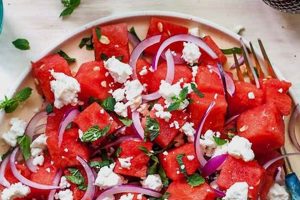
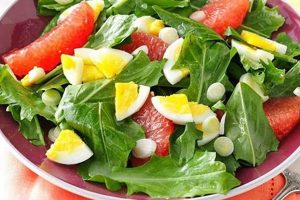
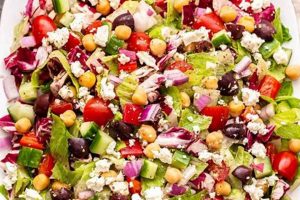
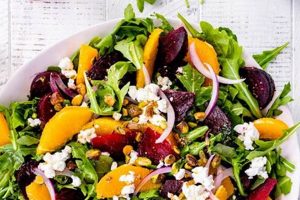
High-quality Italian salads emphasize fresh, seasonal ingredients and a balanced, vibrant dressing. A classic example combines ripe tomatoes, crisp cucumbers, red onion, olives, and creamy mozzarella, drizzled with a simple vinaigrette of olive oil, red wine vinegar, oregano, and basil. Variations might include other vegetables like bell peppers or artichoke hearts, or proteins such as grilled chicken, prosciutto, or chickpeas.
The appeal of a well-executed Italian salad lies in its simplicity and versatility. It offers a refreshing and nutritious counterpoint to heavier dishes, functioning as a light lunch, appetizer, or side. The historical roots of these salads lie in the Mediterranean diet’s emphasis on fresh produce, olive oil, and herbs, promoting health and well-being. The adaptability of Italian salads allows for endless customization based on personal preferences and available ingredients, making them a perennially popular choice.
This exploration will delve into the components of exceptional Italian salads, offering guidance on ingredient selection, dressing preparation, and creative variations to elevate this culinary staple.
Tips for Crafting Exceptional Italian Salads
Creating a truly memorable Italian salad involves careful consideration of ingredients, preparation techniques, and the balance of flavors. These tips offer guidance for elevating this simple dish to new heights.
Tip 1: Prioritize Seasonal Produce: Flavor peaks during the natural growing season. Selecting tomatoes, cucumbers, and other vegetables at their freshest ensures optimal taste and nutritional value.
Tip 2: Embrace High-Quality Olive Oil: The foundation of a great Italian dressing is excellent olive oil. Opt for extra virgin olive oil with a robust flavor profile.
Tip 3: Use Fresh Herbs: Dried herbs can be used in a pinch, but fresh basil, oregano, and parsley contribute a brighter, more vibrant flavor. Add them just before serving to maximize their impact.
Tip 4: Balance Acidity: The right balance of acidity is crucial. Red wine vinegar or lemon juice cut through the richness of the olive oil and brighten the other flavors. Taste and adjust accordingly.
Tip 5: Don’t Overdress: A light coating of dressing is all that’s needed. Overdressing can make the salad soggy and dilute the flavors of the individual ingredients.
Tip 6: Consider Texture: Add elements for textural contrast. Toasted pine nuts, crunchy croutons, or slivered almonds provide a satisfying counterpoint to softer ingredients.
Tip 7: Add Protein Strategically: Grilled chicken, prosciutto, chickpeas, or white beans transform a side salad into a more substantial meal. Choose proteins that complement the other flavors.
By following these tips, one can consistently achieve delicious and satisfying results. Attention to detail and a focus on quality ingredients are the hallmarks of exceptional Italian salads.
The following section will provide specific recipe examples that showcase these principles in action.
1. Fresh, Seasonal Ingredients

The foundation of exceptional Italian salads rests upon the quality and freshness of its ingredients. Seasonality plays a crucial role, influencing the flavor profile and overall culinary experience. Utilizing produce at its peak ripeness elevates these simple dishes, offering a taste of the Italian countryside.
- Peak-Season Tomatoes:
From juicy heirloom varieties to sweet cherry tomatoes, selecting tomatoes at their peak ripeness is paramount. The difference in flavor between a winter tomato and a sun-ripened summer tomato is significant. Ripe tomatoes offer a burst of sweetness and acidity crucial for balancing the other salad components.
- Fragrant Basil:
Fresh basil, preferably locally sourced, adds an aromatic dimension essential to Italian cuisine. Its peppery, slightly sweet notes complement the other ingredients, particularly tomatoes and mozzarella. Using fresh basil, as opposed to dried, delivers a more vibrant and complex flavor.
- Other Seasonal Vegetables:
Beyond tomatoes and basil, numerous seasonal vegetables enhance Italian salads. Spring offers asparagus and artichokes, while summer provides zucchini and bell peppers. Fall brings an array of hearty greens like spinach and radicchio. Incorporating seasonal vegetables not only maximizes flavor but also supports local agriculture.
- High-Quality Olive Oil:
While not strictly a seasonal ingredient, the quality of olive oil significantly impacts the salad’s overall flavor. Extra virgin olive oil, ideally cold-pressed and with a low acidity level, delivers a rich, fruity flavor that complements the fresh produce. Olive oil serves as the base of the vinaigrette, binding the flavors together.
By emphasizing these fresh, seasonal ingredients, Italian salads become more than just a side dish; they become a celebration of the bounty of nature. The vibrant flavors and textures create a harmonious balance, showcasing the simplicity and elegance of Italian cuisine. The selection of these peak ingredients contributes significantly to what constitutes the “best” in Italian salad recipes.
2. High-Quality Olive Oil

High-quality olive oil is integral to crafting exceptional Italian salads. It serves not merely as a dressing ingredient but as a foundational element that elevates the entire dish. The nuances of flavor and texture imparted by premium olive oil contribute significantly to what constitutes a “best” Italian salad recipe.
- Flavor Profile:
Extra virgin olive oil, the highest quality grade, offers a complex flavor profile ranging from fruity and peppery to grassy and buttery. These distinct notes interact with the other salad ingredients, enhancing their individual characteristics and creating a harmonious blend. A robust olive oil can elevate simple ingredients like tomatoes and mozzarella, transforming them into something extraordinary.
- Acidity Level:
Lower acidity levels indicate higher quality olive oil. High acidity can introduce an unpleasant sharpness and detract from the overall flavor balance of the salad. Premium olive oils boast a low acidity level, contributing a smooth, balanced flavor that allows the other ingredients to shine.
- Extraction Process:
The method of olive oil extraction impacts its quality. Cold-pressed extra virgin olive oil, extracted without heat or chemicals, retains the maximum amount of flavor and nutrients. This gentle processing method preserves the integrity of the oil and contributes to a superior sensory experience.
- Health Benefits:
Beyond flavor, high-quality olive oil contributes to the health benefits associated with the Mediterranean diet. Rich in monounsaturated fats and antioxidants, it promotes heart health and reduces inflammation. Choosing a premium olive oil enhances not only the taste but also the nutritional value of the salad.
The selection of high-quality olive oil demonstrates a commitment to excellence in Italian salad preparation. It signifies an understanding of how nuanced flavors and textures contribute to the overall culinary experience. This attention to detail elevates the salad from a simple side dish to a sophisticated and healthful culinary creation, aligning perfectly with the pursuit of “best” Italian salad recipes.
3. Balanced Vinaigrette

A balanced vinaigrette is paramount in achieving truly exceptional Italian salads. It provides the critical link between individual ingredients, harmonizing flavors and elevating the overall sensory experience. The vinaigrette’s role extends beyond mere dressing; it acts as a unifying element that defines the character of the salad. Understanding the components and principles of a well-balanced vinaigrette is essential in the pursuit of “best” Italian salad recipes.
- Acidity:
Acidity, derived from ingredients like red wine vinegar, balsamic vinegar, or lemon juice, provides brightness and cuts through the richness of the olive oil and other ingredients. The right level of acidity is crucial; too much can be overpowering, while too little can leave the salad tasting flat. The ideal balance enlivens the palate and complements the flavors of the vegetables, cheese, and any added proteins.
- Oil:
High-quality extra virgin olive oil forms the foundation of the vinaigrette. Its flavor profile, ranging from fruity to peppery, contributes significantly to the overall taste. The oil also acts as a carrier for the other ingredients in the vinaigrette, ensuring they are evenly distributed throughout the salad. The ratio of oil to acid is crucial for achieving the desired balance.
- Seasoning:
Beyond salt and pepper, herbs and spices contribute depth and complexity to the vinaigrette. Fresh herbs like basil, oregano, and parsley are preferred for their vibrant flavors. Garlic, Dijon mustard, and even a touch of honey or maple syrup can be incorporated to add nuance and further balance the acidity. The choice of seasoning should complement the other salad ingredients.
- Emulsification:
Proper emulsification, achieved by whisking the ingredients together vigorously, creates a stable and cohesive vinaigrette. This prevents the oil and vinegar from separating, ensuring a consistent flavor and texture in every bite. Emulsification also helps the vinaigrette cling lightly to the salad ingredients, rather than pooling at the bottom of the bowl.
The interplay of these elements determines the overall success of the vinaigrette. A harmonious balance of acidity, oil, seasoning, and proper emulsification results in a dressing that enhances, rather than masks, the flavors of the salad components. This attention to detail is a hallmark of “best” Italian salad recipes, transforming a simple dish into a sophisticated culinary experience.
4. Artful Ingredient Combinations

The hallmark of exceptional Italian salads lies in the artful combination of ingredients. Beyond simply tossing together available produce, a thoughtful approach to flavor pairings and textural contrasts elevates these salads from simple to sublime. This careful consideration of ingredient synergy is crucial in achieving “best” Italian salad recipes.
- Balancing Flavors:
Italian cuisine often emphasizes a balance of sweet, salty, acidic, and bitter flavors. In a salad context, this might translate to pairing sweet ripe tomatoes with salty olives, peppery arugula, and a tangy vinaigrette. This interplay of contrasting flavors creates a dynamic and engaging sensory experience, crucial for a truly memorable salad.
- Textural Variety:
A variety of textures enhances the enjoyment of an Italian salad. Crisp cucumbers and crunchy bell peppers can be combined with creamy mozzarella, chewy sun-dried tomatoes, and toasted pine nuts. This interplay of textures adds depth and interest to each bite, preventing the salad from becoming monotonous.
- Color Palette:
A visually appealing salad is more enticing. The vibrant colors of fresh produce, like deep red tomatoes, bright green basil, and creamy white mozzarella, create a feast for the eyes. Consider the color palette when selecting ingredients to enhance the overall presentation and appeal.
- Regional Influences:
Different regions of Italy boast unique culinary traditions. A Tuscan salad might feature cannellini beans and fennel, while a Caprese salad highlights tomatoes, mozzarella, and basil. Exploring regional variations offers inspiration for creative and authentic ingredient combinations, adding depth and interest to the salad repertoire.
The strategic combination of ingredients, considering flavor profiles, textures, colors, and regional influences, is central to crafting exceptional Italian salads. This attention to detail and balance elevates the dish beyond a simple accompaniment, transforming it into a culinary experience worthy of the “best” Italian salad designation.
5. Appropriate Protein Choices

Protein selection significantly impacts the overall composition and enjoyment of Italian salads. Appropriate choices complement the fresh, vibrant flavors of the vegetables and dressing, contributing to a more substantial and satisfying meal. Improper protein pairings, however, can overwhelm the delicate balance of the salad, detracting from the intended culinary experience. Understanding the interplay between protein and other salad components is essential in crafting recipes worthy of “best” Italian salad designation.
Grilled chicken or shrimp offer lean protein options that readily absorb the flavors of the vinaigrette. Their relatively neutral taste profiles allow the other salad components to shine while providing a satisfying textural contrast. Salami, prosciutto, or pancetta introduce a salty, savory element, complementing the richness of cheeses like mozzarella or provolone. Chickpeas or cannellini beans provide plant-based protein, contributing a creamy texture and earthy flavor that pairs well with lighter vinaigrettes and vegetables like roasted peppers or artichoke hearts. Choosing a protein that harmonizes with the other ingredients elevates the salad from a side dish to a complete and balanced meal. For example, a grilled chicken salad with a lemon-herb vinaigrette benefits from the chicken’s ability to absorb the bright citrus notes, while a salad featuring prosciutto and mozzarella complements the salty, savory flavors of the cured meat with the creamy richness of the cheese.
Effective protein integration requires consideration of flavor profiles, textures, and overall balance. The protein should enhance, not dominate, the other components of the salad. Achieving this harmony distinguishes exceptional Italian salads from mediocre ones. Careful protein selection demonstrates a nuanced understanding of flavor pairings and elevates the salad from a simple combination of ingredients to a carefully composed culinary creation. This attention to detail is a defining characteristic of “best” Italian salad recipes, signifying a commitment to quality and balance in every element of the dish.
6. Textural Variety
Textural variety is a defining characteristic of exceptional Italian salads. It elevates the sensory experience beyond mere taste, engaging the palate with a dynamic interplay of contrasting consistencies. Achieving this textural complexity is crucial in distinguishing “best” Italian salad recipes from standard preparations. A well-composed Italian salad offers a delightful combination of crisp, creamy, chewy, and crunchy elements, creating a symphony of textures that enhance overall enjoyment.
- Leafy Greens:
The foundation of most Italian salads lies in the choice of leafy greens. Crisp romaine or butter lettuce provide a refreshing base, while peppery arugula or bitter radicchio introduce a textural and flavor contrast. The leaves themselves offer a range of textures, from delicate and tender to robust and slightly chewy.
- Vegetables:
A variety of vegetables contributes significantly to textural diversity. Sliced tomatoes offer a juicy burst, while crunchy cucumbers and bell peppers provide a refreshing snap. Roasted vegetables, such as zucchini or eggplant, introduce a softer, almost creamy texture. The strategic inclusion of both raw and cooked vegetables adds depth and complexity to the salad’s textural profile.
- Cheese and Other Additions:
Cheese often plays a crucial role in Italian salads, adding both flavor and textural contrast. Fresh mozzarella contributes a creamy, milky texture, while aged cheeses like Parmesan or Pecorino Romano offer a crumbly, salty counterpoint. Other additions, such as olives, artichoke hearts, or sun-dried tomatoes, introduce chewy and briny elements that further enhance the textural landscape.
- Crunchy Elements:
The inclusion of crunchy elements provides a satisfying counterpoint to softer ingredients. Toasted nuts, such as pine nuts, walnuts, or almonds, offer a buttery crunch. Homemade croutons, seasoned with herbs and spices, add a crisp, savory element. These textural additions elevate the salad, creating a more dynamic and engaging culinary experience.
The interplay of these textural elements distinguishes truly exceptional Italian salads. A carefully curated balance of crisp greens, juicy vegetables, creamy cheeses, and crunchy additions transforms a simple salad into a multi-sensory culinary experience. This attention to textural detail is a defining characteristic of “best” Italian salad recipes, showcasing a commitment to creating a dish that is not only flavorful but also delightful in its textural complexity.
Frequently Asked Questions about Crafting Exceptional Italian Salads
This section addresses common inquiries regarding the preparation and enjoyment of high-quality Italian salads, offering practical guidance for achieving optimal results.
Question 1: What differentiates a truly exceptional Italian salad from a mediocre one?
Exceptional Italian salads prioritize fresh, high-quality, seasonal ingredients and a balanced vinaigrette. Attention to detail, such as proper emulsification and artful ingredient combinations, distinguishes superior salads.
Question 2: Can dried herbs be substituted for fresh herbs?
While dried herbs can be used in a pinch, fresh herbs provide a more vibrant and nuanced flavor. If using dried herbs, reduce the quantity by one-third, as their flavor is more concentrated.
Question 3: What is the best type of vinegar to use in an Italian salad dressing?
Red wine vinegar is a classic choice, offering a balanced acidity. Balsamic vinegar can also be used, but its sweetness should be considered when balancing the other flavors. Lemon juice provides a bright, citrusy alternative.
Question 4: How can one prevent an Italian salad from becoming soggy?
Dress the salad just before serving to prevent the leaves from wilting. Adding the dressing to individual servings is another effective strategy.
Question 5: What are some suitable protein additions for an Italian salad?
Grilled chicken, shrimp, prosciutto, salami, chickpeas, and cannellini beans are popular protein choices. The selection should complement the other salad ingredients and contribute to a balanced meal.
Question 6: How can one elevate a simple Italian salad to a more sophisticated dish?
Utilizing high-quality olive oil, incorporating a variety of textures, and employing regional Italian ingredient combinations can transform a basic salad into a more refined culinary experience.
By addressing these frequently asked questions, one gains valuable insights into the nuances of Italian salad preparation. Attention to detail and a focus on quality ingredients are key to achieving consistently exceptional results.
The following section will provide a selection of curated “best” Italian salad recipes to inspire culinary exploration.
Crafting the Best Italian Salad Recipes
Exceptional Italian salads are distinguished by a commitment to quality ingredients, balanced flavors, and textural variety. Fresh, seasonal produce forms the foundation, complemented by high-quality olive oil and a carefully crafted vinaigrette. Artful ingredient combinations, appropriate protein choices, and a thoughtful approach to textural contrasts further elevate these salads from simple accompaniments to culinary highlights. Understanding the interplay of these elements is crucial for achieving truly outstanding results.
The pursuit of the best Italian salad recipes represents a dedication to culinary excellence. It signifies an appreciation for the nuanced flavors and textures inherent in Italian cuisine and a commitment to creating dishes that are both satisfying and aesthetically pleasing. By embracing these principles, one can consistently achieve salads that exemplify the essence of Italian gastronomy: simplicity, freshness, and a harmonious balance of flavors.