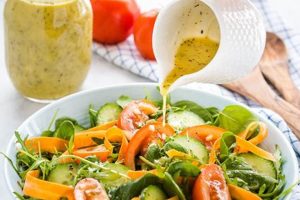
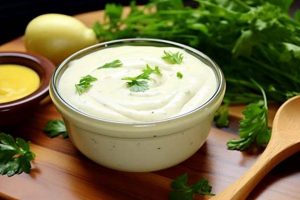
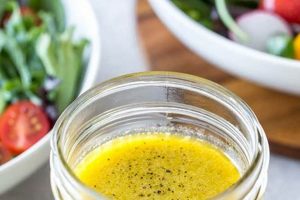
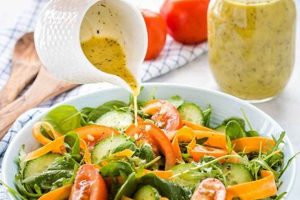
Flavorful, vibrant dressings inspired by various Asian culinary traditions enhance salads with unique taste profiles. These dressings often incorporate ingredients such as soy sauce, sesame oil, rice vinegar, ginger, garlic, chili, and citrus fruits, creating a balance of sweet, sour, salty, and umami flavors. A classic example features a blend of soy sauce, rice vinegar, sesame oil, and a touch of ginger.
The increasing popularity of these dressings reflects a growing appreciation for diverse culinary influences and lighter, healthier meal options. They offer a departure from traditional creamy dressings, providing a refreshing and flavorful alternative. Historically, many of these flavor combinations stem from ancient culinary practices across the Asian continent, reflecting the unique ingredients and traditions of specific regions. These dressings not only elevate the taste of simple salads but also introduce beneficial nutrients and antioxidants found in the core ingredients.
This article will delve into the nuances of crafting authentic dressings inspired by various Asian cuisines, exploring regional variations and providing practical recipes for readers to experiment with at home.
Tips for Crafting Exceptional Asian-Inspired Salad Dressings
Creating a balanced and flavorful Asian-inspired salad dressing involves careful consideration of ingredients and techniques. The following tips offer guidance for achieving optimal results.
Tip 1: Balance is Key: Strive for a harmonious blend of sweet, sour, salty, and umami flavors. Taste and adjust ingredients as needed to achieve the desired balance. For instance, if a dressing is too sweet, a splash of rice vinegar can restore equilibrium.
Tip 2: Fresh Ingredients Matter: Whenever possible, utilize fresh ingredients, especially ginger, garlic, and chili peppers. Fresh ingredients offer a brighter, more vibrant flavor profile compared to their dried counterparts.
Tip 3: Emulsification Techniques: Proper emulsification ensures a smooth, creamy texture that coats the salad ingredients evenly. Whisking ingredients constantly while slowly drizzling in oil is a common technique.
Tip 4: Toast Sesame Seeds: Toasting sesame seeds before adding them to a dressing enhances their nutty aroma and flavor. Toast lightly in a dry pan over medium heat until fragrant.
Tip 5: Explore Regional Variations: Asian cuisine encompasses a wide range of flavor profiles. Experiment with ingredients specific to different regions, such as fish sauce in Southeast Asian dressings or miso paste in Japanese-inspired dressings.
Tip 6: Customize to Preference: Recipes offer a starting point. Feel free to adapt and customize dressings based on individual preferences. For example, spice levels can be adjusted by adding more or less chili.
Tip 7: Proper Storage: Store dressings in airtight containers in the refrigerator for optimal freshness. Most dressings will keep for up to a week.
By following these tips, one can create delicious and authentic Asian-inspired salad dressings that elevate any salad.
These insights into crafting exceptional dressings provide a foundation for exploring specific recipes and regional variations discussed in the following sections.
1. Flavor Balance

Flavor balance is paramount in crafting successful Asian-inspired salad dressings. The interplay of sweet, sour, salty, and umami creates a harmonious taste profile that elevates the overall dining experience. A well-balanced dressing complements the salad’s ingredients without overpowering them, enhancing the textures and flavors of the vegetables and other components.
- Sweetness
Sweetness often comes from ingredients like mirin, sugar, or fruit juices. It provides a counterpoint to other flavors and rounds out the overall taste. For example, a touch of honey can balance the acidity of rice vinegar in a Japanese-inspired dressing. Overly sweet dressings can be cloying, while a lack of sweetness can make the dressing taste harsh.
- Sourness
Sourness is typically introduced through rice vinegar, lime juice, or other citrus fruits. It adds brightness and complexity, cutting through richness and stimulating the palate. Consider the vibrant acidity of lime juice in a Thai-inspired dressing. Too much sourness can make a dressing unpleasant, while too little can result in a flat taste.
- Saltiness
Saltiness is essential for enhancing other flavors and providing depth. Soy sauce, fish sauce, and sea salt are common sources. The umami-rich saltiness of fish sauce in a Vietnamese dressing exemplifies this element. Excessive salt can overpower the dressing, while insufficient salt can lead to a bland flavor.
- Umami
Umami, often described as a savory, meaty flavor, adds complexity and richness. Ingredients like soy sauce, fish sauce, miso paste, and sesame oil contribute umami notes. The deep umami of toasted sesame oil in a Chinese-inspired dressing illustrates this component. Balancing umami with other flavors is crucial for preventing the dressing from becoming too intense.
Mastering the interplay of these four elementssweetness, sourness, saltiness, and umamiis essential for creating a truly exceptional Asian-inspired salad dressing. The precise balance will vary depending on the specific regional cuisine being emulated, but the fundamental principle of harmony remains constant.
2. Fresh Ingredients
The vibrancy and authenticity of Asian-inspired salad dressings rely heavily on the use of fresh ingredients. These dressings often highlight the natural flavors of herbs, spices, and produce, making ingredient freshness paramount. Fresh ingredients contribute significantly to the overall sensory experience, offering brighter flavors, more appealing aromas, and vibrant colors. The delicate balance of sweet, sour, salty, and umami characteristic of these dressings is best achieved with ingredients at their peak flavor. For example, the pungent bite of fresh ginger or the fragrant aroma of freshly chopped cilantro simply cannot be replicated using dried or processed substitutes. Using fresh garlic instead of garlic powder, or freshly squeezed lime juice instead of bottled concentrate, dramatically elevates the complexity and authenticity of the final product. This emphasis on fresh ingredients aligns with broader culinary trends that prioritize natural, unprocessed foods.
The impact of using fresh ingredients extends beyond flavor enhancement. Fresh herbs and spices, such as ginger, garlic, and chili peppers, possess beneficial compounds and antioxidants known for their health-promoting properties. Incorporating these fresh elements into dressings not only elevates taste but also adds nutritional value to the meal. Furthermore, utilizing fresh produce in the salad itself, combined with a vibrant, freshly made dressing, creates a light and refreshing dish that celebrates the natural flavors of each component. The practice of using fresh ingredients reflects a commitment to both culinary excellence and healthful eating.
Prioritizing fresh ingredients in Asian-inspired salad dressings is crucial for achieving optimal flavor and maximizing health benefits. While some substitutions may be acceptable in certain situations, the use of fresh, high-quality ingredients remains a defining characteristic of authentic and flavorful results. This commitment to freshness directly influences the overall culinary experience, contributing to a more vibrant, flavorful, and healthful dish.
3. Regional Variations

Regional variations play a pivotal role in the diverse landscape of Asian-inspired salad dressings. Distinct culinary traditions across the Asian continent influence flavor profiles, ingredient selections, and preparation techniques. Understanding these regional nuances provides a deeper appreciation for the complexity and richness inherent in these dressings. A Japanese goma dressing, for example, features toasted sesame seeds and a balanced sweetness, while a Thai peanut dressing highlights the rich, savory notes of peanuts, lime, and chili. These variations reflect not only different flavor preferences but also the availability of local ingredients and historical culinary practices. Exploring regional variations allows for a more nuanced understanding of Asian cuisine as a whole.
The impact of regional variations extends beyond simple ingredient swaps. Different regions utilize specific techniques that fundamentally alter the dressing’s character. For instance, Vietnamese dressings often incorporate fish sauce, a fermented ingredient that adds a unique umami depth, while Korean dressings might utilize gochujang, a fermented chili paste that provides a complex spicy-sweet flavor. These regional distinctions highlight the intricate relationship between ingredients, techniques, and cultural influences. Recognizing these nuances allows one to appreciate the depth and breadth of Asian culinary traditions.
Appreciating regional variations within Asian-inspired salad dressings allows for greater culinary exploration and a more informed approach to recipe development. By understanding the core flavors and techniques characteristic of specific regions, one can create more authentic and flavorful dishes. This knowledge empowers culinary creativity, encouraging experimentation while respecting the foundational principles of each regional cuisine. Furthermore, understanding these variations fosters a deeper appreciation for the rich culinary heritage of Asia.
4. Ingredient Quality
Ingredient quality significantly impacts the flavor profile of Asian-inspired salad dressings. The nuanced flavors characteristic of these dressings, often relying on a delicate balance of sweet, sour, salty, and umami, are best achieved with high-quality ingredients. Freshly grated ginger, for example, offers a brighter, more pungent aroma and flavor compared to pre-ground ginger. Similarly, using premium soy sauce, made with traditional methods, contributes a depth of flavor that mass-produced versions lack. The quality of oils also plays a crucial role; cold-pressed sesame oil possesses a richer, nuttier flavor than refined sesame oil. Selecting superior ingredients elevates the overall sensory experience, resulting in a more vibrant and authentic dressing. This principle applies to all components, from the type of rice vinegar used to the freshness of herbs and spices.
The impact of ingredient quality extends beyond immediate flavor. High-quality ingredients often translate to higher nutritional value. Freshly squeezed citrus juice, for instance, contains more vitamin C and antioxidants than bottled concentrates. Using organic produce minimizes exposure to pesticides and herbicides. Selecting ingredients from local farmers markets supports sustainable agriculture and ensures optimal freshness. While cost considerations sometimes necessitate compromises, prioritizing quality whenever possible significantly enhances both the flavor and health benefits of the final product. This principle aligns with a broader culinary movement emphasizing whole, unprocessed foods and mindful sourcing practices.
Investing in high-quality ingredients represents a commitment to culinary excellence and directly influences the success of Asian-inspired salad dressings. While substitutions may be necessary at times, understanding the impact of ingredient quality empowers informed decision-making. Prioritizing quality ingredients, whenever feasible, elevates the taste, nutritional value, and overall culinary experience. This awareness enables the creation of dressings that are not only flavorful but also reflective of a broader appreciation for culinary craftsmanship and mindful eating.
5. Versatile Applications

Asian-inspired salad dressings, while traditionally associated with salads, offer a surprising range of culinary applications. Their complex flavor profiles, often balancing sweet, sour, salty, and umami notes, lend themselves to various uses beyond simply dressing greens. This versatility extends their value in the kitchen, transforming them from a simple condiment to a multifaceted ingredient.
- Marinades for Protein
These dressings function effectively as marinades for various proteins, including chicken, beef, pork, tofu, and seafood. The enzymes in ingredients like ginger and garlic help tenderize the protein, while the complex flavors infuse the meat, creating a depth of flavor that enhances grilling, baking, or pan-frying. For example, a ginger-soy dressing can impart a savory-sweet flavor to grilled chicken, while a lemongrass-chili dressing can add a vibrant kick to shrimp skewers.
- Noodle and Grain Bowl Enhancer
Asian-inspired dressings elevate noodle and grain bowls by adding a vibrant layer of flavor. Their ability to coat noodles and grains evenly ensures a consistent flavor distribution throughout the dish. A sesame-ginger dressing can complement soba noodles and vegetables, while a peanut dressing enhances a quinoa bowl with roasted tofu and edamame.
- Vegetable Glaze
Roasted or grilled vegetables benefit from a glaze made with these dressings. The sugars in the dressing caramelize during cooking, creating a delicious crust and adding a depth of flavor to the vegetables. A miso-based dressing can glaze roasted eggplant, while a sweet chili dressing can enhance grilled broccoli.
- Dipping Sauces
These dressings can serve as dipping sauces for spring rolls, dumplings, or even grilled meats. Their balanced flavors and varying textures provide a refreshing contrast to the richness of these foods. A peanut sauce, for instance, provides a creamy counterpoint to crispy spring rolls, while a ginger-soy dressing complements steamed dumplings.
The versatility of Asian-inspired salad dressings extends far beyond their traditional use. By understanding their potential in marinades, noodle and grain bowl enhancements, vegetable glazes, and dipping sauces, cooks can leverage these flavor-packed concoctions to create a diverse range of dishes, maximizing both flavor and culinary creativity.
6. Dietary Adaptations

Dietary adaptations play a crucial role in ensuring Asian-inspired salad dressings cater to various individual needs and preferences. Adapting recipes allows for broader inclusivity, accommodating dietary restrictions without compromising flavor or authenticity. This consideration is essential for creating dishes accessible to a wider audience. Modifications address common dietary concerns, such as gluten intolerance, veganism, reduced sugar intake, and nut allergies, among others.
- Gluten-Free Adaptations
Traditional soy sauce, a staple in many Asian dressings, contains gluten. Substituting tamari or coconut aminos provides a gluten-free alternative that maintains the savory, umami flavor profile. This substitution allows individuals with celiac disease or gluten sensitivity to enjoy these dressings without adverse reactions. Careful attention to other ingredients, such as pre-made sauces and spice blends, is also necessary to ensure complete gluten avoidance.
- Vegan Adaptations
Certain Asian dressings utilize ingredients like fish sauce or honey. Substituting fish sauce with a seaweed-based alternative or mushroom powder provides a comparable umami flavor while adhering to vegan principles. Maple syrup or agave nectar can replace honey for sweetness. These adaptations ensure that plant-based diners can enjoy the complex flavors of Asian-inspired dressings.
- Reduced Sugar Adaptations
Managing sugar intake is a common dietary concern. Reducing the amount of sugar or honey in a dressing recipe, or substituting with a low-glycemic sweetener like stevia, allows for a healthier option without sacrificing flavor balance. Focusing on the savory and acidic components of the dressing can compensate for reduced sweetness. This approach offers a more health-conscious alternative while preserving the core flavor profile.
- Nut-Free Adaptations
Nut allergies are a significant concern. Many Asian dressings, particularly those inspired by Southeast Asian cuisine, incorporate peanuts or other tree nuts. Substituting sunflower seed butter or tahini for peanut butter offers a comparable creamy texture and flavor while eliminating the allergen. Careful attention to ingredient labels is crucial to ensure all components are nut-free. This adaptation ensures inclusivity for individuals with nut allergies.
Dietary adaptations allow Asian-inspired salad dressings to transcend limitations and cater to a diverse range of dietary needs. These modifications ensure that flavorful and authentic culinary experiences remain accessible to all, regardless of dietary restrictions. By understanding and implementing these adaptations, individuals can enjoy the complex and vibrant flavors of Asian cuisine while maintaining their specific dietary requirements.
7. Creative Experimentation

Creative experimentation forms an integral component of culinary evolution, particularly within the dynamic realm of Asian-inspired salad dressings. It allows for the development of novel flavor profiles and the adaptation of traditional recipes to suit contemporary palates and ingredient availability. This experimentation drives innovation, pushing the boundaries of established culinary norms and fostering a deeper understanding of flavor interactions. For example, incorporating ingredients not typically found in traditional Asian cuisine, such as roasted beets or pomegranate seeds, can introduce unexpected textural and flavor dimensions, leading to unique and exciting culinary creations. The fusion of traditional techniques with modern ingredients expands the possibilities within this culinary genre. Experimentation can also involve modifying traditional recipes to better suit dietary restrictions, like substituting coconut aminos for soy sauce to create a gluten-free version of a classic dressing. This adaptability ensures broader accessibility and inclusivity within the culinary landscape.
The practical significance of creative experimentation manifests in several ways. It encourages culinary discovery, allowing individuals to personalize recipes and develop signature dishes. Experimentation also promotes resourcefulness, enabling cooks to adapt recipes based on available ingredients and reduce food waste. For instance, using leftover roasted vegetables in a salad and creating a complementary dressing based on those flavors exemplifies this resourcefulness. Furthermore, experimentation fosters a deeper understanding of flavor profiles, enabling individuals to confidently balance sweet, sour, salty, and umami elements in their culinary creations. This understanding empowers culinary creativity and allows for greater control over the final product.
Creative experimentation within the context of Asian-inspired salad dressings allows for continuous culinary evolution and personalized culinary expression. It fosters innovation, adaptability, and a deeper understanding of flavor dynamics, ultimately enriching the culinary landscape. While respecting the foundations of traditional cuisine, embracing experimentation allows for the creation of novel flavor combinations and broader culinary accessibility, ensuring the continued vibrancy and relevance of these culinary traditions.
Frequently Asked Questions
This section addresses common inquiries regarding the preparation and use of Asian-inspired salad dressings, providing practical guidance for achieving optimal results.
Question 1: What is the best type of oil to use in Asian-inspired salad dressings?
Neutral oils like grapeseed or avocado oil provide a clean canvas for other flavors. Sesame oil, while flavorful, should be used sparingly due to its strong aroma. The choice of oil depends on the desired flavor profile.
Question 2: How long can Asian-inspired salad dressings be stored?
Most dressings can be stored in an airtight container in the refrigerator for up to one week. However, dressings containing fresh ingredients like herbs or avocado may have a shorter shelf life.
Question 3: Can these dressings be used for more than just salads?
Absolutely. These dressings are versatile and can be used as marinades for proteins, sauces for noodles or rice bowls, glazes for roasted vegetables, and dipping sauces.
Question 4: How can one adapt these dressings for gluten-free diets?
Substitute tamari or coconut aminos for traditional soy sauce to eliminate gluten. Ensure all other ingredients, including pre-made sauces and spice blends, are also gluten-free.
Question 5: How can spice levels be adjusted in these dressings?
Fresh chili peppers or chili flakes offer adjustable heat. Start with a small amount and gradually increase to achieve the desired spice level. Removing seeds and membranes from chili peppers reduces heat.
Question 6: What are common mistakes to avoid when making these dressings?
Overusing sesame oil, neglecting to balance flavors, and using low-quality ingredients can detract from the final product. Careful attention to ingredient quality and flavor balance is essential.
Understanding these common inquiries provides a solid foundation for successful preparation and utilization of these versatile dressings.
The following section will explore specific regional variations in greater detail, providing in-depth culinary insights and practical recipes.
Asian Dressing for Salad Recipe
Exploration of Asian-inspired salad dressings reveals a diverse culinary landscape rich in flavor and tradition. Emphasis on fresh, high-quality ingredients, balanced flavor profiles encompassing sweet, sour, salty, and umami notes, and regional variations from across the Asian continent contribute to the unique character of these dressings. Versatility extends beyond salads, encompassing marinades, dipping sauces, and flavor enhancements for various dishes. Adaptability to dietary restrictions ensures inclusivity and accessibility. Creative experimentation fosters culinary innovation within this vibrant culinary tradition.
Culinary exploration within this realm offers a journey through diverse flavors and traditions. Continued experimentation and appreciation for regional nuances promise further evolution and innovation within this exciting culinary space. The potential for discovery and personalized expression ensures the enduring appeal of Asian-inspired salad dressings within the global culinary landscape.