A culinary creation featuring the leaves of the dandelion plant as the primary ingredient, combined with other complementary components like vegetables, fruits, nuts, cheese, and a flavorful dressing, constitutes a dish focused on this readily available, nutrient-rich plant. For example, a simple version might include young dandelion leaves, crumbled bacon, red onion slices, and a vinaigrette made with olive oil and lemon juice.
Utilizing this often-overlooked plant offers notable nutritional advantages. Dandelion greens are a rich source of vitamins A, C, and K, as well as minerals like potassium and iron. Historically, dandelions have been valued for their medicinal properties and used in traditional medicine across various cultures. Incorporating them into salads presents a palatable way to benefit from their nutritional value while adding a unique, slightly bitter flavor dimension to meals.
This discussion will further explore the identification and foraging of dandelion greens, techniques for minimizing bitterness, diverse recipe variations, and the potential health benefits associated with their consumption.
Tips for Preparing Dandelion Greens Salads
Optimizing the flavor and enjoyment of dishes featuring dandelion greens requires attention to key preparation techniques.
Tip 1: Harvest young leaves. Younger leaves offer a milder, less bitter flavor compared to mature leaves. Look for small, tender leaves close to the base of the plant.
Tip 2: Blanch to reduce bitterness. Briefly submerging the leaves in boiling water, followed by an immediate ice bath, helps mitigate bitterness while preserving nutrients and vibrant green color.
Tip 3: Balance flavors. The inherent bitterness of dandelion greens pairs well with contrasting flavors. Consider incorporating sweet elements like dried cranberries or sliced apples, salty ingredients such as bacon or feta cheese, and acidic components like lemon juice or vinegar.
Tip 4: Choose the right dressing. A robust vinaigrette, creamy dressing, or even a simple lemon-herb dressing can complement the flavor profile of dandelion greens. Avoid overly sweet or light dressings, which may not balance the bitterness effectively.
Tip 5: Mix with other greens. Combining dandelion greens with milder lettuces like spinach, arugula, or romaine can create a more balanced flavor and texture.
Tip 6: Incorporate textural variety. Add toasted nuts, seeds, croutons, or roasted vegetables to enhance the overall sensory experience.
Tip 7: Don’t overdress. Add dressing just before serving to prevent the salad from becoming wilted or soggy.
Careful attention to these details allows one to maximize the culinary potential of dandelion greens and create flavorful, nutritious salads.
By following these tips, culinary enthusiasts can unlock the full potential of dandelion greens and enjoy their distinctive flavor and nutritional benefits.
1. Fresh, Young Greens

The foundation of a successful dandelion greens salad lies in the selection of fresh, young greens. Their tenderness and milder flavor profile are crucial for a palatable and enjoyable culinary experience. Mature dandelion greens develop a pronounced bitterness that can overwhelm other ingredients. Therefore, prioritizing young greens is paramount for achieving a balanced and flavorful salad.
- Leaf Size and Appearance
Young dandelion leaves are generally smaller and less serrated than mature leaves. They exhibit a vibrant green color and a smooth, almost velvety texture. Larger, deeply lobed leaves with a coarse texture indicate maturity and a potentially overwhelming bitterness. Selecting smaller, tender leaves ensures a more delicate flavor and pleasant texture in the salad.
- Bitterness Level
The bitterness of dandelion greens intensifies with age. Young leaves possess a subtle, manageable bitterness that can be balanced with other ingredients and dressings. This inherent bitterness contributes a unique complexity to the salad, but excessive bitterness can detract from the overall enjoyment. Utilizing young leaves allows for better control over the bitterness level, ensuring a more palatable dish.
- Nutritional Value
While mature dandelion greens offer nutritional benefits, young leaves often contain a higher concentration of certain vitamins and minerals. The tender leaves are more readily digested and assimilated by the body, maximizing nutrient absorption. Choosing fresh, young greens optimizes the nutritional value of the salad.
- Culinary Versatility
Young dandelion greens offer greater culinary versatility due to their milder flavor. They can be incorporated into a wider range of salad combinations and preparations. Their delicate nature allows them to blend seamlessly with other ingredients without overpowering the overall flavor profile. This adaptability makes young greens ideal for various culinary creations.
By emphasizing the use of fresh, young dandelion greens, one ensures a more palatable and enjoyable salad. The reduced bitterness, enhanced nutritional value, and increased culinary versatility contribute to a superior culinary experience, highlighting the importance of selecting the right greens for optimal flavor and texture.
2. Balanced Bitterness

The perceived bitterness of dandelion greens plays a crucial role in the overall success of a dandelion greens salad recipe. Managing and balancing this bitterness is essential for creating a palatable and enjoyable dish. While bitterness contributes a unique and desirable complexity, excessive bitterness can be off-putting. Therefore, understanding how to mitigate and balance this key flavor component is paramount.
- Sources of Bitterness
The bitterness in dandelion greens stems from phytochemicals, particularly taraxacin and sesquiterpene lactones. These compounds are naturally present in the plant and contribute to its characteristic flavor profile. The concentration of these bitter compounds increases with the plant’s maturity, explaining why older leaves are significantly more bitter than younger ones. Understanding the source of bitterness allows for targeted strategies to manage its intensity.
- Mitigation Techniques
Several culinary techniques can effectively mitigate the bitterness of dandelion greens. Blanching, which involves briefly boiling the leaves followed by an ice bath, helps reduce bitterness while preserving the greens’ vibrant color and nutrient content. Soaking the leaves in cold water for 30 minutes can also draw out some of the bitterness. Selecting younger leaves, which naturally possess less bitterness, is another effective approach. Combining these techniques can minimize the perception of bitterness without compromising the nutritional value of the salad.
- Balancing Flavors
Balancing the bitterness of dandelion greens involves incorporating ingredients and dressings that complement and contrast its flavor profile. Acidic elements like lemon juice, vinegar, or citrus segments cut through the bitterness, creating a more balanced palate sensation. Sweet components, such as dried cranberries, sliced apples, or a touch of honey, offer a counterpoint to the bitterness. Savory additions, like crumbled bacon, toasted nuts, or a salty cheese, can further enhance the complexity and balance of the overall flavor profile.
- The Role of Fat
Incorporating healthy fats, such as olive oil, avocado, or nuts, plays a vital role in balancing bitterness. Fats coat the palate, mitigating the intensity of bitter compounds and creating a smoother, more rounded flavor experience. The creamy texture of these fats also contrasts with the slight chewiness of the greens, enhancing the overall sensory experience of the salad.
Balancing bitterness is a critical factor in creating a delicious and enjoyable dandelion greens salad. By understanding the sources of bitterness, employing appropriate mitigation techniques, and strategically incorporating balancing flavors, the inherent bitterness of dandelion greens can be harnessed to create a complex and rewarding culinary experience. This balance elevates the salad from simply nutritious to truly delicious.
3. Complementary Ingredients

Complementary ingredients are essential for a successful dandelion greens salad recipe, transforming a potentially one-dimensional dish into a multi-faceted culinary experience. The inherent bitterness of dandelion greens necessitates thoughtful ingredient pairings to achieve a balanced and nuanced flavor profile. These additions not only mitigate bitterness but also contribute textural complexity and enhance nutritional value. Consider the interplay between dandelion greens and ingredients such as crumbled bacon: the saltiness of the bacon offsets the greens’ bitterness, while its crisp texture contrasts with their slight chewiness. Similarly, the sweetness of roasted butternut squash or dried cranberries provides a counterpoint to the bitterness, adding depth and complexity.
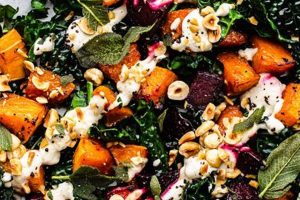
The strategic selection of complementary ingredients extends beyond flavor considerations. Textural variety is equally important. Toasted nuts, such as walnuts or pecans, introduce a satisfying crunch, while creamy goat cheese offers a contrasting smoothness. The addition of ingredients like sliced radishes or thinly shaved red onion provides a refreshing bite. Furthermore, complementary ingredients contribute to the overall nutritional value of the salad. Adding protein-rich components like grilled chicken or hard-boiled eggs transforms the salad into a complete meal. Incorporating nutrient-dense vegetables, such as bell peppers or cucumbers, further enhances the nutritional profile. Examples include combining roasted beets with goat cheese and walnuts, or pairing sliced pears with gorgonzola and candied pecans.
Understanding the role of complementary ingredients is crucial for crafting a well-balanced and enjoyable dandelion greens salad. The judicious selection of ingredients that harmonize with the greens’ bitterness, offer textural contrasts, and enhance nutritional value elevates the dish from a simple side to a complex and satisfying culinary creation. The resulting synergy between the greens and their complementary partners results in a symphony of flavors and textures, demonstrating the critical role of ingredient selection in achieving culinary excellence.
4. Flavorful Dressing
Flavorful dressing constitutes a critical component of a successful dandelion greens salad recipe, serving not merely as a condiment but as an integral element that elevates and balances the overall flavor profile. The inherent bitterness of dandelion greens necessitates a dressing that can both complement and counteract this distinctive characteristic. A bland or overly sweet dressing risks amplifying the bitterness, whereas a well-crafted, flavorful dressing harmonizes with the greens, creating a more nuanced and palatable experience. The interplay between the dressing and the greens determines the ultimate success of the salad. For instance, a vibrant lemon vinaigrette, with its bright acidity and subtle sweetness, cuts through the bitterness of the greens, while a creamy garlic dressing adds richness and depth, mellowing the bitterness without masking it entirely. The dressing acts as a bridge, uniting the disparate flavors of the salad components into a cohesive whole.
The practical significance of this understanding lies in the ability to create dressings that specifically enhance dandelion greens salads. A vinaigrette featuring Dijon mustard, honey, and apple cider vinegar, for example, offers a balance of sweetness, acidity, and pungency, perfectly complementing the bitterness of the greens. Alternatively, a creamy dressing based on Greek yogurt, tahini, and lemon juice provides a rich, tangy counterpoint, further demonstrating the versatility of flavor pairings. The choice of dressing also impacts the textural dimension of the salad. A light vinaigrette maintains the crispness of the greens, while a creamy dressing adds a luscious coating. Considering these nuances empowers one to create dressings tailored to specific flavor preferences and desired textural outcomes. Careful consideration of the dressing’s components ensures that the final salad is not merely a sum of its parts, but a harmonious blend of flavors and textures.
The relationship between flavorful dressing and dandelion greens salad recipes hinges on the principle of balance. The dressing must be robust enough to stand up to the greens’ bitterness yet nuanced enough to allow their unique flavor to shine through. Mastering this balance is key to unlocking the full culinary potential of dandelion greens. Challenges may arise when attempting to cater to diverse palates, necessitating careful calibration of flavors. However, by understanding the interplay of bitterness, acidity, sweetness, and richness, culinary enthusiasts can confidently craft dressings that transform dandelion greens into a delectable and satisfying culinary experience. This knowledge elevates the salad from a simple dish to a sophisticated expression of flavor, demonstrating the power of a well-crafted dressing.
5. Proper Preparation
Proper preparation significantly impacts the palatability and enjoyment of dandelion greens salad recipes. This encompasses careful selection, cleaning, and handling of the greens, along with appropriate pre-treatment methods to optimize flavor and texture. Neglecting proper preparation can result in a salad with excessive bitterness, a tough texture, or compromised flavor balance. Conversely, meticulous attention to detail elevates the dish, showcasing the unique qualities of dandelion greens. Consider the practice of blanching: briefly submerging the leaves in boiling water, followed by an immediate ice bath, reduces bitterness while preserving a vibrant green color and tender texture. This technique exemplifies how proper preparation directly influences the final product’s quality.
Several key steps contribute to proper preparation. Thorough cleaning removes soil and debris, essential for both food safety and optimal flavor. Soaking the leaves in cold water for a short period can further reduce bitterness. Proper drying prevents a soggy salad. Finally, the timing of dressing application is crucial. Adding dressing too early can wilt the greens, compromising texture. Conversely, adding dressing immediately before serving maintains the salad’s freshness and vibrancy. For instance, if preparing a salad with roasted vegetables, allowing the vegetables to cool before combining them with the dressed greens prevents the greens from wilting from the residual heat.
Proper preparation of dandelion greens underscores the connection between technique and culinary outcome. It highlights the fact that even the simplest ingredients benefit from careful handling and attention to detail. While challenges may arisetime constraints, access to specific equipmentunderstanding the underlying principles allows for adaptation and improvisation without sacrificing quality. Ultimately, the practical application of these techniques ensures that the inherent nutritional and flavor potential of dandelion greens is fully realized, transforming a readily available ingredient into a culinary delight.
Frequently Asked Questions
This section addresses common inquiries regarding the utilization of dandelion greens in salad recipes, providing concise and informative responses.
Question 1: How does one mitigate the bitterness of dandelion greens?
Several techniques can reduce bitterness. Blanching the leaves briefly in boiling water, followed by an immediate ice bath, effectively diminishes bitterness while preserving color and nutrients. Soaking the leaves in cold water for 30 minutes can also help. Selecting younger, more tender leaves, which are naturally less bitter, offers another solution.
Question 2: Where can dandelion greens be obtained?
Dandelion greens can be foraged from areas free of pesticides and herbicides, ensuring safe consumption. They can also be purchased from farmers’ markets, specialty grocery stores, or grown in home gardens.
Question 3: Are there any safety concerns associated with consuming dandelion greens?
Individuals with allergies to plants in the Asteraceae family (ragweed, chrysanthemums, marigolds) should exercise caution. Furthermore, dandelions can absorb pollutants from the soil; therefore, foraging from contaminated areas should be avoided. Consulting a healthcare professional before consumption is recommended for individuals with specific health conditions or those taking certain medications.
Question 4: What are the nutritional benefits of incorporating dandelion greens into salads?
Dandelion greens are rich in vitamins A, C, and K, as well as minerals such as potassium and iron. They also provide antioxidants and fiber, contributing to a nutrient-rich diet.
Question 5: Can dandelion greens be stored for later use?
Freshly harvested or purchased dandelion greens can be stored in the refrigerator for several days, ideally wrapped in a damp paper towel and placed in a sealed plastic bag. This helps maintain their freshness and crispness.
Question 6: How do dandelion greens compare to other salad greens in terms of flavor?
Dandelion greens possess a unique, slightly bitter flavor that distinguishes them from milder greens like spinach or romaine lettuce. This distinct bitterness adds complexity to salads and pairs well with contrasting flavors such as sweet, salty, and acidic ingredients.
Proper preparation and ingredient selection are essential for maximizing the culinary potential of dandelion greens. Considering these aspects allows one to create flavorful and nutritious salads that showcase the unique qualities of this versatile green.
The following section will explore various dandelion greens salad recipes, providing practical examples of how to incorporate these techniques and ingredients into delicious culinary creations.
Conclusion
Exploration of dandelion greens salad recipes reveals the potential of this often-overlooked ingredient. Careful selection of young, tender leaves, coupled with appropriate preparation techniques like blanching or soaking, mitigates inherent bitterness. Balancing flavors through complementary ingredientsacidic dressings, sweet fruits, savory nuts or cheesescreates a nuanced flavor profile. Attention to texture, achieved through incorporating crunchy elements or creamy additions, further enhances the culinary experience. Nutritional benefits, including vitamins, minerals, and antioxidants, underscore the value of incorporating dandelion greens into one’s diet.
Culinary experimentation with dandelion greens offers a pathway to both novel flavors and enhanced nutritional intake. Further investigation into regional variations and culinary traditions surrounding this versatile plant promises continued discovery and appreciation of its culinary potential. The integration of dandelion greens into modern gastronomy represents a step toward sustainable and health-conscious cuisine.