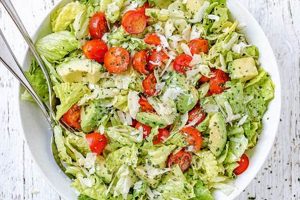
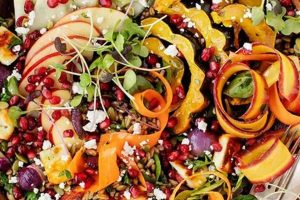
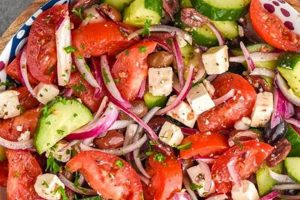
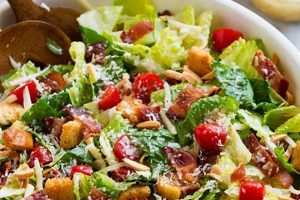
Elevating salads beyond the realm of raw vegetables, culinary innovation introduces the concept of applying roasting techniques to create warm, flavorful, and texturally complex dishes. Imagine tender, caramelized root vegetables like sweet potatoes and beets, paired with charred Brussels sprouts and nutty roasted broccoli. This approach transforms familiar ingredients, adding depth and richness to a traditionally light meal.
This method offers significant advantages. Roasting enhances the natural sweetness of vegetables through caramelization, creating a more satisfying and nuanced flavor profile. It also adds appealing textures, contrasting crispy edges with tender interiors. Furthermore, this cooking technique can simplify meal preparation by allowing batch cooking of components, leading to convenient assembly later. Historically, roasted vegetables have held a prominent place in various cuisines worldwide, demonstrating their enduring appeal across cultures and time.
Exploring this culinary approach opens doors to a world of diverse flavors and textures. The following sections will delve into specific techniques for roasting various vegetables, provide inspiring recipe ideas, and offer guidance on balancing flavors and creating harmonious combinations.
Tips for Creating Exceptional Roasted Salads
Achieving optimal results when preparing salads featuring roasted elements requires attention to detail and a grasp of fundamental culinary principles. The following tips provide guidance for maximizing flavor, texture, and overall appeal.
Tip 1: Uniform Vegetable Size: Consistent sizing ensures even cooking. Larger pieces will roast more slowly than smaller ones, potentially leading to uneven doneness and impacting overall flavor development.
Tip 2: High-Heat Roasting: Employing high temperatures (400-450F/200-230C) promotes caramelization and desirable texture, resulting in crispy exteriors and tender interiors.
Tip 3: Proper Oil Coating: Adequate oil coverage ensures even heat distribution and prevents sticking. A light coating is sufficient; excessive oil can lead to soggy results.
Tip 4: Seasoning Strategically: Seasoning should be applied before roasting to enhance flavor penetration. Consider using herbs, spices, and aromatics to create depth and complexity.
Tip 5: Avoid Overcrowding: Overcrowding the pan inhibits proper airflow and can lead to steaming rather than roasting, compromising texture and flavor development.
Tip 6: Balancing Flavors and Textures: Consider incorporating a variety of vegetables with complementary flavors and textures. Combine sweet root vegetables with cruciferous vegetables and leafy greens for a well-rounded salad.
Tip 7: Don’t Neglect the Dressing: A well-chosen dressing can elevate the entire salad. Vinaigrettes, tahini-based dressings, and creamy dressings can all complement roasted vegetables.
By adhering to these guidelines, one can consistently produce flavorful and visually appealing salads with roasted components. Proper technique maximizes the inherent qualities of the vegetables, yielding dishes that are both nutritious and satisfying.
Mastery of these techniques allows for creative exploration and the development of unique flavor combinations. The following section will offer a concluding perspective on the versatility and enduring appeal of incorporating roasted elements into salads.
1. Vegetable Selection
Vegetable selection forms the foundation of a successful roasted salad. The inherent qualities of each vegetableits density, moisture content, and sweetnessdictate how it transforms under high heat. Considerations extend beyond mere preference; informed choices directly impact the final dish’s flavor, texture, and nutritional value. For instance, dense root vegetables like carrots and sweet potatoes develop a caramelized sweetness when roasted, offering a robust counterpoint to lighter, quicker-cooking vegetables like asparagus or bell peppers. Choosing vegetables based on their roasting properties ensures a balanced and harmonious final product.
Strategic pairings amplify the complexity of roasted salads. Combining vegetables with complementary flavors and textures creates a more dynamic and satisfying sensory experience. The earthy sweetness of roasted beets pairs well with the peppery bite of arugula, while the nutty char of Brussels sprouts complements the creamy texture of roasted butternut squash. Furthermore, varying the size and shape of vegetable cuts influences both cooking time and visual appeal. Larger pieces retain moisture and develop tender interiors, while smaller, uniformly cut pieces offer more surface area for caramelization and crispness. Attention to such details allows for a nuanced and layered flavor profile.
Mastering vegetable selection empowers culinary creativity and allows for a wide range of flavor combinations. Understanding the interplay of different vegetables and their responses to roasting unlocks the potential for innovative and exciting salads. While personal preference plays a role, optimizing vegetable choices based on desired outcomesflavor, texture, and overall balanceelevates roasted salads from simple to sophisticated. This mindful approach ensures a flavorful, visually appealing, and nutritionally rich culinary experience.
2. Roasting Techniques

Roasting techniques constitute a critical element in crafting exceptional roasted salads. The application of heat transforms raw vegetables, influencing their flavor, texture, and overall appeal. Understanding the nuances of these techniques allows for precise control over the final product, ensuring desirable outcomes. Temperature regulation plays a pivotal role; high heat promotes caramelization and crispness, while lower temperatures encourage tenderization. Duration of roasting also significantly impacts the final result, with longer roasting times yielding deeper flavors and softer textures. For instance, root vegetables benefit from longer roasting at moderate temperatures to develop their inherent sweetness, whereas delicate greens might require only a brief exposure to high heat to achieve a desirable char.
Beyond temperature and time, other factors influence roasting outcomes. The choice of oil impacts flavor and texture; olive oil lends a fruity note, while avocado oil offers a higher smoke point for high-heat applications. Seasoning also plays a crucial role, enhancing the natural flavors of the vegetables. Herbs, spices, and aromatics can be applied before, during, or after roasting to create layered complexity. The use of a roasting pan versus a sheet pan also affects the final product. Roasting pans promote even cooking, while sheet pans encourage air circulation and crisping. Strategic application of these techniques allows for customization and optimization of flavor profiles, ensuring a diverse range of roasted salad possibilities. Consider the distinct flavor profiles achieved by roasting Brussels sprouts with balsamic vinegar versus roasting them with maple syrup and pecans the technique facilitates vastly different, yet equally appealing, results.
Mastery of roasting techniques provides a foundation for culinary innovation within the realm of roasted salads. Careful consideration of temperature, time, oil selection, seasoning, and pan choice empowers the creation of dishes that are both flavorful and visually appealing. Understanding these nuances not only enhances the sensory experience but also allows for greater control over the final product, ensuring consistent quality and maximizing the potential of each ingredient. This precision elevates roasted salads beyond simple vegetable medleys, transforming them into complex and satisfying culinary creations.
3. Flavor Combinations
Flavor combinations constitute a defining characteristic of successful roasted salad recipes. The interplay of tastes significantly impacts the overall sensory experience. Roasting itself intensifies the inherent sweetness of many vegetables through caramelization, creating a foundational flavor profile upon which further complexity can be built. Strategic pairings amplify this effect. For example, the earthy sweetness of roasted root vegetables, such as beets or sweet potatoes, harmonizes well with the sharp, peppery notes of arugula or the tangy zest of citrus fruits. Similarly, the nutty char achieved when roasting Brussels sprouts or broccoli complements the creamy richness of roasted butternut squash or the bright acidity of a vinaigrette dressing. Understanding these flavor affinities allows for the creation of balanced and nuanced compositions.
Consider the impact of incorporating contrasting elements. Salty cheeses, like feta or goat cheese, provide a counterpoint to the sweetness of roasted vegetables. Adding toasted nuts or seeds introduces textural complexity and complements the roasted flavors. The strategic use of herbs and spices further enhances the flavor profile. For instance, rosemary and thyme pair well with roasted root vegetables, while cumin and coriander complement roasted cauliflower or chickpeas. The interplay of these flavors creates a dynamic and engaging culinary experience. Practical application involves considering the intensity of each flavor component and adjusting proportions accordingly. A balanced flavor profile avoids overwhelming any single taste, allowing the nuances of each ingredient to shine through. Careful consideration of flavor combinations elevates roasted salads from simple vegetable medleys to sophisticated and satisfying dishes.
Mastering flavor combinations in roasted salad recipes requires both an understanding of basic taste principles and a willingness to experiment. Balancing sweet, savory, acidic, bitter, and umami elements creates a harmonious and multi-dimensional flavor profile. Challenges may arise when combining ingredients with strong or conflicting flavors. However, thoughtful consideration of flavor pairings and judicious use of seasonings allows for successful navigation of these challenges. The integration of diverse flavors and textures transforms roasted salads into culinary expressions, showcasing the versatility and potential of this culinary approach. This understanding empowers the creation of unique and memorable dishes that both delight the palate and offer a nutritional and satisfying meal.
4. Textural Contrast

Textural contrast significantly contributes to the overall appeal of roasted salad recipes. A combination of textures elevates these dishes beyond simple mixtures of ingredients, engaging multiple senses and creating a more dynamic culinary experience. The interplay of textures transforms a basic salad into a complex and satisfying dish. This careful orchestration of textures elevates the dining experience, adding depth and intrigue to each bite.
- Crispy Elements
Roasted vegetables offer inherent opportunities for crispness. High-heat cooking methods create appealingly browned and crisp edges on vegetables such as Brussels sprouts, broccoli, or potatoes. These crispy elements provide a satisfying counterpoint to softer components within the salad. Achieving the desired level of crispness requires attention to oven temperature, cooking time, and avoiding overcrowding the pan. This balance enhances enjoyment, offering a stimulating textural variety.
- Tender Components
Balancing crispy elements with tender components ensures a well-rounded textural profile. Roasted root vegetables, such as sweet potatoes or beets, often retain a tender interior even when their exteriors caramelize and crisp. This contrast in textures within a single ingredient adds complexity. Incorporating other tender elements, such as cooked grains like quinoa or farro, further enhances the interplay of textures. The resulting combination satisfies a range of textural preferences.
- Crunchy Additions
Introducing crunchy elements contributes another layer of textural contrast. Toasted nuts, seeds, or croutons provide a satisfying crunch, contrasting with both crispy and tender components. These additions also introduce flavor complexity and enhance the overall nutritional value of the salad. The strategic use of crunchy additions adds an audible dimension to the textural experience, further engaging the senses.
- Creamy Textures
Incorporating creamy textures adds a luxurious element to roasted salads. This can be achieved through the inclusion of creamy dressings, such as those made with avocado, tahini, or yogurt. Soft cheeses, such as goat cheese or feta, also contribute a creamy element, complementing the roasted vegetables and other textural components. This interplay of creamy, crispy, and tender textures creates a well-balanced and satisfying sensory experience. The presence of creamy textures balances the potentially intense flavors of roasted vegetables, resulting in a more harmonious and complete culinary experience.
The interplay of these various textures is essential to a successful roasted salad. A well-composed salad offers a dynamic sensory experience, engaging the palate with a combination of crispy, tender, crunchy, and creamy elements. Careful consideration of these textural contrasts elevates roasted salads from simple to sophisticated, transforming them into culinary creations that offer both visual and gustatory appeal. Achieving this balance requires attention to ingredient selection, cooking methods, and the strategic incorporation of textural enhancements, ultimately culminating in a more satisfying and complete culinary experience.
5. Dressing Choices

Dressing choices represent a pivotal element in the overall composition of roasted salad recipes. The dressing serves not merely as a condiment but as an integral component that harmonizes and elevates the flavors of the roasted vegetables. A thoughtfully selected dressing complements the inherent sweetness derived from caramelization, balancing the richness and enhancing the complexity of the salad. Furthermore, the dressing contributes to the overall textural profile, adding moisture and enhancing the interplay of crispy, tender, and crunchy elements. Careful consideration of dressing choices ensures the creation of a balanced and satisfying culinary experience.
- Acidity
Acidity plays a crucial role in balancing the richness of roasted vegetables. Vinaigrettes, with their sharp, tangy notes, cut through the sweetness and fat, adding brightness and complexity. The type of vinegar influences the overall flavor profile; red wine vinegar offers robust fruitiness, while balsamic vinegar contributes a deeper, sweeter tang. Citrus juices, such as lemon or lime, provide a vibrant, zesty counterpoint. Balancing acidity with other flavor components, such as sweetness or herbaceousness, is key to creating a harmonious dressing.
- Sweetness
Incorporating sweetness into dressings complements the natural sweetness of roasted vegetables. Maple syrup, honey, or agave nectar add subtle sweetness and depth of flavor. Balancing sweetness with acidity is essential to prevent the dressing from becoming cloying. For example, a maple-Dijon vinaigrette balances the sweetness of maple syrup with the sharp tang of Dijon mustard and vinegar. The level of sweetness should complement, not overpower, the flavors of the roasted vegetables.
- Creaminess
Creamy dressings provide a textural counterpoint to the crispness of roasted vegetables. Dressings based on tahini, yogurt, or avocado offer richness and a smooth mouthfeel. These creamy dressings coat the vegetables, adding a layer of flavor and enhancing their textural appeal. Balancing creaminess with acidity is essential to prevent the dressing from becoming heavy or overwhelming. The choice of creamy dressing should consider the overall flavor profile of the salad and complement the roasted vegetables.
- Herbaceousness
Fresh herbs contribute brightness and complexity to roasted salad dressings. Parsley, cilantro, mint, or chives add vibrant flavor notes and enhance the overall sensory experience. The choice of herbs should complement the roasted vegetables and other dressing components. For example, a chimichurri dressing, with its blend of parsley, oregano, and garlic, pairs well with roasted root vegetables. The herbaceousness of the dressing adds a refreshing element and elevates the overall flavor profile.
These facets of dressing choicesacidity, sweetness, creaminess, and herbaceousnessinterplay to create a balanced and harmonious complement to roasted salad recipes. The careful consideration of these elements ensures that the dressing enhances, rather than masks, the flavors of the roasted vegetables. A well-chosen dressing elevates the overall dining experience, adding depth, complexity, and textural intrigue to each bite. The interplay of these elements transforms a simple roasted salad into a sophisticated and satisfying culinary creation.
6. Seasonal Adaptations

Seasonal adaptations represent a key element in maximizing the flavor and quality of roasted salad recipes. Aligning ingredient selection with seasonal availability ensures access to produce at peak ripeness, resulting in optimal taste and nutritional value. This approach not only enhances the culinary experience but also supports local agriculture and reduces environmental impact. Adapting recipes to incorporate seasonal produce allows for continuous exploration of diverse flavors and textures throughout the year, fostering culinary creativity and a deeper connection to the natural world.
- Spring Produce
Spring offers an abundance of delicate greens, such as asparagus, spinach, and spring onions. These vegetables roast beautifully, developing a tender texture and subtle sweetness. Pairing roasted spring vegetables with lighter dressings, such as lemon vinaigrettes or herb-infused oils, complements their delicate flavors. Consider a salad featuring roasted asparagus, peas, and feta cheese with a lemon-mint dressing.
- Summer Bounty
Summer provides a wide array of vibrant vegetables ideal for roasting. Bell peppers, zucchini, corn, and eggplant develop rich, smoky flavors when roasted. These vegetables pair well with bolder dressings, such as chimichurri or romesco sauce. A salad showcasing roasted corn, zucchini, and black beans with a cilantro-lime dressing exemplifies summer’s bounty.
- Autumn Harvest
Autumn ushers in an array of hearty root vegetables perfect for roasting. Sweet potatoes, butternut squash, carrots, and Brussels sprouts develop deep caramelized flavors when roasted. These vegetables pair well with warm, earthy dressings, such as maple-Dijon vinaigrette or tahini dressing. A salad featuring roasted butternut squash, Brussels sprouts, and cranberries with a maple-pecan vinaigrette embodies autumn’s flavors.
- Winter Roots
Winter offers a selection of robust root vegetables that stand up well to roasting. Parsnips, beets, potatoes, and turnips develop a concentrated sweetness when roasted. These vegetables pair well with rich, savory dressings, such as balsamic vinaigrette or blue cheese dressing. A salad showcasing roasted beets, potatoes, and goat cheese with a balsamic glaze exemplifies winter’s earthy richness.
By embracing seasonal adaptations, roasted salad recipes transcend mere culinary creations and become expressions of the natural world’s cyclical rhythm. This approach not only maximizes flavor and nutritional value but also fosters a deeper appreciation for the diversity and abundance of seasonal produce. Adapting to the seasons allows for a continuous exploration of flavors, ensuring that roasted salads remain a vibrant and engaging culinary experience throughout the year. This connection to seasonality enriches both the culinary experience and the appreciation for nature’s bounty.
7. Presentation
Presentation constitutes a significant factor influencing the overall perception and enjoyment of roasted salad recipes. While flavor and texture remain paramount, visual appeal enhances the dining experience, stimulating appetite and creating a sense of anticipation. Thoughtful presentation elevates a simple roasted salad from a basic meal to a visually engaging culinary creation. The arrangement of ingredients, the choice of serving vessels, and the incorporation of garnishes all contribute to the final presentation. A well-presented salad communicates care and attention to detail, enhancing the perceived value of the dish. For example, arranging roasted vegetables over a bed of fresh greens creates visual contrast and height, while a sprinkle of toasted nuts or seeds adds textural interest. Serving the salad in an attractive bowl or platter further enhances its visual appeal. These seemingly small details contribute significantly to the overall dining experience.
The practical application of presentation principles in roasted salad recipes involves considering the interplay of colors, textures, and shapes. Contrasting colors create visual interest; for instance, pairing vibrant roasted beets with deep green kale creates an appealing color palette. Varying textures, such as combining crispy roasted Brussels sprouts with creamy goat cheese, adds another layer of visual appeal. Arranging ingredients in an aesthetically pleasing manner, rather than simply tossing them together, further enhances the presentation. Consider the impact of a composed salad with distinct sections of roasted vegetables, fresh greens, and other components, compared to a haphazardly mixed salad. The intentional arrangement of elements elevates the perceived quality of the dish. Furthermore, the choice of serving vessel plays a role; a rustic wooden bowl complements a hearty autumnal salad, while a sleek white platter enhances a vibrant summer salad. These considerations demonstrate the practical significance of presentation in enhancing the overall dining experience.
In conclusion, presentation plays a crucial role in maximizing the enjoyment of roasted salad recipes. While flavor and texture provide the foundation, visual appeal elevates the dining experience, creating a sense of anticipation and enhancing perceived value. Careful attention to color, texture, arrangement, and serving vessel transforms a simple roasted salad into a visually captivating culinary creation. Understanding the impact of presentation empowers culinary creativity, allowing for the creation of dishes that are both delicious and aesthetically pleasing. This holistic approach recognizes that dining is a multi-sensory experience, where visual appeal plays a significant role in overall enjoyment and satisfaction. Effectively addressing presentation enhances the perceived value and enjoyment of the culinary creation, transforming a simple meal into a memorable dining experience.
Frequently Asked Questions
This section addresses common inquiries regarding the preparation and enjoyment of salads featuring roasted components. Clarification on these points aims to facilitate successful culinary endeavors and enhance understanding of this versatile culinary approach.
Question 1: What is the optimal temperature for roasting vegetables for salads?
High heat, typically between 400-450F (200-230C), is generally recommended for roasting vegetables intended for salads. This temperature range promotes caramelization and desirable texture, resulting in crispy exteriors and tender interiors.
Question 2: How can one prevent roasted vegetables from becoming soggy?
Sogginess can be avoided by ensuring proper oven temperature, adequate spacing between vegetables on the pan to allow for air circulation, and avoiding excessive oil application. A light coating of oil is sufficient for even cooking and flavor development.
Question 3: Which vegetables are best suited for roasting in salads?
A wide variety of vegetables lend themselves well to roasting for salads. Root vegetables, cruciferous vegetables, and alliums are particularly well-suited, developing deep flavors and appealing textures when roasted. Experimentation with diverse vegetables is encouraged to discover preferred flavor combinations.
Question 4: Can roasted salads be prepared in advance?
Roasted vegetables can be prepared in advance and stored in the refrigerator for up to 3-4 days. Allow vegetables to cool completely before storing in airtight containers. Salads can be assembled shortly before serving, incorporating fresh greens and other components as desired.
Question 5: How can one balance the flavors in a roasted salad?
Balancing flavors involves considering the interplay of sweet, savory, acidic, bitter, and umami elements. Incorporating a variety of roasted vegetables, fresh greens, nuts, seeds, cheeses, and a well-chosen dressing contributes to a balanced and harmonious flavor profile.
Question 6: Are there specific dressings that complement roasted salads particularly well?
Vinaigrettes, tahini-based dressings, and creamy dressings can all complement roasted salads. The choice of dressing should consider the specific vegetables used and the desired flavor profile. A balanced dressing enhances, rather than masks, the flavors of the roasted vegetables.
Understanding these key aspects of preparing salads featuring roasted components allows for greater control over the final outcome, ensuring a flavorful and satisfying culinary experience. Consideration of these points empowers culinary exploration and the creation of diverse and appealing dishes.
The following section offers a collection of inspiring roasted salad recipes, demonstrating the versatility and adaptability of this culinary approach.
Roasted Salad Recipes
Exploration of roasted salad recipes reveals a versatile culinary approach offering numerous avenues for creative expression. Careful consideration of vegetable selection, roasting techniques, flavor combinations, textural contrasts, dressing choices, seasonal adaptations, and presentation elevates these dishes beyond simple vegetable medleys. Emphasis on technique and ingredient selection ensures optimal flavor development and textural complexity. From the caramelization of root vegetables to the charring of Brussels sprouts, roasting transforms familiar ingredients, adding depth and nuance to salads. Understanding the interplay of flavors and textures allows for the creation of balanced and harmonious compositions, while thoughtful presentation enhances the overall dining experience.
Roasted salad recipes offer a dynamic and engaging culinary experience, adaptable to diverse palates and dietary preferences. This approach encourages exploration of seasonal ingredients and flavor combinations, fostering a deeper connection to the culinary arts and the natural world. Continued exploration and refinement of these techniques promise further innovation and enjoyment within the realm of culinary creation. The versatility of roasted salad recipes ensures their enduring appeal and continued evolution within the culinary landscape.