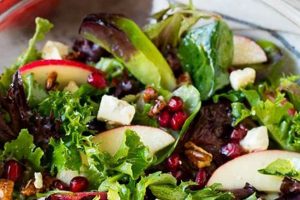
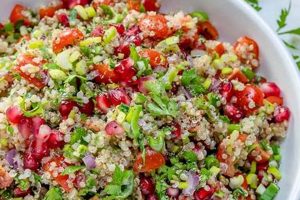
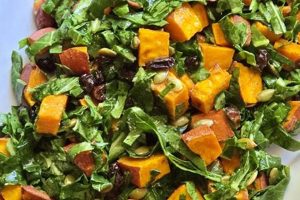
Dishes combining cooked and fresh ingredients offer a nuanced culinary experience. For instance, wilted spinach with warm bacon dressing alongside fresh cherry tomatoes and crumbled goat cheese exemplifies this concept. Such preparations emphasize textural contrasts and balanced flavor profiles, often incorporating roasted vegetables, seared proteins, or grains with vibrant, raw elements.
This approach expands the traditional notion of salads beyond cold preparations, providing appealing options for diverse palates and occasions. It allows for greater depth of flavor through caramelization and Maillard reactions in the cooked components, while retaining the freshness and nutritional value of raw ingredients. Historically, warm salads have roots in various cuisines, reflecting resourcefulness and seasonal adaptation, evolving from simple necessity to celebrated culinary creations.
Further exploration will delve into specific ingredient combinations, preparation techniques, and suggested pairings to enhance the versatility and enjoyment of these culinary compositions.
Tips for Crafting Exceptional Warm Salads
Achieving a harmonious balance of flavors and textures is crucial when composing a warm salad. The following guidelines offer practical advice for creating successful dishes.
Tip 1: Consider Ingredient Compatibility: Thoughtful ingredient selection is paramount. Robust greens like kale or spinach hold up well to warm dressings, while delicate lettuces may wilt. Complementary flavors should be prioritized.
Tip 2: Balance Temperatures: Avoid extremes. Cooked elements should be warm, not piping hot, to prevent overcooking fresh components. Room temperature ingredients can bridge the gap.
Tip 3: Dress Strategically: Warm dressings enhance flavor and wilt greens slightly. Add them just before serving to maintain optimal texture and prevent sogginess.
Tip 4: Embrace Textural Variety: Incorporate contrasting textures. Toasted nuts, crispy croutons, or roasted vegetables provide a satisfying counterpoint to softer elements.
Tip 5: Emphasize Seasonality: Utilize seasonal produce for optimal flavor and freshness. Roasted winter squash paired with kale offers a different experience than a summer salad featuring grilled peaches and arugula.
Tip 6: Don’t Overcrowd the Plate: Allow ingredients to showcase their individual qualities. Avoid overcrowding the salad, ensuring each component has sufficient space.
Tip 7: Layer Flavors: Build complexity by layering flavors. A base of bitter greens, topped with sweet roasted vegetables, tangy cheese, and a savory vinaigrette creates a multi-dimensional experience.
By adhering to these principles, one can elevate warm salads from simple meals to sophisticated culinary creations, showcasing both culinary skill and an appreciation for fresh, flavorful ingredients.
These tips offer a starting point for exploring the diverse world of warm salads. Experimentation and personal preference will ultimately guide the creation of truly exceptional dishes.
1. Balanced Flavors

Balanced flavors are fundamental to a successful warm salad recipe, creating a harmonious and satisfying culinary experience. Achieving this balance involves a careful interplay of different taste profilessweet, sour, salty, bitter, and umamipreventing any single flavor from dominating.
- Counteracting Sweetness with Acidity
Sweetness, often present in roasted vegetables or fruits, benefits from a counterpoint of acidity. A vinaigrette with lemon juice or vinegar can cut through the sweetness, preventing it from becoming cloying. For example, a warm salad with roasted sweet potatoes and cranberries can be balanced with a balsamic vinaigrette.
- Balancing Richness with Bitterness
Rich ingredients, such as nuts, cheese, or seared meats, find balance with bitter elements. Arugula, radicchio, or endive can provide this contrast. For instance, a warm salad with pan-seared duck breast and toasted walnuts can be complemented by a bed of bitter frise.
- Highlighting Umami
Umami, a savory, brothy flavor, adds depth and complexity. Ingredients like mushrooms, parmesan cheese, or soy sauce contribute umami notes. Incorporating roasted shiitake mushrooms into a warm salad with grilled chicken and spinach provides a savory foundation.
- The Role of Salt
Salt enhances and balances other flavors, acting as a crucial element. Proper seasoning throughout the preparation process, including salting the vegetables before roasting and adjusting the seasoning in the dressing, is essential. However, excessive salt can mask other flavors, so judicious use is critical.
By understanding the interplay of these flavor profiles and employing strategic ingredient combinations, one can create warm salads that are not only delicious but also offer a complex and satisfying sensory experience. This careful orchestration of flavors elevates the dish beyond a simple combination of ingredients to a well-balanced, harmonious culinary creation.
2. Textural Contrast

Textural contrast contributes significantly to the appeal of warm salads. A combination of textures elevates the sensory experience beyond mere taste. The interplay of crisp, crunchy, tender, and creamy elements creates a dynamic and satisfying mouthfeel. This contrast prevents monotony and adds intrigue to each bite.
Consider a warm salad featuring roasted butternut squash. The soft, yielding texture of the squash can be juxtaposed with the crispness of toasted pepitas and the creamy richness of crumbled goat cheese. The addition of slightly wilted spinach provides another layer of textural complexity. Each ingredient retains its distinct character while contributing to a harmonious whole. Similarly, a salad with seared scallops, crispy pancetta, and blanched green beans offers a compelling interplay of texturestender scallops, crunchy pancetta, and crisp-tender beans.
Understanding the role of textural contrast allows for intentional ingredient selection and preparation techniques. Toasting nuts or seeds intensifies their crunch. Roasting vegetables until tender-crisp maintains their structure. Properly cooked proteins offer a desirable tenderness. Balancing these elements within a warm salad creates a multifaceted dish that is both satisfying and engaging. Ignoring textural interplay can result in a one-dimensional, less appealing culinary experience. A thoughtful approach to texture, however, elevates the warm salad from simple fare to a more sophisticated and enjoyable meal.
3. Fresh, Seasonal Produce

Seasonal produce forms the cornerstone of exceptional warm salads. Utilizing ingredients at their peak ripeness guarantees optimal flavor and nutritional value. This approach elevates the overall quality of the dish, enhancing both taste and health benefits. The inherent vibrancy of fresh, seasonal ingredients reduces the need for excessive seasoning or manipulation, allowing the natural flavors to shine.
For instance, a spring salad might showcase tender asparagus, fresh peas, and delicate greens, lightly dressed with a lemon vinaigrette. The sweetness of the peas complements the subtle bitterness of the asparagus, while the bright citrus notes of the vinaigrette enhance the overall freshness. In contrast, an autumnal salad could feature roasted root vegetables like butternut squash and beets, paired with earthy kale and toasted walnuts. The earthy sweetness of the roasted vegetables harmonizes with the robust kale, while the walnuts provide textural contrast and richness. These examples illustrate how seasonality dictates ingredient selection and influences the overall composition of the salad.
Prioritizing seasonal produce offers several practical advantages. Ingredients are typically more affordable and readily available when in season. Furthermore, this approach supports local agriculture and reduces environmental impact by minimizing transportation distances. Embracing seasonality fosters a deeper connection with the natural world and encourages culinary creativity by prompting exploration of diverse ingredients throughout the year. Therefore, incorporating fresh, seasonal produce is not merely a culinary choice, but a conscious decision that benefits both personal well-being and the environment.
4. Appropriate Cooking Methods
Appropriate cooking methods are essential for achieving the desired textures and flavors in a warm salad. The way ingredients are cooked significantly impacts the final dish, influencing both the individual components and their interaction within the salad. Selecting the correct technique ensures that each element contributes optimally to the overall composition.
- Roasting
Roasting enhances the natural sweetness of vegetables through caramelization, developing complex flavors. Root vegetables, winter squash, and cruciferous vegetables like broccoli and Brussels sprouts benefit from this method. Roasting concentrates flavors and creates appealing textures, ranging from tender interiors to crisp edges. For example, roasted sweet potatoes offer a caramelized sweetness and soft texture that complements the peppery bite of arugula and the creamy tang of goat cheese in a warm salad.
- Searing
Searing creates a flavorful crust on proteins or vegetables, adding depth and complexity. High heat quickly browns the surface, sealing in juices and developing Maillard reactions, which contribute rich, savory notes. Seared scallops, for instance, offer a delicate sweetness and a satisfyingly crisp exterior, contrasting beautifully with the fresh, vibrant flavors of a summer salad featuring seasonal greens and a light vinaigrette.
- Sauting
Sauting quickly cooks ingredients in a small amount of fat, preserving their texture and color. This method is ideal for tender vegetables like mushrooms, spinach, or zucchini. The quick cooking time prevents overcooking, maintaining a vibrant color and a slightly crisp texture. Sauted mushrooms, for example, offer an earthy depth to a warm salad featuring roasted chicken and kale.
- Grilling
Grilling imparts a smoky char and distinct flavor to ingredients. Vegetables like zucchini, bell peppers, and onions take on a smoky sweetness when grilled, while proteins like chicken or fish develop a flavorful crust. Grilled peaches offer a caramelized sweetness and smoky depth that complements the peppery bite of watercress and the salty tang of feta in a summer salad.
Selecting the appropriate cooking method for each ingredient ensures a balanced and flavorful warm salad. The interplay of textures and flavors created through these techniques elevates the dish beyond a simple combination of ingredients. Consideration of cooking methods is therefore crucial for achieving a harmonious and satisfying culinary experience.
5. Complementary Dressings

Complementary dressings are essential for enhancing and unifying the diverse flavors and textures within a warm salad. The dressing acts as a bridge, connecting the warm, cooked elements with the fresh, raw components, creating a cohesive and balanced culinary experience. A well-chosen dressing elevates the individual ingredients while harmonizing the overall composition. The following facets illustrate the critical role of complementary dressings in warm salad recipes.
- Balancing Flavors and Temperatures
Dressings provide an opportunity to balance the flavors and temperatures within the salad. A warm vinaigrette, for example, can gently wilt delicate greens while simultaneously enhancing the flavors of roasted vegetables or seared proteins. The warmth of the dressing melds the disparate temperatures of the ingredients, creating a more unified dish. A citrus vinaigrette, with its bright acidity, can cut through the richness of roasted nuts or cheese, while a creamy dressing, perhaps infused with herbs, can complement the earthy flavors of roasted root vegetables. The temperature and flavor profile of the dressing should complement, not compete with, the other ingredients.
- Highlighting Seasonal Ingredients
Dressings can highlight the seasonality of a warm salad. A spring salad featuring fresh asparagus and peas might benefit from a light lemon vinaigrette, emphasizing the bright, fresh flavors of the season. Conversely, an autumnal salad with roasted butternut squash and kale could be enhanced by a maple-balsamic vinaigrette, reflecting the warm, earthy flavors of fall. By incorporating seasonal herbs and spices into the dressing, one can further accentuate the seasonality of the dish.
- Considering Texture and Weight
The texture and weight of the dressing should also be considered. A light vinaigrette is ideal for delicate greens and lighter ingredients, while a creamy dressing can stand up to more robust flavors and textures. For example, a creamy tahini dressing pairs well with roasted cauliflower and chickpeas, while a light Dijon vinaigrette complements a salad of seared tuna and blanched green beans. The dressing should coat the ingredients without overwhelming them, contributing to the overall textural balance of the salad.
- Enhancing Visual Appeal
Beyond flavor and texture, dressings contribute to the visual appeal of a warm salad. A vibrant green pesto drizzled over roasted vegetables adds a pop of color, while a creamy white dressing provides a contrasting backdrop for brightly colored ingredients. The dressing should enhance, not obscure, the visual appeal of the other components. Careful consideration of color and presentation elevates the dining experience, making the salad visually appealing as well as delicious.
By carefully considering these facets, one can select a dressing that not only complements but elevates the warm salad. The dressing should harmonize the flavors, temperatures, and textures, creating a cohesive and satisfying culinary creation. A thoughtfully chosen dressing transforms a collection of ingredients into a balanced, flavorful, and visually appealing dish.
6. Strategic Ingredient Combinations

Strategic ingredient combinations are the hallmark of a well-composed warm salad. Thoughtful pairings elevate the dish beyond a simple assemblage of components, creating a symphony of flavors, textures, and colors. Careful consideration of how ingredients interact is crucial for achieving a balanced and harmonious culinary experience. The following facets illuminate the key considerations for creating successful ingredient combinations in warm salads.
- Flavor Pairing Principles
Fundamental flavor pairing principles guide ingredient selection. Complementary flavors enhance each other, such as the pairing of sweet roasted butternut squash with tangy goat cheese. Contrasting flavors create dynamic interplay, as seen with the combination of peppery arugula and sweet caramelized onions. Understanding these principles allows for the creation of complex and balanced flavor profiles. Ignoring these principles can result in disharmony and a less satisfying culinary experience.
- Textural Diversity
Textural diversity adds another dimension to warm salads. Combining contrasting textures creates a more engaging mouthfeel. Crispy elements, such as toasted nuts or croutons, provide a counterpoint to softer elements like roasted vegetables or wilted greens. The interplay of textures adds interest and complexity, preventing the salad from becoming monotonous. For example, a salad with roasted sweet potatoes, crispy chickpeas, and fresh spinach offers a satisfying combination of soft, crispy, and tender textures.
- Color and Visual Appeal
Visual appeal plays a significant role in the overall enjoyment of a warm salad. Strategic use of color creates a visually stimulating dish. Brightly colored ingredients, such as roasted red peppers or vibrant green spinach, add vibrancy and appeal. Consideration of color contrast enhances the presentation, making the salad more inviting. For instance, a salad featuring roasted beets, orange segments, and crumbled feta offers a visually striking combination of colors.
- Nutritional Balance
While flavor and texture are paramount, nutritional balance should also inform ingredient selection. Combining a variety of ingredients ensures a broader spectrum of nutrients. Incorporating protein-rich foods like grilled chicken or lentils, alongside fiber-rich vegetables and healthy fats from nuts or avocado, creates a more nutritious and satisfying meal. A well-balanced warm salad can contribute to a healthy diet, offering both culinary enjoyment and nutritional value.
By carefully considering these facets, one can create warm salads that are not only delicious but also offer a balanced and harmonious culinary experience. Strategic ingredient combinations elevate the dish beyond a simple combination of components, demonstrating an understanding of flavor pairings, textural interplay, visual appeal, and nutritional value. This thoughtful approach transforms the warm salad into a sophisticated and satisfying culinary creation.
Frequently Asked Questions
This section addresses common inquiries regarding the preparation and enjoyment of warm salads.
Question 1: What distinguishes a warm salad from a cold salad?
The incorporation of cooked elements, such as roasted vegetables, seared proteins, or grains, alongside fresh, raw ingredients distinguishes warm salads. This combination offers nuanced flavors and textures not typically found in traditional cold salads.
Question 2: What types of greens are best suited for warm salads?
Heartier greens like kale, spinach, or romaine hold up well to warm dressings and cooked ingredients. More delicate greens, such as butter lettuce, are less suitable as they may wilt excessively.
Question 3: How can one prevent a warm salad from becoming soggy?
Adding the warm dressing just before serving helps prevent the salad from becoming soggy. Ensuring cooked ingredients are not piping hot also minimizes wilting.
Question 4: Are warm salads suitable for meal prepping?
While some components can be prepared in advance, it is generally recommended to assemble warm salads just before serving to maintain optimal texture and prevent sogginess. Storing cooked and raw ingredients separately allows for greater flexibility.
Question 5: What are some suitable protein options for warm salads?
Grilled chicken, fish, tofu, or lentils are excellent protein additions. Seared steak or roasted chickpeas also offer compelling options, contributing both flavor and texture.
Question 6: How can one enhance the flavor profile of a warm salad?
Toasted nuts, seeds, crumbled cheese, or a sprinkle of fresh herbs can enhance the flavor profile. A well-balanced vinaigrette is crucial for tying the ingredients together and adding depth of flavor.
Understanding these key aspects contributes to successful preparation and enjoyment of this versatile culinary creation. Thoughtful consideration of ingredients, cooking methods, and dressings ensures a balanced and satisfying meal.
The following section provides specific recipe examples to further illustrate the versatility and appeal of warm salads.
Warm Salad Recipe
Exploration of the multifaceted nature of warm salad recipes reveals key elements contributing to successful preparation. Emphasis on balanced flavors, textural contrast, fresh seasonal produce, appropriate cooking methods, complementary dressings, and strategic ingredient combinations underscores the potential for culinary creativity within this genre. Understanding these core principles empowers creation of dishes far exceeding basic ingredient combinations.
Culinary innovation thrives on exploration and adaptation. Warm salad recipes offer a canvas for continuous experimentation, encouraging development of personalized variations. This adaptability ensures ongoing evolution within the culinary landscape, promising a future rich with exciting new flavor and texture combinations.