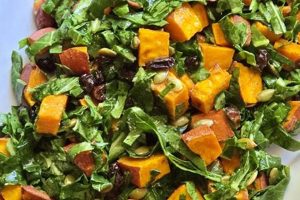
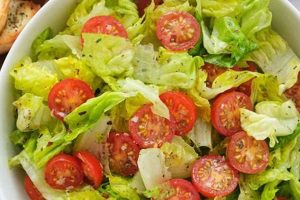
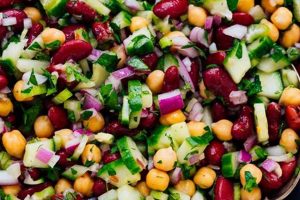
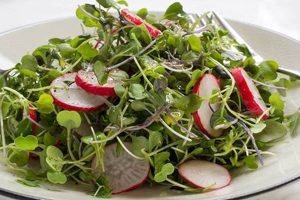
Salads from Spain encompass a wide range of fresh, vibrant dishes, often featuring seasonal ingredients and simple yet flavorful dressings. These recipes showcase a variety of textures and flavors, from the briny olives and salty cheeses of a classic ensalada mixta to the juicy oranges and thinly sliced onions in an ensalada de naranja. A basic example might include tomatoes, cucumbers, onions, green peppers, and olives, dressed with olive oil and vinegar, demonstrating the emphasis on fresh, high-quality produce.
The Mediterranean diet, of which these salads are a key component, is celebrated for its health benefits, including improved heart health and a reduced risk of chronic diseases. Utilizing fresh, seasonal produce ensures high nutrient content, while the reliance on olive oil provides healthy fats. Historically, these culinary traditions have reflected the agricultural landscape and available resources, resulting in diverse regional variations across the country. The emphasis on simple preparations highlights the natural flavors of the ingredients.
This exploration will delve into the diverse world of Iberian salads, covering regional variations, popular ingredients, typical dressings, and helpful tips for preparation. From classic combinations to innovative modern interpretations, readers will gain a deeper understanding of the rich culinary heritage these dishes represent and their place within the broader context of Spanish cuisine.
Tips for Preparing Authentic Spanish Salads
Achieving authentic flavor profiles in Spanish salads relies on a few key principles. Attention to ingredient quality, simple preparations, and balanced flavors are essential for capturing the essence of these dishes.
Tip 1: Prioritize High-Quality Ingredients: The foundation of any successful salad lies in the freshness of its components. Opt for ripe, seasonal produce whenever possible. Locally sourced ingredients will often yield the most vibrant flavors.
Tip 2: Embrace Simplicity: Spanish salads often feature a limited number of ingredients, allowing the natural flavors to shine. Avoid overcrowding the plate; focus on a few key components that complement each other.
Tip 3: Master the Art of Olive Oil and Vinegar: The quintessential Spanish dressing consists of high-quality extra virgin olive oil and a good vinegar, such as sherry vinegar or red wine vinegar. The ratio is typically three parts oil to one part vinegar.
Tip 4: Seasoning is Key: While simple, proper seasoning is crucial. A pinch of sea salt and freshly cracked black pepper can elevate the flavors of the fresh produce.
Tip 5: Explore Regional Variations: From the use of specific cheeses to the inclusion of regional produce, exploring different regional variations can expand one’s repertoire and understanding of Spanish cuisine.
Tip 6: Consider Texture: Balance soft textures, like tomatoes, with crunchy elements such as cucumbers, onions, or croutons. This adds complexity and interest to the overall experience.
Tip 7: Serve at Room Temperature: Avoid chilling ingredients excessively. Serving the salad at room temperature allows the flavors to fully develop and be appreciated.
By following these guidelines, one can create flavorful and authentic Spanish salads that showcase the vibrant culinary traditions of the region. These simple yet impactful tips ensure a delightful and satisfying culinary experience.
By understanding these core principles and incorporating these tips, anyone can create delicious and authentic Spanish salads at home, celebrating the rich culinary heritage of Spain.
1. Fresh, Seasonal Produce

The emphasis on fresh, seasonal produce is paramount in Spanish salad recipes. This culinary principle directly impacts flavor, nutritional value, and reflects a deep connection to the agricultural landscape. Utilizing ingredients at their peak ripeness ensures optimal taste and maximizes the health benefits derived from the salad.
- Availability Dictates Variety
Seasonal availability influences ingredient selection, fostering diverse and dynamic salads throughout the year. Spring might bring fresh asparagus and artichokes, while summer showcases ripe tomatoes and cucumbers. Autumn offers an array of mushrooms and root vegetables, and winter features hearty greens like escarole and endive. This natural variation ensures a constantly evolving culinary experience.
- Regional Specialties Emerge
Spain’s diverse microclimates and regional agricultural traditions further contribute to unique salad variations. Specific regions may be known for particular produce, leading to distinctive local specialties. For example, Murcia is renowned for its tomatoes, while Navarra is known for its piquillo peppers. These regional specialties find their way into salads, showcasing local flavors and culinary heritage.
- Flavor Profiles Reflect the Season
The use of seasonal ingredients inherently shapes the flavor profile of the salad. The sweetness of summer tomatoes contrasts with the peppery bite of spring onions, while the earthy flavors of autumn mushrooms offer a different experience altogether. This seasonality creates a dynamic interplay of tastes, offering a constantly evolving culinary narrative.
- Nutritional Value is Maximized
Consuming produce in season often corresponds with peak nutritional content. Fruits and vegetables harvested at their peak ripeness tend to have higher concentrations of vitamins and minerals. This focus on fresh, seasonal produce contributes to the health benefits associated with the Mediterranean diet, of which Spanish salads are a significant component.
By prioritizing fresh, seasonal produce, Spanish salads become more than just a simple dish; they become a reflection of the land, the season, and a commitment to both flavor and nutrition. This approach results in vibrant, flavorful salads that celebrate the bounty of each season and highlight the rich culinary tapestry of Spain.
2. Simple Preparations

Simplicity is a defining characteristic of Spanish salad recipes. This approach emphasizes the natural flavors of fresh, high-quality ingredients, allowing their inherent qualities to shine. Minimal processing and straightforward techniques ensure the focus remains on the produce itself, resulting in vibrant and flavorful salads.
- Emphasis on Fresh Ingredients
Simple preparations highlight the inherent flavors of fresh produce. Rather than masking the taste of ripe tomatoes, cucumbers, or onions with complex dressings or elaborate techniques, these salads showcase the natural sweetness, crispness, and subtle nuances of each component. This focus on freshness contributes to both the flavor and nutritional value of the dish.
- Minimal Processing and Manipulation
Spanish salad recipes typically avoid extensive processing or manipulation of ingredients. Produce is often simply chopped or sliced, preserving its natural texture and appearance. This minimalist approach reduces preparation time and ensures that the focus remains on the quality and freshness of the ingredients themselves.
- Straightforward Techniques and Dressings
The dressings used in Spanish salads are often equally simple, typically consisting of high-quality olive oil, vinegar, salt, and pepper. This straightforward approach allows the flavors of the produce to take center stage, while the dressing provides a subtle counterpoint that enhances, rather than overwhelms, the overall composition.
- Celebration of Natural Flavors
By avoiding complex preparations and elaborate techniques, Spanish salads celebrate the natural flavors of the ingredients. This allows for a deeper appreciation of the inherent qualities of each component, from the sweetness of ripe tomatoes to the peppery bite of fresh onions. This focus on simplicity results in a refreshing and flavorful culinary experience that highlights the essence of each ingredient.
The emphasis on simple preparations in Spanish salad recipes contributes significantly to their appeal. This approach not only simplifies the cooking process but also allows the natural flavors of the fresh, high-quality ingredients to shine through, resulting in salads that are both delicious and nutritious. This culinary philosophy reflects a broader appreciation for the inherent qualities of fresh produce and a commitment to highlighting their natural flavors.
3. Olive Oil and Vinegar

Olive oil and vinegar constitute the foundational dressing for numerous Spanish salad recipes. This simple combination provides a flavor profile that complements the fresh ingredients typically found in these salads. The quality of the olive oil significantly influences the overall taste. Extra virgin olive oil, with its robust flavor and low acidity, is often preferred. The type of vinegar also plays a crucial role. Sherry vinegar, originating from the Jerez region of Spain, offers a complex, nutty flavor, while red wine vinegar provides a brighter, more acidic counterpoint. The ratio of oil to vinegar is generally around 3:1, although this can be adjusted to personal preference. This uncomplicated dressing allows the natural flavors of the salad components to shine while contributing a subtle depth of flavor.
The use of olive oil and vinegar reflects not only culinary tradition but also the agricultural landscape of Spain. Olive oil production is deeply ingrained in Spanish culture, and the country is one of the world’s leading producers. This readily available, high-quality ingredient forms a cornerstone of Spanish cuisine, including its salads. Vinegar production also boasts a long history in Spain, with various regional variations adding complexity to culinary traditions. The combined use of these two staples creates a dressing that is both flavorful and deeply rooted in Spanish heritage. For instance, a simple salad of tomatoes, cucumbers, and onions, dressed with extra virgin olive oil and sherry vinegar, exemplifies this classic combination. The acidity of the vinegar cuts through the richness of the olive oil, while the flavors of the fresh produce remain prominent. The result is a harmonious blend of flavors that embodies the essence of Spanish cuisine.
Understanding the role of olive oil and vinegar in Spanish salad recipes provides insight into the broader culinary principles of the region. The emphasis on high-quality ingredients, simple preparations, and balanced flavors is evident in this fundamental dressing. While variations exist, such as the inclusion of herbs or spices, the core combination of olive oil and vinegar remains a constant. This foundational element underscores the importance of fresh produce and uncomplicated techniques in Spanish cooking. Mastering this basic dressing provides a gateway to exploring the diverse and flavorful world of Spanish salads, offering a foundation for both traditional recipes and creative interpretations.
4. Regional Variations

Regional variations play a significant role in the diversity of Spanish salad recipes. Spain’s distinct geographical areas, with their unique microclimates and agricultural traditions, contribute to a wide array of culinary interpretations. These variations often reflect the availability of local produce, traditional culinary practices, and regional preferences, resulting in salads that showcase the distinct flavors of each area.
- Ingredient Availability
The availability of specific ingredients within a region heavily influences the composition of local salads. Coastal regions, for instance, might feature fresh seafood in their salads, such as tuna or prawns. Inland areas might incorporate locally grown produce, like artichokes in Navarra or oranges in Valencia. These variations reflect the agricultural landscape of each region and contribute to distinct flavor profiles. For example, the Ensalada Murciana, originating from the Murcia region, prominently features the locally renowned tomatoes.
- Traditional Culinary Practices
Generations of culinary traditions shape regional salad variations. Specific techniques, such as preserving vegetables or using particular spice blends, contribute to unique flavor profiles. For example, the use of pimentn, a smoked paprika, is common in some regions, adding a distinct smoky flavor to salads. Similarly, the preparation of salted fish, like cod, is a traditional practice in certain areas and can be incorporated into regional salad variations.
- Regional Preferences and Flavor Profiles
Regional preferences for specific flavor combinations further contribute to salad diversity. Some regions may favor lighter, citrus-based dressings, while others might prefer heartier, more savory combinations. The use of specific cheeses, such as Manchego cheese in La Mancha, or the inclusion of cured meats, like chorizo, can also contribute to distinct regional characteristics. These variations reflect local tastes and culinary customs, resulting in a diverse range of flavor profiles.
- Influence of neighboring cultures
Geographic proximity to other cultures can also influence regional salad variations. For example, the Moorish influence in Andalusia is reflected in the use of ingredients like almonds and raisins in some salads. These cross-cultural influences contribute to the richness and complexity of Spanish cuisine, resulting in unique and flavorful regional variations. The Ensaladilla Rusa, despite its name, is a popular Spanish tapa salad, believed to have been introduced through French and Russian culinary influences. It typically includes potatoes, mayonnaise, carrots, peas, and other variations based on location.
Understanding these regional variations provides insight into the broader culinary landscape of Spain. By exploring the diverse ingredients, traditional practices, and regional preferences that shape these salads, one gains a deeper appreciation for the rich culinary heritage of the country. These regional distinctions transform Spanish salad recipes from simple dishes into culinary expressions of local identity and tradition.
5. Balanced Flavors

Balanced flavors are essential to Spanish salad recipes, contributing significantly to their appeal and reflecting a broader culinary philosophy. This principle emphasizes the harmonious interplay of different tastessweet, sour, salty, bitter, and umamicreating a complex and satisfying sensory experience. Achieving this balance requires careful consideration of ingredient selection, dressing preparation, and the overall composition of the salad.
- Acidity and Sweetness
The interplay of acidity and sweetness forms a foundational element in balanced Spanish salads. The acidity, often derived from vinegar or citrus fruits, cuts through the richness of olive oil and provides a refreshing counterpoint to the sweetness of ripe tomatoes, onions, or fruits like oranges or grapes. This balance prevents the salad from being overly sweet or oily, creating a harmonious flavor profile. For example, in an Ensalada de naranja (orange salad), the sweetness of the oranges is balanced by the acidity of the dressing and the slight bitterness of the olives.
- Salty and Bitter Notes
Salty and bitter notes add depth and complexity to Spanish salads. Ingredients like olives, cured meats, or cheeses provide saltiness, while elements like endive or radicchio contribute bitterness. These contrasting flavors prevent the salad from being one-dimensional, creating a more nuanced and engaging culinary experience. For example, a salad featuring Manchego cheese, olives, and tomatoes offers a balanced interplay of salty, sweet, and subtly bitter notes.
- Textural Contrasts
While not strictly a flavor, texture plays a crucial role in the overall balance of a Spanish salad. The contrast between crunchy elements, like cucumbers or croutons, and softer components, such as tomatoes or boiled potatoes, adds another dimension to the sensory experience. This textural interplay prevents the salad from becoming monotonous, creating a more dynamic and satisfying mouthfeel.
- Fresh Herbs and Spices
Fresh herbs and spices provide aromatic complexity and subtle flavor nuances to Spanish salads. Parsley, oregano, or mint are common additions, offering a refreshing counterpoint to the other ingredients. The use of spices, such as smoked paprika (pimentn), adds depth and smokiness. These additions, used judiciously, enhance the overall balance without overpowering the primary flavors of the fresh produce. For example, a simple parsley garnish not only adds visual appeal but also contributes a fresh, herbaceous note that complements the other flavors.
The emphasis on balanced flavors in Spanish salad recipes reflects a deep understanding of culinary principles and a commitment to creating harmonious and satisfying dishes. By carefully considering the interplay of different tastes and textures, these salads achieve a complexity that elevates them beyond simple combinations of ingredients. This approach highlights the importance of fresh, high-quality produce and showcases the culinary expertise that goes into creating seemingly simple yet deeply flavorful Spanish salads. The balance achieved contributes not only to the taste but also to the overall enjoyment and appreciation of these dishes.
Frequently Asked Questions about Spanish Salads
This section addresses common inquiries regarding the preparation and understanding of Spanish salads, offering clarity on key aspects and dispelling potential misconceptions.
Question 1: What distinguishes Spanish salads from salads of other cuisines?
Emphasis on fresh, seasonal produce, simple preparations, and olive oil-based dressings distinguishes Spanish salads. Regional variations incorporating local ingredients and culinary traditions further contribute to their unique character.
Question 2: Is it essential to use Spanish olive oil?
While Spanish olive oil is traditional, any high-quality extra virgin olive oil will suffice. The key is to select an oil with a robust flavor profile that complements the other salad ingredients.
Question 3: Can other types of vinegar be used besides sherry vinegar?
Red wine vinegar or apple cider vinegar offer suitable alternatives to sherry vinegar. The choice of vinegar influences the overall flavor profile, so experimentation is encouraged to determine personal preference.
Question 4: Must Spanish salad recipes adhere strictly to tradition?
While traditional recipes offer valuable insights into Spanish culinary heritage, adaptation to personal preferences and available ingredients is acceptable. The core principles of fresh produce, simple preparations, and balanced flavors should be maintained.
Question 5: How can one ensure balanced flavors in a Spanish salad?
Balancing flavors involves considering the interplay of acidity, sweetness, saltiness, and bitterness. Incorporating a variety of ingredients, such as acidic vinegar, sweet tomatoes, salty olives, and slightly bitter greens, contributes to complexity and balance.
Question 6: What are some common misconceptions about Spanish salads?
A common misconception is that Spanish salads are always simple, consisting only of lettuce, tomatoes, and onions. In reality, Spanish salads encompass diverse ingredients and regional variations, reflecting the rich culinary traditions of different areas within Spain.
Understanding these key aspects provides a foundation for appreciating and preparing authentic Spanish salads. Experimentation with different ingredients and regional variations is encouraged, fostering culinary creativity within the established framework of Spanish culinary traditions.
The following section delves into specific regional variations, offering examples of popular Spanish salads that showcase the diversity and richness of this culinary tradition.
Spanish Salad Recipes
Exploration of salads from Spain reveals a diverse culinary landscape shaped by regional ingredients, traditions, and the core principles of fresh produce, simple preparations, and balanced flavors. From the foundational olive oil and vinegar dressing to the nuanced interplay of sweet, sour, salty, and bitter notes, these recipes offer a testament to Spain’s rich gastronomic heritage. Regional variations, influenced by local agriculture and culinary customs, further contribute to the complexity and variety of Spanish salads, showcasing the unique character of different areas within the country.
Spanish salad recipes offer not merely sustenance but an invitation to explore the diverse culinary tapestry of Spain. Further investigation into regional specialties and traditional techniques promises deeper insights into the cultural significance and gastronomic artistry inherent in these seemingly simple yet deeply flavorful dishes. Embracing the core principles of Spanish salad preparation allows for both authentic recreations and innovative interpretations, ensuring the continued evolution and appreciation of this vibrant culinary tradition.