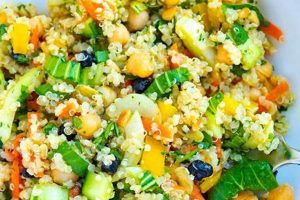
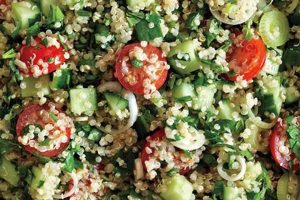
Refreshing and flavorful salads featuring seasonal greens are a quintessential element of summer dining. These dishes often highlight the bounty of fresh produce available during warmer months, incorporating ingredients like ripe tomatoes, cucumbers, berries, and herbs. A simple example might include a base of crisp romaine lettuce tossed with sliced strawberries, crumbled feta cheese, and a light vinaigrette.
Light, hydrating, and nutrient-rich, summer salads offer a welcome respite from heavier meals. They provide essential vitamins and minerals, contributing to a healthy diet. Historically, the practice of consuming fresh greens during warm weather can be traced back centuries, serving as a source of vital nutrients and hydration in times before refrigeration. The evolution of salads reflects culinary innovation and cultural exchange, incorporating diverse flavors and ingredients over time.
Exploring the possibilities of summer salads opens a world of culinary creativity. The following sections will delve into specific recipes, highlight key ingredients, and offer tips for creating delicious and visually appealing salads perfect for warm-weather enjoyment.
Tips for Creating Exceptional Summer Salads
Elevating a simple green salad into a culinary masterpiece requires attention to detail and a focus on fresh, high-quality ingredients. These tips offer guidance for composing salads that are both flavorful and visually appealing.
Tip 1: Prioritize Seasonal Produce: Selecting produce at its peak ripeness ensures optimal flavor and nutritional value. Farmers’ markets offer a wide array of seasonal greens, fruits, and vegetables.
Tip 2: Embrace Variety in Greens: Explore beyond traditional lettuce. Consider spinach, arugula, kale, or a mesclun mix for added texture and nutritional complexity.
Tip 3: Balance Flavors and Textures: Combine sweet, savory, crunchy, and creamy elements for a multi-dimensional sensory experience. Pair peppery arugula with sweet berries and creamy goat cheese, for example.
Tip 4: Dress Lightly and Strategically: Avoid drowning the salad in dressing. A light vinaigrette enhances flavors without overpowering the fresh ingredients. Consider using high-quality oils and vinegars.
Tip 5: Add Protein for Substance: Grilled chicken, fish, tofu, or legumes transform a light salad into a satisfying meal.
Tip 6: Incorporate Herbs for Brightness: Fresh herbs like basil, mint, dill, or chives add aromatic complexity and visual appeal.
Tip 7: Don’t Forget the Garnish: A final touch, like toasted nuts, seeds, or edible flowers, elevates the presentation and adds another layer of flavor and texture.
By following these guidelines, one can create summer salads that are not only refreshing and nutritious but also visually stunning and bursting with flavor.
The following section will explore specific summer salad recipes, demonstrating the practical application of these principles.
1. Fresh, Seasonal Greens

The foundation of any exceptional summer salad lies in the selection of fresh, seasonal greens. Utilizing produce at its peak ripeness guarantees optimal flavor, texture, and nutritional value, transforming a simple salad into a vibrant culinary experience. This emphasis on seasonality is crucial for achieving the bright, refreshing qualities characteristic of the best summer salad recipes.
- Variety and Availability
Summer offers a diverse array of greens beyond typical lettuce varieties. Spinach, arugula, kale, watercress, and various mesclun mixes provide distinct flavors and textures, allowing for diverse culinary creations. Farmers’ markets and local producers offer access to the freshest selections, often reflecting regional specialties and microclimates.
- Flavor Profiles
Each type of green contributes a unique flavor profile to a salad. The peppery bite of arugula contrasts with the mild sweetness of butter lettuce, while spinach offers a slightly earthy undertone. Understanding these nuances allows for strategic pairings with other ingredients, creating balanced and complex flavor combinations.
- Nutritional Value
Seasonal greens are packed with essential vitamins, minerals, and antioxidants. Consuming these nutrients at their peak bioavailability contributes to overall health and well-being. Summer salads, therefore, offer a delicious and convenient way to incorporate vital nutrients into one’s diet.
- Culinary Applications
The versatility of fresh, seasonal greens extends beyond simple tossed salads. They can be incorporated into wraps, sandwiches, grain bowls, and even smoothies, offering a refreshing and nutritious element to a wide range of summer dishes.
By prioritizing fresh, seasonal greens, summer salads transcend basic sustenance, becoming vibrant expressions of culinary artistry. The careful selection of greens provides a canvas for creative flavor combinations and textures, resulting in dishes that are both nutritious and deeply satisfying. This attention to seasonality ultimately defines the essence of the best summer salad recipes.
2. Light, vibrant dressings

The success of summer salads often hinges on the selection of a complementary dressing. Heavy, creamy dressings can weigh down delicate greens and mask the fresh flavors of seasonal produce. Light, vibrant dressings, conversely, enhance the overall composition, providing a nuanced counterpoint to the other ingredients while contributing to the refreshing quality characteristic of optimal summer salads.
- Emphasis on Acidity
Light dressings often emphasize acidity, which provides brightness and balances the flavors of the salad. Lemon juice, vinegar (such as red wine, balsamic, or apple cider), and citrus zest are common acidic components. A touch of acidity can lift the flavors of fresh vegetables and herbs, creating a more dynamic and refreshing sensory experience. For example, a lemon vinaigrette with fresh dill perfectly complements a cucumber and tomato salad.
- High-Quality Oils
The choice of oil significantly impacts a dressing’s flavor and texture. Extra virgin olive oil provides a robust, peppery flavor, while avocado oil offers a creamy texture and neutral taste. Nut oils, such as walnut or hazelnut oil, can add unique flavor dimensions. The quality of the oil directly influences the overall quality of the dressing, impacting the final taste of the salad. A simple vinaigrette made with high-quality extra virgin olive oil and balsamic vinegar can elevate a salad with minimal effort.
- Fresh Herbs and Aromatics
Incorporating fresh herbs and aromatics into dressings adds complexity and depth of flavor. Chives, mint, basil, parsley, and dill are popular choices. Minced garlic, shallots, or ginger can also contribute to a more nuanced flavor profile. A lemon-herb vinaigrette with fresh parsley and chives enhances the brightness of a summer salad with a combination of fresh flavors.
- Balance of Sweet and Savory
A touch of sweetness can balance the acidity and other savory elements in a dressing. A small amount of honey, maple syrup, or fruit juice can add a subtle sweetness without overpowering the other flavors. This balance creates a more harmonious and complex flavor profile. A balsamic vinaigrette with a touch of honey complements the sweetness of berries in a summer salad.
By carefully considering these elements, one can create light, vibrant dressings that elevate summer salads from simple to exceptional. These dressings not only enhance the flavor of the greens and other ingredients but also contribute to the overall refreshing quality that defines the best summer salad recipes.
3. Creative Ingredient Combinations
Exceptional summer salads transcend basic lettuce-and-tomato combinations. Creative ingredient combinations elevate these dishes, transforming them into vibrant culinary experiences. Strategic pairings of flavors, textures, and colors are essential for crafting salads that are not only refreshing but also visually appealing and nutritionally balanced. This exploration delves into the key facets of creative ingredient combinations within the context of optimal summer salad recipes.
- Balancing Flavors
A successful summer salad balances a range of flavor profiles: sweet, savory, acidic, bitter, and umami. This can be achieved through thoughtful combinations of fruits, vegetables, cheeses, nuts, and proteins. For instance, the sweetness of grilled peaches can be balanced by the saltiness of feta cheese and the peppery bite of arugula. Similarly, the bitterness of radicchio can be offset by the sweetness of strawberries and the richness of candied pecans.
- Textural Contrast
Texture plays a crucial role in creating a satisfying salad experience. Combining crunchy, creamy, and chewy elements adds depth and interest. Toasted nuts or seeds provide crunch, while creamy cheeses like goat cheese or avocado offer a smooth counterpoint. Adding roasted vegetables or grilled proteins introduces satisfying chewiness. A salad featuring crisp romaine lettuce, creamy avocado, crunchy toasted almonds, and grilled chicken exemplifies this principle.
- Color Palette
Visual appeal enhances the dining experience. A vibrant color palette stimulates the appetite and contributes to a sense of freshness. Summer offers a bounty of colorful produce, from deep red tomatoes and vibrant green spinach to bright yellow bell peppers and rich purple beets. Combining a variety of colors not only makes the salad more visually appealing but also ensures a broader range of nutrients.
- Seasonal Considerations
Utilizing peak-season ingredients ensures optimal flavor and nutritional value. Summer’s bounty provides numerous opportunities for creative combinations. Incorporating seasonal fruits like berries, melons, and stone fruits adds natural sweetness and freshness. Pairing these with seasonal vegetables like corn, zucchini, and tomatoes creates a salad that truly captures the essence of summer.
By thoughtfully combining ingredients, considering flavor profiles, textures, colors, and seasonal availability, one can create summer salads that are not merely refreshing but also culinary masterpieces. These creative combinations elevate simple salads into memorable dining experiences, showcasing the versatility and potential of fresh, seasonal produce. This attention to detail is what distinguishes truly exceptional summer salad recipes.
4. Emphasis on Crisp Textures
The quintessential summer salad experience hinges on a refreshing interplay of crisp textures. This element distinguishes truly exceptional salads, providing a counterpoint to the often softer textures of leafy greens and other ingredients. A strategic emphasis on crispness contributes significantly to the overall enjoyment and satisfaction derived from summer salads, aligning seamlessly with the goal of creating the “best” recipes.
- Variety of Crisp Elements
Achieving textural complexity involves incorporating a variety of crisp components. This might include raw vegetables like cucumbers, bell peppers, carrots, or radishes, offering diverse levels of density and crunch. Adding elements like croutons, toasted nuts, or seeds introduces contrasting textures and intensifies the overall crispness of the salad.
- Preparation Techniques for Optimal Crispness
Proper preparation techniques are essential for maintaining optimal crispness. Vegetables should be washed and thoroughly dried to prevent sogginess. Cutting vegetables into appropriate sizes and shapes ensures even distribution of crispness throughout the salad. Storing ingredients separately and combining them just before serving helps preserve their individual textures.
- Balancing Crispness with Other Textures
While crispness is key, balance remains crucial. Pairing crisp elements with softer textures, such as creamy cheeses, ripe fruits, or tender cooked proteins, creates a more dynamic and satisfying sensory experience. This interplay of textures elevates the salad beyond a simple collection of ingredients, transforming it into a multi-dimensional culinary creation.
- The Role of Crispness in Refreshment
The sensation of crispness contributes significantly to the perception of refreshment, a particularly desirable quality in summer salads. The satisfying crunch of fresh vegetables provides a welcome contrast to richer, heavier dishes often associated with other seasons. This element of refreshment aligns perfectly with the overall goal of creating light, enjoyable summer meals.
The emphasis on crisp textures is integral to achieving the “best” summer salad recipes. By thoughtfully incorporating a variety of crisp elements, utilizing appropriate preparation techniques, and balancing crispness with other textures, salads transcend mere sustenance, becoming vibrant and refreshing culinary experiences perfectly suited for warm-weather enjoyment.
5. Balanced Flavor Profiles

Balanced flavor profiles are fundamental to crafting exceptional summer salads. The interplay of different tastessweet, sour, salty, bitter, and umamicreates a harmonious and satisfying culinary experience. A well-balanced salad engages the palate on multiple levels, offering complexity and depth beyond basic sustenance. This exploration delves into the key facets of flavor balance within the context of optimal summer salad recipes.
- The Interplay of Tastes
Balancing flavor profiles involves a strategic combination of different taste sensations. Sweetness, often derived from fruits or balsamic vinegar, can be balanced by the sourness of citrus or vinegar. Saltiness, from cheese or dressings, complements the bitterness of greens like arugula or radicchio. Umami, a savory richness, can be introduced through ingredients like tomatoes, mushrooms, or aged cheese. A salad featuring strawberries, goat cheese, candied pecans, and balsamic vinaigrette exemplifies this interplay.
- Seasonality and Flavor Intensity
Seasonal ingredients naturally possess more intense flavors, contributing to a more vibrant and balanced salad. Peak-season tomatoes, for example, offer a richer sweetness and acidity compared to their out-of-season counterparts. Utilizing seasonal produce enhances the natural flavor balance within the salad, minimizing the need for excessive seasonings or dressings.
- The Role of Herbs and Spices
Fresh herbs and spices can further enhance flavor balance. The bright, peppery notes of fresh basil complement the sweetness of tomatoes, while the earthy aroma of dill enhances the coolness of cucumbers. A sprinkle of chili flakes can add a touch of heat, balancing the richness of creamy cheeses or nuts.
- Customization and Personal Preference
While general guidelines for flavor balance exist, personal preference plays a significant role. Some individuals prefer salads with a dominant sweetness, while others favor more savory or tangy profiles. Adjusting the proportions of ingredients and dressings allows for customization, ensuring a salad that caters to individual tastes. The key lies in achieving a harmonious blend of flavors that resonates with the individual palate.
A well-balanced flavor profile is paramount in creating truly exceptional summer salads. By understanding the interplay of tastes, utilizing seasonal ingredients, incorporating herbs and spices strategically, and allowing for personal customization, one can craft salads that are not only refreshing and nutritious but also offer a complex and satisfying symphony of flavors. This attention to balance distinguishes the “best” summer salad recipes, elevating them from simple meals to memorable culinary experiences.
6. Simple, Quick Preparation

The appeal of summer salads is often linked to their ease of preparation. “Best” implies not only flavor and nutrition but also convenience. Simple, quick preparation aligns perfectly with the desire for refreshing, uncomplicated meals during warmer months. This efficiency allows for more time to enjoy the season’s activities rather than being confined to the kitchen. The following facets explore the connection between streamlined preparation and optimal summer salads.
- Minimizing Prep Time
Streamlined preparation methods are crucial. Pre-washed and pre-cut greens significantly reduce prep time. Utilizing readily available ingredients, like canned beans or pre-cooked proteins, further simplifies the process. A salad featuring pre-washed spinach, canned chickpeas, and cherry tomatoes exemplifies this principle.
- Versatile Techniques
Simple techniques, such as grilling or roasting vegetables, enhance flavor without demanding extensive time or effort. Grilling corn on the cob or roasting bell peppers adds a smoky sweetness and depth of flavor to summer salads. These methods also offer opportunities for batch cooking, further enhancing efficiency.
- Adaptability and Improvisation
Summer salads lend themselves to adaptability. Recipes can be easily modified based on available ingredients and personal preferences. Substituting one type of green for another or adding leftover grilled chicken or fish transforms a basic salad into a customized meal. This flexibility makes summer salads ideal for impromptu gatherings or weeknight dinners.
- Emphasis on Freshness, Not Complexity
The focus on fresh, seasonal ingredients simplifies preparation. Summer produce requires minimal manipulation to showcase its natural flavors. A simple vinaigrette, composed of olive oil, lemon juice, and herbs, highlights the freshness of the ingredients without requiring complex culinary techniques. This emphasis on simplicity aligns perfectly with the essence of summer dining.
The connection between simple, quick preparation and optimal summer salads is undeniable. By minimizing prep time, employing versatile techniques, embracing adaptability, and prioritizing fresh ingredients, one can create delicious and nutritious salads without sacrificing valuable time or effort. This efficiency allows individuals to savor the flavors of summer while enjoying the season’s relaxed pace. This ease of creation is a defining characteristic of the best summer salad recipes, making them a practical and enjoyable choice for warm-weather dining.
Frequently Asked Questions
This section addresses common inquiries regarding optimal summer salad preparation, focusing on practical solutions and evidence-based information to ensure successful outcomes.
Question 1: How can wilting lettuce be revived?
Submerging lettuce leaves in ice water for 15-20 minutes can often restore crispness. This process rehydrates the leaves, improving their texture.
Question 2: What strategies prevent a salad from becoming soggy?
Keeping dressing separate until just before serving prevents premature wilting. Thoroughly drying greens after washing also helps maintain crispness. Storing ingredients separately and combining them only when ready to serve further minimizes sogginess.
Question 3: How can leftover salad be stored effectively?
Storing leftover salad components separately maximizes freshness. Storing greens in airtight containers lined with paper towels absorbs excess moisture. Dressings should be stored separately and added only upon serving.
Question 4: What are effective methods for incorporating protein into summer salads?
Grilled chicken, fish, tofu, or beans are excellent protein additions. Hard-boiled eggs, nuts, and seeds also provide protein while contributing to textural diversity.
Question 5: What are suitable alternatives to traditional lettuce in summer salads?
Spinach, arugula, kale, watercress, and various mesclun mixes offer diverse flavors, textures, and nutritional benefits. These alternatives enhance both the culinary and nutritional value of summer salads.
Question 6: How can summer salads be adapted for different dietary needs?
Summer salads are inherently adaptable. Dietary restrictions can be accommodated through ingredient substitutions. For gluten-free options, ensure croutons and dressings are gluten-free. Vegan options can utilize plant-based proteins and dressings. Adjusting ingredients based on individual needs ensures inclusivity and accessibility.
Addressing these common inquiries provides a foundation for confident summer salad preparation. Focusing on freshness, balance, and proper techniques ensures optimal results.
The following section offers a curated selection of exemplary summer salad recipes.
Conclusion
Optimal summer salad recipes prioritize fresh, seasonal ingredients, vibrant dressings, and balanced flavor profiles. Attention to textural contrasts, from crisp greens to crunchy toppings, enhances the sensory experience. Simple preparation techniques maximize convenience, aligning with the desire for effortless summer meals. Adaptability allows for customization based on individual preferences and dietary needs. Exploring diverse greens, creative ingredient combinations, and flavorful dressings unlocks the full potential of summer salads.
Culinary exploration within this domain offers a pathway to both healthier eating and heightened enjoyment of seasonal bounty. The pursuit of the “best” necessitates ongoing experimentation and a willingness to embrace the diverse flavors and textures that summer produce provides. Elevating salads beyond basic sustenance transforms everyday meals into celebrations of seasonal freshness and culinary creativity.