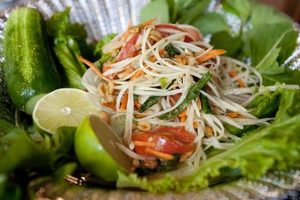
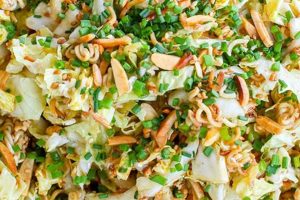
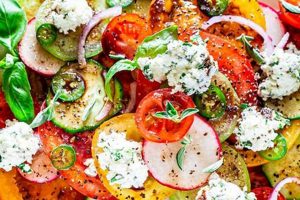
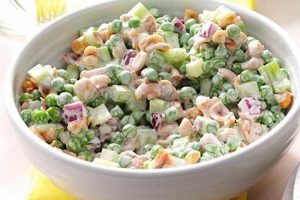
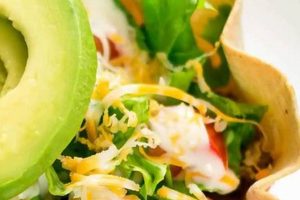
A colorful, visually appealing salad composed of diverse, vibrant ingredients offers both aesthetic and nutritional benefits. Such a dish typically includes a wide array of fruits and vegetables, encompassing a spectrum of colors, from deep reds and purples to bright oranges and yellows, and verdant greens. An example might feature ingredients like beetroot, red cabbage, carrots, bell peppers, tomatoes, cucumbers, spinach, and berries.
Creating a meal with a variety of colorful produce ensures a broader intake of vitamins, minerals, and antioxidants, contributing to overall health and well-being. The emphasis on fresh, unprocessed ingredients aligns with dietary guidelines promoting balanced nutrition. Historically, vibrant salads have played a role in culinary traditions worldwide, often representing abundance and festivity.
This discussion will further explore specific ingredient combinations, preparation techniques, and potential health advantages associated with incorporating a wide range of colorful produce into one’s diet. Additionally, variations and adaptations suitable for different dietary needs and preferences will be examined.
Tips for Creating a Vibrant and Nutritious Salad
Maximizing both the visual appeal and nutritional value of a colorful salad involves careful selection and preparation of ingredients. The following tips offer guidance for achieving optimal results.
Tip 1: Embrace Variety: Select a wide range of colorful produce. Include ingredients from each color group reds (tomatoes, beets), oranges (carrots, sweet potatoes), yellows (bell peppers, corn), greens (spinach, kale), purples (red cabbage, eggplant), and blues/purples (blueberries, purple grapes).
Tip 2: Consider Texture: Incorporate a mix of textures for added interest. Combine crunchy vegetables like carrots and bell peppers with softer elements like leafy greens and avocado.
Tip 3: Strategic Cutting: Different cutting techniques can enhance visual appeal. Use a variety of cuts, such as slicing, dicing, and chopping, to create visual interest and ensure even distribution of ingredients.
Tip 4: Freshness is Key: Opt for the freshest produce available. Peak-season fruits and vegetables offer optimal flavor and nutritional content.
Tip 5: Dressing Wisely: Choose a light dressing that complements the flavors of the ingredients without overpowering them. A simple vinaigrette or a squeeze of citrus juice can be ideal.
Tip 6: Proper Storage: Store prepared ingredients separately and combine just before serving to maintain freshness and prevent wilting.
Tip 7: Enhance with Herbs: Fresh herbs, such as parsley, cilantro, or mint, can elevate the flavor profile and add another layer of visual appeal.
By following these guidelines, one can create a salad that is not only visually stunning but also a powerhouse of nutrients, contributing to a healthy and enjoyable dining experience.
This exploration of tips provides a foundation for creating a visually and nutritionally balanced salad. The following section will conclude with suggestions for further experimentation and customization.
1. Colorful Produce Variety

Colorful produce variety forms the cornerstone of a successful rainbow salad. The intentional inclusion of diversely colored fruits and vegetables elevates the dish beyond mere sustenance, transforming it into a visually appealing and nutritionally rich meal. The following facets illuminate the significance of this variety:
- Nutritional Density
Different colors in produce often signify the presence of unique phytonutrients and antioxidants. For example, red fruits and vegetables like tomatoes and red peppers are rich in lycopene, linked to heart health. Dark leafy greens, such as spinach and kale, provide vitamins A and K, crucial for vision and blood clotting. Including a spectrum of colors ensures a broader intake of these beneficial compounds.
- Visual Appeal and Palatability
A vibrant array of colors stimulates appetite and enhances the overall dining experience. The contrast between deep purples of eggplant, bright oranges of carrots, and verdant greens of lettuce creates a visually captivating dish. This visual appeal can encourage greater consumption of vegetables, particularly amongst children.
- Flavor Complexity
Different colored vegetables offer unique flavor profiles. The sweetness of red bell peppers contrasts with the peppery bite of arugula, while the earthy notes of beets complement the tangy zest of citrus fruits. Combining these diverse flavors creates a more complex and satisfying sensory experience.
- Culinary Versatility
The variety of colors allows for greater flexibility in recipe development and adaptation. A rainbow salad can be customized to individual preferences and dietary needs by substituting ingredients within specific color groups. For example, if red peppers are unavailable, tomatoes or radishes could provide a similar color and nutritional profile while offering a different flavor nuance.
By strategically incorporating a diverse palette of colorful fruits and vegetables, a rainbow salad transcends its basic function as a side dish, becoming a centerpiece of healthy eating and culinary creativity. The interplay of colors, flavors, and textures creates a dish that is both nourishing and aesthetically pleasing, encouraging healthier dietary choices.
2. Balanced Flavor Profiles

Balanced flavor profiles are essential for a successful rainbow salad. While visual appeal draws the eye, a harmonious blend of tastes ensures enjoyment and encourages consumption. A salad dominated by a single, strong flavor, regardless of its individual merit, can become monotonous. Strategic combinations of sweet, sour, salty, bitter, and umami elements create a more complex and satisfying sensory experience. For example, the sweetness of roasted sweet potatoes can be balanced by the peppery bite of arugula, while the earthiness of mushrooms benefits from the brightness of a citrus vinaigrette. Ignoring flavor balance can lead to a visually appealing yet unappetizing dish, undermining the goal of promoting vegetable consumption.
Achieving flavor balance requires careful consideration of ingredient pairings and complementary dressings. Sweetness can be derived from fruits like berries or roasted vegetables. Acidity can be introduced through citrus fruits, vinegars, or pickled vegetables. Salty notes may come from cheeses, olives, or a sprinkle of sea salt. Bitter greens like kale or radicchio provide contrast, while umami can be achieved with ingredients like mushrooms, tomatoes, or a nutritional yeast sprinkle. The dressing serves as a unifying element, harmonizing the diverse flavors and enhancing the overall experience. A simple vinaigrette can provide brightness, while a creamy dressing can offer richness and bind the flavors together. The quantity of dressing also plays a role; too much can overpower the delicate flavors of the produce, while too little can leave the salad dry and unappealing.
Understanding the interplay of flavors allows for greater control over the final product. It empowers individuals to create salads that are not only visually stunning but also delicious and satisfying. Challenges can arise when incorporating ingredients with strong or potentially conflicting flavors. In such instances, thoughtful balancing acts become crucial. For example, the pungency of raw red onion can be mellowed by soaking it in cold water, while the bitterness of kale can be tempered by massaging it with olive oil and lemon juice. By addressing these challenges, one can create a rainbow salad that is both a feast for the eyes and a delight for the palate, contributing to a positive and enjoyable healthy eating experience.
3. Textural Diversity

Textural diversity significantly contributes to the overall enjoyment and satisfaction derived from a rainbow salad. A combination of textures elevates the sensory experience beyond mere taste, creating a more dynamic and engaging interaction with the dish. Consider a salad composed solely of leafy greens: while nutritious, the uniform texture can become monotonous. Introducing elements like crunchy nuts, creamy avocado, or chewy dried fruits transforms the eating experience, making each bite more interesting and stimulating appetite.
This interplay of textures stimulates different receptors in the mouth, enhancing the perception of flavors and creating a more complex sensory profile. The crisp snap of a cucumber contrasts with the smooth creaminess of feta cheese, while the chewiness of dried cranberries complements the crunch of toasted almonds. Such variations prevent sensory fatigue and encourage continued enjoyment, promoting greater consumption of the nutritious ingredients. This principle extends beyond individual ingredients to encompass preparation methods. For example, roasting vegetables imparts a tender interior and slightly crispy exterior, contrasting with the raw crispness of other salad components. Similarly, grilling or pan-frying certain vegetables can add char and smokiness, further expanding the textural repertoire.
Understanding the importance of textural diversity allows for strategic manipulation of ingredients and preparation techniques to create a more satisfying and enjoyable salad. Challenges may arise when balancing textures with other factors like flavor and visual appeal. However, careful consideration of these elements allows for the creation of a harmonious and multi-faceted culinary experience, maximizing the nutritional and sensory benefits of a rainbow salad.
4. Nutrient Density

Nutrient density is a crucial consideration when crafting a rainbow salad. It refers to the concentration of vitamins, minerals, and other beneficial compounds in relation to calorie content. A nutrient-dense salad maximizes health benefits by providing a wide array of essential nutrients without excessive caloric intake. This approach aligns with dietary guidelines promoting balanced nutrition and overall well-being. Focusing on nutrient density ensures the salad contributes significantly to daily nutritional requirements while supporting health goals.
- Micronutrient Diversity
Rainbow salads, by their very nature, incorporate a variety of colorful fruits and vegetables. Each color group often represents different families of phytonutrients, such as carotenoids in orange vegetables and anthocyanins in purple produce. This diversity provides a broader spectrum of micronutrients, supporting various bodily functions and promoting optimal health. For instance, a salad containing spinach, carrots, bell peppers, and blueberries offers a wider range of vitamins and antioxidants than a salad composed solely of lettuce and tomatoes.
- Calorie Control
Prioritizing nutrient-dense ingredients helps manage calorie intake. Non-starchy vegetables, such as leafy greens, broccoli, and peppers, offer high nutrient content with relatively low calories. Incorporating these as the foundation of a rainbow salad allows for larger portion sizes without excessive caloric contribution. This is particularly beneficial for individuals managing weight or seeking to increase vegetable consumption without increasing overall calorie intake.
- Health Promotion and Disease Prevention
The high concentration of vitamins, minerals, and antioxidants in nutrient-dense salads contributes to overall health promotion and disease prevention. Antioxidants combat oxidative stress, protecting cells from damage and reducing the risk of chronic diseases. Adequate micronutrient intake supports immune function, bone health, and cognitive function. A nutrient-rich salad can be a valuable tool in maintaining long-term health and well-being.
- Enhanced Bioavailability
Combining various fruits and vegetables in a salad can enhance nutrient bioavailability, meaning the body can absorb and utilize nutrients more effectively. For example, the fat-soluble vitamins (A, D, E, and K) present in colorful vegetables are better absorbed when consumed with healthy fats. Adding a source of healthy fat, such as avocado or nuts, to a rainbow salad can improve the absorption of these essential nutrients. Similarly, certain combinations of nutrients can enhance each other’s absorption, further optimizing the nutritional value of the salad.
By emphasizing nutrient density, a rainbow salad becomes more than just a visually appealing dish; it transforms into a powerful tool for promoting health and well-being. The diverse array of nutrients obtained from colorful produce supports various bodily functions, contributes to disease prevention, and optimizes overall health. Therefore, focusing on nutrient density should be a primary consideration when designing and preparing a rainbow salad.
5. Appealing Presentation
Appealing presentation plays a crucial role in the success of a rainbow salad. Visual appeal significantly influences perceived palatability and encourages consumption, particularly important when promoting vegetable intake. A well-presented salad entices the diner, creating anticipation and enhancing the overall dining experience. Consider the impact of a drab, haphazardly assembled salad versus a vibrant, artfully arranged one. The former is likely to be met with indifference, while the latter sparks interest and invites enjoyment. This effect is particularly pronounced with children, who are often more responsive to visual cues.
Several factors contribute to an appealing presentation. Color arrangement is key; a strategic distribution of colors across the plate or bowl creates visual harmony and maximizes impact. Consider arranging ingredients in distinct sections or creating a gradient effect. Texture variation also plays a role; incorporating different heights and shapes adds visual interest. A bed of leafy greens can provide a foundation, upon which more substantial ingredients like chopped vegetables, fruits, and nuts can be arranged. Garnishes, such as fresh herbs or edible flowers, provide finishing touches and enhance visual appeal. Practical considerations also matter. An overcrowded salad appears less appealing and can make it difficult to eat. Appropriate portion sizes and serving dishes contribute to a positive dining experience.
The effort invested in presentation yields significant rewards. An appealing salad is more likely to be consumed and enjoyed, leading to greater intake of beneficial nutrients. While nutritional value remains paramount, presentation acts as a gateway to those benefits. Challenges may include time constraints or lack of artistic skill. However, even simple arrangements can enhance visual appeal. Focusing on color distribution, texture variation, and a few thoughtful garnishes can significantly elevate the presentation of a rainbow salad, transforming it from a simple side dish into a culinary centerpiece.
Frequently Asked Questions
This section addresses common inquiries regarding the creation and consumption of vibrant, nutrient-rich salads incorporating a diverse range of colorful produce.
Question 1: How does one prevent a rainbow salad from becoming watery?
Excess moisture can be avoided by thoroughly drying ingredients after washing and storing them separately until just before serving. Dressings should be added immediately before consumption.
Question 2: What are suitable protein sources to add to such a salad?
Lean protein sources such as grilled chicken or fish, chickpeas, lentils, tofu, or hard-boiled eggs complement these salads well, enhancing nutritional value and promoting satiety. Nuts and seeds also contribute protein and healthy fats.
Question 3: Can these salads be prepared in advance?
While some components can be prepared ahead of time, it is generally recommended to combine ingredients and add dressings just before serving to maintain optimal freshness and prevent wilting.
Question 4: How can one adapt these salads for different dietary restrictions?
Adaptability is a key strength. Gluten-free versions are easily achieved by selecting appropriate dressings and avoiding croutons containing gluten. Vegan adaptations can utilize plant-based proteins and dressings. Specific allergies can be accommodated by substituting ingredients within the same color group.
Question 5: Are there specific seasonal variations recommended?
Utilizing seasonal produce maximizes flavor and nutritional value. Spring salads might feature asparagus and strawberries, while summer salads could incorporate tomatoes and corn. Autumnal versions might include roasted root vegetables, and winter salads can benefit from hearty greens like kale and citrus fruits.
Question 6: How does one ensure even distribution of flavors and textures throughout the salad?
Strategic ingredient placement and proper mixing techniques are crucial. Distributing ingredients evenly across the salad bowl and employing a gentle tossing motion ensures each bite offers a balanced combination of flavors and textures.
Creating a visually appealing and nutritionally balanced salad involves careful planning and execution. Attention to detail, from ingredient selection to presentation, contributes to a more enjoyable and beneficial dining experience.
The following section will provide specific recipe examples demonstrating the principles discussed throughout this article.
Conclusion
Exploration of the elements contributing to a successful rainbow salad formulation reveals the importance of considering factors beyond mere ingredient inclusion. Nutritional value, derived from diverse produce representing a spectrum of colors, forms the foundation. However, flavor balance, achieved through strategic combinations of contrasting tastes, and textural diversity, incorporating a range of consistencies, elevate the sensory experience, encouraging consumption and maximizing enjoyment. Appealing presentation further enhances perceived palatability, while thoughtful consideration of nutrient density ensures the dish contributes meaningfully to overall health and well-being.
Culinary creativity, guided by these principles, transforms a simple assortment of ingredients into a vibrant and nourishing culinary creation. Emphasis on these elements promotes not only healthier dietary choices but also a deeper appreciation for the interplay of flavors, textures, and colors in contributing to a more satisfying and enriching dining experience. Further exploration and experimentation with diverse ingredients and preparation techniques offer boundless opportunities for culinary innovation within this versatile framework.