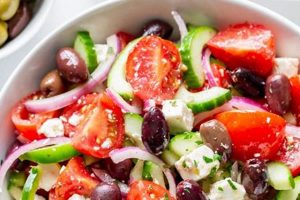
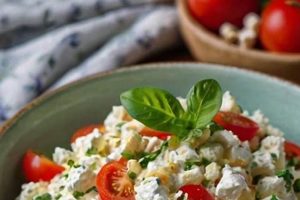
Dried, salted cod, reconstituted and flaked, forms the base of a versatile dish offering numerous variations. Often combined with potatoes, olives, tomatoes, onions, and a vibrant vinaigrette, this culinary creation can range from a simple, rustic preparation to an elegant, composed salad. A classic example features rehydrated cod, boiled potatoes, chopped red onion, Kalamata olives, capers, parsley, and a lemon-herb dressing.
This preparation offers a flavorful and nutritious meal option. Preserving cod through drying and salting has historical significance, particularly in Mediterranean and coastal communities where it served as a crucial source of protein that could be stored and transported easily. This historical practice has evolved into a celebrated culinary tradition featuring the unique, subtly salty taste of the fish. The dish’s adaptability allows for endless ingredient combinations, catering to various dietary needs and preferences.
The following sections will explore variations on this dish, covering ingredient selection, preparation techniques, and tips for achieving optimal flavor and texture.
Tips for Preparing Baccal Salad
Achieving optimal flavor and texture requires attention to detail throughout the preparation process. The following tips offer guidance for a successful outcome.
Tip 1: Soaking the Cod: Thorough desalination is crucial. Soak the dried cod in cold water, refrigerated, for 24-48 hours, changing the water several times. This removes excess salt and rehydrates the fish properly.
Tip 2: Cod Selection: Quality dried cod contributes significantly to the final result. Look for thick, creamy white pieces with a pleasant, mild aroma.
Tip 3: Flaking the Cod: After soaking and simmering until tender, flake the cod gently, discarding any skin or bones. Avoid over-shredding, which can result in a mushy texture.
Tip 4: Potato Selection: Waxy potatoes, such as red bliss or fingerlings, hold their shape well when boiled and complement the cod’s texture.
Tip 5: Dressing the Salad: A balanced vinaigrette is essential. A classic combination includes extra virgin olive oil, lemon juice, red wine vinegar, garlic, and herbs such as parsley or oregano.
Tip 6: Balancing Flavors: The interplay of salty cod, tangy dressing, and other ingredients is key. Adjust seasonings carefully, tasting throughout the process. Kalamata olives and capers add a briny depth, while fresh herbs provide brightness.
Tip 7: Serving the Salad: Allow the salad to rest for at least 30 minutes after dressing to allow the flavors to meld. Serve chilled or at room temperature.
By following these guidelines, one can elevate this simple dish to a truly memorable culinary experience. Proper preparation ensures a harmonious balance of textures and flavors, highlighting the unique qualities of the preserved cod.
This detailed exploration of techniques and ingredient considerations provides a comprehensive understanding of preparing a delicious and authentic rendition.
1. High-quality dried cod

The foundation of a successful preparation hinges on the quality of the dried cod. Selecting premium dried cod significantly impacts the final dish’s texture, flavor, and overall appeal. This section explores the characteristics of high-quality dried cod and its crucial role.
- Appearance and Aroma:
High-quality dried cod typically exhibits a creamy white color and a firm, dry texture. It should be free from discoloration, excessive dryness or brittleness, and any unpleasant, fishy odors. A mild, slightly salty aroma is desirable. These visual and olfactory cues offer valuable insights into the cod’s freshness and proper handling.
- Thickness and Texture:
Thicker pieces of dried cod are generally preferred, as they retain more moisture during the rehydration process, resulting in a more succulent, flaky texture in the finished salad. Thin or excessively dry pieces can become tough and stringy after soaking and cooking.
- Sourcing and Preservation:
Understanding the cod’s origin and preservation method can further inform quality assessment. Traditionally dried and salted cod, often labeled as “baccal” (Italian) or “bacalao” (Spanish and Portuguese), undergoes a specific curing process that enhances its flavor and preservation. Reputable suppliers adhere to traditional methods, ensuring a superior product.
- Impact on Final Dish:
The choice of high-quality dried cod directly translates to a more satisfying culinary experience. Properly dried and preserved cod, when rehydrated and cooked correctly, offers a delicate, slightly salty flavor and a pleasant, flaky texture that complements the other ingredients in the salad. Inferior quality cod can impart undesirable flavors or result in a tough, unappetizing texture, diminishing the overall enjoyment of the dish.
Investing in high-quality dried cod elevates this traditional dish. The superior flavor, texture, and aroma contribute significantly to the overall culinary experience, showcasing the unique qualities of this preserved ingredient. Careful selection ensures a more authentic and enjoyable result, justifying the importance placed on this foundational element.
2. Thorough desalination
Thorough desalination is paramount in preparing this dish. Dried cod, preserved through salting, requires substantial soaking to remove excess salt. Insufficient desalination renders the salad excessively salty, overpowering other delicate flavors and compromising palatability. The desalination process involves submerging the dried cod in cold water, refrigerated, for an extended period, typically 24-48 hours. The water must be changed multiple times to effectively leach out the salt. This process not only removes excess salt but also rehydrates the fish, contributing to its desired texture. The level of saltiness directly impacts the balance of flavors in the finished salad, affecting the interplay of the cod, dressing, and other ingredients.
The importance of thorough desalination is illustrated by considering the interplay of flavors in the finished salad. For instance, a dressing featuring olive oil, lemon juice, and herbs provides brightness and acidity, intended to complement the cod’s inherent saltiness. However, if the cod is excessively salty, the dressing’s nuanced flavors become obscured, resulting in a one-dimensional, overly salty dish. Furthermore, other ingredients, such as olives, capers, and tomatoes, contribute their own salty and savory notes. An excessively salty piece of cod disrupts this delicate balance, creating a disharmonious flavor profile. Conversely, properly desalted cod allows the other ingredients to shine, creating a complex, balanced flavor profile.
Proper desalination directly impacts the sensory experience of consuming a well-made preparation. The cod’s flavor, balanced by the other components, contributes to the dish’s overall appeal. This meticulous attention to detail transforms a simple ingredient into a culinary highlight. Ignoring this crucial step compromises the final dish, highlighting the essential role of thorough desalination in achieving a balanced and enjoyable culinary outcome. Mastering this technique allows one to fully appreciate the unique and nuanced flavors characteristic of authentic preparations.
3. Proper rehydration

Proper rehydration is essential for a successful baccala salad. Rehydration goes beyond simply removing salt; it restores the cod’s texture and unlocks its optimal flavor. Dried cod, by nature, is dense and tough. Rehydration softens the fibers, allowing them to absorb the dressing and other ingredients’ flavors, creating a harmonious blend of textures and tastes. Under-rehydrated cod remains tough and chewy, detracting from the overall enjoyment. Over-rehydration, conversely, produces a mushy, unappetizing texture. The process typically involves submerging the desalted cod in cold water for a specific duration, often several hours, depending on the cod’s thickness. This slow, controlled rehydration ensures even absorption and optimal texture. For instance, thicker cuts may require longer soaking times compared to thinner pieces. This careful attention to the rehydration process ensures that the cod contributes the desired texture and readily absorbs the flavors of the dressing and other ingredients.
The impact of proper rehydration extends beyond texture to flavor absorption. The rehydrated cod acts as a sponge, drawing in the nuances of the dressing, be it a vibrant vinaigrette or a simple lemon-herb infusion. This absorption is crucial for a flavorful and well-integrated salad. Imagine a dressing with garlic, oregano, and lemon. Properly rehydrated cod absorbs these flavors, creating a cohesive and flavorful experience. Under-rehydrated cod, however, resists absorption, resulting in a salad where the cod and dressing remain separate, distinct elements. This lack of integration diminishes the overall flavor complexity and balance. The practical application of this understanding lies in achieving a balanced, flavorful salad. By mastering rehydration techniques, one ensures that the cod contributes both textural appeal and a deep, integrated flavor profile.
Proper rehydration is fundamental to a successful outcome. It dictates the cod’s texture, influencing how it interacts with other ingredients and absorbs the dressing. This understanding allows for precise control over the final product, ensuring a pleasant textural experience and a harmonious blend of flavors. Mastery of this technique allows one to elevate this classic dish, showcasing the unique qualities of rehydrated cod and ensuring a truly satisfying culinary experience. Challenges may include variations in cod thickness and dryness, requiring adjustments to rehydration times. However, attention to detail throughout the process allows for consistent and desirable results, highlighting the pivotal role of rehydration in creating a well-balanced and flavorful baccala salad.
4. Balanced Vinaigrette

A balanced vinaigrette plays a crucial role in a successful baccala salad recipe. The vinaigrette serves not only to dress the salad but also to complement and enhance the flavors of the rehydrated cod and other ingredients. Its acidity cuts through the richness of the fish, while its other components contribute complexity and depth. A well-executed vinaigrette elevates the dish from simple to sophisticated.
- Acidity:
The acidity in a vinaigrette, typically derived from vinegar or citrus juice, is essential for balancing the richness of the cod and other ingredients like olives and potatoes. Lemon juice, red wine vinegar, and white wine vinegar are common choices. The right level of acidity brightens the flavors and prevents the salad from feeling heavy. Too much acidity can be overpowering, while too little can make the salad bland.
- Oil:
The oil component of the vinaigrette provides richness and texture. Extra virgin olive oil is a classic choice, offering a fruity, peppery flavor that complements the cod. Other oils, such as avocado or grapeseed oil, can also be used. The ratio of oil to acid influences the vinaigrette’s overall flavor and mouthfeel.
- Aromatics and Herbs:
Aromatics, such as garlic, shallots, or onions, add depth and complexity to the vinaigrette. Fresh herbs, like parsley, oregano, or chives, contribute brightness and freshness. These elements infuse the vinaigrette with additional layers of flavor, enhancing the overall sensory experience. The specific aromatics and herbs chosen can be tailored to complement the other ingredients in the salad.
- Seasoning and Emulsification:
Proper seasoning with salt and pepper is crucial for a well-balanced vinaigrette. A touch of sweetness, such as a pinch of sugar or a drizzle of honey, can further enhance the flavors. Emulsifying the vinaigrette, by whisking the oil and acid together, creates a creamy, cohesive texture that coats the salad ingredients evenly, ensuring a harmonious blend of flavors in each bite.
The balanced vinaigrette, with its interplay of acidity, richness, aromatics, and seasonings, is integral to a successful baccala salad recipe. It acts as a unifying element, bringing together the diverse flavors and textures of the cod, potatoes, olives, and other components. The careful consideration of each element within the vinaigrette ensures a harmonious and delicious final product, elevating the simple combination of ingredients into a sophisticated and satisfying dish.
5. Complementary Ingredients

Complementary ingredients are essential to a well-composed baccala salad recipe, transforming the dish from simple fare to a culinary experience. These ingredients interact with the rehydrated cod, creating a balanced interplay of flavors and textures. Consideration of these complementary elements ensures a harmonious and satisfying final product. The selection of these ingredients depends on regional variations and personal preferences, but some common choices consistently enhance the dish.
Potatoes, often boiled or roasted, provide a starchy counterpoint to the flaky cod. Their earthy flavor and soft texture contrast with the cod’s salinity and slightly chewy consistency. Waxy potatoes, such as red bliss or fingerlings, hold their shape well and complement the cod’s texture. Olives, particularly Kalamata or Castelvetrano, introduce a briny, salty element, echoing and enhancing the cod’s inherent salinity. Capers offer a similar briny, pungent note, adding a burst of flavor. Tomatoes, whether fresh or sun-dried, provide sweetness and acidity, balancing the richness of the cod and the saltiness of the olives and capers. Onions, whether red, white, or thinly sliced scallions, contribute a sharp, pungent bite, cutting through the richness and adding a layer of complexity. Fresh herbs, such as parsley, oregano, or basil, offer brightness and freshness, lifting the flavors of the other ingredients. Their aromatic qualities enhance the overall sensory experience.
A classic example illustrating the interplay of complementary ingredients features boiled red bliss potatoes, Kalamata olives, capers, chopped red onion, and fresh parsley. The potatoes offer a neutral base, absorbing the flavors of the dressing and other ingredients. The olives and capers contribute a briny saltiness, while the red onion adds a sharp bite. The parsley provides a fresh, herbaceous counterpoint, balancing the other flavors. The practical significance of understanding these complementary ingredients lies in the ability to create a balanced and nuanced flavor profile. One can adjust the quantities and types of ingredients to achieve specific flavor combinations, tailoring the salad to individual preferences. Challenges may arise from balancing the intensity of certain ingredients, such as olives and capers, which can easily overpower the delicate flavor of the cod. However, careful consideration of these elements allows one to create a harmonious and delicious baccala salad, showcasing the interplay of flavors and textures that result from thoughtfully chosen complementary ingredients.
6. Flavorful Seasonings

Flavorful seasonings are integral to a successful baccala salad recipe, elevating the dish beyond its basic components. These seasonings, carefully chosen and balanced, interact with the inherent saltiness of the cod and the other ingredients, creating a complex and nuanced flavor profile. The impact of seasonings extends beyond simply adding flavor; they contribute depth, aroma, and a balanced sensory experience. Understanding the role of seasonings allows for a more nuanced approach to recipe development and execution.
Consider the interplay of seasonings with the other ingredients. Freshly ground black pepper adds a subtle heat and complexity, balancing the richness of the cod and the acidity of the vinaigrette. A pinch of red pepper flakes introduces a touch of spiciness, contrasting with the brininess of olives and capers. Fresh herbs, such as parsley, oregano, or chives, provide brightness and freshness, lifting the overall flavor profile. Garlic, whether minced or roasted, adds a pungent savory note. These seasonings, when combined judiciously, create a symphony of flavors that complement and enhance the primary ingredients. A practical example illustrating this interplay involves a baccala salad seasoned with freshly ground black pepper, a pinch of red pepper flakes, chopped fresh parsley, and a hint of minced garlic. The black pepper enhances the cod’s savory notes, while the red pepper flakes provide a subtle heat. The parsley adds a fresh, herbaceous element, and the garlic contributes a pungent depth. This combination of seasonings creates a balanced and flavorful salad that highlights the unique qualities of each ingredient.
The practical significance of understanding the role of seasonings lies in the ability to tailor the flavor profile to specific preferences. One can adjust the types and quantities of seasonings to achieve desired outcomes, creating a customized culinary experience. Challenges may include balancing the intensity of certain seasonings, such as garlic or red pepper flakes, which can easily overpower the delicate flavor of the cod. However, careful consideration and experimentation allow for a nuanced approach to seasoning, resulting in a baccala salad that is both balanced and flavorful. Mastering the art of seasoning elevates this classic dish, transforming it from a simple preparation into a culinary masterpiece.
7. Resting Time

Resting time is a crucial, often overlooked, element in preparing baccala salad. This period allows the flavors of the various componentsthe rehydrated cod, the vinaigrette, the vegetables, and the seasoningsto meld and harmonize. This integration of flavors elevates the final dish, transforming individual ingredients into a cohesive and balanced culinary experience. The following facets explore the significance of resting time in achieving optimal flavor development and textural harmony.
- Flavor Integration:
Resting allows the vinaigrette to permeate the cod and vegetables, infusing them with its complex flavors. The cod, having absorbed the dressing, softens further, achieving its ideal texture. The other ingredients, such as potatoes, olives, and onions, also absorb the vinaigrette, creating a harmonious blend of flavors. This integration is essential for a balanced and flavorful salad.
- Texture Development:
Beyond flavor, resting time impacts the salad’s texture. The cod, initially firm after rehydration, continues to soften as it absorbs the vinaigrette. This softening creates a more palatable and enjoyable texture, complementing the textures of the other ingredients. The resting period also allows the potatoes to absorb some of the dressing, preventing them from becoming dry or starchy.
- Temperature Equilibrium:
Resting often involves chilling the salad, allowing it to reach a consistent temperature throughout. This temperature equilibrium enhances the sensory experience, ensuring that each bite delivers a balanced and refreshing combination of flavors and textures. Serving the salad too soon after preparation may result in uneven temperatures, impacting the overall enjoyment.
- Practical Application:
The practical implication of understanding the importance of resting time is that it necessitates planning and preparation. Ideally, the salad should be prepared and allowed to rest for at least 30 minutes, or even longer, before serving. This allows ample time for flavor integration and texture development. While some may be tempted to serve the salad immediately, the benefits of resting time are significant and contribute substantially to the overall quality of the dish.
Resting time, while seemingly a passive step, plays an active role in developing the complex flavor profile and harmonious texture characteristic of a well-made baccala salad. This understanding underscores the importance of allowing sufficient time for the ingredients to meld and harmonize, ultimately elevating the dish from a simple combination of components to a cohesive and satisfying culinary experience. By recognizing the impact of resting time, one can fully appreciate the nuanced flavors and textures that contribute to a truly exceptional baccala salad.
Frequently Asked Questions
This section addresses common inquiries regarding preparation, offering clarity on key aspects and dispelling potential misconceptions.
Question 1: How long should dried cod be soaked?
Soaking duration typically ranges from 24 to 48 hours, depending on the cod’s thickness and salt level. Changing the water several times throughout this period is crucial for effective desalination.
Question 2: Can other types of fish be substituted for cod?
While other dried, salted fish may be used, the specific flavor profile and texture of cod are integral to this dish. Substitutions may yield significantly different results.
Question 3: What type of potatoes is best for baccala salad?
Waxy potatoes, such as red bliss or fingerlings, are generally preferred due to their ability to hold their shape after boiling and their complementary texture.
Question 4: Is it necessary to simmer the cod after soaking?
Simmering the cod after soaking, while not strictly required, contributes to a more tender and palatable texture. This step also facilitates the removal of any remaining bones or skin.
Question 5: How long can baccala salad be stored?
Properly stored in an airtight container in the refrigerator, it can typically be stored for up to three days. Flavor and texture may change slightly over time.
Question 6: Can the salad be prepared in advance?
Preparing the salad a day in advance allows the flavors to meld further. However, add the dressing just before serving to maintain the optimal texture of the ingredients.
Addressing these frequently asked questions provides a comprehensive understanding of key preparation aspects, ensuring a successful and enjoyable culinary experience.
This information serves as a valuable resource for both novice and experienced cooks seeking to perfect their approach.
Baccala Salad Recipe
Exploration of this classic dish reveals a deceptively simple preparation demanding careful attention to detail. From sourcing high-quality dried cod to the nuanced art of desalination and rehydration, each step contributes significantly to the final product. The balanced interplay of complementary ingredients, a vibrant vinaigrette, and judicious seasoning further elevates this culinary creation. Allowing sufficient resting time for flavors to meld completes the process, resulting in a harmonious blend of textures and tastes.
This examination underscores the importance of respecting traditional techniques while embracing individual expression. Culinary exploration fosters an appreciation for the historical and cultural significance embedded within each ingredient and preparation method. Further investigation into regional variations promises to unlock a deeper understanding of this versatile and timeless dish. Ultimately, mastery of a baccala salad recipe offers a rewarding culinary experience, celebrating the transformation of humble ingredients into a dish of remarkable depth and complexity.