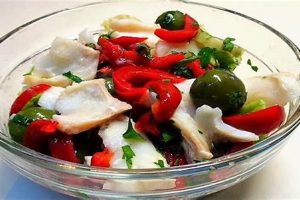
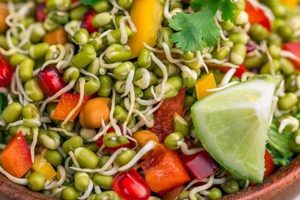
Dishes featuring this succulent as a primary ingredient offer a refreshing and nutritious addition to any meal. Common preparations involve combining the crisp, slightly sour leaves with other vegetables, fruits, and a flavorful dressing. For example, a simple preparation might include chopped purslane, cucumber, tomato, red onion, and a lemon vinaigrette.
Rich in Omega-3 fatty acids, vitamins A, C, and E, as well as minerals like magnesium and potassium, this leafy green offers numerous health benefits. Its use in culinary applications dates back centuries, with evidence suggesting consumption by ancient Greeks and Romans. The plant’s resilience and ability to thrive in various climates have contributed to its widespread availability and continued popularity across diverse cultures.
This exploration will delve into specific culinary applications, offering a range of creative and flavorful options for incorporating this versatile ingredient into one’s diet. Detailed recipes and preparation techniques will be provided, along with nutritional information and historical insights.
Tips for Utilizing Purslane in Salads
Maximizing the culinary potential of this versatile green requires an understanding of its unique characteristics and optimal preparation techniques. The following tips provide guidance for incorporating purslane into flavorful and nutritious salads.
Tip 1: Harvesting and Selection
Select young, tender leaves and stems for optimal flavor and texture. Older leaves can become tough and develop a slightly bitter taste. Harvesting during cooler parts of the day, such as early morning, can enhance the plant’s crispness.
Tip 2: Thorough Cleaning
Given purslane’s low-growing nature, thorough washing is essential to remove any soil or grit. Soaking the leaves in a bowl of cold water for a few minutes, followed by rinsing under running water, ensures proper cleaning.
Tip 3: Balancing Flavors
The slightly sour, lemony flavor of purslane pairs well with a variety of ingredients. Consider incorporating contrasting flavors and textures, such as sweet fruits (berries, melon), creamy cheeses (feta, goat), and crunchy vegetables (cucumber, radish).
Tip 4: Dressing Choices
Light vinaigrettes, particularly those with citrus or herbs, complement purslane’s natural tartness. Avoid heavy, creamy dressings that can overwhelm the delicate flavor of the greens.
Tip 5: Storage for Freshness
To maintain freshness, store unwashed purslane in a plastic bag in the refrigerator. Ideally, it should be consumed within a few days of harvest or purchase. Avoid storing washed purslane, as excess moisture can promote spoilage.
By following these tips, one can elevate salads to new heights of flavor and nutritional value, showcasing the unique attributes of this often-overlooked ingredient.
These culinary suggestions provide a starting point for exploring the versatility of purslane, encouraging further experimentation and the creation of personalized recipes.
1. Fresh Purslane

Fresh purslane serves as the foundational ingredient in purslane-centric salads, contributing distinct textural and flavor profiles. Its crisp, succulent leaves offer a refreshing counterpoint to other salad components. The slightly tart, lemony flavor of fresh purslane provides a unique dimension, balancing sweeter or richer elements within the salad. Utilizing fresh purslane ensures optimal nutritional value, maximizing the intake of vitamins, minerals, and omega-3 fatty acids. For instance, a salad featuring fresh purslane, grilled halloumi, and watermelon balances the saltiness of the cheese, the sweetness of the fruit, and the tartness of the purslane. Failure to use fresh purslane can result in a less vibrant, potentially bitter, and nutritionally diminished salad.
The quality of fresh purslane directly impacts the overall success of the salad. Wilted or older leaves can introduce undesirable bitterness and a less appealing texture. Proper selection and storage are crucial. Choosing young, vibrant leaves and storing them appropriately maintains freshness and optimizes flavor. Consider a scenario where a salad incorporates older, wilted purslane. The resulting dish might lack the desired brightness and textural appeal, potentially deterring enjoyment.
Prioritizing fresh purslane in salad preparation elevates both the sensory and nutritional experience. Understanding the importance of freshness allows for informed ingredient selection and proper handling, ultimately contributing to a more flavorful and healthful dish. This emphasis on freshness aligns with broader culinary trends that prioritize high-quality, seasonal ingredients for optimal taste and nutritional benefit.
2. Complementary Ingredients

The success of a purslane salad hinges on the thoughtful selection of complementary ingredients. These additions should enhance, not overpower, the unique flavor profile of purslane, creating a balanced and harmonious culinary experience. Strategic pairings elevate the salad beyond a simple sum of its parts, transforming it into a cohesive and flavorful dish.
- Textural Variety
Purslane possesses a naturally succulent texture. Incorporating ingredients with contrasting textures, such as crunchy vegetables (cucumber, radish, bell pepper), toasted nuts (walnuts, pine nuts), or crispy croutons, creates a more dynamic and satisfying sensory experience. Imagine the interplay of tender purslane leaves with the crisp snap of a cucumber or the satisfying crunch of a toasted walnut.
- Flavor Balancing
Purslane’s slightly tart, almost lemony flavor profile offers a versatile base for flavor exploration. Sweet elements, like ripe tomatoes, berries, or dried fruits, provide a counterpoint to the purslane’s tartness. Salty cheeses, such as feta, goat cheese, or parmesan, further enhance the flavor complexity. The combination of sweet, salty, and tart creates a well-rounded flavor profile.
- Aromatic Enhancements
Fresh herbs and spices contribute aromatic depth and complexity to purslane salads. Mint, dill, oregano, and chives complement the fresh, verdant notes of purslane. A sprinkle of red pepper flakes or a pinch of sumac can introduce subtle heat and intrigue. These aromatic additions elevate the sensory experience beyond the basic flavors.
- Protein Integration
Transforming a purslane salad into a more substantial meal requires the addition of protein. Grilled chicken or fish, chickpeas, lentils, or toasted nuts offer excellent protein sources, contributing both nutritional value and textural interest. Consider a salad with grilled salmon, purslane, and a lemon-dill dressing, showcasing a balanced and nutritious meal.
The careful consideration of complementary ingredients elevates purslane from a simple green to the star of a complex and satisfying salad. These pairings, when thoughtfully combined, result in a dish that celebrates both the individual flavors and the harmonious interplay of textures and aromas. Experimentation with various combinations allows for personalized creations that cater to individual preferences and culinary creativity.
3. Balanced Flavors

Balanced flavors represent a cornerstone of successful purslane salad recipes. Purslane, with its inherent tartness, necessitates careful consideration of other ingredients to achieve a harmonious flavor profile. The goal is not to mask purslane’s unique character but rather to complement and enhance it through strategic pairings. A salad dominated by purslane’s tartness can be unpleasantly sharp, while a salad that underutilizes it misses an opportunity for complexity. For example, a purslane salad with overly sweet fruits and no acidic element might taste cloying, whereas a salad with only bitter greens and purslane could be excessively tart.
Achieving balance requires understanding the interplay of different taste elements: sweetness, acidity, saltiness, bitterness, and umami. In a purslane salad, the tartness often serves as the dominant note. Sweetness, from ingredients like ripe tomatoes or berries, can temper the tartness and add depth. Acidity, from a vinaigrette or citrus segments, can brighten the flavors without overwhelming the purslane’s inherent tartness. Saltiness, from ingredients like feta cheese or olives, provides a savory counterpoint and enhances the other flavors. Umami, from ingredients like roasted nuts or sun-dried tomatoes, adds a rich, savory dimension. A practical example would be a salad featuring purslane, strawberries, crumbled feta, toasted pecans, and a light lemon vinaigrette. The strawberries offer sweetness, the feta provides saltiness, the pecans contribute umami, and the vinaigrette introduces additional acidity, all working in concert to balance the purslane’s tartness.
Mastery of flavor balance in purslane salads unlocks the full potential of this versatile ingredient. It allows purslane’s unique flavor profile to shine while simultaneously creating a more complex and satisfying culinary experience. The ability to balance flavors extends beyond individual recipes; it cultivates a deeper understanding of ingredient interactions and promotes culinary creativity. The challenge lies not simply in combining ingredients but in understanding how those ingredients interact to create a harmonious whole. This principle, once grasped, can be applied to a wide range of culinary endeavors, transforming simple dishes into sophisticated and nuanced creations.
4. Creative Dressings
Creative dressings play a pivotal role in elevating purslane salads from simple to exceptional. Purslane’s inherent tartness and succulent texture provide a versatile canvas for dressings that complement and enhance its unique flavor profile. A well-crafted dressing can balance the tartness, add depth of flavor, and contribute textural interest. An overly acidic dressing might overpower the purslane, while a bland dressing could fail to complement its vibrant character. Consider a light lemon vinaigrette: its acidity complements the purslane, while a touch of sweetness balances the tartness. Alternatively, a tahini-based dressing provides a creamy counterpoint to the purslane’s crispness, while the nutty flavor enhances its earthy notes. Such examples demonstrate the transformative power of a thoughtfully chosen dressing.
The choice of dressing influences not only the flavor but also the overall sensory experience of a purslane salad. A vibrant, herbaceous dressing with fresh dill, mint, and parsley can amplify the fresh, verdant qualities of purslane. A creamy avocado dressing adds richness and a smooth texture, contrasting with the purslane’s slight crunch. A spicy dressing with chili flakes or jalapeo can introduce an element of heat, adding complexity and excitement to the flavor profile. These examples illustrate how dressings contribute diverse sensory dimensions to purslane salads. Moreover, the visual appeal of a dressingits color, texture, and consistencyenhances the overall presentation and enjoyment of the dish.
Strategic dressing selection transforms purslane salads into dynamic culinary creations. By understanding the interplay of flavors, textures, and aromas, one can craft dressings that not only complement purslane’s unique qualities but also elevate the entire dish. The ability to create and adapt dressings offers a significant advantage in maximizing the culinary potential of purslane. This knowledge empowers culinary exploration and facilitates the creation of personalized purslane salad recipes tailored to individual preferences and dietary needs.
5. Nutritional Benefits
Nutritional value represents a significant advantage of incorporating purslane into salads. Purslane offers a rich source of omega-3 fatty acids, essential for cardiovascular health and cognitive function. These fatty acids are not readily produced by the human body and must be obtained through dietary sources. A purslane salad, therefore, contributes to meeting this nutritional requirement. Furthermore, purslane provides significant amounts of vitamins A and C, both known for their antioxidant properties, promoting cellular health and bolstering the immune system. Mineral content, including magnesium and potassium, supports nerve and muscle function, contributing to overall well-being. For example, a purslane salad consumed as part of a balanced diet can contribute to daily recommended intakes of these essential nutrients. This nutritional density distinguishes purslane from less nutrient-rich salad greens.
The bioavailability of these nutrients within the context of a salad deserves consideration. Consuming purslane raw in a salad maximizes nutrient retention, as cooking processes can sometimes diminish vitamin and mineral content. The presence of healthy fats in salad dressings, such as olive oil, can enhance the absorption of fat-soluble vitamins like vitamin A. However, excessive dressing can negate some of the health benefits by adding unnecessary calories and unhealthy fats. For instance, a purslane salad with a light vinaigrette offers a healthier option compared to one drenched in a creamy, high-calorie dressing. Understanding these factors allows for informed choices that optimize nutritional intake.
Nutritional benefits elevate purslane salads beyond simple culinary creations, transforming them into dishes that actively contribute to health and well-being. Recognizing the nutritional density of purslane encourages its inclusion in dietary plans aimed at promoting optimal health. While taste and presentation remain important, the awareness of nutritional value adds another dimension to the appreciation and consumption of purslane salads. This understanding positions purslane as a valuable component of a balanced and nutritious diet, further enhancing its appeal in contemporary culinary practices.
Frequently Asked Questions
This section addresses common inquiries regarding the utilization of purslane in salads, providing concise and informative responses.
Question 1: How does one identify purslane to ensure safe foraging?
Purslane possesses smooth, reddish stems and fleshy, paddle-shaped leaves. Exercise caution when foraging; accurate identification is crucial to avoid consuming potentially harmful look-alikes. Consulting field guides or experienced foragers is recommended.
Question 2: Can purslane be consumed raw, or does it require cooking?
Purslane can be safely consumed raw and is often preferred in salads for its crisp texture and refreshing flavor. Cooking, however, diminishes its nutritional value, particularly vitamin C content.
Question 3: Are there specific purslane varieties best suited for salads?
While various purslane varieties exist, common purslane (Portulaca oleracea) is the most readily available and commonly used in culinary applications. Golden purslane offers a milder flavor profile.
Question 4: How should purslane be stored to maintain freshness?
Unwashed purslane should be stored in a sealed container or plastic bag in the refrigerator. Ideally, it should be consumed within a few days of harvest or purchase.
Question 5: What are potential adverse effects of consuming purslane?
Individuals with kidney conditions should exercise caution due to purslane’s oxalate content. Those taking blood-thinning medication should consult a healthcare professional before incorporating significant amounts of purslane into their diet due to its vitamin K content.
Question 6: Where can purslane be purchased if foraging is not an option?
Purslane can often be found at farmers’ markets, specialty grocery stores, or ethnic markets, particularly those specializing in Middle Eastern or Mediterranean produce.
Understanding these key aspects of purslane selection, preparation, and consumption ensures optimal culinary utilization and nutritional benefit. Accurate identification, appropriate storage, and awareness of potential contraindications facilitate safe and informed incorporation of purslane into one’s diet.
This concludes the frequently asked questions section. Subsequent sections will delve into specific purslane salad recipes and further explore the culinary versatility of this remarkable ingredient.
Purslane Recipes Salad
Exploration of purslane recipes for salads reveals a versatile ingredient offering both culinary and nutritional advantages. From its unique flavor profile to its rich nutrient content, purslane presents an opportunity to elevate salads beyond basic greens. Key considerations include sourcing fresh, high-quality purslane; selecting complementary ingredients that balance its tartness; utilizing creative dressings that enhance its flavor; and recognizing its significant contributions to a healthy diet. Careful attention to these elements allows for the creation of salads that are not only flavorful and visually appealing but also nutritionally beneficial.
The adaptability of purslane within various culinary traditions underscores its potential to become a staple ingredient in modern kitchens. Further exploration of purslane’s culinary applications promises exciting possibilities for innovative recipes and continued appreciation of this often-overlooked yet remarkably versatile plant. Its resilience and adaptability further suggest a valuable role in sustainable food systems, making purslane a promising ingredient for future culinary endeavors.