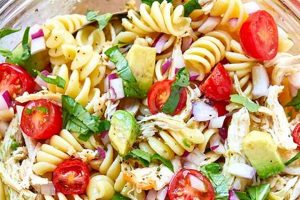
This classic Hawaiian side dish typically features elbow macaroni, mayonnaise, and a blend of ingredients that contribute to its unique, tangy flavor profile. Common additions include carrots, celery, and onions, often finely diced. Variations may incorporate potatoes, hard-boiled eggs, or relish for added texture and taste complexity.
The enduring popularity of this dish stems from its creamy texture, balanced sweet and savory notes, and ease of preparation, making it a staple at potlucks, picnics, and family gatherings. As a local favorite, its cultural significance within Hawaiian cuisine is noteworthy, representing the fusion of diverse culinary influences. From humble beginnings as a simple side, it has evolved into a beloved comfort food with numerous interpretations across the islands.
Further exploration will delve into specific ingredient variations, preparation methods, and the cultural context that elevates this dish from a basic macaroni salad to a celebrated culinary tradition.
Tips for an Excellent Macaroni Salad
Achieving a well-balanced and flavorful macaroni salad requires attention to detail throughout the preparation process. The following tips offer guidance for optimal results.
Tip 1: Cook the pasta al dente. Slightly firm pasta holds its shape better and prevents a mushy texture in the final salad. Avoid overcooking.
Tip 2: Chill the cooked pasta thoroughly. Rinsing the pasta under cold water after draining helps stop the cooking process and cools it down quickly for immediate use.
Tip 3: Use high-quality mayonnaise. The mayonnaise serves as the base of the dressing, so its flavor significantly impacts the overall taste. Experiment to find a preferred brand or recipe.
Tip 4: Balance sweetness and tanginess. A combination of sugar and vinegar, or a pre-made sweet pickle relish, adds depth of flavor and prevents the salad from tasting bland.
Tip 5: Incorporate finely chopped vegetables. Smaller pieces distribute evenly throughout the salad and offer a more pleasant texture. Consider using a food processor for consistent results.
Tip 6: Season generously. Salt and pepper enhance the other flavors. Taste and adjust seasoning as needed.
Tip 7: Chill the salad before serving. Chilling allows the flavors to meld and enhances the overall experience.
By following these guidelines, one can create a macaroni salad that offers a harmonious blend of textures and flavors.
These tips provide a foundation for creating a delicious macaroni salad, adaptable to individual preferences and regional variations.
1. Best macaroni type

Macaroni selection significantly influences the final quality of a Zippy’s-style mac salad. Elbow macaroni, the traditional choice, offers optimal surface area for absorbing the dressing, contributing to the characteristic creamy texture and flavor distribution. Its curved shape also holds up well during mixing and chilling, preventing breakage and maintaining a pleasant mouthfeel. While other short pasta shapes might be substituted, they may not achieve the same balance of flavor absorption and textural integrity. For instance, shells, while visually appealing, can trap excessive dressing in their cavities, leading to an uneven flavor profile and a heavier, less desirable consistency. Ditalini, though small and similarly shaped to elbow macaroni, tends to become mushy, compromising the desired textural contrast.
The relationship between macaroni type and the overall success of the dish lies in the interplay of surface area, shape, and pasta density. Elbow macaroni’s specific attributes optimize dressing adherence and structural integrity, crucial for a successful emulation of the classic Zippy’s mac salad. Choosing alternative pasta shapes can result in variations in dressing absorption, texture, and overall enjoyment of the dish. This careful consideration of pasta shape ensures the final product aligns with the expected flavor profile and textural experience.
Ultimately, adherence to the traditional elbow macaroni contributes significantly to replicating the authentic Zippy’s mac salad experience. Divergence from this standard, while possible, risks compromising the delicate balance of flavor, texture, and overall culinary satisfaction that defines this iconic dish. Understanding the importance of this seemingly simple ingredient choice underscores the attention to detail required for a truly successful outcome.
2. Ideal mayonnaise brand

Mayonnaise selection significantly influences the overall flavor profile of a Zippy’s-style mac salad. The brand chosen contributes not only to the creaminess and texture but also introduces subtle nuances in taste that can either enhance or detract from the desired outcome. Understanding the characteristics of different mayonnaise brands helps determine the ideal choice for achieving an authentic flavor experience.
- Flavor Profile
Different mayonnaise brands possess distinct flavor profiles, ranging from tangy to sweet, and some with more pronounced eggy or mustard notes. Best Foods mayonnaise, often cited as a preferred choice for replicating the Zippy’s flavor, exhibits a balanced tanginess and richness that complements the other ingredients. Hellmann’s, while similar, may possess a slightly sweeter profile, potentially altering the overall balance. Kraft mayonnaise, with its more pronounced tang, could overpower the delicate sweetness of the other components. The subtle variations in these flavor profiles contribute significantly to the final taste of the mac salad.
- Texture and Consistency
Mayonnaise texture plays a crucial role in the final consistency of the salad. Some brands are thicker and creamier, while others are thinner and more fluid. A thicker mayonnaise, like Best Foods or Duke’s, coats the pasta more effectively, creating the desired creamy texture. A thinner mayonnaise might result in a watery salad, lacking the characteristic richness and cling. This textural element is essential for achieving the proper mouthfeel and overall enjoyment of the dish.
- Ingredient Quality
The quality of ingredients used in the mayonnaise also affects the overall flavor. Brands using higher quality oils and eggs tend to produce a richer, more flavorful mayonnaise. Some brands may also incorporate additional ingredients, such as preservatives or stabilizers, which can impact the taste. Examining ingredient lists allows for informed decisions based on personal preferences and desired flavor outcomes.
- Regional Preferences
Regional availability and preferences often influence mayonnaise selection. While Best Foods is popular in the Western United States and Hawaii, Hellmann’s dominates the East Coast. Duke’s enjoys a strong following in the South. These regional variations reflect established tastes and can guide selection based on geographic location and desired authenticity.
The interplay between these factorsflavor profile, texture, ingredient quality, and regional preferencesultimately determines the most suitable mayonnaise for a Zippy’s-style mac salad. Careful consideration of these elements allows for a more informed decision, contributing to a final product that captures the authentic flavor and textural experience of this iconic dish. Choosing the right mayonnaise is not simply a matter of personal preference; it’s a crucial step in achieving the desired balance and complexity that define Zippy’s mac salad.
3. Precise ingredient proportions

Achieving the signature flavor profile of a Zippy’s-style mac salad hinges on the precise balance of its components. The interplay between the creamy mayonnaise, tangy vinegar or relish, and subtle sweetness creates a complex flavor profile that distinguishes it from other macaroni salads. Deviations from established proportions can significantly alter the intended taste, resulting in a salad that is too sweet, excessively tangy, or bland. For example, increasing the sugar content without a corresponding adjustment in vinegar can lead to an overly sweet, cloying salad. Conversely, an overabundance of vinegar results in a sharp, acidic taste that masks the subtler flavors of the other ingredients. Careful adherence to established ratios ensures the harmonious balance that defines this classic dish.
The importance of precise ingredient proportions extends beyond mere flavor balance. It also impacts the texture and overall consistency of the salad. Too much mayonnaise can create a heavy, overly rich salad, while too little results in a dry, less appealing texture. The proper balance of ingredients ensures the desired creamy consistency that clings to the pasta without being overly dense. Consider the role of added vegetables: an excess can overwhelm the other flavors and create a watery salad, whereas too few diminish the textural complexity and visual appeal. Each ingredient plays a specific role, contributing to the overall sensory experience, and deviations can disrupt the carefully calibrated balance.
Mastery of this dish necessitates an understanding of the delicate interplay between its constituent parts. Careful measurement and adherence to established proportions ensure the consistent replication of the desired flavor and texture. While variations exist to accommodate individual preferences, these adjustments should be made thoughtfully, recognizing the potential impact on the overall balance. This attention to detail elevates the mac salad from a simple side dish to a carefully crafted culinary creation, reflecting an understanding of the fundamental principles that govern flavor and texture. This precision is key to achieving the authentic Zippy’s experience, distinguishing it from generic macaroni salads.
4. Optimal chilling time

Optimal chilling time plays a crucial role in the development of flavor and texture in a Zippy’s-style mac salad. Chilling allows the flavors of the various ingredientsmayonnaise, vegetables, seasoningsto meld and harmonize, creating a more complex and balanced flavor profile. Immediate consumption after preparation results in a less nuanced taste, with individual ingredient flavors remaining distinct rather than integrating into a cohesive whole. The chilling process also firms the pasta and allows it to absorb the dressing more thoroughly, contributing to the desired creamy texture. A minimum chilling time of two hours is generally recommended, although extending the chilling period up to four hours can further enhance flavor development and textural consistency. For instance, allowing the salad to chill overnight, while potentially convenient, might lead to over-absorption of the dressing, resulting in a softer, less appealing texture.
The practical significance of understanding optimal chilling time lies in maximizing the sensory experience of consuming Zippy’s mac salad. Insufficient chilling compromises flavor development, yielding a less satisfying result. Conversely, excessive chilling can negatively impact texture, leading to a loss of the desired firmness and potentially a mushy consistency. This understanding enables informed decisions regarding preparation timelines, ensuring the salad reaches its peak flavor and textural quality at the intended serving time. Consider a scenario where the salad is prepared for a picnic: chilling it for the appropriate duration before transport ensures optimal enjoyment upon arrival. Conversely, preparing the salad immediately before serving, without adequate chilling time, diminishes the overall culinary experience.
In summary, optimal chilling time represents a crucial element in achieving the characteristic flavor and texture of a Zippy’s-style mac salad. This understanding empowers individuals to control the development of these attributes, optimizing the culinary experience. The balance between insufficient and excessive chilling highlights the nuanced nature of this seemingly simple step, emphasizing its importance in replicating the authentic Zippy’s mac salad. Neglecting this critical aspect undermines the effort invested in ingredient selection and preparation, ultimately impacting the overall enjoyment of this classic dish.
5. Authentic Ingredient Sources

Authentic ingredient sourcing plays a pivotal role in replicating the distinct flavor profile of a Zippy’s-style mac salad. Utilizing ingredients commonly found in Hawaiian cuisine contributes significantly to the dish’s unique character. For instance, sourcing locally grown produce, such as Maui onions or Molokai sweet potatoes, when seasonally available, imparts subtle flavor nuances often absent in commercially produced alternatives. These locally sourced ingredients reflect the terroir and growing conditions specific to the Hawaiian islands, imbuing the salad with a distinct regional character. Similarly, opting for Hawaiian sea salt, with its delicate mineral notes, enhances the overall flavor complexity compared to standard table salt. The emphasis on ingredient provenance underscores the connection between sourcing practices and the final culinary outcome.
Beyond produce and seasonings, the selection of other components, like mayonnaise, impacts authenticity. While specific brand preferences exist, prioritizing quality and freshness remains paramount. Using a high-quality mayonnaise made with real eggs and oil, rather than a processed alternative, contributes to a richer, more authentic flavor profile. Additionally, utilizing apple cider vinegar rather than distilled white vinegar adds a subtle sweetness and complexity that aligns with traditional Hawaiian culinary practices. The cumulative impact of these sourcing choices elevates the mac salad beyond a simple combination of ingredients, transforming it into a culinary expression of regional flavors and traditions. Consider a scenario where a chef substitutes mainland-grown carrots for locally sourced Hawaiian carrots: the resulting flavor profile, though subtly different, can impact the overall authenticity of the dish. The seemingly small choices regarding ingredient sourcing collectively contribute to the overall sensory experience, highlighting the importance of authenticity in replicating a true Zippy’s-style mac salad.
In conclusion, sourcing authentic ingredients forms an integral part of replicating the true essence of Zippy’s mac salad. The emphasis on local produce, Hawaiian sea salt, and high-quality mayonnaise reflects a commitment to preserving the dish’s unique regional identity. Understanding the connection between ingredient provenance and the final flavor profile enables a more nuanced appreciation of this classic Hawaiian dish. The practical implications of these choices demonstrate that authentic sourcing extends beyond mere ingredient selection; it embodies a respect for culinary tradition and a dedication to achieving the highest level of flavor and authenticity. This attention to detail distinguishes a true Zippy’s-style mac salad from generic interpretations, highlighting the value of authentic ingredient sourcing in preserving culinary heritage.
Frequently Asked Questions
This section addresses common inquiries regarding the preparation and characteristics of Zippy’s-style mac salad.
Question 1: What type of macaroni is traditionally used in Zippy’s mac salad?
Elbow macaroni is the traditional choice, offering optimal surface area for dressing absorption and maintaining structural integrity during mixing and chilling.
Question 2: Which mayonnaise brand is often cited as the preferred choice for replicating the authentic Zippy’s flavor?
Best Foods mayonnaise is frequently cited due to its balanced tanginess and richness, complementing the other ingredients without overpowering them.
Question 3: Can other pasta shapes be substituted for elbow macaroni?
While substitutions are possible, alternative pasta shapes may not achieve the same balance of flavor absorption and textural integrity as elbow macaroni.
Question 4: What is the significance of the chilling period in preparing Zippy’s mac salad?
Chilling allows the flavors to meld and harmonize, enhancing the overall flavor profile and allowing the pasta to absorb the dressing more thoroughly, contributing to the desired creamy texture.
Question 5: How does ingredient sourcing impact the authenticity of the mac salad?
Sourcing authentic ingredients, such as locally grown produce and high-quality mayonnaise, contributes significantly to the dish’s unique regional character and flavor profile.
Question 6: Why are precise ingredient proportions important in this recipe?
Precise ingredient proportions ensure a harmonious balance of flavors and textures, preventing the salad from becoming overly sweet, excessively tangy, or bland. They also contribute to the desired creamy consistency.
Understanding these key aspects contributes to a more informed approach to preparing Zippy’s-style mac salad, ensuring a result that closely replicates the authentic dish.
The next section will delve into variations and adaptations of the classic Zippy’s mac salad recipe.
Conclusion
Exploration of the Zippy’s mac salad recipe reveals a complex interplay of factors contributing to its unique character. Careful selection of elbow macaroni ensures optimal texture and dressing absorption. Mayonnaise choice significantly impacts the overall flavor profile, with Best Foods often preferred for its balanced tanginess. Precise ingredient proportions maintain the delicate balance between sweetness and acidity, while adequate chilling time allows flavors to meld and the pasta to absorb the dressing fully. Sourcing authentic ingredients, particularly locally grown produce, enhances the dish’s regional character. These elements, combined, distinguish Zippy’s mac salad from generic variations.
Achieving an authentic replication requires attention to detail and an understanding of the underlying principles governing flavor and texture. Further exploration of regional variations and individual adaptations promises continued appreciation and enjoyment of this iconic Hawaiian dish. Its enduring popularity underscores the significance of culinary traditions and the value of preserving authentic recipes for future generations.