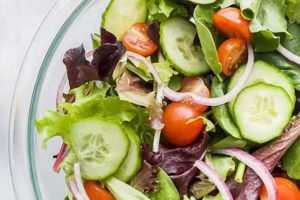
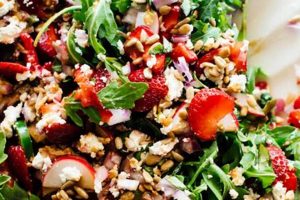
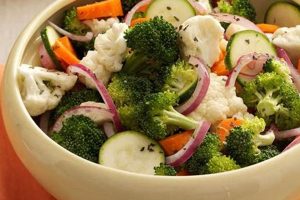
Midday meals featuring combinations of raw or cooked vegetables, often complemented by protein sources such as meat, fish, eggs, beans, or nuts, represent a versatile and nutritious option. These meals can range from simple green salads with a light vinaigrette to more complex compositions incorporating grains, pasta, fruits, and diverse dressings. An example includes a grilled chicken salad with mixed greens, cherry tomatoes, cucumber, avocado, and a lemon-herb dressing.
Nutritious midday meals contribute significantly to overall well-being. Fresh produce provides essential vitamins, minerals, and fiber, promoting digestive health and satiety. Incorporating lean protein and healthy fats supports sustained energy levels and muscle function throughout the afternoon. Historically, vegetable-based dishes have been consumed for millennia, evolving from simple preparations to the diverse array of contemporary options available today. The increasing focus on health and wellness has further elevated the popularity of these meals as a convenient and customizable choice for a balanced diet.
This exploration will delve further into specific categories, offering practical guidance on ingredient selection, preparation techniques, and creative combinations for constructing appealing and healthful midday meals. Topics covered will include classic recipes, innovative flavor profiles, dietary considerations, and tips for efficient meal preparation.
Tips for Creating Nutritious and Flavorful Lunch Salads
Constructing a satisfying and healthful midday salad involves thoughtful consideration of ingredients, preparation methods, and balanced flavor profiles. The following tips offer practical guidance for elevating everyday salads from simple to exceptional.
Tip 1: Prioritize Fresh, Seasonal Produce: Selecting produce at its peak ripeness guarantees optimal flavor and nutritional value. Farmers’ markets offer a wide variety of seasonal options.
Tip 2: Embrace Variety in Textures and Colors: Combining different textures, such as crunchy romaine, creamy avocado, and toasted nuts, creates a more engaging culinary experience. A vibrant color palette also signals a broader range of nutrients.
Tip 3: Explore Diverse Protein Sources: Move beyond traditional grilled chicken and consider incorporating plant-based proteins like lentils, chickpeas, or tofu. Hard-boiled eggs, canned tuna, or flaked salmon also offer convenient and nutritious options.
Tip 4: Master the Art of Dressing: Dressings significantly impact a salad’s overall flavor profile. Experiment with homemade vinaigrettes using high-quality oils, vinegars, and fresh herbs. Portion control is key to avoiding excessive calorie intake.
Tip 5: Pre-Portion Ingredients for Efficiency: Preparing ingredients in advance, such as chopping vegetables and cooking proteins, streamlines the lunch assembly process, especially during busy workweeks.
Tip 6: Pack Smart to Maintain Freshness: Utilize airtight containers and separate dressings from other ingredients to prevent soggy salads. Layering denser ingredients at the bottom and lighter greens on top helps maintain crispness.
Tip 7: Consider Grain and Seed Additions: Quinoa, farro, or brown rice add complex carbohydrates and fiber, contributing to satiety. Sunflower seeds, pumpkin seeds, or chia seeds provide healthy fats and textural interest.
By implementing these strategies, individuals can consistently enjoy flavorful and nutritious salads that contribute to a balanced and satisfying midday meal. These tips promote not only culinary enjoyment but also efficient preparation and optimal nutritional intake.
In conclusion, a well-composed salad offers a versatile canvas for culinary creativity and nutritional optimization, contributing significantly to a healthy and enjoyable lifestyle. Further exploration of specific recipes and dietary considerations will follow.
1. Fresh, Seasonal Ingredients
Seasonal produce forms the foundation of exceptional lunch salads. Peak-season fruits and vegetables offer superior flavor and nutritional value compared to out-of-season counterparts. This heightened flavor profile reduces the need for excessive dressings or seasonings, promoting healthier eating habits. Furthermore, seasonal ingredients often require less energy for transportation and storage, contributing to environmental sustainability. A summer salad featuring ripe tomatoes, cucumbers, and fresh basil exemplifies the vibrancy and simplicity achievable with readily available, in-season produce. Conversely, a winter salad might showcase roasted root vegetables like carrots, parsnips, and beets, highlighting the versatility of seasonal eating.
Prioritizing seasonal ingredients fosters a deeper connection with the local food system. Farmers’ markets and community-supported agriculture (CSA) programs provide access to freshly harvested produce, often at its peak ripeness. This direct connection supports local farmers and promotes biodiversity within agricultural practices. Additionally, incorporating seasonal ingredients encourages culinary creativity and experimentation. The changing availability of produce throughout the year necessitates adaptation and exploration of diverse flavor combinations, enriching the overall culinary experience.
Integrating fresh, seasonal ingredients into lunch salads offers significant advantages for both personal health and environmental well-being. The enhanced nutritional content, reduced reliance on processed ingredients, and support for local agriculture contribute to a more sustainable and healthful approach to midday meals. Challenges may include limited availability of certain produce during specific times of the year. However, embracing seasonality encourages culinary adaptability and expands appreciation for the diverse flavors nature provides.
2. Balanced Flavor Profiles
Balanced flavor profiles are crucial for creating palatable and satisfying lunch salads. A harmonious blend of tastes prevents monotony and encourages consumption of nutrient-rich ingredients. Strategic combinations of sweet, sour, salty, bitter, and umami elements elevate salads from simple to sophisticated, promoting enjoyment and adherence to healthy eating habits.
- Sweetness
Sweetness, often derived from fruits, roasted vegetables, or dried cranberries, provides a counterpoint to other flavors. It balances acidity and bitterness, creating a more rounded taste experience. For example, the sweetness of roasted butternut squash complements the peppery bite of arugula. Overly sweet salads can become cloying; therefore, moderation is key.
- Acidity
Acidity, typically from vinegar-based dressings or citrus fruits, brightens flavors and adds a refreshing tang. It cuts through richness and enhances the perception of other tastes. Lemon juice, for example, enhances the flavor of fish and vegetables. Excessive acidity, however, can be overpowering, so careful balancing is essential.
- Saltiness
Salt enhances other flavors and provides a savory depth. It can come from ingredients like olives, feta cheese, or cured meats. Salt also balances bitterness and sweetness. However, excessive salt intake has negative health implications, necessitating judicious use.
- Bitterness
Bitterness, present in ingredients like kale, radicchio, or grapefruit, adds complexity and depth. It balances sweetness and richness, preventing salads from becoming overly sweet or heavy. While some appreciate a pronounced bitter flavor, others prefer a more subtle presence. Balancing bitterness with other flavors is crucial for broader appeal.
Successfully integrating these elements creates a dynamic interplay of tastes, transforming a simple salad into a more complex and satisfying culinary experience. A well-balanced flavor profile not only enhances enjoyment but also encourages consumption of a wider range of nutrient-rich ingredients, contributing to a healthier and more satisfying lunch. Consider, for instance, a salad combining the sweetness of roasted grapes with the bitterness of kale, the saltiness of feta cheese, and the acidity of a lemon vinaigrette a harmonious blend that exemplifies the power of balanced flavors.
3. Varied Textures

Textural diversity significantly enhances the sensory experience of lunch salads. A combination of crisp, crunchy, creamy, and chewy elements elevates a salad from mundane to multi-dimensional, promoting enjoyment and satiety. This interplay of textures stimulates the palate, making each bite more engaging and satisfying. Consider the contrast between the crisp snap of romaine lettuce, the creamy smoothness of avocado, and the satisfying crunch of toasted almonds. This variety not only adds interest but also encourages thorough chewing, which aids digestion.
The strategic incorporation of varied textures can also mask less-palatable textures of certain nutritious ingredients. For example, the potential bitterness of kale can be balanced by the addition of creamy goat cheese and crunchy croutons. Similarly, the sometimes-mushy texture of cooked lentils benefits from the contrasting crunch of chopped celery and toasted walnuts. This interplay allows for the inclusion of a wider range of nutrient-rich ingredients, maximizing the health benefits of the salad while ensuring palatability.
Achieving textural variety in lunch salads requires thoughtful ingredient selection and preparation techniques. Raw vegetables offer crispness, while roasted vegetables contribute a softer, sometimes caramelized texture. Nuts, seeds, and croutons provide crunch. Legumes, cheeses, and avocado introduce creamy elements. Grains like quinoa or farro offer a chewy texture. Understanding the textural contributions of different ingredients allows for the creation of balanced and satisfying salads. Successfully incorporating varied textures transforms a simple salad into a more complex and enjoyable culinary experience, promoting both satisfaction and nutritional intake.
4. Ample Protein
Adequate protein is essential in lunch salads for satiety, sustained energy levels, and overall nutritional balance. Protein plays a crucial role in numerous bodily functions, including muscle repair, hormone production, and immune system support. Incorporating sufficient protein into midday meals helps curb afternoon hunger, preventing energy slumps and promoting focus. This sustained energy is particularly important for individuals with demanding schedules or those engaging in physical activity. A salad featuring grilled chicken breast, for example, provides a substantial protein source, contributing to satiety and sustained energy throughout the afternoon.
The type and quantity of protein influence a salad’s nutritional value and impact on satiety. Lean protein sources, such as grilled fish, chicken breast, or legumes, offer a high protein content with relatively lower fat and calorie content. Plant-based proteins, like lentils, chickpeas, and tofu, contribute valuable fiber and micronutrients in addition to protein. Combining different protein sources can further enhance nutritional value. For instance, a salad with quinoa, black beans, and toasted pumpkin seeds provides a complete protein profile, encompassing all essential amino acids. Quantifying protein intake, aiming for roughly 20-30 grams per salad, helps ensure adequate intake to support individual needs and goals.
Prioritizing ample protein in lunch salads offers significant benefits for overall well-being and productivity. This approach supports sustained energy levels, promotes muscle maintenance, and contributes to a balanced diet. Challenges may include selecting appropriate protein sources and ensuring adequate portion sizes. However, careful planning and mindful ingredient selection enable individuals to consistently create satisfying and protein-rich salads that contribute to a healthy and productive lifestyle. This emphasis on protein aligns with broader dietary guidelines promoting balanced nutrition for optimal health and well-being.
5. Efficient Preparation

Efficient preparation is crucial for incorporating salads into a busy lunchtime routine. Streamlined processes maximize nutritional benefits while minimizing time constraints, contributing to consistent consumption of healthy midday meals. This efficiency hinges on strategic planning, ingredient selection, and utilization of appropriate tools and techniques. Without efficient preparation, the perceived effort involved can deter regular salad consumption, potentially compromising dietary goals.
- Advance Preparation
Preparing components in advance, such as washing and chopping vegetables, cooking grains, and roasting proteins, significantly reduces lunchtime assembly time. Storing these prepped ingredients in airtight containers ensures readily available components for quick assembly. For instance, roasting a batch of chicken breasts on Sunday simplifies salad preparation throughout the week. This advance preparation transforms a potentially time-consuming process into a manageable task, promoting consistent adherence to healthy eating habits.
- Ingredient Selection
Choosing ingredients that require minimal processing further streamlines preparation. Pre-washed bagged greens, canned beans, and pre-cooked proteins offer convenient shortcuts without sacrificing nutritional value. Opting for readily available ingredients reduces grocery shopping and preparation time. For example, using canned tuna instead of grilling fresh fish expedites the process. This strategic selection minimizes active preparation time, making salad creation a more feasible lunchtime option.
- Proper Storage
Proper storage maintains ingredient freshness and extends shelf life, reducing food waste and maximizing the value of advance preparation. Airtight containers preserve the quality of prepped vegetables, preventing wilting or spoilage. Properly storing dressings separately prevents soggy salads. Investing in quality storage containers contributes to efficient preparation and reduces the need for frequent grocery shopping.
- Batch Cooking
Batch cooking grains, proteins, and other salad components maximizes efficiency and minimizes repetitive tasks. Preparing larger quantities of these ingredients allows for multiple meals throughout the week, significantly reducing overall cooking time. For example, cooking a large batch of quinoa on Sunday provides a readily available base for several lunch salads throughout the week. This approach optimizes resource utilization and simplifies meal planning, contributing to a more sustainable and efficient approach to lunch preparation.
By implementing these efficient preparation strategies, individuals can seamlessly integrate nutritious and flavorful salads into their daily lunch routines. This efficiency removes a significant barrier to healthy eating, making consistent salad consumption a more achievable and sustainable practice. The resulting time savings and reduced effort contribute to improved dietary habits and overall well-being, demonstrating the crucial role of efficient preparation in promoting healthy lunch choices.
6. Nutrient Density

Nutrient density plays a critical role in optimizing the health benefits of lunch salads. Maximizing the concentration of vitamins, minerals, and other essential nutrients within each calorie consumed contributes significantly to overall well-being and disease prevention. A nutrient-dense salad provides a substantial amount of beneficial nutrients without excessive calories, supporting optimal bodily functions and long-term health. This approach emphasizes quality over quantity, focusing on nutrient-rich ingredients to maximize health benefits within a reasonable caloric intake.
- Micronutrient Content
Leafy greens, colorful vegetables, and fruits contribute a wide array of vitamins and minerals essential for various physiological processes. Vitamin A supports vision and immune function, while vitamin C acts as an antioxidant and aids collagen production. Minerals like potassium regulate blood pressure, and folate supports cell growth and development. A salad rich in spinach, bell peppers, and berries, for example, provides a diverse range of micronutrients, contributing to optimal health. Prioritizing micronutrient-rich ingredients ensures that lunch salads contribute significantly to daily nutrient requirements.
- Fiber Content
Fiber, abundant in vegetables, fruits, and whole grains, promotes digestive health, regulates blood sugar levels, and contributes to satiety. Soluble fiber helps lower cholesterol levels, while insoluble fiber adds bulk to the stool, preventing constipation. A salad containing lentils, broccoli, and avocado, for example, provides a significant amount of fiber, promoting digestive regularity and overall health. Adequate fiber intake is crucial for maintaining a healthy gut microbiome and reducing the risk of chronic diseases.
- Phytonutrient Content
Phytonutrients, found in plant-based foods, offer antioxidant and anti-inflammatory properties, protecting cells from damage and reducing the risk of chronic diseases. Carotenoids, found in carrots and sweet potatoes, support eye health. Flavonoids, present in berries and onions, exhibit antioxidant and anti-inflammatory effects. Incorporating a variety of colorful fruits and vegetables maximizes phytonutrient intake. These compounds contribute to overall health and well-being by protecting against cellular damage and promoting optimal physiological function.
- Calorie Control
Nutrient-dense salads offer opportunities for calorie control while maximizing nutrient intake. Choosing nutrient-rich ingredients over calorie-dense, nutrient-poor options allows for larger portion sizes and greater satiety without exceeding caloric goals. Emphasizing vegetables, fruits, and lean proteins over processed ingredients or excessive dressings helps maintain a healthy weight and supports overall health. This mindful approach to ingredient selection ensures that lunch salads contribute to both nutritional adequacy and weight management.
By prioritizing nutrient density in lunch salad preparation, individuals can maximize the health benefits of this versatile meal. Focusing on nutrient-rich ingredients ensures that each calorie consumed contributes significantly to overall well-being. This approach supports optimal bodily functions, reduces the risk of chronic diseases, and promotes long-term health, showcasing the significant impact of nutrient-dense salads on overall dietary quality and health outcomes.
Frequently Asked Questions
This section addresses common inquiries regarding midday salad preparation and consumption, offering practical guidance for optimizing nutritional value and enjoyment.
Question 1: How can one ensure lunch salads remain fresh and appealing throughout the workday?
Proper storage is crucial. Utilizing airtight containers and separating dressings from other ingredients prevents sogginess. Layering denser items at the bottom and lighter greens on top helps maintain crispness.
Question 2: What strategies can be employed to prevent lunch salads from becoming monotonous?
Rotating ingredients seasonally, exploring diverse protein sources, and experimenting with homemade dressings maintain variety. Incorporating different textures and flavors also enhances enjoyment.
Question 3: What are effective methods for increasing the protein content of lunch salads?
Adding lean protein sources such as grilled chicken, fish, hard-boiled eggs, beans, lentils, or tofu boosts protein content. Nuts and seeds also contribute protein and healthy fats.
Question 4: Can lunch salads effectively contribute to weight management goals?
Prioritizing nutrient-dense ingredients, including ample vegetables, lean protein, and healthy fats, while controlling portion sizes and dressing choices, supports weight management objectives.
Question 5: How can time constraints be addressed when preparing lunch salads regularly?
Advance preparation, such as pre-chopping vegetables and cooking proteins on the weekend, streamlines weekday assembly. Utilizing pre-washed greens and other convenient ingredients also saves time.
Question 6: What are key considerations for individuals with dietary restrictions when preparing lunch salads?
Carefully reading ingredient labels and selecting appropriate substitutions addresses dietary restrictions. Consulting a registered dietitian can provide personalized guidance for specific needs.
Addressing these common inquiries empowers individuals to approach lunch salad preparation with confidence, maximizing both enjoyment and health benefits.
Further exploration of specific recipes and dietary considerations will follow.
Conclusion
Exploration of midday meal salad preparation reveals key components for optimizing nutritional value and enjoyment. Prioritizing fresh, seasonal produce, balanced flavor profiles, varied textures, ample protein, efficient preparation, and nutrient density elevates these meals from simple to exceptional. Understanding these elements empowers individuals to create satisfying and healthful lunches that contribute significantly to overall well-being. Addressing common preparation and consumption inquiries further facilitates informed decision-making and promotes consistent adherence to healthful dietary practices.
Strategic implementation of these principles transforms midday meals into opportunities for culinary creativity and nutritional optimization. This approach fosters a deeper appreciation for fresh ingredients, balanced flavors, and efficient preparation techniques, promoting a sustainable and healthful lifestyle. Continued exploration and experimentation with diverse ingredients and flavor combinations promise an evolving culinary landscape, enriching the midday meal experience and contributing to long-term health and well-being.