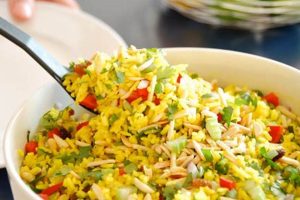
A vibrant mixture of chopped olives, typically green, Castelvetrano, or a combination, along with other savory ingredients forms the foundation of this Mediterranean relish. Common additions include capers, celery, giardiniera, bell peppers, and various herbs and spices such as oregano and garlic. Often, a acidic element like red wine vinegar or lemon juice contributes to the salad’s bright flavor profile. This preparation can range from chunky to finely minced, depending on regional variations and intended use.
This condiment holds a significant place in Italian-American cuisine, particularly within the muffuletta sandwich, a New Orleans culinary staple. Its versatility extends beyond sandwiches, however, functioning as an appetizer served with crusty bread, an antipasto element, or a flavorful addition to pasta salads and other dishes. The historical roots likely lie in Sicilian culinary traditions, evolving and adapting as immigrants brought their recipes to America. The blend of salty, briny, acidic, and herbaceous flavors offers a complex and satisfying gustatory experience.
Further exploration of this culinary topic might delve into regional variations, specific ingredient selections, detailed preparation methods, and ideal pairings. The rich history and adaptable nature of this Mediterranean relish make it a worthy subject for detailed examination.
Tips for Crafting Exceptional Olive Salad
Achieving a well-balanced and flavorful olive salad requires attention to detail and careful selection of ingredients. The following tips offer guidance for creating a superior version of this classic condiment.
Tip 1: Olive Selection is Key: Opt for high-quality olives, such as Castelvetrano, Cerignola, or a blend of green and black olives. Consider pitted olives for ease of preparation and consumption.
Tip 2: Freshness Matters: Utilize fresh ingredients whenever possible, especially for vegetables like celery, bell peppers, and onions. Fresh herbs contribute significantly to the overall flavor profile.
Tip 3: Balance is Crucial: Strive for a harmonious blend of salty, briny, acidic, and herbaceous flavors. Adjust quantities of ingredients like capers, vinegar, and spices to achieve the desired balance.
Tip 4: Proper Chopping Technique: Consistent chopping ensures even distribution of flavors and textures. A coarser chop provides a more rustic texture, while a finer chop results in a smoother consistency.
Tip 5: Marinating Enhances Flavor: Allow the salad to marinate for at least a few hours, or preferably overnight, in the refrigerator. This allows the flavors to meld and deepen.
Tip 6: Experiment with Variations: Consider incorporating ingredients like artichoke hearts, roasted red peppers, or different types of vinegar to personalize the recipe. Regional variations offer inspiration for unique flavor combinations.
Tip 7: Proper Storage: Store the olive salad in an airtight container in the refrigerator for up to a week. Ensure the salad is submerged in the marinade to maintain freshness.
By following these tips, one can create an olive salad that elevates any dish it accompanies, from the classic muffuletta to more contemporary culinary creations. Attention to detail and thoughtful ingredient selection are essential for achieving optimal flavor and texture.
From ingredient selection to storage techniques, mastering the art of preparing this versatile condiment unlocks a world of culinary possibilities.
1. High-quality Olives

The foundation of an exceptional Italian olive salad rests upon the selection of high-quality olives. The olive’s inherent characteristicsflavor, texture, and firmnessdirectly influence the final product. Understanding the nuances of olive quality is essential for crafting a truly authentic and flavorful salad.
- Olive Variety
Different olive varieties offer unique flavor profiles and textures. Castelvetrano olives, known for their buttery flavor and firm texture, are a popular choice. Cerignola olives, with their larger size and briny flavor, provide another compelling option. Gaeta olives, smaller and more intensely flavored, can add a robust element. The chosen variety significantly impacts the overall character of the salad.
- Olive Curing Method
The curing process influences the olive’s flavor and texture. Oil-cured olives possess a rich, smooth flavor. Brine-cured olives offer a brinier, more assertive taste. Dry-cured olives provide a concentrated, intensely salty flavor. The curing method interacts with the olive variety to create a distinct taste and texture, affecting the final salad’s complexity.
- Olive Firmness and Texture
Firm olives hold their shape better in the salad, contributing to a pleasant mouthfeel. Mushy or overly soft olives can detract from the overall texture. The firmness relates to the olive’s maturity and handling during processing. This characteristic influences the salad’s aesthetic appeal and textural complexity.
- Olive Source and Freshness
Sourcing olives from reputable producers or purveyors is crucial for ensuring quality. Freshly cured olives offer the best flavor and texture. Proper storage is essential to maintain freshness and prevent spoilage. The olive’s origin and handling significantly impact its quality and, consequently, the overall quality of the olive salad.
Careful consideration of these facets of olive quality elevates the Italian olive salad from a simple condiment to a culinary experience. The selection of the right olive variety, curing method, firmness, and source directly impacts the final product’s flavor, texture, and overall appeal. A deep understanding of these elements allows for a more informed and nuanced approach to crafting an authentic and exceptional Italian olive salad.
2. Fresh Ingredients
Fresh ingredients are paramount in Italian olive salad, significantly impacting its flavor profile, texture, and overall quality. The inherent vibrancy of fresh produce contributes a brightness that complements the richness of the olives. Using fresh ingredients elevates the salad beyond a simple condiment, transforming it into a dynamic culinary experience. This emphasis on freshness reflects a broader culinary philosophy within Italian cuisine, where the quality of ingredients takes center stage.
The choice of fresh vegetables, herbs, and aromatics directly influences the final product. Crisp celery adds a refreshing crunch and subtle vegetal notes. Brightly colored bell peppers contribute sweetness and visual appeal. Finely chopped red onion introduces a pungent bite. Fresh parsley and oregano provide herbaceous complexity. The interplay of these fresh elements creates a symphony of flavors and textures that distinguishes an authentic Italian olive salad. For example, using wilted parsley or dried herbs would diminish the salad’s vibrancy, underscoring the crucial role of freshness.
The practical significance of using fresh ingredients extends beyond flavor enhancement. Fresh produce offers superior nutritional value compared to their processed counterparts. Vitamins and antioxidants are preserved, contributing to a healthier and more wholesome condiment. Moreover, the use of fresh ingredients allows for greater control over the final product’s flavor profile. Adjusting the quantities of various vegetables and herbs enables customization based on individual preferences or regional variations. Therefore, prioritizing fresh ingredients not only elevates the sensory experience but also contributes to a healthier and more adaptable culinary creation.
3. Balanced Flavors

Balance forms the cornerstone of a successful Italian olive salad recipe. The interplay of salty, briny, acidic, and herbaceous elements creates a harmonious flavor profile that distinguishes this condiment. Understanding the nuanced relationship between these distinct tastes is essential for achieving an authentic and enjoyable culinary experience. The careful calibration of each component prevents any single flavor from dominating, resulting in a well-rounded and complex taste.
- Saltiness
Salt provides the foundational savory element. The saltiness of the olives themselves, often enhanced by the addition of capers or anchovies, creates a baseline upon which other flavors build. Excessive saltiness can overpower the other components, while insufficient salt can result in a bland salad. Proper salting enhances the other flavors, creating a balanced and satisfying taste.
- Brininess
Brininess, derived primarily from the olives and capers, adds a distinctive tang. This characteristic flavor, reminiscent of the sea, contributes depth and complexity. The intensity of brininess can vary based on the type of olives used, influencing the overall balance of the salad.
- Acidity
Acidity, often introduced through red wine vinegar or lemon juice, provides brightness and cuts through the richness of the olives. This element balances the saltiness and brininess, creating a refreshing counterpoint. The level of acidity should be carefully adjusted to avoid overpowering the other flavors.
- Herbaceousness
Fresh herbs, such as oregano, parsley, and garlic, contribute an aromatic complexity. These herbaceous notes complement the other flavors, adding a layer of freshness. The selection and quantity of herbs influence the overall balance and aromatic profile of the salad.
The harmonious integration of these four elementssaltiness, brininess, acidity, and herbaceousnessdefines the essence of a well-balanced Italian olive salad. A successful recipe relies on the careful consideration and adjustment of these components, resulting in a condiment that is both flavorful and refreshing. The interplay of these flavors creates a dynamic taste experience that elevates the olive salad beyond a simple mixture of ingredients.
4. Proper Chopping

Proper chopping technique is crucial in crafting an authentic Italian olive salad. It directly influences both the texture and the consistent distribution of flavors throughout the salad. The size and uniformity of the chopped ingredients affect the overall sensory experience, impacting how the flavors meld and how the salad interacts with other culinary components, such as bread in a muffuletta.
- Uniformity of Ingredients
Consistent chop sizes ensure even flavor distribution and a pleasant texture. Unevenly chopped ingredients can lead to pockets of intense flavor or isolated textures, disrupting the balance and harmony of the salad. Uniformity ensures each bite provides a representative sample of all ingredients.
- Textural Considerations
The chosen chop size dictates the salad’s overall texture. A finer chop results in a smoother, more spreadable consistency, suitable for bruschetta or crostini. A coarser chop provides a more rustic texture, well-suited for a muffuletta or as a standalone antipasto. The chop size should align with the intended application of the olive salad.
- Flavor Release and Melding
Proper chopping facilitates the release of essential oils and flavors from ingredients like garlic, herbs, and vegetables. Consistent sizes ensure these flavors meld evenly throughout the salad during marination, creating a cohesive and balanced flavor profile. The chopping process itself contributes to the development of the final flavor.
- Aesthetic Presentation
Uniformly chopped ingredients enhance the visual appeal of the olive salad. A consistent chop size creates a more professional and visually appealing presentation, whether served as part of an antipasto platter, nestled within a muffuletta, or presented as a standalone condiment.
The significance of proper chopping technique extends beyond mere aesthetics. It fundamentally impacts the flavor development, textural consistency, and overall enjoyment of the Italian olive salad. By employing consistent and appropriate chopping techniques, one ensures a harmonious blend of flavors and textures, contributing to a truly authentic and satisfying culinary experience.
5. Adequate Marinating

Adequate marinating is a crucial step in crafting authentic Italian olive salad. This process allows the diverse flavors of the individual ingredientsolives, vegetables, herbs, spices, and the acidic componentto meld and harmonize, creating a cohesive and complex flavor profile. The marinating period also allows the flavors to deepen and intensify, resulting in a more robust and satisfying condiment. Without sufficient marinating time, the salad’s flavors remain disjointed, lacking the depth and complexity characteristic of a well-executed Italian olive salad.
- Flavor Development
Marinating plays a pivotal role in flavor development. As the ingredients sit in the marinade, the acidic component, typically vinegar or lemon juice, begins to break down the cell walls of the vegetables, releasing their inherent flavors and allowing them to mingle with the other components. This process also facilitates the diffusion of flavors from the herbs, spices, and olives, creating a more unified and complex taste. The duration of marination directly influences the intensity and depth of the final flavor profile.
- Texture Enhancement
Marinating influences the texture of the olive salad. The acidic marinade softens the vegetables slightly, creating a more palatable texture while maintaining a pleasant crunch. The marinating liquid also helps to distribute the flavors evenly throughout the salad, ensuring a consistent textural and flavor experience in each bite. The balance between softening and maintaining textural integrity is key to a successful olive salad.
- Preservation and Food Safety
The acidic marinade acts as a preservative, inhibiting the growth of microorganisms and extending the shelf life of the olive salad. This acidic environment contributes to food safety by creating an environment less hospitable to spoilage. Proper refrigeration during marination further enhances preservation and safety.
- Optimal Marinating Time
The optimal marinating time depends on the specific recipe and the desired intensity of flavor. A minimum of two hours allows for sufficient flavor melding, while overnight marination often yields a more complex and nuanced taste. Extended marinating, up to a week under refrigeration, can further deepen the flavors, but care should be taken to avoid over-marinating, which can lead to overly softened vegetables.
Adequate marinating is not merely a passive waiting period but an active process of flavor development, texture enhancement, and preservation. This crucial step transforms a simple mixture of ingredients into a cohesive and flavorful condiment, essential for achieving an authentic Italian olive salad. The time invested in marinating contributes significantly to the overall quality and enjoyment of the final product, making it an indispensable aspect of the recipe.
Frequently Asked Questions
This section addresses common inquiries regarding the preparation and utilization of Italian olive salad.
Question 1: What is the ideal olive variety for Italian olive salad?
While various olive varieties can be employed, Castelvetrano olives, known for their buttery flavor and firm texture, are a popular choice. Cerignola and Gaeta olives also offer distinct flavor profiles suitable for this preparation. A blend of varieties can provide a more complex flavor profile.
Question 2: How long should the olive salad marinate?
A minimum of two hours is recommended for adequate flavor melding. Overnight marination is often preferred for a more developed flavor profile. Refrigeration is essential throughout the marinating process.
Question 3: Can one adjust the ingredient quantities to personal preference?
Variations in ingredient quantities are acceptable to accommodate individual taste preferences. However, maintaining a balance of salty, briny, acidic, and herbaceous elements is crucial for an authentic flavor profile.
Question 4: How long can olive salad be stored?
When stored properly in an airtight container in the refrigerator, olive salad typically remains fresh for up to a week. Ensuring the salad remains submerged in the marinade helps maintain its quality.
Question 5: What are common uses for Italian olive salad beyond the muffuletta sandwich?
Italian olive salad is a versatile condiment suitable for various applications. It can be served as an antipasto, paired with crusty bread, incorporated into pasta salads, or used as a topping for grilled meats or fish.
Question 6: Are there regional variations in Italian olive salad recipes?
Regional variations exist, reflecting the diverse culinary traditions within Italy and among Italian-American communities. These variations might include different olive varieties, the addition of ingredients like pimentos or artichoke hearts, and variations in the proportions of herbs and spices.
Understanding these key aspects contributes to the successful preparation and enjoyment of authentic Italian olive salad.
The subsequent section will delve further into specific recipe variations and explore the rich culinary history of this classic condiment.
Olive Salad Recipe Italian
Exploration of this classic condiment reveals a depth of culinary tradition and technique. From the careful selection of high-quality olives to the nuanced balancing of flavors, each step contributes to the final product’s distinctive character. Proper chopping techniques and adequate marinating time are essential for optimal flavor development and texture. The versatility of this preparation extends beyond its traditional role in the muffuletta sandwich, offering potential for diverse culinary applications.
The enduring appeal of this Mediterranean relish lies in its harmonious blend of flavors and textures. Continued exploration of regional variations and innovative pairings promises to further enrich culinary experiences. A well-crafted olive salad, prepared with attention to detail and respect for tradition, offers a testament to the enduring power of simple, high-quality ingredients.