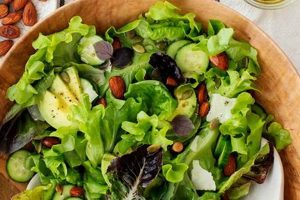
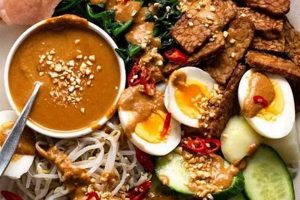
Brazilian cuisine offers vibrant and diverse salads, often featuring fresh, local ingredients. These salads can range from simple combinations of tomatoes, onions, and herbs, dressed with a light vinaigrette, to more complex compositions incorporating tropical fruits, heart of palm, and even grilled meats or seafood. A typical example might include crisp lettuce, colorful bell peppers, ripe mango, and grilled chicken, all tossed in a passion fruit dressing.
Salads play a significant role in Brazilian meals, providing a refreshing counterpoint to richer dishes. The emphasis on fresh produce reflects the country’s agricultural abundance and contributes to a healthy, balanced diet. Historically, indigenous ingredients heavily influenced early salad preparations. The subsequent arrival of European and African culinary traditions further enriched the repertoire, leading to the diverse array of salads enjoyed in Brazil today.
This exploration will delve into various regional variations, examining popular ingredients, traditional preparation methods, and nutritional benefits. Further topics will cover adaptations for different dietary needs and offer creative suggestions for incorporating these flavorful salads into everyday meals.
Tips for Preparing Authentic Brazilian Salads
Achieving authentic flavors in Brazilian salads requires attention to ingredient selection, preparation techniques, and balancing flavors. The following tips offer guidance for creating delicious and representative examples of this vibrant culinary tradition.
Tip 1: Embrace Fresh, Local Produce: Prioritize seasonal, locally sourced ingredients whenever possible. The quality and freshness of the produce significantly impact the final flavor profile.
Tip 2: Explore Tropical Fruits: Mango, papaya, pineapple, and passion fruit contribute sweetness and tanginess, characteristic of many Brazilian salads. Consider adding these fruits to create authentic flavor combinations.
Tip 3: Utilize Palm Heart: Heart of palm, a versatile vegetable derived from the heart of certain palm trees, lends a delicate, slightly nutty flavor and a unique texture to Brazilian salads. It can be sliced, diced, or shaved.
Tip 4: Experiment with Brazilian Cheeses: Consider incorporating queijo fresco (fresh cheese) or queijo coalho (grilled cheese) into salads for a savory element.
Tip 5: Master the Vinaigrette: A simple vinaigrette, often made with lime juice, olive oil, and herbs, enhances the flavors of the salad components. Experiment with different combinations of citrus fruits, oils, and spices.
Tip 6: Don’t Overlook Herbs: Fresh herbs such as cilantro, parsley, and chives add vibrancy and aroma. Generous use of herbs is a hallmark of Brazilian cuisine.
Tip 7: Consider Adding Textural Contrast: Toasted nuts, croutons, or farofa (toasted cassava flour) offer satisfying textural contrast.
By following these tips, one can create flavorful and authentic Brazilian salads that showcase the richness and diversity of this culinary tradition. These salads offer a healthy and refreshing way to experience the vibrant flavors of Brazil.
Following these preparation guidelines provides a solid foundation for exploring specific recipes and regional variations discussed in the concluding sections.
1. Fresh, Vibrant Ingredients

The foundation of any successful Brazilian salad lies in the quality and freshness of its ingredients. Emphasizing vibrant, seasonal produce allows these salads to truly shine, capturing the essence of Brazilian cuisine. This section explores the crucial role of fresh ingredients in crafting authentic and flavorful Brazilian salads.
- Seasonal Produce
Brazilian salads often feature what is in season, maximizing flavor and nutritional value. Examples include tomatoes, onions, and peppers during their peak seasons. This reliance on seasonal produce contributes to the distinct character of Brazilian salads, reflecting the agricultural rhythms of the country.
- Tropical Fruits
The inclusion of tropical fruits such as mango, papaya, and pineapple distinguishes Brazilian salads. These fruits provide a sweetness and acidity that balances other flavors, adding complexity and a distinctly tropical touch. The selection of fruits often varies based on regional availability and preferences.
- Leafy Greens and Herbs
Crisp lettuce, watercress, and herbs like cilantro and parsley form the base of many Brazilian salads. These greens provide freshness and texture, balancing the richer flavors of other ingredients. The careful selection of greens ensures a vibrant and refreshing foundation.
- Unique Vegetables
Brazilian salads often utilize vegetables unique to the region, such as heart of palm. This ingredient adds a delicate, subtly sweet flavor and pleasant texture, further enhancing the authenticity and complexity of the dish.
The emphasis on fresh, vibrant ingredients in Brazilian salads contributes not only to their flavor but also to their nutritional value. By combining seasonal produce, tropical fruits, leafy greens, and unique vegetables, these salads offer a healthy and refreshing culinary experience that embodies the essence of Brazilian gastronomy.
2. Tropical Fruits and Vegetables
Tropical fruits and vegetables play a defining role in Brazilian salad recipes, contributing distinctive flavors, textures, and nutritional value. Their presence reflects Brazil’s rich biodiversity and agricultural abundance, differentiating these salads from those of other culinary traditions. This section explores key facets of this tropical influence.
- Fruits as Key Ingredients
Fruits like mango, papaya, pineapple, and passion fruit frequently appear in Brazilian salads, adding sweetness, tanginess, and vibrant color. Mangoes provide a rich, creamy sweetness, while passion fruit offers a tart counterpoint. Their inclusion elevates salads beyond simple vegetable combinations, creating complex flavor profiles.
- Availability and Seasonality
Brazil’s tropical climate allows for year-round cultivation of a wide range of fruits and vegetables. This consistent availability ensures a diverse selection for salad preparation, regardless of the season. Regional variations in climate and soil further contribute to the unique composition of salads across the country.
- Nutritional Benefits
Tropical fruits and vegetables are rich in vitamins, minerals, and antioxidants, enhancing the nutritional value of Brazilian salads. For example, mangoes are a good source of Vitamin C and Vitamin A, while avocados contribute healthy fats. These nutritional benefits align with the emphasis on fresh, wholesome ingredients in Brazilian cuisine.
- Culinary Versatility
Tropical produce offers remarkable versatility in salad preparations. Fruits can be incorporated fresh, grilled, or pickled, while vegetables like hearts of palm can be sliced, diced, or shaved. This adaptability allows for creative experimentation and customization, resulting in a wide array of salad variations.
The integration of tropical fruits and vegetables into Brazilian salads offers a compelling example of how local ingredients shape culinary traditions. Their vibrant flavors, nutritional benefits, and culinary versatility contribute significantly to the unique character and appeal of Brazilian cuisine. This exploration provides a foundation for understanding the diverse and flavorful world of Brazilian salad recipes.
3. Regional Variations

Brazilian cuisine exhibits significant regional diversity, influenced by climate, local ingredients, and cultural traditions. This regionalism profoundly impacts salad preparations, resulting in distinct variations across the country. Understanding these regional nuances provides valuable insights into the rich tapestry of Brazilian culinary practices.
- Northern Brazil
The Amazon rainforest’s influence is prominent in Northern Brazilian salads. Ingredients like heart of palm, aa berries, and tucupi (a fermented cassava juice) feature prominently. These salads often incorporate river fish and unique regional herbs, reflecting the area’s biodiversity and indigenous culinary heritage.
- Northeastern Brazil
Northeastern Brazil showcases salads with influences from African and indigenous cultures. Dried shrimp, palm oil (dend), and coconut milk frequently appear, adding distinctive flavors and textures. The region’s arid climate also contributes to the use of drought-resistant ingredients like cactus and cassava.
- Southeastern Brazil
Southeastern Brazil, a hub of European immigration, features salads that reflect this influence. Leafy greens, tomatoes, and olives are common, often combined with cheeses like queijo fresco. The region’s cosmopolitan nature results in diverse salad preparations, incorporating both traditional and international influences.
- Southern Brazil
Southern Brazil, with its strong European heritage, showcases salads reminiscent of Italian and German cuisine. Potato salad, mayonnaise-based dressings, and cured meats are frequently incorporated. The cooler climate contributes to the use of root vegetables and hearty greens.
Examining regional variations in Brazilian salads offers a compelling lens through which to understand the country’s diverse culinary landscape. From the Amazonian influence in the north to the European flavors in the south, these variations highlight the dynamic interplay of ingredients, climate, and cultural heritage in shaping Brazilian culinary traditions. This regional focus underscores the complexity and richness inherent in the seemingly simple concept of a Brazilian salad.
4. Simple or Complex Preparations

Brazilian salad recipes demonstrate remarkable versatility, encompassing both simple and complex preparations. This adaptability allows for customization based on available ingredients, time constraints, and desired flavor profiles. Simple preparations often highlight the inherent qualities of fresh, high-quality produce. A basic tomato and onion salad, dressed with a light vinaigrette, exemplifies this approach, emphasizing the natural sweetness and acidity of the ingredients. Conversely, complex preparations may involve multiple components and intricate techniques. Salads featuring marinated grilled meats, layered textures, and elaborate dressings demonstrate the potential for culinary creativity within the realm of Brazilian salad making. The choice between simple and complex preparations hinges on the specific context and culinary goals.
The spectrum of simple to complex preparations contributes significantly to the widespread appeal of Brazilian salads. Simple versions offer convenient and refreshing options for everyday meals, while complex variations provide elegant centerpieces for special occasions. A simple salad of watercress, oranges, and red onion offers a light and flavorful accompaniment to a main course. In contrast, a layered salad featuring grilled chicken, hearts of palm, avocado, and a creamy passion fruit dressing serves as a substantial and visually appealing dish. This adaptability allows Brazilian salads to seamlessly integrate into diverse culinary contexts, from casual weeknight dinners to festive celebrations. Understanding the nuances of both simple and complex preparations empowers individuals to explore the full potential of Brazilian salad recipes.
The ability to adapt Brazilian salad recipes to varying levels of complexity represents a key strength of this culinary tradition. Whether one opts for the simplicity of fresh produce and a light vinaigrette or embraces the intricacies of layered flavors and textures, Brazilian salads consistently deliver vibrant and satisfying culinary experiences. This adaptability ensures their continued relevance and enjoyment across diverse culinary landscapes and individual preferences. Mastering both simple and complex preparations allows for a deeper appreciation of the versatility and richness inherent in Brazilian salad recipes.
5. Emphasis on Balanced Flavors

Brazilian salad recipes prioritize a harmonious blend of flavors, reflecting a core principle of Brazilian cuisine. This emphasis on balance elevates salads beyond simple combinations of ingredients, transforming them into complex and nuanced culinary experiences. Exploring the components of this balance provides insights into the artistry and sophistication of Brazilian salad making.
- Sweet and Savory
The interplay of sweet and savory elements forms a cornerstone of balanced flavors in Brazilian salads. Tropical fruits like mango and pineapple provide sweetness, while ingredients such as grilled chicken, hearts of palm, or salty cheeses contribute savory notes. This dynamic contrast creates a more complex and satisfying flavor profile.
- Acidity and Richness
A judicious use of acidity balances the richness of certain ingredients. Citrus fruits like lime and orange provide brightness, cutting through the fattiness of avocados or creamy dressings. This balance prevents the salad from becoming overly heavy, enhancing the overall freshness and palatability.
- Texture and Temperature
Textural contrasts also contribute to the overall balance. Crisp lettuce provides a foundation for softer elements like avocado or grilled vegetables. Incorporating toasted nuts or croutons adds a satisfying crunch. Temperature variations, such as combining chilled ingredients with grilled or roasted components, further enhance the sensory experience.
- Aromatic Herbs and Spices
Fresh herbs and spices play a crucial role in achieving balanced flavors. Cilantro, parsley, and chives add vibrancy and aromatic complexity. Spices like cumin and paprika, while used more sparingly, can contribute depth and warmth. The careful selection and application of herbs and spices elevates the overall flavor profile of the salad.
The emphasis on balanced flavors in Brazilian salad recipes exemplifies the sophisticated approach to culinary artistry within this tradition. The interplay of sweet and savory, acidity and richness, texture and temperature, and the judicious use of herbs and spices, transforms simple salads into complex and harmonious culinary creations. This focus on balance distinguishes Brazilian salads, reflecting the country’s rich culinary heritage and its appreciation for fresh, flavorful ingredients.
6. Influence of Indigenous Cultures

Indigenous culinary practices significantly shaped the evolution of Brazilian salad recipes. Prior to European colonization, indigenous communities cultivated a diverse range of native ingredients, many of which continue to play prominent roles in contemporary Brazilian salads. Ingredients like cassava, sweet potatoes, and various tropical fruits formed the basis of early salads, demonstrating a deep understanding of the local flora and its culinary potential. This pre-Columbian culinary heritage established a foundation upon which subsequent culinary influences built, contributing to the distinctive character of modern Brazilian salads.
The influence of indigenous cultures extends beyond specific ingredients to encompass broader culinary philosophies. Respect for nature’s bounty and a focus on seasonal ingredients are central to many indigenous foodways, principles reflected in traditional Brazilian salad preparations. Indigenous communities also developed sophisticated techniques for preserving and fermenting foods, adding depth and complexity to early salad recipes. For example, the use of tucupi, a fermented cassava extract, in some Amazonian salads exemplifies the enduring influence of indigenous culinary innovation. Understanding this historical context provides crucial insights into the evolution and diversity of Brazilian salads. The pequi fruit, native to the Cerrado region, adds a unique flavor and aroma to salads, while the use of palm hearts showcases the resourcefulness of indigenous communities in utilizing various parts of the palm tree. These examples demonstrate the practical significance of indigenous knowledge in shaping contemporary Brazilian cuisine.
Appreciating the indigenous contribution to Brazilian salad recipes fosters a deeper understanding of the complex interplay between culture, history, and cuisine. Recognizing the historical significance of indigenous ingredients and culinary practices provides a richer perspective on contemporary Brazilian foodways. Furthermore, this awareness can inform more sustainable and culturally sensitive approaches to food preparation and consumption, promoting a greater appreciation for the diverse culinary heritage of Brazil. While challenges remain in fully recognizing and preserving indigenous culinary knowledge, ongoing efforts to document and celebrate these traditions contribute to a more complete understanding of Brazilian culinary history and its ongoing evolution.
7. Nutritional Value and Health Benefits
Brazilian salad recipes offer significant nutritional value and contribute to a healthy diet. The emphasis on fresh, unprocessed ingredients, combined with the diverse array of fruits, vegetables, and lean proteins, provides a rich source of vitamins, minerals, antioxidants, and fiber. Understanding the nutritional composition of these salads underscores their importance in promoting overall well-being.
- Vitamin and Mineral Richness
Brazilian salads offer a diverse range of vitamins and minerals essential for optimal health. Leafy greens provide vitamins A and K, while tropical fruits like mango and papaya contribute vitamins C and A. The inclusion of vegetables like bell peppers and tomatoes further enhances the vitamin and mineral content. These nutrients play crucial roles in supporting immune function, maintaining healthy skin, and promoting overall well-being.
- Antioxidant Properties
Many ingredients commonly found in Brazilian salads, such as berries, dark leafy greens, and certain nuts, are rich in antioxidants. Antioxidants protect cells from damage caused by free radicals, contributing to long-term health and reducing the risk of chronic diseases. The vibrant colors of many Brazilian salad ingredients often indicate high antioxidant content.
- Fiber Content and Digestive Health
The abundance of fruits, vegetables, and whole grains in many Brazilian salads contributes to a high fiber intake. Fiber promotes healthy digestion, regulates blood sugar levels, and contributes to feelings of satiety. This can be particularly beneficial for managing weight and maintaining digestive health.
- Lean Protein Sources
Brazilian salads often incorporate lean protein sources like grilled chicken, fish, or beans. Protein is essential for building and repairing tissues, supporting muscle function, and maintaining a healthy metabolism. Including protein in salads enhances their nutritional value and contributes to a more balanced meal.
The nutritional value and health benefits of Brazilian salads contribute significantly to their appeal. By combining fresh, nutrient-rich ingredients, these salads provide a delicious and effective way to support a healthy lifestyle. The diverse array of vitamins, minerals, antioxidants, and fiber found in these salads underscores their role in promoting overall wellness and reducing the risk of chronic diseases. Incorporating Brazilian salads into one’s diet can be a flavorful and beneficial step towards achieving optimal health.
Frequently Asked Questions about Brazilian Salads
This section addresses common inquiries regarding Brazilian salads, providing concise and informative responses to clarify potential uncertainties and enhance understanding of this culinary topic.
Question 1: What distinguishes Brazilian salads from salads of other cuisines?
Brazilian salads frequently incorporate tropical fruits and vegetables like mango, papaya, and heart of palm, differentiating them from salads common in other culinary traditions. The use of ingredients like passion fruit and guava in dressings also contributes to their unique character.
Question 2: Are Brazilian salads typically served as a side dish or a main course?
While often served as a refreshing accompaniment to main courses, Brazilian salads can also constitute substantial meals. The inclusion of protein-rich ingredients such as grilled chicken, fish, or beans transforms them into complete and satisfying main dishes.
Question 3: Where can one find authentic Brazilian salad recipes?
Authentic recipes can be found in Brazilian cookbooks, online culinary resources specializing in Brazilian cuisine, and through reputable food blogs dedicated to exploring the diverse flavors of Brazil. Consulting these resources provides valuable insights into traditional preparation methods and regional variations.
Question 4: How can individuals adapt Brazilian salad recipes to accommodate dietary restrictions?
Adapting recipes for dietary restrictions is readily achievable. Substituting ingredients offers flexibility for those with allergies or specific dietary needs. For example, individuals avoiding gluten can replace traditional croutons with gluten-free alternatives or toasted nuts. Vegan adaptations can utilize tofu or plant-based proteins in place of animal products.
Question 5: What are some essential pantry staples for making Brazilian salads?
Maintaining a well-stocked pantry simplifies the process of creating Brazilian salads. Essential items include high-quality olive oil, red wine vinegar or lime juice, assorted spices like cumin and paprika, and dried herbs like oregano and parsley. These foundational ingredients provide versatility for preparing a wide range of dressings and flavor combinations.
Question 6: How can one ensure the freshness and quality of ingredients for Brazilian salads?
Prioritizing seasonal produce from local farmers’ markets or reputable grocery stores ensures optimal freshness and flavor. Selecting ripe fruits and vegetables with vibrant colors and firm textures contributes to a more satisfying culinary experience. Proper storage techniques, such as refrigerating perishable ingredients promptly, also maintain quality and prevent spoilage.
Understanding these key aspects of Brazilian salads facilitates informed preparation and encourages culinary exploration. These insights provide a foundation for appreciating the unique characteristics and diverse flavors of this vibrant culinary tradition.
The following section will provide a curated selection of authentic Brazilian salad recipes, further enhancing practical application and encouraging culinary experimentation.
Brazilian Salad Recipes
Brazilian salad recipes represent a vibrant tapestry of flavors, textures, and cultural influences. From the simplicity of a fresh tomato and onion salad to the complexity of layered creations incorporating grilled meats and tropical fruits, these recipes offer a diverse culinary experience. Regional variations reflect Brazil’s vast agricultural landscape and distinct culinary traditions, showcasing the adaptability and creativity inherent in Brazilian cuisine. The emphasis on fresh, high-quality ingredients, balanced flavors, and the incorporation of indigenous knowledge underscores the nutritional value and cultural significance of these culinary creations.
Further exploration of Brazilian salad recipes promises a deeper understanding of this rich culinary heritage. Experimentation with diverse ingredients and regional variations offers a pathway to appreciating the nuanced flavors and cultural significance embedded within each preparation. Continued research and culinary exploration will undoubtedly reveal further insights into the evolving landscape of Brazilian salad recipes and their enduring contribution to the global culinary tapestry.