Delicate, cup-shaped leaves with a slightly sweet and buttery flavor characterize Bibb lettuce, making it a popular choice for salads. A simple preparation with a light vinaigrette, perhaps enhanced with crumbled cheese and toasted nuts, exemplifies its versatility. More complex preparations might incorporate fruits like strawberries or pears, grilled chicken or fish, and a variety of dressings.
Its delicate texture and subtle flavor profile allow this type of lettuce to complement a wide range of ingredients without overpowering them. This adaptability makes it an excellent choice for both simple and elaborate salads, suitable for various culinary traditions and dietary preferences. Historically cultivated in Kentucky, and also known as “Boston” or “butter” lettuce, it has become a staple in gardens and markets worldwide, prized for its refreshing qualities.
This exploration will delve further into the nuances of utilizing this versatile green, offering a selection of preparations ranging from classic combinations to innovative creations, all designed to highlight its unique characteristics and culinary potential. Specific topics will include suggested pairings, dressing recommendations, and tips for achieving optimal flavor and presentation.
Tips for Preparing Exceptional Salads with Bibb Lettuce
Achieving optimal flavor and presentation requires attention to detail. The following tips offer guidance for creating salads that showcase the unique qualities of this delicate green.
Tip 1: Handle with Care: Bibb lettuce leaves bruise easily. Gentle handling during washing and drying is crucial for maintaining their appealing appearance and texture. Patting leaves dry with a clean cloth or paper towel, rather than aggressive drying, is recommended.
Tip 2: Dress Strategically: The delicate flavor of this lettuce can be easily overwhelmed. Light vinaigrettes complement its subtle sweetness best. Avoid heavy, creamy dressings that mask the lettuce’s inherent flavor.
Tip 3: Consider Complementary Ingredients: Mild cheeses, such as goat cheese or feta, pair well with Bibb lettuce. Toasted nuts, like pecans or walnuts, add a satisfying crunch. Fruits, including strawberries, pears, or grapes, offer a contrasting sweetness and texture.
Tip 4: Time the Dressing: Dress the salad immediately before serving. This prevents the leaves from wilting and maintains their crispness. Adding the dressing too early can lead to a soggy, unappetizing salad.
Tip 5: Embrace Simplicity: A simple preparation often best showcases the lettuce’s natural flavor. A light vinaigrette, crumbled cheese, and a sprinkle of toasted nuts can create a perfectly balanced and refreshing salad.
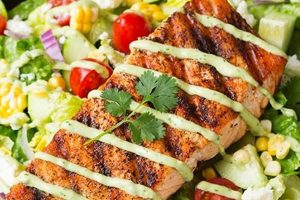
Tip 6: Explore Temperature Contrasts: Combining chilled lettuce with warm elements, such as grilled chicken or fish, adds complexity and interest. The temperature contrast enhances both flavors and textures.
Tip 7: Presentation Matters: Arranging the leaves artfully enhances the visual appeal. Consider using a shallow bowl or platter to showcase the individual leaves and create an attractive presentation.
By following these suggestions, one can create salads that highlight the natural beauty and flavor of Bibb lettuce. These preparations offer a delightful balance of flavor, texture, and visual appeal.
These tips provide a foundation for culinary exploration. Experimentation with different ingredients and combinations will further enhance appreciation for this versatile green.
1. Fresh, High-Quality Bibb Lettuce

Fresh, high-quality Bibb lettuce forms the foundation of any successful Bibb salad recipe. The lettuce’s inherent qualities delicate texture, subtle sweetness, and vibrant green hue directly impact the final dish. Compromised lettuce, characterized by wilting, browning, or sliminess, detracts significantly from both the aesthetic appeal and the overall flavor profile. A salad built on subpar lettuce will inevitably disappoint, regardless of other high-quality ingredients or a carefully crafted dressing.
Consider two scenarios: one using crisp, freshly harvested Bibb lettuce and another using lettuce nearing the end of its shelf life. In the first instance, the leaves maintain their structure, offering a pleasant crunch and a clean, refreshing taste. The delicate sweetness complements other components, allowing the nuanced flavors of the dressing and accompanying ingredients to shine. Conversely, older lettuce imparts an unpleasant bitterness, detracting from other flavors. Its wilted texture creates an unappetizing mouthfeel, compromising the entire culinary experience.
The practical significance of selecting premium Bibb lettuce becomes clear when considering the impact on the overall culinary outcome. Freshness ensures that the lettuce contributes positively to the salad’s flavor profile, texture, and visual appeal. Investing in high-quality produce elevates the final dish, justifying the importance of sourcing the best ingredients. Ultimately, the success of Bibb salad recipes hinges on the quality of the Bibb lettuce itself.
2. Complementary Flavor Pairings

Complementary flavor pairings represent a crucial element in crafting successful Bibb salad recipes. The subtle, buttery flavor of Bibb lettuce provides a versatile canvas, allowing for a wide range of flavor combinations. However, this subtlety also necessitates careful consideration of accompanying ingredients. Harmonious pairings enhance the lettuce’s inherent qualities, while discordant combinations can mask or clash with its delicate flavor profile. The principle of flavor pairing operates on the concept of balancing contrasting yet complementary tastes sweet, sour, salty, bitter, and umami to create a complex and satisfying sensory experience.
Consider the classic pairing of Bibb lettuce with goat cheese and balsamic vinaigrette. The tangy goat cheese provides a contrasting sharpness to the lettuce’s sweetness, while the balsamic vinaigrette adds a layer of acidity that further enhances both flavors. The creamy texture of the cheese also complements the crispness of the lettuce, creating a textural interplay that elevates the overall enjoyment. Conversely, a pairing with strong, assertive flavors, such as blue cheese or a heavily spiced dressing, might overpower the delicate flavor of the Bibb lettuce, resulting in a less balanced and harmonious salad.
Practical application of this understanding involves considering the flavor profiles of potential ingredients and how they interact with Bibb lettuce. Sweet elements, such as fruits like strawberries or pears, can enhance the lettuce’s natural sweetness. Salty components, like toasted nuts or bacon crumbles, offer a savory counterpoint. Acidic elements, such as citrus segments or vinaigrettes, provide brightness and cut through richness. The strategic combination of these contrasting flavors creates a multi-dimensional culinary experience that amplifies the Bibb lettuce’s inherent qualities. Mastery of complementary flavor pairings allows one to elevate Bibb salad recipes from simple to exceptional, showcasing the lettuces versatility and creating dishes that tantalize the palate.
3. Balanced Dressings
Balanced dressings play a pivotal role in Bibb salad recipes, acting as a bridge between the delicate lettuce and other ingredients. The dressing’s purpose extends beyond simply adding flavor; it contributes to the overall texture and moisture content, significantly influencing the final culinary experience. A well-balanced dressing complements the Bibb lettuce’s subtle flavor profile without overwhelming it, allowing the other components to shine while contributing its own unique character.
- Acidity
Acidity, often derived from vinegar or citrus juice, provides a necessary counterpoint to the subtle sweetness of Bibb lettuce. A touch of tartness brightens the flavor profile, preventing the salad from tasting bland. Examples include lemon juice, red wine vinegar, and apple cider vinegar. Overly acidic dressings, however, can mask the delicate flavor of the lettuce, demonstrating the importance of achieving the correct balance. A squeeze of lemon juice in a light vinaigrette offers a refreshing lift, while an overly acidic dressing can overwhelm the palate.
- Sweetness
Sweetness in dressings can complement the inherent sweetness of Bibb lettuce. Small amounts of honey, maple syrup, or fruit juices can add depth and complexity. For example, a touch of honey in a Dijon vinaigrette adds a subtle sweetness that harmonizes with the lettuce and other ingredients. However, excessive sweetness can create an unbalanced flavor profile, detracting from the freshness of the salad.
- Oil
Oil contributes richness, texture, and mouthfeel to the dressing. Extra virgin olive oil, avocado oil, and grapeseed oil are common choices. The oil coats the lettuce leaves, creating a more palatable texture and helping to distribute the other flavors evenly. The type of oil also influences the flavor profile. For instance, extra virgin olive oil imparts a distinct fruity and peppery flavor, while avocado oil offers a more neutral taste. The right oil enhances the overall sensory experience.
- Seasoning
Seasoning, primarily salt and pepper, enhances the other flavors in the dressing and brings the overall profile into focus. Salt balances the acidity and sweetness, while pepper adds a touch of complexity. Other seasonings, such as herbs, garlic, and spices, can further enhance the dressing’s flavor profile and complement specific salad ingredients. Fresh herbs, like chives or parsley, add brightness, while garlic provides a pungent savory note. The judicious use of seasonings elevates the dressing beyond a simple mixture of ingredients, transforming it into a complex and flavorful component of the salad.
These four elementsacidity, sweetness, oil, and seasoningwork in concert to create a balanced and harmonious dressing that elevates Bibb salad recipes. Careful consideration of these components ensures that the dressing complements the delicate lettuce and other ingredients, resulting in a salad that is both flavorful and refreshing. The balance of these elements distinguishes a simple mixture from a carefully crafted dressing, highlighting the nuanced flavors of the Bibb lettuce and enhancing the overall dining experience.
4. Appropriate Textures
Textural diversity significantly impacts the enjoyment of Bibb salad recipes. The inherent tenderness of Bibb lettuce necessitates careful consideration of accompanying textures to create a balanced and satisfying sensory experience. A successful Bibb salad engages the palate with a variety of textures, complementing the lettuce’s delicate nature while preventing a monotonous mouthfeel.
- Crunchy Elements
Crunchy elements provide a stark contrast to the soft texture of Bibb lettuce. These additions introduce a satisfying auditory and tactile component, enhancing the overall dining experience. Examples include toasted nuts (such as almonds, pecans, or walnuts), croutons, seeds (like sunflower or pumpkin), and raw vegetables (such as carrots, cucumbers, or bell peppers). Incorporating these elements prevents the salad from feeling overly delicate and adds a dimension of heartiness.
- Creamy Components
Creamy components offer a textural bridge between the delicate lettuce and other ingredients. They introduce a richness and smoothness that complements the crispness of the lettuce and other potentially crunchy elements. Examples include soft cheeses (like goat cheese, feta, or ricotta), avocado, and creamy dressings (made with yogurt or buttermilk). These components enhance the overall mouthfeel and create a more luxurious experience.
- Chewy Additions
Chewy additions contribute a unique textural element that contrasts with both the tender lettuce and the crunchy or creamy components. This interplay of textures creates a more dynamic and interesting sensory experience. Examples include dried fruits (like cranberries or raisins), roasted chickpeas, and cooked grains (such as quinoa or farro). These elements add a textural complexity that elevates the salad beyond a simple combination of ingredients.
- Crisp Vegetables
Crisp vegetables complement the Bibb lettuce while offering their own distinct textural nuances. They add structural integrity and prevent the salad from becoming overly soft or wilted. Examples include radishes, celery, and fennel. These elements enhance the refreshing quality of the salad and contribute to a more satisfying bite.
The strategic incorporation of these varied texturescrunchy, creamy, chewy, and crispelevates Bibb salad recipes from simple to exceptional. A well-composed salad engages multiple senses, offering a dynamic and pleasurable eating experience. The interplay of these textures enhances the inherent qualities of the Bibb lettuce, creating a dish that is both delicious and texturally satisfying. Understanding and applying these principles allows for the creation of Bibb salads that are not only visually appealing but also offer a complex and enjoyable textural experience.
5. Visual Appeal
Visual appeal constitutes a significant factor in the overall enjoyment of Bibb salad recipes. While flavor and texture undoubtedly play primary roles, the presentation’s aesthetic qualities influence perception and enhance the dining experience. A visually appealing salad engages diners before the first bite, stimulating appetite and creating a sense of anticipation. This connection between visual appeal and culinary enjoyment stems from the inherent human tendency to appreciate beauty and aesthetics in all aspects of life, including food. Consider the difference between a haphazardly tossed salad and one meticulously arranged. The former may contain the same ingredients and offer identical flavor profiles, yet the latter, through thoughtful presentation, elevates the perceived value and enjoyment.
Several factors contribute to a salad’s visual appeal. Color plays a crucial role. The vibrant green of Bibb lettuce provides a natural backdrop, allowing for creative combinations with other colorful ingredients. Adding elements like sliced tomatoes, vibrant bell peppers, or deep purple radicchio creates visual interest and stimulates the senses. Arrangement also significantly impacts visual appeal. Consider the difference between simply tossing ingredients together and thoughtfully arranging them. Creating height and depth, incorporating negative space, and showcasing individual ingredients enhances the presentation. Garnishes further elevate the visual appeal. A sprinkle of toasted nuts, a scattering of fresh herbs, or a drizzle of dressing adds finishing touches that enhance the overall aesthetic. For instance, a Bibb salad with grilled chicken, strawberries, and goat cheese can be elevated visually by arranging the chicken slices artfully, distributing the strawberries evenly, and crumbling the goat cheese strategically rather than simply tossing all ingredients together. The salad becomes more visually engaging, enhancing the overall dining experience.
Understanding the significance of visual appeal in Bibb salad recipes offers practical advantages. Restaurants utilize attractive plating techniques to enhance perceived value and create a more memorable dining experience. Home cooks can apply similar principles to elevate everyday meals, transforming a simple salad into a visually stunning dish. Thoughtful presentation not only enhances enjoyment but also encourages healthier eating habits, particularly among children. A visually appealing salad becomes more enticing, promoting the consumption of fresh produce. Furthermore, attention to visual detail reflects care and consideration, demonstrating respect for the ingredients and the dining experience itself. This attention ultimately elevates the perceived value of the dish, transforming a simple salad into a culinary creation that engages all the senses. Therefore, while flavor and texture remain paramount, recognizing and harnessing the power of visual appeal elevates Bibb salad recipes from merely satisfying to truly exceptional.
6. Seasonal Ingredients
Seasonality significantly impacts the flavor and quality of Bibb salad recipes. Utilizing produce at its peak ripeness elevates the overall culinary experience. Ingredients harvested in their natural season offer superior flavor profiles, often exhibiting a greater intensity and complexity compared to out-of-season counterparts. This heightened flavor translates directly into a more vibrant and satisfying salad. Furthermore, seasonal produce generally boasts a higher nutritional value, maximizing the health benefits of consuming fresh fruits and vegetables.
Consider a Bibb salad featuring spring ingredients. Tender asparagus, fresh peas, and early strawberries, all harvested at their peak, combine with the delicate Bibb lettuce to create a salad that embodies the essence of spring. The sweetness of the strawberries complements the slight bitterness of the asparagus, while the fresh peas add a burst of vegetal flavor. This combination not only offers a delightful interplay of flavors but also provides a range of vitamins and minerals. Contrast this with a Bibb salad featuring out-of-season strawberries shipped from afar. These strawberries often lack the same intensity of flavor and may possess a less desirable texture. The overall salad experience diminishes as a result.
The practical implications of prioritizing seasonal ingredients extend beyond enhanced flavor and nutritional value. Choosing locally sourced, seasonal produce supports local farmers and reduces the environmental impact associated with long-distance transportation. Furthermore, adapting recipes to utilize seasonal ingredients encourages culinary creativity and exploration. The cyclical nature of seasons provides a continuous source of inspiration, prompting experimentation with new flavor combinations and innovative preparations. By embracing seasonality, one maximizes both the culinary and ethical benefits of Bibb salad recipes, creating dishes that are not only delicious but also reflect a commitment to sustainability and mindful consumption. This approach elevates the simple act of preparing a salad into an opportunity to appreciate the interconnectedness of food, nature, and community.
7. Simple Preparations

Simple preparations often best showcase the inherent qualities of Bibb lettuce. Its delicate flavor and tender texture easily become overshadowed by complex preparations or heavy dressings. Simplicity, in this context, emphasizes highlighting the lettuce’s natural attributes, allowing its subtle sweetness and buttery flavor to shine through. This approach celebrates the inherent beauty of fresh, high-quality ingredients and underscores the elegance of restraint in culinary endeavors.
- Highlighting Natural Flavors
Simple preparations prioritize the natural flavors of the Bibb lettuce. A light vinaigrette, a sprinkle of sea salt, and a drizzle of high-quality olive oil can suffice to create a delicious and satisfying salad. This minimalist approach allows the subtle nuances of the lettuce to take center stage, avoiding complex flavor combinations that might mask its delicate taste. For example, a salad composed solely of Bibb lettuce, toasted pecans, and a lemon vinaigrette highlights the interplay of the lettuce’s sweetness, the nuts’ earthiness, and the dressing’s acidity without introducing unnecessary complexity.
- Respecting Texture
The tender texture of Bibb lettuce requires careful handling. Simple preparations avoid excessive manipulation that could bruise or wilt the leaves. Gentle washing, careful drying, and a light hand when tossing the salad preserve the lettuce’s delicate structure. This respect for the ingredient’s natural texture enhances the overall eating experience. A simple salad composed of Bibb lettuce, crumbled goat cheese, and a light balsamic vinaigrette maintains the integrity of the lettuce’s texture, providing a pleasant contrast to the creamy cheese without compromising its delicate nature.
- Minimizing Ingredients
Simple preparations often involve a limited number of high-quality ingredients. This restraint allows each component to contribute meaningfully to the overall flavor profile without creating competition or confusion. A salad with too many ingredients can easily become unbalanced, masking the subtle flavors of the Bibb lettuce. A classic combination of Bibb lettuce, sliced strawberries, and a champagne vinaigrette demonstrates how a few carefully chosen ingredients can create a harmonious and flavorful salad.
- Ease of Preparation
Simplicity extends to the preparation process itself. Bibb salad recipes often require minimal cooking or processing, emphasizing the freshness and natural qualities of the ingredients. This ease of preparation makes them ideal for weeknight meals or impromptu gatherings. A simple Bibb salad can be assembled in minutes, making it a convenient and healthy option for busy individuals. This efficiency does not sacrifice flavor or quality; rather, it emphasizes the beauty of simple, fresh ingredients prepared with minimal intervention.
These facets of simple preparationshighlighting natural flavors, respecting texture, minimizing ingredients, and ease of preparationconverge to create Bibb salad recipes that are both elegant and satisfying. This approach celebrates the inherent beauty of fresh, high-quality produce and demonstrates that culinary excellence can be achieved through restraint and simplicity. The delicate nature of Bibb lettuce lends itself particularly well to this philosophy, resulting in salads that are refreshing, flavorful, and visually appealing. By embracing simplicity, one can fully appreciate the subtle nuances and inherent elegance of this versatile green.
Frequently Asked Questions
This section addresses common inquiries regarding Bibb lettuce and its culinary applications, providing concise and informative responses.
Question 1: How does Bibb lettuce differ from other lettuce varieties?
Bibb lettuce distinguishes itself through its delicate, cup-shaped leaves, sweet and buttery flavor, and tender texture. Unlike romaine or iceberg lettuce, Bibb lettuce offers a subtler flavor profile and a less crunchy texture, making it ideal for salads featuring lighter dressings and complementary ingredients.
Question 2: What are the best storage practices for Bibb lettuce?
Optimal storage involves refrigerating Bibb lettuce, unwashed, in a loosely sealed plastic bag or container lined with a slightly damp paper towel. This method helps maintain moisture and prevents premature wilting. Ideally, Bibb lettuce should be consumed within a few days of purchase for optimal freshness.
Question 3: Can Bibb lettuce be used in dishes other than salads?
While primarily used in salads, Bibb lettuce can also be incorporated into sandwiches, wraps, or as a garnish for soups and other dishes. Its delicate nature makes it suitable as a bed for lighter proteins, such as grilled fish or chicken. Its subtle flavor also complements delicate sauces and dressings.
Question 4: What dressings pair best with Bibb lettuce?
Light vinaigrettes, such as lemon vinaigrette, balsamic vinaigrette, or a simple olive oil and vinegar dressing, complement the delicate flavor of Bibb lettuce without overpowering it. Heavy, creamy dressings tend to mask the lettuce’s subtle sweetness and are generally less suitable.
Question 5: How can one prevent Bibb lettuce from wilting in a salad?
Wilting can be minimized by dressing the salad immediately before serving. Prematurely adding dressing causes the leaves to wilt due to the osmotic process. Additionally, ensuring the lettuce is thoroughly dried after washing prevents excess moisture from contributing to wilting.
Question 6: What are some classic flavor pairings for Bibb lettuce?
Classic pairings include crumbled goat cheese, toasted pecans, sliced strawberries, and balsamic vinaigrette. These ingredients offer a balance of sweet, savory, and acidic notes that complement the lettuce’s subtle flavor profile. Other complementary ingredients include crumbled blue cheese, sliced pears, candied walnuts, and citrus segments.
Understanding these key aspects of Bibb lettuce selection, storage, and culinary applications allows for informed decisions and enhances appreciation for this versatile green. These insights empower individuals to maximize the flavor and enjoyment derived from Bibb salad recipes and other culinary creations featuring this delicate lettuce.
The following section will offer a curated selection of Bibb salad recipes, showcasing the practical application of the principles discussed throughout this exploration.
Culinary Potential of Bibb Salad Recipes
Exploration of Bibb salad recipes reveals the versatility and subtle elegance of this delicate green. From sourcing fresh, high-quality lettuce to understanding complementary flavor pairings, balanced dressings, and appropriate textures, each element contributes significantly to the overall culinary experience. The importance of visual appeal and the utilization of seasonal ingredients further enhance the potential of Bibb lettuce as a foundation for culinary creativity. An emphasis on simple preparations allows the inherent qualities of this lettuce to shine, demonstrating that culinary excellence can be achieved through restraint and a deep understanding of the interplay between ingredients.
The delicate nature of Bibb lettuce presents both a challenge and an opportunity for culinary exploration. Its subtle flavor profile requires careful consideration of accompanying ingredients and dressings, encouraging a mindful approach to recipe development. This inherent subtlety, however, also allows for a wide range of creative possibilities, enabling culinary artisans and home cooks alike to craft dishes that showcase the unique characteristics of this versatile green. Continued exploration of Bibb salad recipes promises further discovery of its culinary potential, leading to innovative preparations and a deeper appreciation for the subtle complexities of flavor and texture.