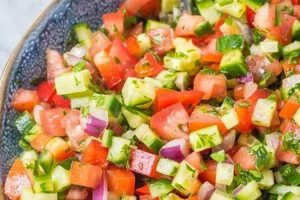
This dish represents a fusion of two popular Asian cuisine staples: ramen and salad. It typically involves a base of ramen noodles, often prepared differently than in a traditional ramen soup, topped with various fresh vegetables, proteins, and a flavorful dressing. Examples include chilled ramen noodle salads with shredded chicken or tofu, vibrant vegetable mixes, and sesame-ginger dressings, or warmer variations incorporating seared steak or shrimp with a peanut-based sauce.
The appeal lies in its versatility and balance. It offers a refreshing and lighter alternative to heavier ramen soups while providing a satisfying and nutritious meal. The customizable nature allows for endless variations catering to different dietary needs and preferences. From a culinary perspective, this fusion dish exemplifies the ongoing evolution of food, demonstrating how traditional elements can be reimagined into contemporary and exciting creations. This adaptability contributes to its growing popularity in both home kitchens and restaurant menus.
The following sections will delve into specific recipe variations, explore the diverse ingredients commonly used, and offer guidance on preparation techniques. Further discussion will address nutritional aspects and suggest creative adaptations for different dietary restrictions.
Tips for Crafting Exceptional Ramen Noodle Salads
Elevating a ramen noodle salad from simple to extraordinary involves careful consideration of several key elements. The following tips offer guidance on achieving optimal flavor, texture, and visual appeal.
Tip 1: Noodle Preparation: Avoid overcooking the noodles. Aim for a firm, al dente texture. Rinsing the cooked noodles under cold water stops the cooking process and enhances their springiness in a salad context.
Tip 2: Dressing Selection: The dressing serves as the unifying element, binding the ingredients and imparting a cohesive flavor profile. Consider the overall flavor profile desired sweet, savory, spicy, or tangy when selecting or creating a dressing. Experiment with sesame-ginger, peanut, or sriracha-lime combinations.
Tip 3: Protein Choices: Protein adds substance and nutritional value. Grilled chicken or tofu, seared shrimp or steak, and even crispy chickpeas offer diverse options. Marinate the protein before cooking to enhance its flavor.
Tip 4: Vegetable Variety: Embrace a variety of textures and colors. Crisp vegetables like shredded carrots, sliced cucumbers, and chopped bell peppers provide a refreshing crunch, while edamame or snap peas offer a different textural element.
Tip 5: Garnishes and Flavor Enhancers: Toasted sesame seeds, chopped peanuts, fresh cilantro, or a squeeze of lime juice can elevate the dish with added flavor and visual interest.
Tip 6: Balancing Flavors: Strive for a harmonious balance of flavors. Consider the interplay of sweet, salty, sour, and spicy elements to create a well-rounded and satisfying dish.
Tip 7: Advance Preparation: Many components, such as the noodles, protein, and dressing, can be prepared in advance, simplifying assembly when ready to serve. However, it’s generally best to add delicate greens and garnishes just before serving to maintain their freshness and crispness.
By implementing these tips, one can create a ramen noodle salad that is not only visually appealing but also offers a complex and delightful culinary experience.
This exploration of tips provides a foundation for crafting exceptional ramen noodle salads. The following section will offer specific recipe examples to further inspire culinary creativity.
1. Noodles (type, cooking)

Noodle selection and preparation are fundamental to a successful Asian-inspired ramen salad. The type of noodle influences both the texture and flavor absorption of the dish. While traditional ramen noodles are a common choice, other Asian noodles like soba, udon, or even rice noodles can offer interesting variations. Thinner noodles, such as ramen or rice noodles, readily absorb dressings and offer a lighter texture, while thicker noodles like udon provide a more substantial, chewier element.
Cooking the noodles correctly is crucial. Overcooked noodles become mushy and detract from the salad’s overall appeal. Aiming for an al dente texture ensures a pleasant chewiness. Immediately rinsing the cooked noodles under cold water stops the cooking process and firms them, preventing them from sticking together and creating a more desirable texture for a salad. For example, using chilled soba noodles with a light soy-based dressing and fresh vegetables creates a refreshing summer salad, while thicker udon noodles, stir-fried with vegetables and protein in a savory sauce, offer a more substantial and warming dish.
Understanding the nuances of noodle selection and preparation allows for greater control over the final dish’s outcome. Achieving the desired noodle texture contributes significantly to the overall enjoyment of the salad. Careful consideration of these factors enhances the harmony between the noodles and other ingredients, creating a balanced and satisfying culinary experience. This knowledge empowers culinary experimentation, facilitating the creation of diverse and flavorful variations on the Asian-inspired ramen salad theme.
2. Vegetables (fresh, variety)
The incorporation of fresh, varied vegetables is integral to the essence of an Asian-inspired ramen salad. These elements contribute not only vibrant color and textural complexity but also crucial nutrients and nuanced flavors. The selection of vegetables directly impacts the overall nutritional profile and sensory experience of the dish. For instance, crunchy vegetables like shredded carrots, julienned cucumbers, and thinly sliced bell peppers introduce a refreshing contrast to the soft noodles, while leafy greens such as spinach or romaine lettuce add a layer of earthiness. The strategic inclusion of vegetables like bean sprouts or edamame further enriches the salad with protein and fiber.
The variety of vegetables also offers an opportunity to explore a diverse range of flavors. Incorporating ingredients like shredded red cabbage adds a subtle peppery note, while thinly sliced radishes contribute a slightly spicy bite. The interplay of these diverse flavors creates a more dynamic and engaging culinary experience. Furthermore, the visual appeal of a colorful array of vegetables enhances the overall presentation and enjoyment of the dish. A thoughtfully composed salad featuring a spectrum of colors from the deep green of spinach to the vibrant orange of carrots and the rich purple of red cabbage becomes a feast for the eyes as well as the palate.
In conclusion, the careful selection and incorporation of a variety of fresh vegetables is paramount to creating a well-balanced and flavorful Asian-inspired ramen salad. This practice not only elevates the nutritional value and textural complexity but also enhances the overall sensory experience. Understanding the role and impact of fresh vegetables allows for greater culinary creativity and the development of truly exceptional dishes. This knowledge empowers individuals to craft salads that are not only visually appealing but also nutritionally sound and deeply satisfying.
3. Protein (optional, diverse)

Protein, while optional, plays a significant role in augmenting the nutritional value and overall culinary experience of an Asian-inspired ramen salad. Its inclusion transforms the dish from a light accompaniment to a more substantial and satisfying meal. The diversity of protein choices available allows for extensive customization and caters to various dietary preferences and requirements. For example, grilled chicken or fish provides lean protein, while tofu offers a plant-based alternative. The choice of protein also influences the overall flavor profile. Seared steak contributes a rich, savory element, while crispy tofu adds a textural contrast and absorbs the flavors of the dressing and other ingredients.
The method of protein preparation further expands the range of possibilities. Marination enhances flavor penetration and tenderness, while grilling or pan-frying creates desirable textures and adds depth through caramelization or charring. Consider the interplay between the chosen protein and the other salad components. For instance, a sesame-ginger dressing complements the delicate flavor of grilled shrimp, while a spicy peanut sauce pairs well with seared tofu or chicken. The inclusion of protein also contributes to satiety, making the salad a more complete and fulfilling meal. This is particularly important for those seeking a balanced and nutritious meal option.
Understanding the impact of protein selection and preparation on the overall composition of the Asian-inspired ramen salad allows for a more informed and nuanced approach to recipe development. Careful consideration of protein choices, preparation methods, and their interplay with other ingredients leads to a more balanced and satisfying culinary creation. This knowledge facilitates the creation of customized salads tailored to individual preferences and dietary needs, demonstrating the versatility and adaptability of this culinary concept.
4. Dressing (flavorful, balanced)

The dressing serves as the unifying element in an Asian-inspired ramen salad, binding the diverse components and imparting a cohesive flavor profile. A well-crafted dressing elevates the dish beyond a simple assembly of ingredients, transforming it into a harmonious and flavorful experience. The balance of flavors within the dressing is crucial. It should complement the other ingredients without overpowering them, creating a symphony of tastes that enhance the overall enjoyment. For example, a sesame-ginger dressing with a touch of sweetness and acidity harmonizes with the savory notes of grilled chicken and the fresh crunch of vegetables. Alternatively, a spicy peanut dressing provides a contrasting richness and heat that complements the subtle flavors of tofu and the earthiness of spinach.
The choice of dressing also offers an opportunity to introduce complexity and depth of flavor. A dressing featuring umami-rich ingredients like fish sauce or soy sauce adds a savory dimension, while a touch of citrus brightens the palate and cuts through richness. The texture of the dressing also contributes to the overall sensory experience. A creamy dressing, perhaps based on mayonnaise or tahini, provides a luscious coating, while a lighter vinaigrette offers a refreshing counterpoint. The interplay of these elements flavor, acidity, sweetness, and texture determines the ultimate success of the dressing and its impact on the overall dish. Consider a vibrant sriracha-lime dressing: the heat of the sriracha is balanced by the tanginess of lime, creating a dynamic flavor profile that enhances the other components of the salad.
In conclusion, the dressing is a pivotal element in an Asian-inspired ramen salad, far more than a mere afterthought. Its careful selection or creation significantly influences the overall flavor profile, texture, and enjoyment of the dish. A well-balanced and flavorful dressing harmonizes the diverse ingredients, transforming them into a cohesive and satisfying culinary experience. Understanding the nuances of flavor balance and the interplay of different ingredients within the dressing empowers culinary creativity and allows for the development of truly exceptional and personalized ramen salads.
5. Garnishes (texture, aroma)

Garnishes represent the finishing touch in an Asian-inspired ramen salad, elevating the dish beyond mere sustenance and transforming it into a multi-sensory experience. While often overlooked, garnishes contribute significantly to the overall texture and aroma, playing a crucial role in enhancing visual appeal and stimulating appetite. Their strategic application adds complexity and depth, completing the culinary narrative.
- Textural Contrast
Garnishes introduce textural nuances that contrast with the other components, creating a more dynamic and engaging mouthfeel. Crispy fried onions offer a contrasting crunch against the soft noodles and fresh vegetables, while toasted sesame seeds provide a delicate nuttiness and subtle textural variation. Chopped peanuts contribute a satisfying bite, further enhancing the textural interplay.
- Aromatic Enhancement
The aromatic dimension introduced by garnishes significantly impacts the overall sensory experience. Fresh cilantro or mint sprigs release a burst of fresh, herbaceous aroma upon consumption, while a sprinkle of toasted sesame oil adds a rich, nutty fragrance. These aromatic notes complement and enhance the existing flavors, creating a more complex and layered sensory profile.
- Visual Appeal
Garnishes contribute significantly to the visual presentation of the salad, transforming it into a more appealing and appetizing dish. A sprinkle of bright red chili flakes adds a pop of color and hints at the underlying spice, while a scattering of black sesame seeds creates visual contrast against the lighter elements. The visual appeal stimulates appetite and enhances the overall dining experience.
- Flavor Accentuation
Beyond texture and aroma, garnishes can also accentuate and amplify existing flavors. A squeeze of fresh lime juice brightens the overall flavor profile and adds a touch of acidity, while a drizzle of sriracha adds a spicy kick. These carefully chosen garnishes enhance the complexity of the dish, creating a more nuanced and satisfying flavor profile.
The considered application of garnishes completes the Asian-inspired ramen salad, demonstrating an attention to detail that elevates the dish from simple to sophisticated. The interplay of texture, aroma, visual appeal, and flavor accentuation transforms the culinary experience, creating a dish that is not only satisfying but also aesthetically pleasing and aromatically enticing. This understanding of the multifaceted role of garnishes underscores their importance in achieving culinary excellence.
Frequently Asked Questions
This section addresses common inquiries regarding the preparation and enjoyment of Asian-inspired ramen salads.
Question 1: What type of ramen noodles is best suited for salads?
While traditional ramen noodles work well, thinner varieties or even other Asian noodles like soba or rice noodles offer excellent alternatives for a lighter texture and better absorption of dressings.
Question 2: Can the noodles be prepared in advance?
Yes, noodles can be cooked ahead of time. Rinsing them under cold water after cooking and storing them separately prevents sticking. Add them to the salad just before serving.
Question 3: What are suitable protein options for those following a vegetarian or vegan diet?
Tofu, tempeh, edamame, chickpeas, or even roasted nuts and seeds provide excellent plant-based protein sources.
Question 4: How can one prevent the salad from becoming soggy?
Adding the dressing just before serving prevents the salad from becoming soggy. Storing components separately until assembly also helps maintain optimal texture.
Question 5: Are there gluten-free options for this dish?
Using gluten-free ramen noodles or alternative noodles such as rice noodles ensures the dish remains gluten-free. Carefully check all other ingredients, including sauces and dressings, for gluten content.
Question 6: How can leftover salad be stored?
Store leftover salad components separately, especially the noodles and dressing. Combine just before serving to maintain freshness and prevent sogginess.
Understanding these common points of inquiry helps ensure successful preparation and enjoyment. Appropriate noodle selection, ingredient preparation, and mindful assembly contribute significantly to a flavorful and satisfying experience.
The following section will provide a collection of sample recipes for practical application of the principles discussed.
Conclusion
Exploration of the “Asian salad recipe ramen” concept reveals a dish characterized by versatility and adaptability. Key elements include careful selection of noodles, incorporation of diverse fresh vegetables, strategic protein choices, creation of balanced and flavorful dressings, and thoughtful application of garnishes. Each component contributes to the overall sensory experience, offering a spectrum of flavors, textures, and aromas. Proper noodle preparation, ingredient combinations, and mindful assembly are crucial for a successful outcome.
This culinary creation exemplifies the dynamic nature of food, demonstrating how traditional elements can be reimagined into contemporary expressions. Continued exploration and experimentation within this culinary framework promise further innovation and exciting possibilities. The adaptability of this concept allows for personalized interpretations catering to individual preferences and dietary needs, solidifying its place as a versatile and evolving culinary trend.