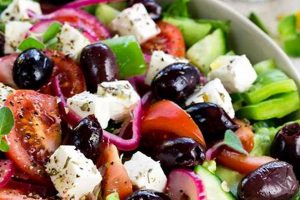
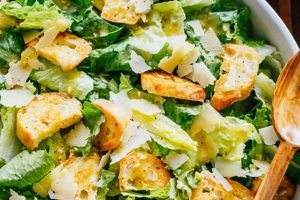
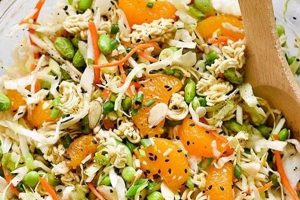
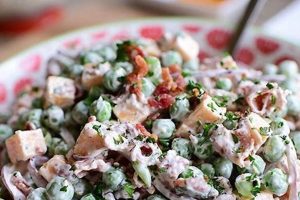
Fresh, vibrant salads featuring seasonal produce are a hallmark of springtime cuisine. These dishes often incorporate ingredients like tender greens, asparagus, peas, radishes, and edible flowers, combined with light and flavorful dressings. A typical example might include baby spinach, sliced strawberries, crumbled goat cheese, candied pecans, and a poppyseed vinaigrette.
Highlighting the season’s bounty, such dishes offer not only a welcome change from heavier winter meals but also a nutritional boost. The abundance of vitamins and minerals in spring vegetables contributes to a healthy diet. Historically, the consumption of fresh greens and vegetables in spring played a vital role in replenishing nutrient stores after the limited availability of produce during winter months. This tradition continues to resonate today as people embrace the flavors and health benefits of seasonal eating.
This article will delve into specific examples of delicious and easy-to-prepare springtime salads, exploring variations in ingredients, dressings, and preparation techniques to inspire culinary creativity and healthy eating habits.
Tips for Crafting Exceptional Spring Salads
Elevating salads from simple to extraordinary involves thoughtful consideration of ingredients, balance of flavors, and attention to detail. The following tips offer guidance for creating memorable spring salads.
Tip 1: Embrace Seasonal Produce: Selecting produce at its peak ripeness ensures optimal flavor and nutritional value. Farmers’ markets offer an excellent source of fresh, locally grown spring vegetables and fruits.
Tip 2: Prioritize Fresh Greens: Tender greens like baby spinach, arugula, or spring mix form an excellent base. Avoid pre-washed greens if possible, as they can be less flavorful.
Tip 3: Incorporate Textural Variety: A mix of textures adds interest. Consider adding crunchy elements like toasted nuts, seeds, or croutons, as well as softer components like avocado or cheese.
Tip 4: Balance Flavors: Strive for a balance of sweet, savory, tangy, and bitter flavors. Combine ingredients like sweet berries with tangy citrus, peppery arugula with creamy goat cheese, or roasted vegetables with a slightly bitter vinaigrette.
Tip 5: Dress Strategically: Dressings should complement, not overpower, the salad’s flavors. Light vinaigrettes, made with high-quality oils and vinegars, are ideal for spring salads. Dress the salad just before serving to prevent the greens from wilting.
Tip 6: Add Protein for Substance: Grilled chicken or fish, boiled eggs, lentils, or chickpeas can transform a salad into a satisfying meal.
Tip 7: Consider Garnishes: Edible flowers, fresh herbs, or a sprinkle of spice can elevate the visual appeal and enhance the flavor profile.
By following these tips, one can create spring salads that are not only visually appealing and flavorful but also nutritious and satisfying.
These guidelines provide a solid foundation for exploring the vast possibilities of spring salad creation. The following section will offer specific recipe ideas to further inspire culinary endeavors.
1. Fresh, Seasonal Ingredients
The foundation of exceptional spring salads lies in the utilization of fresh, seasonal ingredients. These ingredients, at their peak ripeness, offer optimal flavor and nutritional value, elevating the salad from a simple dish to a culinary experience. This section explores the facets of using seasonal produce in spring salads.
- Availability and Flavor:
Springtime boasts a unique array of produce, each with its distinct flavor profile. Asparagus, peas, radishes, and new potatoes offer a range of tastes, from subtly sweet to earthy and crisp. Their availability during this specific season ensures optimal flavor, as produce shipped out of season often lacks the vibrancy of locally sourced, in-season ingredients. This heightened flavor translates to a more satisfying and complex salad.
- Nutritional Value:
Fresh, seasonal produce is often richer in nutrients. Spring vegetables, grown locally and harvested at their peak, retain more vitamins and minerals compared to produce that has undergone lengthy transportation and storage. Incorporating these nutrient-rich ingredients into salads contributes to a healthier and more balanced diet.
- Variety and Versatility:
The diverse selection of spring produce offers endless possibilities for salad creation. From leafy greens like spinach and arugula to vibrant vegetables like carrots and bell peppers, the variety allows for creativity in flavor and texture combinations. This versatility allows for endless customization and the creation of unique and appealing salads.
- Visual Appeal:
The vibrant colors of spring produce contribute significantly to a salad’s aesthetic appeal. The deep green of spinach, the bright red of radishes, and the delicate pink of early season strawberries create a visually stunning dish that is as appealing to the eye as it is to the palate. This visual appeal enhances the dining experience and contributes to the overall enjoyment of the salad.
By prioritizing fresh, seasonal ingredients, one can maximize the flavor, nutritional value, and visual appeal of spring salads. This emphasis on seasonality results in dishes that are not only delicious but also reflective of the vibrancy and freshness of spring itself. This connection to the natural cycle of the seasons elevates the simple salad to a celebration of nature’s bounty.
2. Vibrant Color Combinations
Visual appeal plays a significant role in culinary enjoyment. Vibrant color combinations are integral to great spring salad recipes, enhancing their attractiveness and contributing to a more satisfying dining experience. The strategic use of color elevates these salads beyond mere sustenance, transforming them into aesthetically pleasing creations. For instance, a salad incorporating the deep green of spinach, the bright orange of carrots, and the ruby red of radicchio offers a visual feast that stimulates appetite and enhances perceived freshness.
Color variation in salads also signifies a diversity of nutrients. Different pigments in fruits and vegetables correspond to specific vitamins and antioxidants. A colorful salad, therefore, often indicates a broader range of beneficial nutrients. A salad featuring a mix of red (tomatoes), orange (carrots), yellow (bell peppers), green (spinach), and purple (cabbage) not only presents a vibrant tableau but also suggests a rich supply of diverse vitamins and phytonutrients.
Understanding the interplay of colors in salad composition allows for the creation of dishes that are both visually appealing and nutritionally balanced. This approach maximizes the inherent qualities of spring’s fresh produce, resulting in salads that are as healthful as they are beautiful. The intentional use of color elevates a simple salad to a culinary expression, enhancing the dining experience and promoting enjoyment of wholesome, seasonal foods.
3. Balanced Flavor Profiles

Balanced flavor profiles are essential to crafting exceptional spring salads. A well-composed salad engages the palate with a harmonious blend of tastes, creating a dynamic and satisfying culinary experience. This balance prevents any single flavor from dominating, allowing the nuances of each ingredient to shine through. Understanding how to achieve this balance is crucial for creating salads that are both complex and refreshing.
- Counterpointing Tastes:
The interplay of contrasting tastes forms the foundation of a balanced flavor profile. Sweet, sour, salty, bitter, and umami elements should complement one another. The sweetness of fresh berries can be balanced by the tangy acidity of a citrus vinaigrette, while the bitterness of arugula finds harmony with the salty richness of feta cheese. This interplay creates a dynamic and engaging sensory experience.
- Textural Considerations:
Texture plays a crucial role in flavor perception. A variety of texturescrispy, creamy, crunchyadds depth and complexity. The crispness of fresh greens provides a counterpoint to the creamy texture of avocado, while toasted nuts or seeds introduce a satisfying crunch. This textural diversity enhances the overall enjoyment of the salad, preventing monotony and stimulating the palate.
- Seasonality and Flavor Intensity:
Spring ingredients offer a unique range of flavors, from the delicate sweetness of new peas to the peppery bite of radishes. Utilizing these seasonal ingredients at their peak ripeness ensures maximum flavor intensity. Respecting the natural flavors of spring produce and understanding their inherent balance is key to creating a successful salad. Overly assertive dressings or seasonings can mask these delicate flavors, disrupting the overall balance.
- The Role of Dressings:
Dressings are crucial for unifying the flavors of a salad. A well-chosen dressing complements the other ingredients without overpowering them. Light vinaigrettes, made with high-quality oils and vinegars, are often ideal for spring salads. The acidity of the vinaigrette balances sweetness, while the oil carries and enhances other flavors. The dressing should act as a bridge, connecting and harmonizing the various components of the salad.
By carefully considering these factors, one can create spring salads that are not only visually appealing but also offer a complex and satisfying interplay of flavors. This balance elevates the salad from a simple side dish to a culinary highlight, showcasing the best of spring’s fresh, vibrant ingredients. The result is a dish that is both refreshing and deeply satisfying, a testament to the power of balanced flavors.
4. Complementary Textures

Texture plays a crucial role in the overall enjoyment of a spring salad, adding depth and complexity beyond flavor alone. A successful spring salad strategically incorporates a variety of textures to create a more engaging and satisfying culinary experience. This interplay of textures elevates the salad from a simple combination of ingredients to a multi-sensory delight. For instance, the crispness of fresh romaine lettuce can be juxtaposed with the creamy smoothness of avocado, while the addition of toasted pecans introduces a contrasting crunch. This variety prevents textural monotony, keeping the palate engaged and interested.
The careful consideration of texture extends beyond mere variety. The specific textures chosen should complement the other ingredients and the overall composition of the salad. A delicate spring salad featuring baby spinach and fresh strawberries might benefit from the subtle crunch of slivered almonds, while a more robust salad with grilled chicken and roasted vegetables could incorporate the hearty chewiness of croutons or the satisfying snap of sugar snap peas. Understanding these nuances allows for a more sophisticated and nuanced approach to salad construction.
Achieving textural balance in a spring salad involves understanding the inherent textures of different ingredients and how they interact. Soft, leafy greens provide a foundation, while crunchy elements like nuts, seeds, or raw vegetables offer contrast. Creamy components, such as cheese or avocado, add richness and depth. Successfully integrating these elements ensures a harmonious and satisfying textural experience, maximizing the enjoyment of the fresh, vibrant flavors characteristic of spring salads. This interplay of textures contributes significantly to the overall success of the dish, elevating it from a simple combination of ingredients to a truly delightful culinary creation.
5. Light, Flavorful Dressings

Light, flavorful dressings are essential to great spring salad recipes. They enhance the overall dining experience by complementing, rather than masking, the delicate flavors of fresh, seasonal ingredients. A heavy dressing can overwhelm the subtle nuances of spring produce, while a light, well-balanced dressing enhances the natural flavors, creating a harmonious and refreshing culinary experience. The dressing acts as a unifying element, bringing together the diverse components of the salad while allowing the individual flavors to shine. For example, a light lemon vinaigrette with a touch of Dijon mustard perfectly complements a salad featuring fresh spinach, strawberries, and goat cheese. The acidity of the lemon brightens the flavors of the berries and spinach, while the Dijon adds a subtle complexity that enhances the overall taste profile without overpowering the delicate flavors of the cheese. Conversely, a creamy ranch dressing, while delicious in other contexts, would likely overwhelm the subtle sweetness of the strawberries and mask the fresh, earthy notes of the spinach.
The choice of dressing significantly impacts the perceived freshness and vibrancy of a spring salad. Light dressings, often vinaigrette-based, contribute to a feeling of lightness and contribute to the refreshing quality often associated with springtime cuisine. The composition of the dressing itself plays a crucial role. High-quality oils, such as extra virgin olive oil or avocado oil, provide a healthy fat base and contribute desirable flavor notes. Freshly squeezed citrus juices or vinegars offer acidity that balances sweetness and adds brightness. Complementary herbs, spices, and other flavoring agents, used judiciously, further enhance the complexity of the dressing without making it heavy or overpowering. This careful balancing act allows the inherent flavors of the salad ingredients to take center stage while the dressing provides a nuanced backdrop that enhances the overall culinary experience.
Achieving the right balance in a spring salad dressing is crucial for maximizing enjoyment and showcasing the season’s bounty. Dressings should enhance, not dominate, the flavors of fresh, seasonal produce. Careful consideration of ingredients, proportions, and complementary flavor profiles ensures the dressing contributes to the overall harmony and balance of the salad, creating a dish that is both refreshing and satisfying. This understanding of the role of dressings in spring salads allows for a more thoughtful and nuanced approach to salad creation, resulting in dishes that are both visually appealing and delicious.
Frequently Asked Questions About Spring Salads
This section addresses common inquiries regarding the creation of exceptional spring salads, offering practical guidance and clarifying potential uncertainties.
Question 1: How can wilting be prevented when preparing salads in advance?
To prevent wilting, store dressings separately and toss with the salad immediately before serving. Keep delicate greens, such as spinach and arugula, refrigerated in airtight containers lined with paper towels to absorb excess moisture.
Question 2: What are effective strategies for incorporating proteins into spring salads?
Grilled chicken or fish, hard-boiled eggs, beans, lentils, and nuts offer excellent protein options. Consider the overall flavor profile of the salad when selecting a protein source to ensure compatibility.
Question 3: Which dressings best complement spring salads?
Light vinaigrettes made with fresh herbs, citrus juices, and high-quality oils generally complement the delicate flavors of spring produce. Avoid heavy, creamy dressings that may overwhelm these subtle flavors.
Question 4: How can one ensure the nutritional value of spring salads is maximized?
Prioritize fresh, seasonal ingredients sourced locally whenever possible. These ingredients are typically at their peak nutritional value. Incorporate a variety of colorful vegetables to ensure a broad spectrum of vitamins and minerals.
Question 5: What are some creative ways to add textural variety to spring salads?
Toasted nuts, seeds, croutons, roasted chickpeas, and raw vegetables like radishes or snap peas can introduce interesting textural elements. Consider the overall composition and balance when incorporating these elements.
Question 6: How can one adapt spring salad recipes for dietary restrictions?
Substitutions can be made to accommodate various dietary needs. For gluten-free options, ensure croutons and other ingredients are gluten-free. Vegan options can utilize plant-based proteins and dressings. Adaptations should maintain the balance of flavors and textures.
Understanding these key considerations helps ensure the creation of satisfying and flavorful spring salads.
The next section offers specific spring salad recipes that exemplify these principles.
Great Spring Salad Recipes
Exploration of optimal spring salad composition necessitates an understanding of key elements: the utilization of fresh, seasonal produce; the creation of vibrant color combinations; the achievement of balanced flavor profiles; the incorporation of complementary textures; and the development of light, flavorful dressings. Each element contributes significantly to the overall culinary experience, transforming simple salads into vibrant, healthful, and satisfying meals. Careful consideration of these components allows for a diverse range of culinary creations, each showcasing the unique flavors and textures of springtime ingredients.
Culinary innovation with fresh, seasonal ingredients offers a pathway to both healthful eating and gastronomic satisfaction. Continued exploration of seasonal produce and innovative flavor combinations elevates culinary experiences and promotes a deeper appreciation for the bounty each season provides. The potential for creativity within the realm of salad creation is vast, offering opportunities for continuous exploration and discovery.