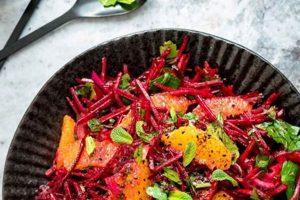
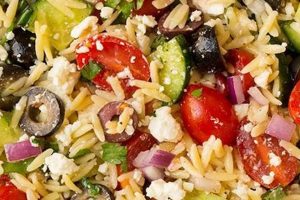
A vibrant and refreshing dish typically combines thinly sliced fennel bulb, orange segments, and often other complementary ingredients such as olives, red onion, herbs, and a light vinaigrette. The distinctive anise flavor of fennel harmonizes with the citrusy sweetness of orange, creating a complex and balanced flavor profile. Variations may include toasted nuts, crumbled cheese, or different citrus fruits like grapefruit or blood orange.
This type of salad offers numerous culinary and nutritional advantages. Fennel, a good source of vitamin C and fiber, contributes a unique licorice-like note, while oranges provide a burst of vitamin C and antioxidants. The combination promotes healthy digestion and offers a light yet satisfying meal option. Historically, both fennel and oranges have been valued for their medicinal properties and flavor, making their pairing a natural evolution in culinary traditions, especially in Mediterranean cuisine.
The following sections will explore various aspects of creating this dish, including selecting the best ingredients, mastering different slicing techniques, and preparing a variety of complementary dressings. Recipes for both classic and innovative variations will be provided, along with tips for presentation and serving suggestions.
Tips for a Perfect Fennel and Orange Salad
Achieving optimal flavor and texture requires attention to detail throughout the preparation process. The following tips offer guidance for creating a truly exceptional salad.
Tip 1: Selecting Fennel: Choose firm bulbs with bright white, tightly layered stalks and fresh, feathery fronds. Avoid bulbs with signs of browning, bruising, or soft spots.
Tip 2: Slicing Techniques: Thinly slicing the fennel bulb is crucial for achieving a tender texture and ensuring the anise flavor melds well with the other ingredients. A mandoline slicer offers the best results, but a sharp knife can also be used with careful attention to consistent thickness.
Tip 3: Orange Preparation: Segmenting the oranges, rather than simply slicing them, removes the bitter white pith and membrane, resulting in a more pleasant eating experience. Alternatively, supreming, a technique that involves removing both the pith and the membrane, offers a more refined presentation.
Tip 4: Balancing Flavors: The inherent sweetness of oranges requires a counterpoint. A slightly acidic vinaigrette, briny olives, or sharp red onion can provide this balance.
Tip 5: Adding Complementary Ingredients: Consider incorporating other ingredients that enhance the flavor profile, such as toasted pistachios, crumbled feta cheese, fresh mint, or thinly shaved Parmesan.
Tip 6: Dressing Application: Add the dressing just before serving to prevent the fennel and oranges from becoming soggy. Toss gently to ensure all ingredients are lightly coated.
Tip 7: Presentation: Arrange the salad attractively on a platter or individual plates. Garnish with reserved fennel fronds or other complementary elements for visual appeal.
By following these guidelines, one can elevate this simple salad to a sophisticated and flavorful dish, perfect for a light lunch, appetizer, or side dish.
The concluding section provides a selection of complete recipes, incorporating these tips and offering variations to suit different palates.
1. Fresh Ingredients
The success of a fennel and orange salad rests significantly on the freshness of its primary components. Fennel, when fresh, exhibits a crisp, firm texture and a vibrant, almost luminous white hue. Its anise flavor is pronounced yet delicate. As fennel ages, its texture softens, its color dulls, and its flavor diminishes, resulting in a less satisfying salad. Oranges, similarly, must be at their peak ripeness juicy, sweet, and with a bright citrus aroma. Using oranges that are overripe or underripe will negatively impact the overall balance and flavor profile of the salad. The difference between a salad made with fresh, vibrant ingredients and one made with less-than-optimal produce is readily discernible. A salad constructed with peak-season produce will offer a superior sensory experience.
Consider the impact of using wilted fennel fronds. Rather than providing a delicate anise accent and a pleasant visual garnish, they impart a slightly bitter taste and detract from the salad’s aesthetic appeal. Similarly, oranges that have begun to dry out will lack the necessary juiciness and sweetness, potentially throwing off the balance of flavors within the vinaigrette. Sourcing produce from local farmers’ markets or selecting carefully from grocery store displays ensures optimal freshness and maximizes the salad’s potential. This attention to ingredient quality translates directly to a more vibrant and flavorful final product.
Ingredient freshness directly correlates with the overall quality and enjoyment of the fennel and orange salad. Utilizing produce at its peak ensures the brightest flavors, the best textures, and the most visually appealing presentation. Investing time in sourcing high-quality, fresh fennel and oranges ultimately distinguishes a truly exceptional salad from a mediocre one. This principle extends beyond the core ingredients; fresh herbs, high-quality olive oil, and recently harvested olives all contribute to a superior culinary experience. Failing to prioritize ingredient freshness compromises the potential of this otherwise simple, elegant dish.
2. Proper Slicing

Proper slicing techniques are fundamental to a successful fennel and orange salad. The texture and flavor release of both key ingredients are directly influenced by the way they are cut. Precision in slicing ensures a harmonious blend of textures and optimizes the interplay between the anise notes of fennel and the citrusy sweetness of orange. Consistent thinness is crucial, not only for aesthetic appeal but also for achieving a balanced flavor in each bite.
- Fennel Bulb Slicing
The fennel bulb, with its layered structure, requires a precise approach. Thin, even slices, ideally achieved with a mandoline slicer, are essential. This maximizes surface area, allowing the subtle anise flavor to permeate the salad and creating a delicate, almost translucent texture that contrasts pleasantly with the other ingredients. Thickly sliced fennel can be tough and fibrous, overpowering the other flavors and compromising the overall balance.
- Orange Segmenting
Segmenting oranges, a technique that removes the pith and membrane, is preferable to simple slicing. This eliminates the bitter components of the fruit, allowing its natural sweetness to shine. The clean, individual segments offer a refined textural element and enhance the visual appeal of the salad. Furthermore, segmenting prevents the release of excess juice, which could otherwise dilute the vinaigrette.
- Uniformity of Size
Consistency in slicing all ingredients ensures even distribution of flavors and textures throughout the salad. Each bite should offer a harmonious blend of fennel, orange, and any other complementary components. This uniformity contributes to a more pleasing mouthfeel and a more balanced flavor profile. Unevenly sized pieces can lead to a disjointed eating experience, with some bites dominated by one ingredient over others.
- Knife Skills and Sharpness
While a mandoline offers the most consistent results, a sharp knife can also be employed effectively. Proper knife skills are crucial for achieving thin, even slices. A dull knife can crush the delicate fennel cells, releasing excessive moisture and compromising the crisp texture. Maintaining a sharp blade is paramount to achieving the desired precision and preserving the integrity of the ingredients.
The interplay of these slicing techniques contributes significantly to the overall success of the fennel and orange salad. Precision and consistency in slicing not only enhance the aesthetic presentation but also optimize flavor release and textural harmony. Mastering these techniques elevates the dish from a simple combination of ingredients to a carefully constructed culinary experience.
3. Balanced Dressing

A balanced dressing is paramount in a fennel and orange salad recipe. The inherent sweetness of oranges and the distinctive anise flavor of fennel require a dressing that complements rather than overwhelms these characteristics. An overly acidic dressing can clash with the orange’s sweetness, while an excessively rich or creamy dressing can mask the fennel’s delicate anise notes. The dressing acts as a unifying element, harmonizing the diverse flavors and creating a cohesive culinary experience. Consider a classic vinaigrette: the ratio of oil to vinegar is crucial. Too much vinegar creates an excessively sharp flavor profile, while too much oil results in a bland and uninspired salad. The balance must be carefully calibrated to enhance, not overpower, the primary ingredients.
For instance, a vinaigrette with a higher proportion of olive oil and a touch of lemon juice, rather than a harsher vinegar, provides a smoother, more nuanced counterpoint to the orange and fennel. A small amount of Dijon mustard can add a subtle complexity and emulsify the dressing, creating a more cohesive texture. Alternatively, a light citrus vinaigrette, incorporating orange zest and juice, can further amplify the citrus notes while providing a necessary acidic balance. Adding a touch of honey or maple syrup to the vinaigrette can also create a more rounded flavor profile, mitigating excessive acidity and complementing the orange’s natural sweetness. These practical adjustments illustrate the importance of considering the interplay of flavors when crafting the ideal dressing.
Achieving a balanced dressing is essential for a successful fennel and orange salad. It provides a critical bridge between the distinct flavors of fennel and orange, unifying them into a harmonious whole. A well-balanced dressing doesn’t mask the individual components but rather enhances their inherent qualities, creating a more complex and satisfying sensory experience. The careful consideration of acidity, sweetness, and texture in the dressing is a defining factor in elevating this simple salad to a truly exceptional dish. This principle of balance extends beyond vinaigrettes; even a simple drizzle of high-quality olive oil and a sprinkle of sea salt can be remarkably effective when executed with precision and an understanding of flavor dynamics.
4. Complementary Flavors

Complementary flavors are essential for elevating a fennel and orange salad from simple to sophisticated. While the inherent combination of fennel’s anise notes and orange’s citrusy sweetness provides a solid foundation, thoughtfully chosen additions create depth and complexity. Consider the interplay of textures and tastes. The crisp, slightly crunchy fennel and juicy orange segments benefit from the introduction of contrasting elements. Salty, briny olives, for example, provide a counterpoint to the sweetness of the orange, while toasted nuts, such as pistachios or almonds, introduce a satisfying crunch and nutty depth. Crumbled feta cheese offers a creamy, tangy dimension, further enhancing the flavor profile. Even a simple addition of thinly sliced red onion contributes a pungent bite that cuts through the richness of the other components. These additions are not arbitrary; they are chosen strategically to create a harmonious and balanced flavor profile.
The selection of complementary flavors should consider the overall balance of the salad. If a sweeter vinaigrette is used, the addition of salty or acidic elements becomes even more crucial. For example, a honey-lemon vinaigrette might pair well with salty Kalamata olives and sharp red onion. Conversely, a more acidic vinaigrette might benefit from the addition of creamy goat cheese or toasted walnuts to temper the sharpness. Fresh herbs, like mint or dill, can further enhance the flavor profile. Mint, with its refreshing coolness, complements the citrus notes of the orange, while dill adds a subtle, herbaceous dimension that harmonizes with the fennel’s anise flavor. These seemingly minor additions play a significant role in elevating the overall sensory experience.
Understanding the role of complementary flavors is crucial for crafting a truly exceptional fennel and orange salad. The strategic incorporation of contrasting textures and tastes creates a more dynamic and satisfying culinary experience. A simple salad transforms into a carefully composed dish through the thoughtful interplay of flavors. The careful selection and balanced integration of complementary ingredients demonstrate a nuanced understanding of flavor dynamics and elevate the dish beyond a basic combination of ingredients.
5. Elegant Presentation

Elegant presentation elevates the fennel and orange salad from a simple dish to a visually appealing culinary creation. While flavor and texture remain paramount, visual appeal enhances the dining experience, stimulating appetite and adding a touch of sophistication. Consideration of color, arrangement, and serving style transforms the salad into a feast for the eyes as well as the palate. Thoughtful presentation communicates care and attention to detail, enhancing the perceived value and enjoyment of the dish.
- Color and Contrast
The vibrant colors of the salad’s components provide a natural starting point for an elegant presentation. The bright orange segments contrast beautifully with the pale green fennel, creating an inherently appealing visual. Further enhancing this contrast through the addition of deep green herbs, such as mint or dill, or the inclusion of dark olives or vibrant red radicchio adds depth and visual interest. Consider the color wheel and aim for a balance of complementary or contrasting hues to create a visually dynamic composition.
- Arrangement and Composition
Rather than simply tossing the ingredients together, consider a more deliberate arrangement. Arranging the fennel and orange segments in alternating patterns or creating a layered effect adds visual structure and elevates the perceived sophistication. Incorporating height through strategically placed fennel fronds or a sprinkle of toasted nuts adds another dimension to the presentation. The goal is to create a visually engaging composition that draws the diner’s eye and enhances the anticipation of the first bite.
- Serving Vessels and Garnishes
The choice of serving vessel plays a crucial role in the overall presentation. A simple white plate provides a clean backdrop that allows the vibrant colors of the salad to shine. Alternatively, a rustic wooden bowl or a sleek, modern platter can add a touch of personality and complement the salad’s aesthetic. A final flourish, such as a sprinkle of flaky sea salt, a drizzle of high-quality olive oil, or a scattering of edible flowers, adds a touch of elegance and completes the presentation.
- Context and Occasion
The presentation should also consider the context of the meal. A casual lunch might call for a more relaxed, family-style presentation, while a formal dinner might warrant a more refined and intricate plating. Adapting the presentation to the occasion ensures that the salad complements the overall dining experience. For a buffet setting, individual portions in small glasses or on elegant spoons can be a stylish and practical solution. These considerations demonstrate an attention to detail and enhance the perceived value of the dish.
Elegant presentation enhances the enjoyment of a fennel and orange salad. By considering color, arrangement, serving style, and context, one transforms a simple dish into a visually appealing culinary creation. This attention to detail elevates the dining experience, demonstrating care and enhancing the perceived value of the salad. A well-presented salad is not merely food; it is a visual expression of culinary artistry.
Frequently Asked Questions
This section addresses common inquiries regarding fennel and orange salad preparation, offering practical solutions and clarifying potential points of confusion. Understanding these aspects ensures optimal results and maximizes enjoyment of the dish.
Question 1: Can the fennel fronds be used in the salad?
Yes, fennel fronds offer a delicate anise flavor and can be chopped and incorporated into the salad or used as a garnish. However, use them sparingly, as their flavor can be intense.
Question 2: How can bitterness from the orange pith be avoided?
Segmenting the oranges is crucial. This technique removes the pith and membrane, which are the primary sources of bitterness. Supreming, a more advanced technique, also removes the membrane, offering a more refined presentation.
Question 3: What can be substituted for oranges if they are unavailable?
While oranges are essential for the classic flavor profile, other citrus fruits, such as grapefruit, mandarins, or blood oranges, can offer interesting variations. Adjust the dressing accordingly to balance the sweetness and acidity.
Question 4: How long can the salad be stored?
It is best consumed fresh. However, if storage is necessary, store the dressed and undressed components separately in airtight containers in the refrigerator for up to one day. Combine just before serving to maintain optimal texture and flavor.
Question 5: Can pre-sliced fennel be used?
While pre-sliced fennel offers convenience, it may not be as crisp as freshly sliced fennel. If using pre-sliced fennel, ensure it is of high quality and has not been stored for an extended period.
Question 6: What type of olive oil is recommended for the vinaigrette?
A high-quality extra virgin olive oil, with a fruity and peppery flavor profile, enhances the salad. Avoid overly strong or intensely flavored oils, as they can overpower the delicate flavors of the fennel and orange.
Addressing these common questions clarifies key aspects of fennel and orange salad preparation, ensuring optimal results and maximizing enjoyment of this refreshing and flavorful dish.
The following section will provide specific recipes for variations of fennel and orange salad, allowing practical application of these principles and exploration of diverse flavor combinations.
Fennel Orange Salad Recipe
Exploration of the fennel orange salad recipe reveals a dish greater than the sum of its parts. Careful selection of fresh fennel and oranges, precise slicing techniques, a balanced vinaigrette, complementary flavors, and elegant presentation all contribute to a harmonious culinary experience. This seemingly simple salad exemplifies the potential for complexity and nuance within minimalist cuisine. Understanding the interplay of these elements allows elevation of a basic combination of ingredients into a sophisticated and satisfying dish.
The fennel orange salad recipe provides a foundation for culinary exploration and personal interpretation. Adaptability to seasonal variations, individual preferences, and available ingredients allows for continuous refinement and discovery. This recipe serves not as a rigid formula, but as a framework for creative expression within the culinary arts. One is encouraged to experiment with variations, refine techniques, and discover the potential held within this deceptively simple yet remarkably versatile dish.