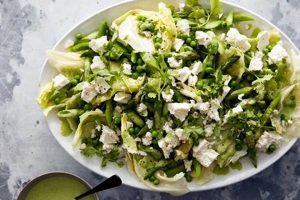
Small, round pasta granules, often referred to as Israeli couscous, form the base of a versatile dish complemented by an array of fresh ingredients. A typical preparation might include chopped vegetables like cucumbers, tomatoes, and bell peppers, herbs such as mint or parsley, and a light vinaigrette. Dried fruits, nuts, or crumbled cheese can also add depth and texture.
This type of dish offers a refreshing and nutritious meal option, suitable for various dietary needs. Its adaptability makes it ideal for warm-weather dining or as a hearty side dish. The quick cooking time of the pasta and the ability to incorporate seasonal produce contribute to its popularity. Furthermore, its origins in Middle Eastern cuisine provide a rich culinary history.
The following sections will explore specific ingredient combinations, preparation techniques, and variations to create flavorful and appealing presentations of this culinary staple. Nutritional information and tips for optimal storage will also be provided.
Tips for Perfect Pearl Couscous Salad
Achieving optimal flavor and texture requires attention to several key aspects of preparation.
Tip 1: Toast the Couscous: Toasting the couscous in a dry pan before cooking enhances its nutty flavor and prevents a mushy texture. Cook until lightly golden.
Tip 2: Cook Couscous Properly: Follow package directions for cooking, ensuring the couscous is tender but not overcooked. Fluff with a fork after cooking.
Tip 3: Balance Flavors: Combine sweet, salty, acidic, and savory elements for a well-rounded taste. Consider adding dried cranberries for sweetness, feta cheese for saltiness, lemon juice for acidity, and fresh herbs for savory notes.
Tip 4: Incorporate Varied Textures: A mix of textures adds interest. Include crunchy vegetables, toasted nuts, or creamy cheeses.
Tip 5: Dress Lightly: Overdressing can make the salad heavy. Toss with a light vinaigrette or lemon-herb dressing, allowing the flavors of the other ingredients to shine.
Tip 6: Season Appropriately: Season with salt and pepper to taste. Consider adding a pinch of red pepper flakes for a touch of heat.
Tip 7: Chill Before Serving (Optional): Chilling the salad for a short time allows the flavors to meld. However, serving at room temperature also offers a pleasant experience.
By following these guidelines, one can create a delightful and satisfying culinary experience.
The following section concludes with suggestions for variations and serving ideas.
1. Ingredients
Ingredient selection significantly impacts the final flavor profile and nutritional value of a pearl couscous salad. Careful consideration of individual components allows for a balanced and flavorful outcome. The following facets highlight key ingredient categories and their roles within the dish.
- Base Ingredient: Pearl Couscous
Pearl couscous, also known as Israeli couscous, provides the foundation. Its small, round shape and quick cooking time make it ideal for salads. Choosing whole wheat pearl couscous enhances the nutritional content with added fiber.
- Vegetables: Fresh and Varied
A variety of fresh vegetables adds color, texture, and nutrients. Common choices include cucumbers, tomatoes, bell peppers, and red onion. Roasted vegetables, such as sweet potatoes or zucchini, offer a deeper, caramelized flavor. Seasonal selections further enhance the salad’s freshness.
- Protein and Healthy Fats: Enhancing Nutrition and Flavor
Adding protein and healthy fats elevates the salad to a complete meal. Grilled chicken or fish, chickpeas, or crumbled feta cheese contribute protein. Toasted nuts, avocado, or a drizzle of olive oil provide healthy fats and enhance flavor and texture.
- Dressing: Balancing Flavors
The dressing ties the ingredients together, providing acidity and enhancing overall flavor. A simple vinaigrette made with olive oil, lemon juice, and herbs complements the other components without overpowering them. Other options include tahini-based dressings or a light yogurt dressing.
The interplay of these ingredient categories creates a versatile and adaptable dish. The careful selection of each component, from the base ingredient to the dressing, ultimately determines the sensory experience and nutritional value of the pearl couscous salad. Thoughtful combinations can result in a light and refreshing summer salad or a hearty and satisfying main course.
2. Preparation
Preparation significantly influences the final outcome of a pearl couscous salad recipe. Careful preparation ensures optimal flavor development and textural balance. Consider the impact of neglecting to toast the couscous: the resulting salad may lack the desired nutty depth and possess a less appealing, mushy consistency. Conversely, toasting the couscous prior to cooking enhances its inherent flavors and contributes to a more satisfying texture.
Beyond toasting the couscous, other preparatory steps contribute to a well-balanced salad. Chopping vegetables uniformly ensures even cooking and distribution of flavors. Consistent sizing also enhances the salad’s aesthetic appeal. Washing and drying produce thoroughly prevents excess moisture from diluting the dressing. Prepping ingredients, such as chopping vegetables and measuring spices, streamlines the cooking process and reduces the risk of overcooking or under-seasoning the dish. The efficiency of the preparation stage directly impacts the overall quality and enjoyment of the final product.
In essence, preparation forms the cornerstone of a successful pearl couscous salad recipe. Each step, from ingredient selection and pre-treatment to the order of assembly, contributes to the final flavor profile, textural complexity, and overall aesthetic presentation. Meticulous preparation ensures a consistently satisfying culinary experience. Overlooking seemingly minor details can compromise the delicate balance of flavors and textures that define a well-executed pearl couscous salad.
3. Cooking Method
The cooking method employed significantly influences the final texture and overall quality of pearl couscous in a salad. Proper cooking techniques ensure that the couscous is tender yet retains a pleasant chewiness, preventing a mushy or gummy texture. Understanding the nuances of cooking methods allows for consistent and desirable results.
- Toasting: Enhancing Flavor and Texture
Toasting pearl couscous in a dry pan before simmering intensifies its nutty flavor and contributes to a light, fluffy texture. This step, while optional, elevates the overall sensory experience. The dry heat of the pan creates a subtle browning, adding depth to the couscous’s flavor profile. This initial toasting also helps prevent the couscous from clumping during the simmering process.
- Simmering: Achieving Tenderness
Simmering the couscous in liquid, typically water or broth, hydrates and softens the granules. The liquid choice impacts the final flavor; vegetable broth imparts a subtle savory note, while water provides a neutral base. Maintaining the correct liquid ratio and simmering time, as indicated on the package instructions, ensures optimal tenderness without overcooking.
- Cooling and Fluffing: Preventing Stickiness
After simmering, spreading the cooked couscous on a baking sheet to cool and fluffing it with a fork prevents stickiness and promotes a light, airy texture. This step allows excess moisture to evaporate, ensuring individual grains remain separate and distinct, contributing to a more pleasant mouthfeel.
- Incorporating with Other Ingredients: Timing and Technique
The timing of incorporating the cooked couscous with other salad ingredients impacts the final dish’s temperature and texture. Adding the couscous while still warm allows it to absorb flavors from the dressing and other components. Alternatively, adding cooled couscous maintains the individual textures of the other ingredients. Gently folding the couscous into the salad prevents breakage and maintains its delicate structure.
The chosen cooking method directly impacts the pearl couscous’s contribution to the overall salad. A well-executed cooking process ensures that the couscous is not merely a base but an integral component that complements the other ingredients, contributing flavor, texture, and visual appeal. Mastery of these techniques allows for a consistently delightful and satisfying culinary experience.
4. Flavor Combinations

Flavor combinations play a crucial role in defining the character of a pearl couscous salad recipe. The interplay of sweet, savory, acidic, and spicy elements creates a complex and balanced flavor profile. Understanding these flavor dynamics allows for the creation of salads tailored to individual preferences, ranging from bright and refreshing to rich and savory.
- Mediterranean Influences
Traditional Mediterranean flavors often feature prominently in pearl couscous salads. Ingredients like feta cheese, Kalamata olives, sun-dried tomatoes, and fresh herbs like oregano and mint create a vibrant, savory profile. Lemon juice or red wine vinegar provides acidity, balancing the richness of the other components. This flavor profile evokes the sunny, coastal regions of the Mediterranean.
- Sweet and Savory Combinations
The juxtaposition of sweet and savory elements adds depth and complexity. Dried fruits, such as cranberries or apricots, introduce sweetness, contrasting with the savory notes of roasted vegetables, toasted nuts, or crumbled cheese. A balsamic vinaigrette further enhances the sweet and savory interplay.
- Spicy and Zesty Profiles
Incorporating spicy elements adds a kick. Chopped jalapeos, a pinch of red pepper flakes, or a drizzle of sriracha introduce heat, while citrus zest or a squeeze of lime juice adds brightness. These combinations offer a vibrant and invigorating culinary experience.
- Earthy and Nutty Undertones
Roasted root vegetables, such as sweet potatoes or beets, provide earthy notes, complementing the nutty flavor of the pearl couscous. Toasted nuts, such as walnuts or pecans, further enhance this profile. A tahini-based dressing adds richness and depth.
The versatility of pearl couscous allows for a wide range of flavor combinations, accommodating diverse palates and culinary traditions. The considered selection and balance of these flavor profiles elevates the pearl couscous salad from a simple side dish to a complex and satisfying culinary creation. Experimentation with various flavor combinations allows for personalized adaptations, ensuring a consistently enjoyable and flavorful experience.
5. Texture Variations
Textural variation is a key component of a successful pearl couscous salad recipe. A diverse range of textures creates a more engaging and satisfying culinary experience. The interplay of contrasting textures, from the chewy couscous to crisp vegetables and crunchy nuts, elevates the dish beyond simple sustenance, offering a more dynamic and enjoyable sensory experience.
- Crunchy Elements: Adding Contrast
Crunchy elements provide a stark contrast to the soft, chewy couscous. Raw vegetables like cucumbers, bell peppers, and carrots offer a refreshing crispness. Toasted nuts, such as almonds or pine nuts, contribute a satisfying crunch and nutty flavor. Seeds, like sunflower or pumpkin seeds, offer another layer of textural complexity.
- Soft and Chewy Textures: The Foundation
The cooked pearl couscous provides the foundation of the salad’s textural profile. Properly cooked couscous offers a pleasant chewiness without being gummy. Adding other soft elements, like dried fruits or roasted vegetables, complements the couscous while providing textural nuance.
- Creamy Components: Enhancing Richness
Creamy components add richness and bind the other ingredients together. Crumbled cheeses, such as feta or goat cheese, offer a tangy creaminess. Avocado provides a smooth, buttery texture and healthy fats. A dollop of hummus or a drizzle of tahini dressing adds a creamy, nutty element.
- Firm Additions: Structural Integrity
Firmer additions contribute structural integrity and visual appeal. Grilled or roasted vegetables, like zucchini or eggplant, hold their shape well and offer a substantial bite. Adding protein, such as grilled chicken or chickpeas, provides further textural contrast and makes the salad more substantial.
The strategic combination of these textural elements elevates the pearl couscous salad from a simple dish to a multi-faceted culinary experience. A well-balanced textural profile enhances the enjoyment of the salad, stimulating the palate and providing a more satisfying meal. The interplay of contrasting textures ensures that each bite offers a unique and engaging sensory experience, contributing to the overall success of the recipe.
6. Serving Suggestions

Serving suggestions enhance the versatility of pearl couscous salad, adapting it to various occasions and culinary contexts. Consideration of presentation and accompanying dishes elevates the dining experience, transforming a simple salad into a memorable meal component or a standalone culinary centerpiece. The following facets explore various serving approaches, enhancing the adaptability and appeal of pearl couscous salad.
- As a Standalone Meal:
Pearl couscous salad offers a complete and satisfying meal, particularly when incorporating protein and healthy fats. Grilled chicken, fish, chickpeas, or tofu provide protein, while avocado, nuts, or seeds contribute healthy fats. A hearty portion, served in a bowl or on a plate, constitutes a nutritious and flavorful lunch or light dinner. The salad’s adaptability to various flavor profiles allows for customization to individual dietary preferences and nutritional needs.
- Side Dish Accompaniment:
The salad complements a range of main courses. Its light and refreshing nature balances richer dishes, such as grilled meats or roasted vegetables. A smaller portion, served alongside the main course, provides a textural and flavor contrast. The versatility of pearl couscous allows the salad to adapt to diverse culinary traditions and flavor profiles, making it a suitable accompaniment for various cuisines.
- Part of a Buffet or Potluck:
The salad’s adaptability makes it an ideal contribution to buffets or potlucks. Its robust nature allows it to hold up well at room temperature, while its diverse flavor profiles cater to a range of palates. Serving the salad in a large bowl with individual serving utensils facilitates easy access and portion control. Its vibrant colors and diverse textures contribute visual appeal to the buffet spread.
- Packed Lunch or Picnic Staple:
Pearl couscous salad travels well, making it a convenient and healthy option for packed lunches or picnics. Storing the salad in a sealed container maintains its freshness and prevents spillage. Its ability to be enjoyed at room temperature eliminates the need for refrigeration, making it ideal for outdoor dining. The salad’s adaptability to various flavor combinations ensures a satisfying and enjoyable meal on the go.
These serving suggestions underscore the adaptability of pearl couscous salad. Whether served as a light lunch, a hearty side dish, or a convenient packed meal, its versatility and customizable nature make it a valuable addition to any culinary repertoire. Consideration of these serving options allows for a more comprehensive appreciation of the pearl couscous salad’s potential, transforming it from a simple recipe into a versatile culinary tool adaptable to various occasions and dining preferences.
7. Nutritional Value

Nutritional value represents a significant facet of pearl couscous salad recipes. The inherent nutritional composition of pearl couscous, combined with the potential for incorporating diverse ingredients, allows for the creation of nutrient-rich meals. Pearl couscous itself provides a source of complex carbohydrates, offering sustained energy. Furthermore, whole wheat varieties contribute dietary fiber, promoting digestive health. The inclusion of vegetables, lean proteins, and healthy fats further enhances the nutritional profile. A salad featuring grilled chicken, chopped bell peppers, cucumbers, and a lemon-herb vinaigrette exemplifies this nutritional synergy. This combination provides protein, vitamins, minerals, and healthy fats, creating a balanced and nutritious meal.
The flexibility inherent in pearl couscous salad recipes permits customization to meet specific dietary needs and preferences. Vegetarian or vegan adaptations can utilize plant-based proteins like chickpeas or lentils, while individuals seeking to increase their fiber intake can incorporate a variety of vegetables and legumes. Portion control and ingredient selection further influence caloric content and overall nutritional density. For instance, substituting a creamy dressing with a light vinaigrette reduces fat content while preserving flavor. Understanding the nutritional contributions of individual ingredients empowers informed choices, maximizing the health benefits derived from the salad.
In conclusion, the nutritional value of a pearl couscous salad recipe hinges on conscious ingredient selection and preparation methods. Leveraging the versatility of this dish allows for the creation of meals that are both flavorful and nutritionally sound. Recognizing the interplay between ingredient choices and overall nutritional content empowers individuals to tailor recipes to specific dietary requirements and health goals, promoting well-being through informed culinary practices.
Frequently Asked Questions
This section addresses common inquiries regarding pearl couscous salad recipes, providing concise and informative responses to facilitate a deeper understanding of this versatile dish.
Question 1: What is the difference between pearl couscous and regular couscous?
Pearl couscous, also known as Israeli couscous, is larger and rounder than regular couscous. It has a chewier texture and a more pronounced nutty flavor. Regular couscous is smaller and more granular, cooking more quickly and absorbing flavors readily.
Question 2: Can pearl couscous be cooked in advance?
Yes, pearl couscous can be cooked ahead of time and stored in the refrigerator for up to three days. It can be added to the salad cold or brought to room temperature before serving.
Question 3: What are suitable protein options for a pearl couscous salad?
Grilled chicken, fish, chickpeas, lentils, tofu, and halloumi cheese are excellent protein additions. These options complement the couscous and other salad ingredients, creating a balanced and satisfying meal.
Question 4: How can one prevent pearl couscous salad from becoming soggy?
Thoroughly drying pearl couscous after cooking and adding the dressing just before serving helps prevent sogginess. Using a light dressing and ensuring vegetables are dry also contribute to maintaining the salad’s texture.
Question 5: Are there gluten-free alternatives to pearl couscous?
While pearl couscous is traditionally made from semolina wheat, gluten-free alternatives, such as those made from quinoa or corn, are available. Ensure the product specifically states “gluten-free” on the packaging.
Question 6: How can one adapt pearl couscous salad recipes for different dietary needs?
Adapting recipes for various dietary requirements involves substituting ingredients. For vegan diets, omit cheese and use plant-based proteins. For lower-carbohydrate versions, reduce the quantity of couscous and increase vegetable content.
Understanding these frequently asked questions empowers individuals to create and adapt pearl couscous salad recipes to their specific needs and preferences, maximizing enjoyment and nutritional value.
The following section provides concluding remarks and summarizes key takeaways from this comprehensive guide to pearl couscous salad recipes.
Conclusion
Exploration of pearl couscous salad recipes reveals a versatile dish adaptable to diverse culinary preferences and nutritional needs. From ingredient selection and preparation techniques to flavor combinations and serving suggestions, the preceding sections offer a comprehensive guide to maximizing the potential of this culinary staple. Emphasis on textural diversity, balanced flavor profiles, and proper cooking methods ensures a consistently satisfying and enjoyable culinary experience. Furthermore, the adaptability of pearl couscous salad recipes to various dietary restrictions underscores its value as a nutritious and adaptable meal option.
Culinary exploration extends beyond mere sustenance; it represents a journey of discovery and creative expression. Pearl couscous salad recipes provide a canvas for culinary innovation, inviting experimentation with flavors, textures, and presentations. The potential for personalization and adaptation ensures continued enjoyment and exploration, solidifying the position of pearl couscous salad as a timeless and adaptable culinary creation.